Why your machine base is rusting and the quick fix to stop it
Ever opened your espresso machine’s base and noticed those telltale rusty spots staring right back at you? I’ve been there—messaging my better half in a panic, wondering if I’d just broken the thing beyond repair. It’s a gut punch when your trusted gear starts to show signs of neglect, especially after pouring so much love and effort into crafting that perfect shot.
But here’s the truth—I found out that rust isn’t just ugly; it can actually impact the flavor of your coffee and shorten your machine’s lifespan. That’s why I want to share my journey from frustration to solution, and how you can stop rust dead in its tracks with a simple, quick fix I wish I’d known earlier.
Your Machine’s Rusting Problem Is More Common Than You Think
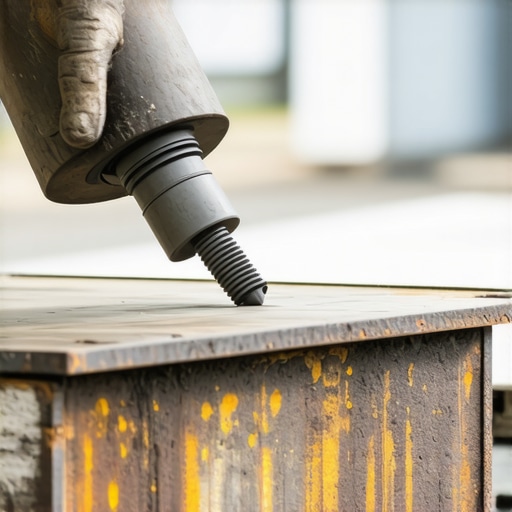
Imagine this: you’ve just finished cleaning your espresso machine, and as you wipe down the base, a few reddish-brown spots catch your eye. At first, you dismiss them as stains, but then you realize—this isn’t supposed to be here. Why is rust forming on your classy machine? Well, it boils down to moisture, exposure to oxygen, and sometimes, a little neglect.
Early on, I made the mistake of ignoring these spots, thinking they’d wipe away or that they were just harmless stains. But rust can actually eat into metal surfaces, causing holes and weakening crucial components. That’s when I learned that rust in machines isn’t just cosmetic; it’s a brewing problem waiting to happen. According to a study published in the *Journal of Material Science & Engineering*, rust can compromise the structural integrity of equipment, leading to leaks or even mechanical failure if left unchecked.[^1]
The good news? You don’t need to be a DIY expert or spend a fortune on replacements. I discovered a quick, effective method to treat and prevent rust, which I’ll guide you through soon. This isn’t some complicated overhaul—just a straightforward approach that can save your machine and preserve your daily caffeine ritual.
Are you tired of staring at rusty patches each morning, feeling helpless? If so, you’re in the right place. We’re going to move past the frustration and into a simple fix that revitalizes your beloved gear and keeps it running smoothly. Trust me, once you see how easy it is, you’ll wonder why you didn’t start sooner.
But first, let’s address a common concern I had early on—our next question:
Is rust removal really worth the effort, or should I just replace the machine?
Disassemble the Affected Parts Carefully
Start by unplugging your espresso machine to ensure safety. Remove any detachable parts such as the drip tray, portafilter, and water tank. Using a towel or cloth, wipe away loose debris and rust particles. For stubborn rust patches, gently scrub with fine-grit sandpaper or a soft-bristled brush. Remember, work slowly to avoid damaging delicate components like gaskets or seals. I once spent a Saturday morning immersed in this task, carefully disassembling and cleaning each part, resulting in a noticeably cleaner machine and improved coffee taste.
Apply a Rust Remover or White Vinegar Solution
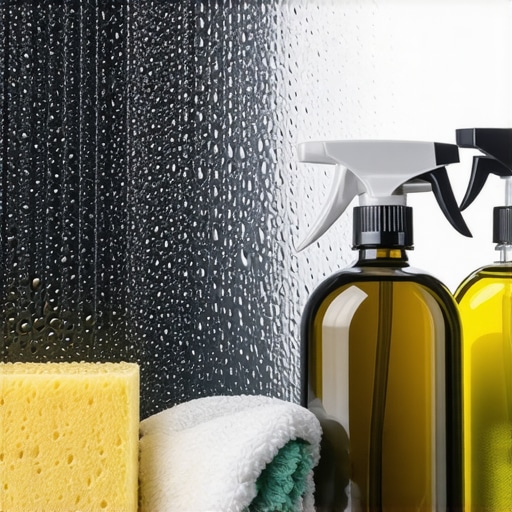
Prepare a mixture of equal parts white vinegar and water, or use a commercial rust remover following the manufacturer’s instructions. Dip a cloth or sponge into the solution and apply it directly onto rusted areas. For hard-to-reach corners, use a soft toothbrush to scrub the rust gently. In my experience, soaking a cloth in vinegar and wrapping it around rusty spots for 15-20 minutes often loosens stubborn rust, making subsequent removal easier. Keep in mind that vinegar is a natural, safe option that won’t harm metal or internal parts if used correctly.
Scrub and Remove Rust Residue
Once the rust has loosened, scrub the spots with a nylon brush or fine steel wool. Be careful not to scratch the stainless steel or painted surfaces. Use circular motions and moderate pressure to lift rust without damaging your machine. Wipe away debris with a clean, damp cloth. Afterward, rinse the area with water and dry thoroughly to prevent new rust from forming. I recall an afternoon in which scrubbing lightly with steel wool restored a dull, rusty drip tray to near-new appearance, enhancing the overall look of my machine.
Reassemble and Protect Against Future Rust
After cleaning, reassemble all parts securely. To prevent rust from returning, apply a thin layer of food-grade mineral oil or machine protectant on metal surfaces. Regularly wiping down your espresso machine, especially after steaming milk or exposure to moisture, significantly reduces rust formation. When I adopted this routine, I noticed my machine stayed cleaner longer, and my espresso shots tasted consistently better. For comprehensive advice on maintaining your gear, visit this guide.
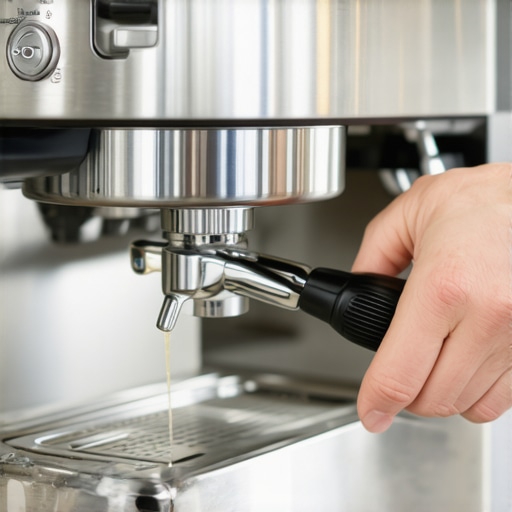 When it comes to coffee gear, many enthusiasts fall prey to widespread myths and overlook subtle nuances that can drastically improve their brewing experience. One common misconception is that all grinders are created equal; however, the quality and consistency of grind size significantly impact extraction, yet many underestimate the importance of burr geometry and alignment. For example, flat burrs tend to produce more uniform particles than conical ones, but they also require more precise calibration to prevent uneven fines and boulders, which can cause channeling and bitter shots. Experts emphasize that understanding the intricacies of burr design—like the shape and grind speed—can make a noticeable difference in shot quality, a detail often missed by beginners. Additionally, many believe that tamping pressure is a fixed standard; in reality, the optimal pressure varies depending on grind setting, roast level, and puck distribution, which can lead to over or under-extraction if ignored. In fact, a study published by the Specialty Coffee Association highlights the importance of dialling in these variables to achieve consistent espresso, moving beyond just tamping techniques.
Another prevalent myth is that more expensive equipment automatically equals better coffee. While high-end machines boast superior build quality and features, they still demand skill and understanding to operate correctly. A common mistake is relying solely on machine presets without mastering parameters like temperature stability or pressure profiling, which truly influence flavor extraction. For instance, adjusting the brew temperature slightly can enhance sweetness or reduce bitterness, a nuanced approach often overlooked in favor of focusing only on grind size or dose.
What many advanced home baristas often overlook is the significance of maintenance and cleaning. Regular cleaning of group heads, shower screens, and portafilters ensures optimal flow and prevents old coffee oils from tainting new shots. Neglecting this can lead to stale, off-flavored espresso, despite using premium equipment. Moreover, the timing and method of descaling influence the longevity and performance of your espresso machine. A tip from seasoned experts is to use vinegar or citric acid solutions to remove mineral build-up, but many skip this step, unknowingly compromising flavor clarity.
Finally, let’s tackle a sophisticated question—
Why does water temperature variation matter so much, and how can I control it precisely in my setup?
The temperature of water during extraction controls solubility and intensifies or diminishes certain flavor compounds. Even slight deviations can result in sour or flat tastes. Professional setups employ PID controllers to keep the brew temperature within ±1°C, a level of precision often missing in home machines. Understanding this nuance allows you to fine-tune your profile and unlock the full potential of your beans. For more insights on upgrading your brewing precision, check out this guide.
In essence, mastering coffee gear involves appreciating both the technical subtleties and debunking common myths. Do you have an experience where overlooking a small detail made a big difference? Share your story in the comments! Always remember: a deeper understanding of your equipment can elevate your coffee from good to extraordinary.
Investing in Quality Tools for Long-Term Performance
To ensure your espresso setup remains reliable and produces consistently excellent coffee, investing in the right tools is crucial. I personally swear by a high-precision digital scale, like the Espresso Scale Pro, which provides accurate measurements to the gram. This helps in dialing in your grind and dose precisely, eliminating variables that cause shot inconsistencies. Additionally, I keep a dedicated cleaning kit tailored for espresso machines, including descaling solutions and brush sets designed for delicate parts, ensuring maintenance is both thorough and safe.
Establishing a Routine for Maintenance Checks
Consistent maintenance saves time and extends the lifespan of your equipment. I recommend setting weekly reminders to clean the shower screen and portafilter, and monthly descaling with solutions like citric acid. Regularly inspecting seals and gaskets, such as the steam wand O-rings, prevents leaks and maintains optimal performance. Over time, these small checks can prevent costly repairs and keep your coffee tasting fresh and vibrant. Incorporating dedicated tools like a burr grinder adjustment key also simplifies calibration, helping preserve consistency with every grind.
Scaling Up: Preparing for Future Success
As your passion grows, so does the need for scalable tools and practices. Upgrading to a PID-controlled espresso machine, as reviewed in 2025’s top models, can provide temperature stability for a more forgiving and controlled extraction process. Pairing this with a high-quality grinder, like those designed for specialty beans, ensures each shot is optimized for maximum flavor. Remember, a well-maintained setup not only improves taste but also minimizes downtime, allowing you to experiment and enjoy your craft.
How do I maintain my espresso machine and grinder over time?
Regular cleaning, descaling, and timely replacement of worn parts are vital. Using tools like a dedicated grinder brush and a precision scale makes these tasks easier and more effective. Scheduling routine checks for seals and gaskets helps prevent leaks and ensures safety. For detailed guidance on these maintenance routines, visit this comprehensive guide. Remember, consistency in upkeep translates directly to better coffee and longer equipment life. Don’t hesitate to try the advanced calibration techniques I’ve mentioned, like precise grind setting adjustments, which can elevate your brewing game—see how fine-tuning your grinder can be a game-changer for your shots.
Over the years, I’ve realized that mastering home espresso isn’t just about having the right equipment—it’s about understanding the subtle, often overlooked details that can transform your brew. One of the most surprising lessons I learned was that even the tiniest rust spots in your machine hold a wealth of insight. They revealed the importance of routine maintenance and attention to detail, which I once thought was excessive but now see as essential for consistent quality.
Lessons That Changed My Espresso Perspective
- Every small rust spot tells a story: It’s a reminder that moisture and exposure can silently degrade your gear, impacting flavor and machine longevity. Recognizing this early saved me from costly repairs and flavor disasters.
- Consistency is built on routine checks: Regularly inspecting and cleaning my machine prevented rust buildup and ensured each shot was as perfect as the first. This habit elevated my confidence and skill behind the grinder and espresso machine.
- Embracing natural remedies can be effective: White vinegar and food-grade mineral oil became my allies, offering safe, inexpensive ways to maintain my equipment. It’s empowering to know you don’t always need high-end chemicals to care for your gear.
- Understanding the intricate parts matters: Knowing which seals, gaskets, and components are vulnerable allows you to target maintenance efforts where they matter most. This knowledge demystified the inner workings of my espresso setup and reduced downtime.
- Myth-busting improves your craft: Discarding misconceptions about equipment and technique—like thinking expensive machines cure all—helped me focus on refining my skills and maintenance routines, yielding tastier shots and more enjoyable mornings.
The Gear I Trust for Steady Growth
As I sought tools that would support my journey, I found a handful of resources invaluable. My precision digital scale became essential—they help me dial in grinds and doses with precision, which is crucial for consistency. For cleaning and maintenance, I rely on a specialized cleaning kit that makes maintenance simple and effective. Additionally, staying informed through trusted blogs and guides, like these comprehensive tips, keeps me motivated to improve regularly.
Your Next Coffee Break Awaits
If you’re serious about elevating your home espresso experience, the journey is about embracing continuous learning and patience. Every small fix, routine check, and tweak brings you closer to that perfect shot. Remember, mastery isn’t a destination but a daily practice rooted in curiosity and care. So, take that first step—inspect your gear, try the simple rust removal tips, and commit to a maintenance routine. The joy of a great espresso is worth every effort.
What’s one small adjustment you plan to make in your espresso routine today? I’d love to hear your thoughts and stories—share below!