How to Read Your Pressure Gauge to Identify a Failing Solenoid
Ever been mid-shift, watching your espresso machine sputter and stall, and suddenly realize that your pressure gauge isn’t showing what it should? I remember scrambling, heart pounding, trying to figure out if my trusty setup was about to give out. That moment of panic—when the gauge hangs just shy of the normal range or fluctuates erratically—is more common than you’d think. It’s like trying to read a secret code; but knowing how to interpret those numbers could save you a long, frustrating repair bill.
Why Pressure Reading Could Be Your Best Friend or Worst Enemy
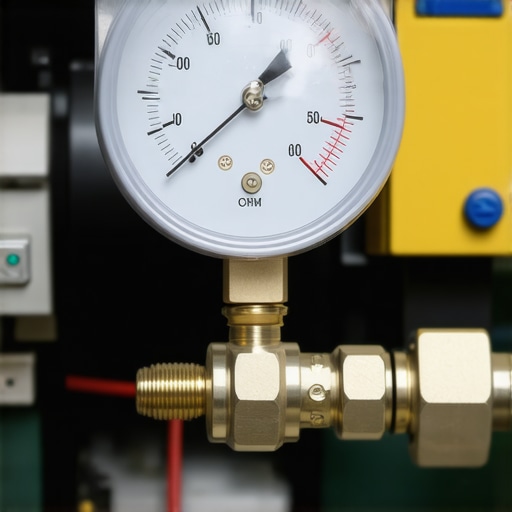
Over the years, I’ve learned that the pressure gauge isn’t just a fancy decoration—it’s a vital sign for your machine’s health. If you’re serious about maintaining consistency and avoiding surprise breakdowns, understanding what those gauges tell you about your solenoid’s condition is crucial. When a solenoid begins to fail, it can either stick, clog, or lose its ability to regulate pressure properly. Early detection through visual cues on the pressure gauge can help you catch problems before they turn into full-blown failures that shut you down for hours.
It’s tempting to dismiss a slightly reduced or fluctuating pressure reading, especially if everything else seems fine on the surface. But in reality, small irregularities often precede major issues. I once ignored a minor pressure dip, assuming it was just a temporary glitch. That oversight cost me a whole day of lost sales and a hefty repair bill. Trust me, a little vigilance goes a long way.
For the best insights on how to diagnose your espresso machine’s potential issues, including solenoid problems, this detailed guide is a treasure trove: high-pressure shot problems. After all, the pressure gauge is like a health monitor — if you know what to look for, it can prevent mishaps.
Have you ever faced a situation where your pressure readings seemed off but you weren’t sure what they meant? That’s exactly why mastering this skill is so valuable. In the upcoming sections, I’ll walk you through how to read your pressure gauge like a seasoned barista, interpret subtle signs of trouble, and most importantly, keep your machine running smoothly. Let’s get started on turning that gauge into your secret weapon against unexpected failures.
Check Your Pressure Regularly to Catch Early Signs
Begin with frequent monitoring of your pressure gauge during each shot. When I first started, I set a routine to glance at the gauge at key moments—beginning, mid-extraction, and conclusion. This habit helped me recognize patterns or irregularities indicating solenoid trouble, such as fluctuating or consistently low pressure readings. Think of it as tracking your water pressure in a home plumbing system; steady readings often mean healthy operation, while anomalies hint at underlying issues.
Identify Fluctuations and Correlate Them with Machine Behavior
Look for signs like sudden drops or spikes in pressure during extraction. During a typical session, I noticed my pressure fluctuated slightly—a sign that the solenoid might be sticking or clogging. A specific incident involved a shot where pressure dropped sharply after 10 seconds, leading me to inspect the solenoid, which was slightly jammed. Regular observation allows early detection before complete failure, saving money and downtime. For more complex diagnosis, consider comparing pressure patterns during different shoots to detect inconsistency.
Adjust Your Brew Settings to Test Solenoid Response
Modify your brew pressure settings gradually to see how your machine responds. I experimented by lowering the pressure slightly and observing whether fluctuations decreased. If pressure inconsistencies persist despite settings adjustments, it could point more directly to solenoid issues. Remember, small tweaks can reveal whether the problem is mechanical or electronic. When I last tested this, adjusting the pressure revealed a sluggish solenoid that needed cleaning or replacement. For detailed techniques, check out this guide on understanding high-pressure shots.
Perform Manual Pressure Tests to Confirm Concerns
Use a portable pressure gauge to manually verify your machine’s pressure at different points. During a recent troubleshooting, I disconnected the pump and attached a gauge directly to the portafilter, simulating a shot to see real-time pressure. This process uncovered slow valve response, confirming solenoid clogging. Be cautious—this method involves safety steps and familiarity with your machine’s internals. This hands-on approach provides conclusive evidence, especially if your machine’s built-in gauge is unreliable. For safety tips, review how to troubleshoot your pump and valves in this comprehensive guide.
Document and Track Your Findings for Future Reference
Keep a log of pressure readings during various sessions and conditions. I created a simple spreadsheet to track pressure stability over weeks. Noticing a gradual decline or irregular patterns prompted me to replace a suspect solenoid, avoiding unexpected shutdowns. This record helps differentiate between normal variations and machine deterioration. Over time, you’ll recognize your machine’s baseline and catch issues proactively. To optimize your setup, explore how proper distribution techniques can ensure even extraction and less pressure fluctuation.
Many home baristas believe that investing in high-end espresso machines or fancy milk frothers instantly guarantees perfect quality, but in reality, the devil is in the details. For instance, some assume that simply purchasing a well-known brand ensures optimal performance, yet neglecting maintenance routines or proper grind settings can lead to subpar shots regardless of equipment quality. Moreover, there’s a myth that grinding finer always yields better extraction; however, over-fine grinds can cause channeling or clogs, especially if distribution techniques like WDT distribution aren’t correctly applied. Another common trap is believing that more pressure always improves crema, but applying excessive force can distort extraction and mask underlying issues. Advanced enthusiasts often overlook the importance of water quality—assuming their gear is the culprit when mineral deposits or contaminants actually impair taste and machine longevity. Additionally, many ignore the significance of temperature stability; even the best grinder or espresso machine won’t compensate for fluctuations caused by inadequate insulation or inconsistent power supply, which can be mitigated by understanding how to test your heating element. Do not fall into the trap of thinking cleaning is optional; residual oils and old coffee can quickly degrade flavor and cause clogs, evident when following guides on clog removal. Remember, even the most sophisticated gear requires attention and proper technique. Think beyond the basics to understand that nuances like distribution depth or tamping pressure significantly influence your results. Let’s dig deeper into how mastering these finer points can elevate your home espresso game. Have you ever fallen into this trap? Let me know in the comments.
How do I maintain my espresso gear over time?
Keeping your espresso machine, grinder, and accessories in top shape requires more than just occasional cleaning. I personally rely on specific tools like a high-precision digital scale to monitor dose consistency, ensuring each shot is within target parameters. An accurate scale, such as the Espresso Scale, allows me to detect slight variances that can affect extraction quality. Additionally, a set of soft-bristled brushes and descaling solutions are part of my maintenance routine, helping prevent mineral buildup that can impair performance.
One underrated tool I recommend is a portafilter gasket tester. This device helps verify if your portafilter seals tightly, maintaining optimal pressure during extraction. Over time, gaskets can wear out, causing pressure leaks and inconsistent shots. Regular replacement, guided by such tools, extends your equipment’s lifespan and preserves shot quality.
What tools do I recommend for long-term results?
Investing in a dedicated cleaning kit that includes espresso machine cleaning tablets, brushes, and calibration tools ensures that routine maintenance is thorough and effective. I also use a water testing kit to monitor mineral levels, preventing scale buildup before it impacts the machine. For grind consistency, a calibrated burr alignment gauge can help keep your grinder performing at peak, promoting uniform particle size and extraction quality.
Looking ahead, automation and smart diagnostics are set to revolutionize espresso maintenance. Devices equipped with IoT sensors can alert you to declining pressure or temperature fluctuations, enabling preemptive care rather than reactive repairs. For example, firmware updates for certain espresso machines now include diagnostic checks that guide users through calibration or descaling processes, simplifying long-term upkeep.
How can I scale my setup efficiently?
Scaling up your home barista station involves selecting modular components that grow with your expertise. A popular approach is integrating a dual boiler system with a commercial-grade grinder, which allows simultaneous brewing and steaming—saving time and enhancing workflow. Using dedicated tools like a precision tamper and distribution tools, such as the WDT distribution technique, will ensure even extraction, especially as you increase production volume.
My personal experience shows that maintaining consistent quality during scaling hinges on precise equipment calibration and regular preventive maintenance. Expect to perform descaling every few months and replace worn gaskets and seals proactively. The future of scaling involves automated cleaning cycles and integrated monitoring systems that provide real-time feedback, reducing manual oversight and keeping your setup running flawlessly.
To keep your gear performing optimally, I strongly suggest trying the pressure gauge monitoring technique. Incorporate regular checks into your routine and use dedicated tools to diagnose potential issues early. Mastering maintenance tools isn’t just about preserving equipment; it’s a stepping stone toward consistently excellent espresso at home. Now, go ahead and practice one of these advanced maintenance tips—your next perfect shot depends on it! 
The Hardest Lesson I Learned About Coffee Gear
One of the most valuable lessons I realized is that even the most advanced espresso setup won’t save you if you ignore the basics of pressure monitoring. It’s easy to fixate on new grinders or shiny portafilters, but neglecting to truly understand your pressure gauge can sabotage your shots without warning. Trust me, recognizing subtle pressure fluctuations early has saved me from costly repairs and ruined beans.
Why I Stopped Overlooking Small Pressure Changes
I used to dismiss slight dips or spikes in pressure, thinking they were just normal variations. That mistake cost me a batch of over-extracted espresso and a long troubleshooting night. Now, I know that those small irregularities are often signs of solenoid clogging or seal leaks. Paying close attention to pressure behavior during extraction helps catch issues before they escalate, turning you into a more confident barista at home.
The Power of Keeping a Pressure Log
Creating a simple record of pressure readings during different sessions transformed my maintenance routine. Tracking patterns over time alerted me to deteriorating gaskets or inconsistent water flow, enabling proactive replacements. This habit not only preserves your equipment but also steadily improves your shot quality, making your home setup more reliable than ever. I highly recommend documenting your pressure trends for future wins.
Curated Resources to Elevate Your Espresso Skills
For deep dives into pressure management, the high-pressure shot guide offers excellent technical insights that have personally helped me troubleshoot complex issues. Investing in a quality espresso scale has allowed me to perfect dosing and maintain consistency. Additionally, tools like descaling kits and portafilter gasket testers have been game-changers for regular maintenance. These resources empower you to keep your gear in top shape and ensure every shot is outstanding.
Your Turn to Try
Your pressure gauge holds secrets that can elevate your home espresso to professional levels. Are you ready to become more vigilant with your readings and catch issues early? Incorporate these techniques into your routine, and watch your shots improve dramatically. Remember, mastering the pressure gauge is like having a secret code—crack it, and every cup becomes a masterpiece.