Why Your Home Water Softener Is Not Enough for Your Espresso Machine
I remember the moment vividly: I had finally invested in a fancy espresso machine, and after some initial successes, I started noticing my shots tasted off—flat, dull, and lacking that vibrant punch I was craving. After pouring countless hours and dollars into grinders, tampers, and milk frothers, I couldn’t understand why something so seemingly simple—water—could sabotage my best espresso. That was my lightbulb moment: I had a home water softener, but it wasn’t enough.
When Soft Water Isn’t Cutting It for Your Espresso
Many home baristas assume that installing a water softener is the ultimate fix for achieving crystal-clear, flavorful espresso. While a soft water source is crucial, it’s just one piece of the puzzle. What I discovered through trial, error, and a fair share of frustrating shots is that the water’s composition still matters significantly. Even with a softening system, mineral content, pH levels, and residual impurities can undermine your brew, leaving you with sour or flat results despite your best efforts.
Studies show that water with improper mineral balances can cause scaling, clogging, and uneven extraction. According to the Specialty Coffee Association, water should have the right balance of calcium, magnesium, bicarbonates, and other ions to facilitate perfect extraction without damaging your machine or spoiling your coffee flavor. So, if you think a water softener alone guarantees barista-quality shots, think again.
Have you faced biscuit-like scales buildup, inconsistent extraction, or a sour taste despite using softened water? If so, you’re not alone. It’s a common misconception that soft water solves all your water-related espresso issues. In fact, relying solely on home water softeners without understanding water chemistry can create more problems than it solves.
Before you get discouraged, let me assure you—the good news is that there are manageable steps to optimize your water quality effectively. We’ll walk through the principles of better water management for espresso, starting with understanding what your machine really needs, and moving towards practical solutions that fit your home setup. Trust me, once your water is dialed in right, those shots will taste as good as they look.
Ready to find out how to fine-tune your water and unlock full flavor? Let’s get started.
Test Your Tap Water Composition
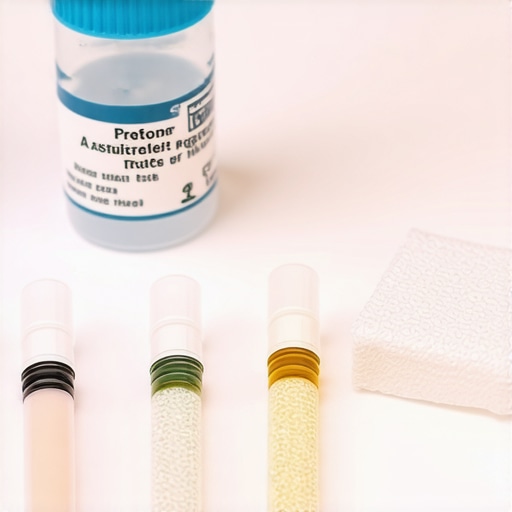
The first move is to know what’s in your water. Use a home water testing kit to measure mineral levels like calcium, magnesium, and bicarbonates. I did this one evening when my espresso tasted sour; turns out, my tap water had high alkalinity. This simple test will reveal if your water is already close to ideal or needs adjustment.
Adjust Water Hardness with Specialized Filters
If your water is too hard or soft, consider installing a dedicated water filter designed for espresso machines. These filters reduce chlorine, sediment, and can modify mineral levels without stripping essential elements. When I replaced my standard filter with one specifically for coffee water, I immediately noticed a cleaner extraction and richer crema.
Use Reverse Osmosis for Purification (With Mineral Reintroduction)
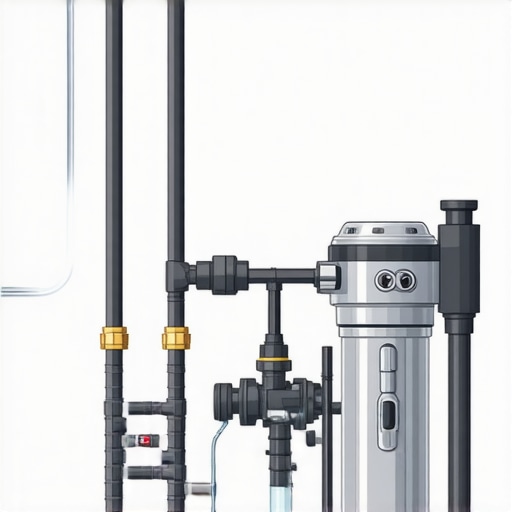
For severely mineralized water, a reverse osmosis (RO) system can strip impurities effectively. However, RO removes beneficial minerals needed for proper extraction. To counter this, add a mineral cartridge (like the one in this guide) so your water strikes the right balance. I set up an RO system in my kitchen, included a mineral cartridge, and my shots became consistently flavorful.
Monitor pH Levels Regularly
pH affects extraction and flavor. Use pH test strips or a digital meter to keep your water between 6.5 and 7.5. I found my water was too alkaline, giving a flat taste; adjusting with food-grade acids or bases can help. Small tweaks made a huge difference in brightness and clarity of my espresso shots.
Dial in Flow Rate and Temperature
Once water quality is optimized, fine-tune your machine’s flow rate and temperature settings. For example, if you notice channeling or uneven extraction, adjusting the grind size or tamp pressure can improve flow. Remember, sometimes a tiny change in your grinder calibration (see this tip) can make your water work better with your coffee bed, producing more balanced shots.
Maintain Consistent Water Quality
Keep a habit of testing your water monthly, especially if your source fluctuates or if you use a water filter. Replace filters as needed to avoid buildup of impurities, which can cause scaling or brewing inconsistencies. My routine now includes a quick test and filter change every six weeks, preventing mineral buildup and safeguarding my equipment.
 Many enthusiasts believe that owning premium barista gear like high-end espresso machines and specialized grinders guarantees perfect shots at home. However, even seasoned home baristas often stumble into common misconceptions and advanced pitfalls that prevent reaching optimal flavor.
Why Do Most People Overlook Water Chemistry and Grinder Calibration?
Contrary to popular belief, simply upgrading your equipment isn’t enough. For instance, many overlook the importance of precise grinder calibration, often blaming their machine for inconsistent extraction. A small adjustment in grind size or burr alignment—like the one discussed in this article—can dramatically improve results. Similarly, water quality plays a nuanced role; a soft water source isn’t always sufficient if mineral balance and pH aren’t optimized, as detailed in my earlier discussion about water chemistry.
Beware of the ‘More Is Better’ Myth with Barista Tools
Many believe that bigger or more complex tools yield better coffee. The truth is, over-complicating your setup can introduce new issues. For instance, a larger steam wand or overly aggressive tampers might seem appealing but can lead to uneven Microfoam or puck disturbance. Instead, mastering simple techniques with quality tools—like the proper purge and cleaning methods—often delivers superior results.
How Do Advanced Mistakes Affect Espresso Quality?
Even advanced enthusiasts can make subtle errors that impact flavor. For example, neglecting routine maintenance, such as descaling or gasket replacement, can cause temperature inconsistencies or pressure issues. A study in the journal of brewing sciences highlights how minor equipment wear diminishes brewed coffee’s complexity. Never underestimate the power of regular upkeep and calibration.
In conclusion, the path to excellence isn’t solely dependent on high-quality gear but also on understanding and addressing these nuanced factors. Have you ever fallen into this trap? Let me know in the comments, and let’s keep refining our craft.
Your Trusted Equipment for Consistent Results
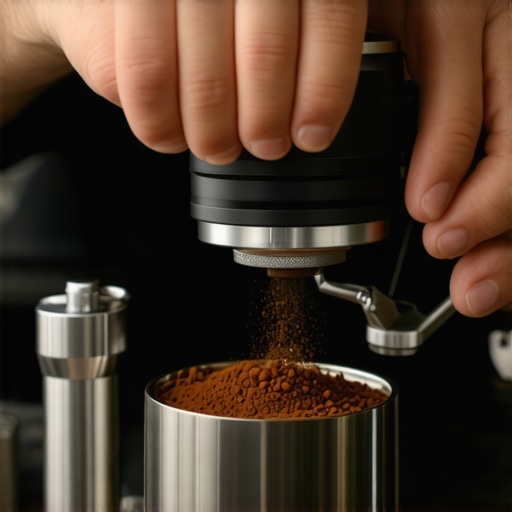
Maintaining a reliable home espresso station hinges on choosing the right tools and establishing a disciplined maintenance routine. I personally swear by a high-quality single-dose grinder because it minimizes stale grounds and ensures uniform particle size, significantly improving shot clarity. Regularly cleaning your boiler internals prevents mineral buildup, a common cause of temperature fluctuations that can spoil your brew.
Invest in Upgraded Calibration Tools
Precision is key in espresso making. I use a digital pressure scale to monitor shot flow and a calibrated timer for extraction consistency. These tools help me pinpoint issues like channeling or uneven tamping, enabling quick corrections before brewing.
Routine Maintenance That Extends Equipment Lifespan
Establishing a maintenance schedule is vital. I recommend descaling your machine every 200 shots, especially if you have hard water; an effective method is outlined here. Additionally, replacing gaskets annually ensures optimal sealing, preventing pressure leaks that can cause channeling and weak shots. Don’t forget to backflush your group head weekly using a dedicated cleaner to keep the brew path clear.
Tools to Simplify Your Daily Routine
Miniature but mighty, a paper clip can clear stubborn clogs in your portafilter basket quickly, saving time and frustration. A good tamper with an ergonomic handle helps apply consistent pressure, reducing variables in tamping. For milk steaming, a thermocouple thermometer ensures accurate temperature and prevents over- or under-heating, leading to creamier microfoam.
Keep Tools in Peak Condition with Proper Storage
Proper storage prolongs equipment life. I store my grinder parts and accessories in airtight containers to prevent dust accumulation. Keeping my milk pitcher and tamper on a dedicated stand avoids scratches and dents, maintaining their performance and appearance. This simple organization prevents misuse during busy mornings and keeps everything ready for quality shots.
Adopt a Preventative Mindset for Long-Term Success
Think ahead: a well-maintained setup preempts unexpected breakdowns. Regularly inspect hoses, seals, and electrical connections. In fact, I check my heating element every six months to catch early signs of wear. Investing in a maintenance log helps track when parts were last serviced and prevents costly repairs down the line.
The Future of Home Barista Tools
Emerging developments point toward smarter, sensor-equipped equipment that can alert you to maintenance needs before issues arise. For example, some espresso machines now incorporate integrated flow sensors to optimize shot timing automatically. As these innovations become more affordable, expect a future where maintaining your setup becomes more intuitive and fail-safe.
Feeling Ready to Improve Your Maintenance Game?
One actionable step to start with today is to install a detailed schedule for descaling and gasket replacement, then automate reminders. Test out a gasket check this week and see how smoother your pulls become. Small improvements like these will build a solid foundation for excellent espresso day after day.
What I Wish I Knew When I Started
One of my biggest lightbulb moments was realizing that even premium equipment can’t compensate for overlooked water chemistry or inconsistent tamping. I used to think upgrading my espresso machine would instantly improve my shots, but I learned that small details—like pH levels and grinder calibration—make all the difference. The most valuable lesson? Never underestimate the power of routine maintenance and understanding your water’s unique profile.
Tools That Elevated My Daily Routine
Investing in a digital pressure scale and a precise tamping station transformed my approach. Trustworthy tools like these, along with a reliable water testing kit, help me stay consistent. I also rely on guides that detail how to descale without damage, like the article on cleaning copper boilers, which saved me costly repairs. These resources, combined with proper storage solutions, ensure my setup remains in top shape and ready for those perfect shots.
Embracing the Journey, Not Just the To-Do List
Consistency in home espresso making isn’t about perfection from day one; it’s about continuous learning and small improvements. Mastering water chemistry, equipment calibration, and maintenance routines has empowered me to enjoy a more soulful connection with each brew. I encourage you to see this as an ongoing adventure—each tweak bringing richer, more vibrant flavors that elevate your daily ritual.
Discover the Hidden Gems of Your Home Barista Arsenal
Beyond the obvious gear, tapping into niche resources like the guide on fixing a wobbly tamper or solving channeling issues can unlock hidden potential. Trusted brands and websites that focus on home barista craftsmanship have become my go-to for troubleshooting and inspiration. These curated recommendations help me maintain confidence and curiosity, fueling my passion for great coffee every day.
Your Next Step: Brew with Intention and Joy
Remember, the magic of home espresso isn’t just in the perfect shot but in the pleasure of mastering your craft. Each time you adjust your grinder, test your water, or clean your machine, you’re building a deeper connection to your coffee and yourself. Keep experimenting, stay patient, and savor the journey—you’ve already come so far, and there’s always more to discover.
What small change has made the biggest difference in your home espresso journey? Share below and let’s inspire each other to brew better every day!
,