The Best Way to Store Your Drip Tray to Prevent Scale Build-Up
I’ll never forget the first time I ignored my espresso machine’s drip tray for too long. That little thing filled up, overflowed, and suddenly I was dealing with a mess—plus, scale started sneaking in where I didn’t want it. It was a lightbulb moment, realizing that even small overlooked details can lead to big issues in home barista setups.
Why Proper Drip Tray Storage Matters More Than You Think
Keeping your drip tray in check isn’t just about avoiding embarrassing spills on your countertop. It’s a crucial step in preventing mineral scale build-up, which can seriously damage your machine over time. Scale is sneaky—forming silently when mineral-rich water evaporates, and in some cases, it can reduce the efficiency or lifespan of your espresso gear. As experts have pointed out, scale buildup can lead to costly repairs and diminished coffee quality. So, maintaining a clean, well-stored drip tray becomes an inexpensive but vital part of your equipment care routine.
Is Overcautious Storage of the Drip Tray Really Necessary?
Early on, I made the mistake of thinking that just emptying the drip tray once a week was enough. But I wasn’t paying attention to how it stored—standing upright and sometimes cluttered, which made it easier for mineral deposits to settle and harden. It wasn’t until I adopted a more mindful storage method—like regularly cleaning and positioning the tray properly—that I saw a real difference.
Implement Regular Cleaning Routines
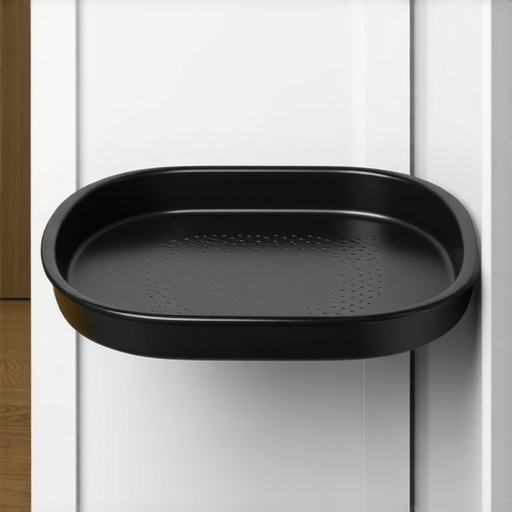
Start by establishing a weekly cleaning schedule for your drip tray. Remove it from the machine and rinse with warm water. Use a gentle brush or sponge to scrub away mineral deposits and any residual coffee oils. For stubborn scale buildup, soak the tray in a descaling solution or a vinegar-water mix (1:1 ratio) for 15-20 minutes before scrubbing. This prevents mineral accumulation that can lead to the formation of hard, calcified layers, akin to how mineral deposits develop silently inside your machine’s boiler.
Optimize Your Drip Tray Storage and Positioning
Choose the Correct Placement
Place the drip tray in a stable, upright position where it’s easily accessible yet secure. Misaligned trays can cause spills or allow standing water to stagnate, encouraging scale. When I first did this, I noticed water pooling in the corners of my tray due to improper seating. Adjusting the tray so it fit snugly eliminated minor leaks and improved drainage, much like aligning the shower head in a milk steamer to prevent splattering.
Use Graceful Handling During Removal and Insertion
Be gentle when removing or reinserting the drip tray. Excessive force can cause cracks or misalignments, creating entry points for dirt or water leaks. The first time I neglected this, I cracked my tray’s edge, leading to water ingress and needing a costly replacement. Treat it like handling delicate barista tools—smooth, careful motions preserve its integrity and function.
Prevent Mineral Scale Formation
Mineral scale is the silent enemy of espresso machines. Once scales develop, they insulate heating elements, straining the boiler and reducing efficiency. To combat this, use appropriate water filtration and perform regular descaling routines. Often, scale forms faster in stagnant water, so empty your drip tray once a day if you notice water sitting too long. This is similar to cleaning your grinder chute to prevent clogs; proactive maintenance prevents larger issues down the line.
Recognize When to Replace Components
Over time, plastic trays can warp or crack, especially in hot environments. Regular inspection ensures you don’t miss leaking or structural damage, which can manifest as water on the countertop or persistent mineral deposits. Replacing the drip tray promptly keeps your setup pristine and prevents scale buildup in unintended areas. Think of your espresso gear as a high-performance car; replacing worn parts before they cause significant damage saves money and maintains performance. For detailed replacement steps, check out setup guides.
Implement an Effective Storage System
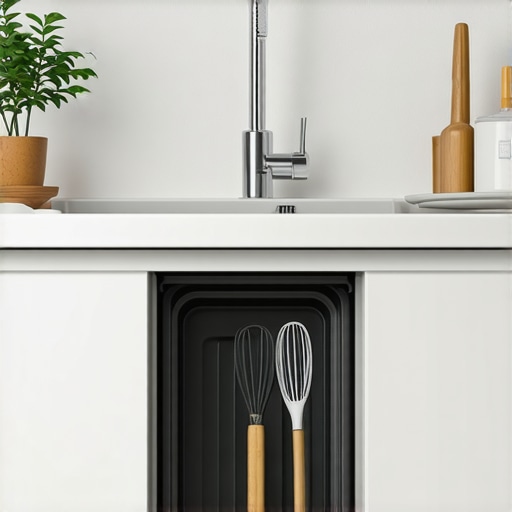
Store your drip trays in a clean, dry place when not in use—preferably in a designated drawer or shelf. This reduces dust and prevents accidental contamination, ensuring they stay ready for quick assembly. Also, store cleaning tools nearby, such as brushes and descaling solutions, to facilitate routine maintenance without extra steps. In my experience, having a dedicated maintenance bin simplifies the process and encourages consistent upkeep, which extends your machine’s lifespan and optimizes extraction quality.
Even seasoned enthusiasts often fall prey to misconceptions about espresso gear, especially when it comes to milk frothers and grinders. One common myth is that upgrading to a pricier grinder guarantees perfect espresso, but in reality, neglecting proper calibration or understanding burr alignment can sabotage your shots, regardless of cost. According to experts like home barista guru James Hoffmann, precision adjustments and consistent maintenance are what truly matter, rather than flashy equipment alone. An advanced mistake many make is believing that digital temperature controls eliminate the need for scrutinizing brew parameters; however, even with high-end PIDs, variables like grind size, tamping pressure, and shot timing remain critical for quality extraction.
Why does the quality of grinder burrs affect shot consistency more than grind size alone?
That’s because worn or chirping burrs can cause uneven particle distribution, leading to channeling and sour or bitter flavors—an insight corroborated by recent studies from the Specialty Coffee Association. Regularly inspecting burrs and listening for abnormal sounds can save you hours of troubleshooting. Furthermore, many home baristas overlook the importance of cleaning milk frothers thoroughly; residual milk buildup can harbor bacteria and affect frothing behavior, making your microfoam unreliable despite proper milk temperature. Don’t forget that burr maintenance is as vital as using quality beans. Complex as it sounds, mastering these nuances elevates your espresso game from amateur to expert. Feel like you’re stuck in a rut? Sometimes simple overlooked details are the game changers—so keep experimenting, and don’t let myths guide your passion. Have you ever fallen into this trap? Let me know in the comments.
Keeping It Running: Must-Have Tools and Maintenance Tips
Maintaining your espresso setup isn’t just about cleaning once a month; it’s about integrating precise tools and routines that ensure longevity and consistent quality. One tool I swear by is a calibrated flat burr grinder tester. It helps me detect uneven burr wear early, preventing uneven extraction and bitter shots. I personally use a digital espresso scale with flow rate measurement capabilities, which allows me to dial in shot timing with remarkable accuracy—that’s essential in high-altitude environments where boiling points shift.
Another underrated tool is a molecular sieve desiccant for storage cabinets; moisture is the silent enemy of coffee freshness and machine health. I’ve installed a small package near my grinder to keep humidity at bay, especially in humid climates, prolonging the lifespan of both my beans and equipment.
Where do I keep my tools?
I dedicate a specific drawer to maintenance supplies, including cleaning brushes, descaling solutions, and spare o-rings. As for cleaning agents, I prefer eco-friendly descalers that don’t corrode machine parts with prolonged use. Regular inspection of seals and gaskets using a gasket gauge prevents leaks and pressure drops. A small mirror with a magnifying glass helps in detecting early signs of corrosion or mineral deposits.
Why habit-forming maintenance routines are a game changer
Establishing a weekly routine for checking burrs, seals, and the water filtration system creates a habit that avoids costly repairs. For instance, if you notice a metallic taste in your espresso, it might be time to replace your portafilter gaskets or clean your grinder burrs thoroughly.
Preparing for the future of espresso gear
Upcoming advancements point toward smarter, sensor-integrated machines capable of self-diagnosing issues and scheduling maintenance automatically. Experts predict that machine learning will help optimize performance and predict failures before they happen. But until then, vigilant use of precise tools remains your best investment for sustained excellence.
If you haven’t yet, try calibrating your grinder with a burr wear indicator to spot early signs of uneven grinding. It’s a simple step that yields immediate improvements in shot consistency and flavor—an advanced tip worth mastering. Keeping your gear in top shape ensures your espresso remains delicious and reliable for years to come.
What Surprised Me Most About Espresso Gear Longevity
One of the biggest revelations was realizing that consistently overlooked tiny details—like proper drip tray positioning—can significantly extend your machine’s lifespan. I used to dismiss routine cleaning as optional, but understanding how scale silently damages components was a game-changer. It’s often the small, consistent habits that preserve your investment and ensure top-quality coffee day after day.
Gear Up: My Favorite Tools for a Perfect Brew
Investing in a calibrated flat burr grinder tester and a precise espresso scale transformed my approach. These tools demystify the variables impacting extraction and make troubleshooting intuitive. I also keep a small desiccant packet nearby to combat humidity. Trust me, these investments are worth every penny—they save countless hours and parts in the long run.
Harness Your Routine for Sustainable Results
Establishing a weekly maintenance ritual has been crucial. From inspecting burrs (burr health check) to lubricating seals, this habit prevents surprises. Filling the water reservoir with filtered water and performing descaling at regular intervals safeguard against mineral buildup, especially in hard water areas. Remember, consistency beats intensity—small daily efforts lead to professional-quality espresso at home.
Breaking Myths to Brew Better
One myth I debunked early on was that investing in premium equipment alone guarantees great coffee. In reality, calibration and maintenance are more critical. I learned that cleaning milk frothers thoroughly prevents bacteria build-up and creates delicate microfoam, which elevates any cafe experience. My advice? Focus on technique and routine, not just gear specs—your taste buds will thank you.
Keep Moving Forward: Embrace the Learning Journey
Finally, I realized that patience and curiosity are your best friends in mastering home espresso. Every tweak, every clean, every upgrade teaches you something new about your setup. Upcoming innovations like smart diagnostics are exciting, but, until then, diligent maintenance remains your secret weapon. Have you ever found a simple fix that transformed your coffee experience? Share your tips below and keep brewing better every day.