Why Your Shop’s Water Filtration System Is Failing Your Boiler
I vividly remember the morning I first noticed it—the unmistakable metallic tang in my espresso shot that greeted my tongue, leaving me perplexed and a little disappointed. I had just upgraded my grinder, tweaked my grind size, and calibrated my temperature settings, but that odd taste persisted. Only later did I realize the culprit was lurking behind the scenes—my water filtration system, silently betraying my efforts and causing my boiler to falter.
Spotting the Signs: Is Your Water Filter to Blame?
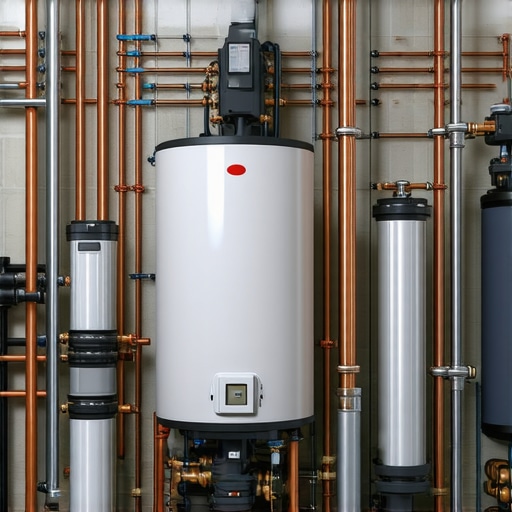
If you’ve been battling inconsistent boiler performance, mineral deposits, or strange flavors, there’s a good chance your water filtration setup isn’t doing its job. Water softeners and filters are supposed to shield your machine from scale buildup and improve taste, but if they’re not maintained correctly or are incompatible with your water type, they can become more of a liability than an asset.
Subtle Clues That Your Filter Is Fouling Your Boiler
I’ve seen it firsthand—scaling inside boilers, prolonged heating times, and even sudden pressure drops. Early on, I dismissed these as minor glitches until I uncovered the hidden role my outdated filter played. Regularly replacing filters and understanding the water chemistry can make a world of difference. For a comprehensive guide on how water quality impacts your espresso, check out this article.
It’s important to recognize that water with high mineral content or improper filtration can accelerate scale formation inside your boiler, drastically reducing its efficiency and lifespan. This is not just a theoretical concern—scale buildup has been shown to impair heat transfer and cause uneven temperature distribution, undermining your shot quality (source: ScienceDirect study).
Why Ignoring Your Water System Can Cost You More
Many baristas and home enthusiasts overlook the importance of maintaining their filtration systems. I did this myself early on, believing that a filter’s job was done once installed. But neglecting regular checks and replacements can lead to clogged filters, poor water quality, and ultimately, a compromised boiler. When your boiler isn’t operating optimally, every shot suffers, and costly repairs could be around the corner.
Addressing these issues requires a mix of practical steps—testing your water, replacing filters timely, and perhaps considering a water expert’s advice for your specific setup. But before diving into fixes, let’s answer the big question I hear all the time:
Are Water Filtration Systems Actually Worth the Hype?
Many skeptics think these systems are just a fancy add-on that doesn’t justify the expense. But I learned the hard way—neglecting your water quality is like throwing money down the drain. Proper filtration not only improves taste but extends your boiler’s life. To get the most out of your investment, I recommend reading this detailed guide on optimizing your machine’s health.
Have you faced ongoing issues with your boiler or noticed inconsistent shots? If so, you’re not alone. Fortunately, understanding the role your water filtration plays can serve as a game-changer. Next, we’ll explore the essential things you should check and how to reset your system for optimal performance—no more guessing, just straightforward solutions that work.
.
Test Your Water Regularly
Start by assessing your water’s mineral content. Use a simple TDS (Total Dissolved Solids) meter to measure levels; aim for moderate mineralization suited for espresso brewing. I recall one morning when my shots became sour; a quick TDS test revealed high mineral levels, prompting me to address my water filtration system promptly.
Replace Filters Promptly and Correctly
Establish a Replacement Schedule
Follow the manufacturer’s instructions—usually every 1 to 3 months. I set calendar reminders and kept a log; this prevented the buildup of impurities. When I replaced my filter, I noticed my espresso’s flavor became cleaner, and my boiler performed more efficiently.
Understand Filter Compatibility
Ensure your filter matches your water type. For hard water, consider a multi-stage filter or water softener. Using incompatible filters can lead to clogging or ineffective mineral removal. I learned this by experimenting with different filters and observing changes in scale formation inside my boiler.
Flush and Clean Your System
Regularly flush your water lines and filters to remove accumulated debris. Run clean water through the system weekly. During a deep clean, I disconnected and soaked my filter unit, which improved flow and reduced metallic tastes in my first shot each morning.
Monitor Boiler and Filter Condition
Keep an eye out for scaling inside the boiler or water reservoir. Mineral buildup can reduce heat transfer efficiency, leading to uneven shots. For example, I once cleaned my copper boiler with a descaling solution, avoiding the need for costly replacements later. Regular inspection helps catch issues early.
Integrate Water Quality Checks Into Routine Maintenance
Include water testing and filter checks as part of your weekly cleaning schedule. This habit ensures consistent quality, preventing flavor problems or equipment damage. I set a weekly reminder to check filter condition, which saved me from unexpected breakdowns and costly repairs.
Adjust Your Filtration System When Necessary
If you notice persistent issues like scale buildup or metallic taste, reevaluate your filtration setup. Upgrading to a more suitable filter or adding a multi-stage system can make a significant difference. I once added a specialized filter after consulting a water specialist, and my espresso quality improved noticeably.
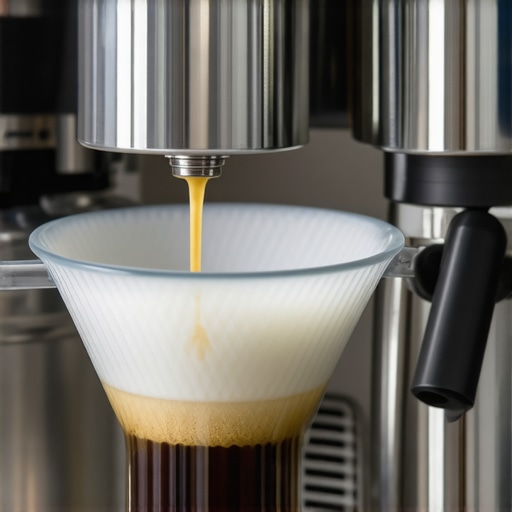 Many enthusiasts assume that owning premium espresso machines or high-end grinders automatically guarantees perfect shots, but seasoned baristas know there’s more beneath the surface. For instance, a common misconception is that a heavier tamper always yields better extraction—yet, too much force can compact the puck unevenly, causing channeling and under-extraction. Advanced users understand that tamping pressure should be consistent but not excessive; otherwise, it can damage the machine’s pressure system or lead to inconsistent shots. In addition, many believe that dialing in grind size alone is enough, but neglecting water quality and temperature stability often sabotages efforts. These nuances are subtle but critical; overlooking them diminishes the benefits of your high-end gear. Moreover, many home baristas fall into the trap of neglecting regular maintenance, such as descaling and inspecting seals, which can silently degrade performance over time. Cutting corners here can cause inconsistent pressure, leakages, or even damage to your machine, leading to costly repairs. An often-overlooked aspect is the calibration of your grinder’s adjustment ring—improper calibration can create uneven grind consistency, affecting extraction. For example, a misaligned grinder may retain residual coffee, leading to over-dosing or stale grounds that impact flavor. As highlighted in expert guides, paying attention to the fine details—like cleaning portafilter threads or monitoring boiler pressure—can elevate your espresso shots significantly. Did you know that a subtle change in water temperature, just 1°C, can alter shot flavor and mouthfeel? That’s why understanding advanced parameters is vital. For instance, controlling brew temperature using a PID controller ensures stable extraction, which experts agree is paramount for consistency. This kind of precision separates amateur from professional-level brewing. How do you ensure you’re not falling into these common pitfalls? Regularly inspecting your gear, calibrating your grinder, and respecting every component’s role can make all the difference. Remember, mastering espresso is as much about attention to detail as it is about equipment. Have you ever fallen into this trap? Let me know in the comments.
Invest in Quality Tools for Daily Excellence
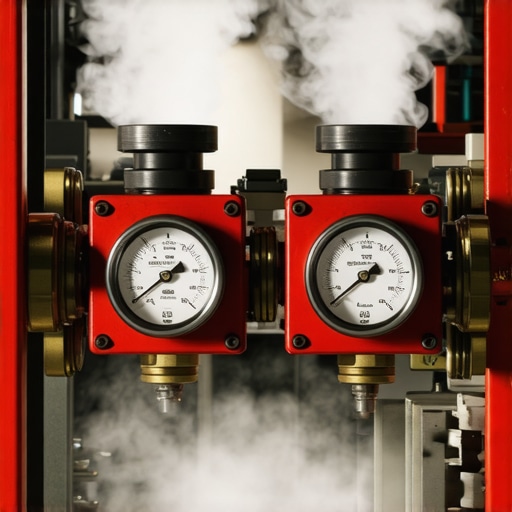
Maintaining your espresso setup isn’t just about cleaning; it starts with having the right tools at hand. I personally swear by a high-precision digital caliper to measure grinder burr alignment, ensuring consistent particle size and extraction quality. For deep cleaning, a dedicated steam wand brush and portafilter cleaning kit are indispensable—they prevent buildup that can clog and damage components. Regularly calibrating your grinder with a doser or digital scale ensures each shot is precise, saving you from over- or under-extraction. Upgrading to a calibrated pressure gauge adds a layer of control, allowing you to monitor pump performance closely, which is critical for maintaining a stable shot and preventing pump failure. These tools might seem small, but they have a big impact on equipment longevity and espresso quality.
Routine Checks and Preventative Maintenance
Going beyond tools, establishing a routine maintenance schedule prevents costly breakdowns down the line. Examine seals and gaskets monthly; a worn portafilter gasket can cause pressure leaks, leading to inconsistent extraction. Descaling your boiler and internal pathways at least every three months prevents mineral buildup, which can cause overheating and eventual component failure. For instance, a study from ScienceDirect highlights how scale deposits impair heat transfer, reducing efficiency and raising energy costs. Document each maintenance task to track patterns that might signal deeper issues. Remember, consistency is key—scheduled check-ups keep your machine running smoothly and extend its lifespan.
Tools I Recommend for Keeping Machines in Prime Condition
I advocate for a troubleshooting wizard like the Espresso Machine Diagnostic App. It can monitor pump cycle times, temperature stability, and even alert you to impending issues before they become serious. Also, having a high-quality adjustment ring removal tool saves time when you need to recalibrate or fix a stuck grind ring—saving you from expensive repairs or replacement. Don’t overlook simple gear like a silicone-based lubricant for moving parts and water-resistant gloves to handle descaling safely; these make routine tasks more manageable.
Looking Ahead: The Future of Maintenance Technology
The trend is moving towards smart diagnostics with IoT-enabled sensors that can track usage patterns and predict failures. Imagine receiving an alert on your smartphone if your boiler’s temperature drifts or if your pump is underperforming, allowing for preemptive action. Deep learning algorithms could even guide you through customized maintenance schedules based on your machine’s history, taking guesswork out of upkeep. For now, integrating reliable tools and disciplined routines remains the best approach—think of it as laying a foundation for future innovation.
How do I keep my espresso gear working reliably over time?
Consistency in cleaning, calibration, and timely repairs is essential. Regularly inspecting seals, replacing worn parts, and exploiting advanced tools like a calibration scale or diagnostic app can help you catch issues early. For example, maintaining your grinder’s burrs with a burr alignment tool prevents uneven particles that undermine extraction. I recommend setting aside a monthly maintenance day dedicated to these tasks. Bonus tip: try using a detailed troubleshooting app to monitor pump and temperature performance; it can be a game-changer in preventing downtime. By adopting these practices, you’ll ensure your espresso experience stays consistently excellent for years to come.
Through my journey in perfecting espresso crafting, I learned that the devil is often in the details—particularly water quality. The most advanced machine or grinder can’t compensate for unaddressed water issues, which can silently sabotage your efforts. By understanding and embracing this essential aspect, you unlock a new level of consistency and flavor in every shot.
Lessons That Challenged My Espresso Confidence
- Don’t Overlook the Subtle Signs: Early in my experience, I ignored dull flavors and slow boiler heats, attributing them to equipment aging. It wasn’t until I realized these were clues pointing to scale buildup caused by poor water filtration that everything changed. Now, routine water testing is my first step when troubleshooting shot quality.
- The Power of Regular Maintenance: I used to delay filter replacements, thinking they lasted longer than recommended. The truth is, timely changes and system flushing prevent mineral deposits that impair heat transfer and taste. This simple habit prevented costly repairs and elevated my espresso game.
- Choosing the Right Filter for Your Water Type: In my early days, I used generic filters and wondered why scale recurred within weeks. Customizing my filtration setup based on my water chemistry, with guidance from local experts, dramatically extended my equipment’s lifespan and improved shot consistency.
- Test, Adjust, Revisit: I found that investing in a TDS meter transformed my approach from guesswork to precision. Regular testing informed my decisions—whether to upgrade filters or tweak boiler temperature—making each shot more reliable than ever.
- Never Underestimate Water’s Role: It’s tempting to think that equipment alone determines quality, but water is the silent partner influencing flavor, aroma, and machine longevity. Recognizing this shifted my perspective and led me to seek continuous learning—an essential for any passionate barista or enthusiast.
My Favorite Resources for Water and Maintenance Insights
- This guide on scale buildup was an eye-opener, helping me understand how scale affects heat transfer. Applying this knowledge, I maintained my boiler efficiently.
- Bean freshness and water quality are interconnected. I now prioritize using filtered water and properly stored beans for optimal extraction.
- Tool-focused maintenance has saved me time and money, especially when repairing or upgrading my equipment.
- Routine cleaning routines keep everything running smoothly and prevent flavor contamination caused by mineral deposits.
Seize Control and Elevate Your Espresso Craft
Water quality is the unsung hero of exceptional espresso. Small, consistent steps—testing, timely filter changes, and ongoing education—empower you to craft shots that truly delight. Your journey toward perfect espresso starts with mastering what’s in your water, transforming routine maintenance into a passion and a skill that rewards every cup. Are you ready to take your water filtration setup to the next level and unlock the full potential of your espresso machine?
Share your experiences or ask questions below—let’s elevate our home espresso game together!