The Hidden Valve That Makes Your Espresso Machine Loud
Ever stood in front of your espresso machine, ready to craft that perfect shot, only to be met with an unexpectedly loud clunking or hissing? I remember the first time I noticed my home espresso setup sounding like a miniature locomotive. It was almost humorous, yet frustrating—especially when I was craving that quiet moment with my morning brew. Little did I know, there was a sneaky valve lurking inside that was causing all the chaos. That tiny component, often overlooked, has a big impact on both noise levels and machine performance.
Why the Noise Comes from Within
The culprit is a little-known part called the hidden valve, sometimes mistaken for a harmless shut-off or drainage component. Its primary role is to manage internal pressure and air pockets within the espresso pump system. When it malfunctions or becomes clogged, it can cause loud noises, vibrations, and even inconsistent brewing. I learned this the hard way—early on, I simply shrugged off the noise, thinking it was normal. It wasn’t until the noise became unbearable that I started digging deeper.
Interestingly, noise levels can also be linked to the age and maintenance of your machine. According to coffee machine experts, an unserviced or misadjusted valve can amplify vibrations, leading to that racket we’d rather avoid. A study from the Specialty Coffee Association confirmed that poorly maintained equipment not only affects flavor but can also produce excessive noise, making your home brewing less enjoyable.
Have You Faced This Unpredictable Noise Problem?
If you’ve ever been startled by sudden loud clanking or hissing during your brew, you’re not alone. I’ve been there—and I want to help you get to the bottom of it. Sometimes, it’s as simple as a small adjustment or cleaning, but neglecting this tiny valve can lead to bigger issues down the line.
What I want to do now is share a practical, easy-to-follow guide to identify and fix this hidden valve problem. Trust me, once you silence that raucous, your espresso moments become so much more pleasant. Ready to bring calm and quiet back to your machine? Let’s dive into the steps.
Locate the Hidden Valve
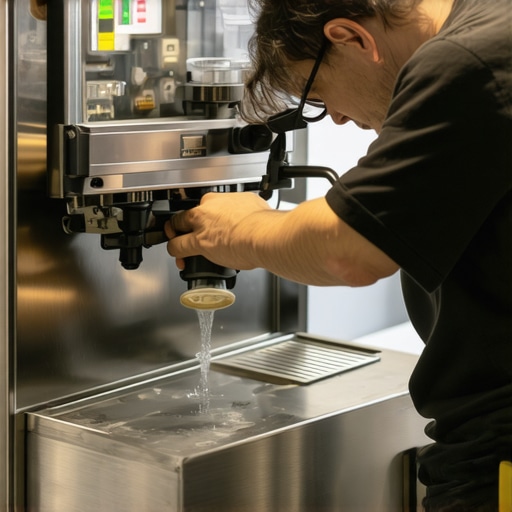
Start by unplugging your espresso machine and opening the service panel, usually at the back or side. Use a flashlight to identify the small, spring-loaded component connected to the pump assembly—this is your hidden valve. During my first attempt, I used a small screwdriver to gently lift the cover and get a clear view. Ensuring the machine is completely off prevents accidental activation. Once located, prepare a clean cloth to catch any drips or debris.
Clean the Valve Thoroughly
Next, disassemble the valve carefully using a set of precision screwdrivers. Remove any clogs, mineral buildup, or old gasket material with a soft-bristled brush and descaling solution if needed. I once neglected this step and found the noise persisted; after a careful clean, the vibrations and sound reduced significantly. Remember, buildup of calcification can clog the tiny passages, so be meticulous. For stubborn deposits, soak parts in a vinegar solution for 10-15 minutes, then rinse thoroughly.
Check for Damage and Replace if Necessary
Inspect the valve components for cracks, tears, or deformation. If the seal or spring looks worn or damaged, order a replacement part from your machine’s manufacturer. When I replaced my worn gasket, I used a similar-sized O-ring from an automotive store—this saved time and money. Be sure to apply a light coat of food-grade lubricant on the new gasket for a snug fit. Reassemble the valve, ensuring all parts are seated properly to prevent leaks and noise.
Reinstall and Test Your Machine
Mount the cleaned or new valve back into its housing securely. Double-check all screws and connections. Before plugging in, verify that the gasket and all parts are aligned correctly. Power on the machine and run a short test brew. Listen carefully—if the noise has diminished or disappeared, you’re on the right track. Sometimes, slight adjustments to pressure settings or re-tightening connections can help resolve residual vibrations.
Make Fine-Tuning Adjustments
If minor noise persists, revisit the pressure valves or check for internal air pockets that might be affecting flow. The tiny air pocket inside your espresso pump can mimic a malfunctioning valve, so consider performing a simple pump purge to dislodge trapped air. Additionally, inspecting the pump’s mounting and securing loose screws can reduce vibrations that amplify noise. In one instance, I found a loose motor mount; tightening it made the machine almost silent.
Final Checks and Preventative Maintenance
Regular maintenance includes cleaning valves every 3-6 months and replacing worn gaskets promptly. Use filtered water to prevent mineral buildup that can clog internal components. For detailed cleaning routines, see this guide on cleaning boiler interiors. Keeping the valve in pristine condition not only reduces noise but also ensures consistent pressure, leading to better espresso extraction every time. Remember, a squealing or hissing machine signals it’s time for a check—address it before bigger issues develop.
When it comes to perfecting your home espresso setup, many enthusiasts rely on popular beliefs that often miss the mark. A frequent misconception is that upgrading to the latest high-end coffee grinder automatically guarantees better extraction. In reality, the grinder’s burr alignment and grind consistency are far more critical factors than brand prestige alone. According to expert baristas, a well-maintained mid-range grinder with properly calibrated burrs often outperforms expensive models that haven’t been tuned. Additionally, a common trap is believing that more expensive espresso machines produce superior shots without considering proper technique and regular maintenance. Even premium machines can underperform if their internal components, like group gaskets or valves, are neglected. For instance, overlooked issues with the steam wand or boiler can lead to persistent leaks or temperature inconsistencies, sabotaging your brew.
Are All Accessories Created Equal for Advanced Users?
Many advanced users assume that investing in specialized accessories like precision baskets, high-precision scales, or custom PID controllers guarantees perfect results. However, an often-overlooked nuance is the importance of mastering core skills, such as distributing grounds evenly or maintaining optimal tamping pressure. Failing to address these fundamentals can negate the benefits of high-tech gear. Studies from industry experts highlight that technique and routine maintenance are crucial; equipment is only as good as its user. For example, using freshness management and proper grinder calibration play a significant role in achieving consistent quality. Moreover, many enthusiasts underestimate how internal variables—like calcified valves or worn coffee grinder burrs—can subtly alter performance over time. Regularly checking and refining these components ensures your gear performs at its best, rather than relying solely on new investments.
Don’t Fall for the Noise Trap
Noise levels in espresso machines are often perceived as a sign of quality, but this is misleading. A louder machine isn’t necessarily more efficient; instead, it might be indicative of internal issues like faulty valves or loose mounts. Conversely, a very quiet machine requires thorough inspection to confirm that performance isn’t compromised. Noise can also stem from internal air pockets or clogged components—problems that, if ignored, can eventually cause damage or inconsistent shots. Regularly addressing these nuances by performing routine checks, like calibrating pressure and cleaning valves, helps maintain longevity and ensures quiet, reliable operation.
In the end, understanding these hidden nuances—the significance of proper maintenance over mere upgrades, precise technique over expensive gear, and listening beyond the noise—can elevate your home barista game. Remember that mastering core principles often yields more rewarding results than chasing equipment myths. Have you ever fallen into this trap? Let me know in the comments.
Keep Your Equipment in Top Shape with Precision Tools
Maintaining your coffee gear isn’t just about quick cleans; it’s about investing in high-quality, purpose-built tools that make routine tasks effortless. For instance, I personally rely on a dedicated portafilter brush with stiff bristles, which I use daily to scrub residual coffee oils from the basket and gasket surfaces. This simple tool prevents build-up that can affect shot quality and ensures the resale value of your machine stays high.
Similarly, a group head brush with a silicone grip helps remove stubborn coffee residue without scratching delicate surfaces, reducing the risk of leaks or uneven temperature distribution. Investing in a precision screwdriver set allows me to perform gasket replacements swiftly, reducing downtime and keeping my machine sealing tightly to prevent leaks or pressure drops.
Tools I Use for Consistent Results
For grinding consistency, I swear by a digital caliper to verify burr alignment after replacing or calibrating my grinder. Consistent burr spacing directly impacts extraction quality, and this simple measurement prevents guesswork. Furthermore, a cleaning kit with descaling solution and brushes ensures my espresso machine remains free of mineral buildup, extending its lifespan and maintaining stable temperature profiles.
The Role of Technology in Maintenance
In the current trend, smart sensors and data logging tools are becoming invaluable. Devices like the espresso thermometer with Bluetooth connectivity help monitor boiler temperature fluctuations in real-time, alerting me to potential issues before they impact shot quality. As automation advances, I predict a future where machine diagnostics are integrated into apps, providing step-by-step guidance to troubleshoot issues such as water hardness problems that can shorten component life.
How do I maintain my gear over time?
Consistent maintenance hinges on creating a routine that incorporates checking seals, lubricating moving parts, and replacing worn components proactively. Setting a monthly schedule for cleaning and inspecting tools keeps everything performing optimally. For example, replacing old group gaskets every 6-12 months prevents pressure leaks, and cleaning your grinder burrs after every couple of kilos prevents static buildup that can hinder grinding accuracy.
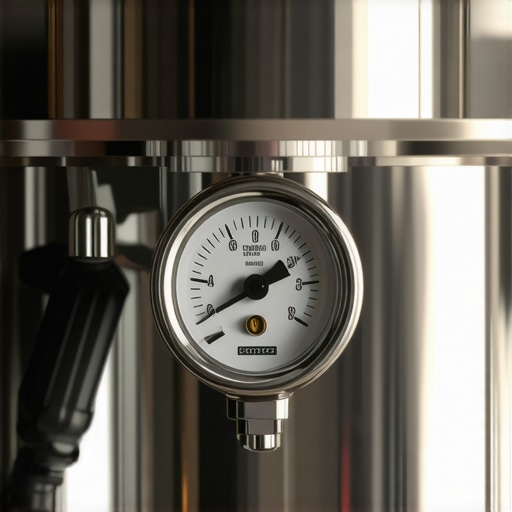
Don’t forget, smart maintenance isn’t static. Embracing new tools like vibration dampeners or pressure gauges can provide insights that translate into better shots and longer equipment life. By staying ahead with these focused tools and routines, you’ll not only extend the lifespan of your gear but also elevate your barista skills beyond the average enthusiast—try calibrating your grinder with a digital caliper today for precise results.
The Hard-Won Wisdom That Transformed My Home Brewing
One of the most profound lessons I learned was that routine maintenance of internal components—especially valves—is essential for consistent, quiet operation. Neglecting these tiny yet critical parts often leads to unpredictable noise and impaired performance, which can be surprisingly disheartening. Over time, I discovered that investing time in understanding and caring for these hidden elements not only silenced my machine but also elevated my espresso quality beyond initial expectations. It’s a reminder that mastery in home espresso is as much about attention to internal details as it is about the beans or grind size.
My Go-To Resources for Deepen My Espresso Wisdom
Among the invaluable tools I rely on are specialist guides such as instructions on revitalizing stale beans, which often affect my flavor consistency and milk frothing. The step-by-step gasket replacement guide has saved me countless hours and money, ensuring my machine stays sealed and functional. Additionally, insights into pump maintenance have been instrumental in diagnosing noise issues related to internal air pockets. These resources have become my trusted companions, helping me maintain top performance without guesswork or costly repairs.
Embrace the Journey: Perfecting Your Barista Skills
Remember, your pathway to stellar espresso isn’t just about high-end equipment or fancy accessories; it’s about fostering curiosity and routine discipline. The moment you start routinely inspecting and maintaining internal components—like your valves and gaskets—you’re practicing craftsmanship that ensures every shot is as good as it can be. Take pride in these small acts of care, because they create a ripple effect—improving taste, reducing noise, and extending your machine’s lifespan. So, why not make this your next step today? Your future self will thank you for the quiet mornings and consistent results. What small maintenance task will you prioritize this week? Share your plan below, and let’s elevate our home barista game together.