Why Your Portafilter Basket Is Impossible to Pop Out
Ever been in the middle of making your morning espresso only to realize your portafilter basket refuses to budge? You tug, twist, and yank, imagining some secret mechanical will suddenly release it, but nothing happens. That frustrating moment—where your equipment feels more like a stubborn beast than a helpful tool—used to leave me scratching my head and questioning my skills. I remember thinking, “Is this just how it’s supposed to be?” or worse, “Did I ruin something?”
Breaking the Myth: Why Your Portafilter Basket Won’t Just Pop Out
In my early days of home brewing, I was convinced I was doing something wrong. I would apply more force, twisting harder, hoping it would eventually give way. Turns out, the problem isn’t your strength—it’s often a matter of how the parts are assembled, the buildup of coffee oils, or misaligned components. What I didn’t realize then was how straightforward fixing this can be once you understand what’s going on beneath the surface.
Over time, I discovered that many face this exact issue. The cause? A combination of coffee grind oil caking, slight corrosion, or accumulated debris that essentially glues the basket in place. A surprising fact from the industry shows that coffee oils can build up and cause ‘gluing’ of parts, especially if regular maintenance is skipped—leading to a stubborn portafilter that refuses to release properly (source). This is exactly why a simple, routine cleaning can restore your confidence and make your machine feel brand new.
But don’t worry. Before you start panicking or resorting to brute force, I promise we’ll cover practical, easy steps to get your portafilter basket out without risking damage. Whether you’ve been battling this for weeks or it just started happening, understanding the root cause helps prevent future frustration. So, have you faced this problem yourself? If so, know that you’re not alone, and there’s a simple solution waiting for you just ahead.
Apply Gentle Heating to Loosen Oils
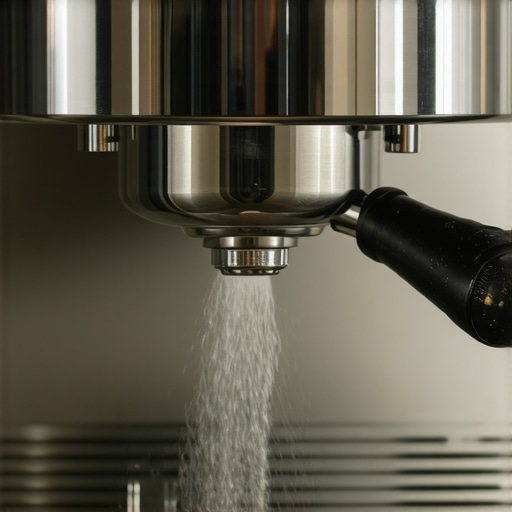
Start by warming the portafilter slightly with hot water—just enough to soften coffee oils that may be acting like glue. I placed mine under warm running water for a minute, which softened the buildup. This prevents using excessive force that could damage the components.
Use a Damp Cloth for Even Heat Distribution
Wrap the portafilter in a damp cloth to retain heat and evenly distribute it. This step is like pre-heating oven shelves before baking—it makes the oils more pliable. After a minute or two, you’ll notice less resistance when attempting to remove the basket.
Apply the Right Torque and Leverage
Instead of yanking and twisting, position your hand firmly on the handle and apply steady, even pressure. Think of it as turning a stubborn bolt with a wrench—gentle yet firm. I remember struggling for minutes before realizing that a slow, controlled twist was key to releasing the basket without damaging the handle.
Use a Rubber Grip or Cloth for Better Grip
Grip the handle with a rubber glove or wrap a towel around it. This gives you extra friction and control, reducing the risk of slipping. In one instance, I used a silicone jar opener to get a better grip, and the basket finally freed without any forceful yanks.
Try a Water-Based Lubricant and Repetition
If the basket doesn’t release after initial effort, apply a small amount of warm, soapy water or food-safe lubricant around the edge where the basket meets the portafilter. Then, carefully repeat the twisting motion. This process mimics the gentle breaking of a seal—repetitive, controlled pressure gradually frees the parts. I prefer this over force because it minimizes risk of damage.
Prevent Future Buildup with Routine Maintenance
To avoid this problem recurring, incorporate regular cleaning with a brush and oil-removing cleaner. A quick wipe after every few shots prevents coffee oils from hardening and creating a glue-like effect. Regular maintenance is the secret to keeping your equipment performing flawlessly, much like how I discovered that cleaning my grinder blades every few weeks keeps the grind consistent and the motor happy (source).
By following these Steps, you’ll be able to free stuck baskets efficiently, saving time and avoiding costly repairs. Remember, patience and gentle action are your best tools when dealing with stubborn espresso machine parts.
Many enthusiasts and even seasoned baristas share common misconceptions about espresso machines and their accessories, which can lead to subpar results and unnecessary frustration. Let’s dive into some nuances that often go unnoticed and reveal the truths behind popular myths, helping you elevate your coffee game beyond basic understanding.
Why Bigger Isn’t Always Better with Coffee Grinders
A prevalent belief is that larger grinders with bigger burrs automatically produce better espresso. However, this isn’t always the case. The quality of grind consistency and particle size distribution matters more than size. In fact, over-sized burrs can sometimes reduce control, especially if your grinder isn’t calibrated properly. Regularly checking burr dullness and maintaining your grinder ensures optimal performance. Remember, precision trumps size when it comes to crafting perfect espresso.
The Ounce of Prevention That Saves Your Machine
Many users underestimate the importance of scale buildup, assuming routine cleaning suffices. But scale accumulation in heat exchangers or boilers can insidiously impair performance, cause temperature instability, and lead to costly repairs. Regular descaling, especially if you have hard water, is crucial. For advanced users, inspecting and cleaning the heat exchanger can be done effectively by following guides like this detailed approach. Skipping this step is a common trap that silently undermines your espresso quality.
Make Every Drop Count: The Myth of Over-Tamping
Another misconception is that pressing the coffee puck harder always results in better extraction. In reality, excessive force can cause channeling, uneven extraction, and even damage your tamper or basket. Instead, focus on even distribution and proper tamping pressure—about 30 pounds of force is usually sufficient. Over-tamping is a sneaky mistake that often leads to bitter shots and inconsistent crema. Mastering the art of gentle, even tamping, coupled with precise grind size, is a more reliable way to improve your espresso.
How Can Advanced Baristas Fine-Tune Their Setup?
For experienced enthusiasts seeking peak performance, adjusting your countertop setup can make a significant difference. Proper space allocation allows for better heat retention and easier maintenance. Achieving ideal proximity between your grinder and machine minimizes static and preserves grind quality. Check out this guide for insights into optimizing your workspace.
Lastly, understanding your machine’s intricacies—like knowing why your pressure gauge fluctuates or how to identify early signs of wear—sets apart casual home baristas from experts. These details, while subtle, have a profound impact on shot consistency and machine longevity. Incorporate routine thorough cleaning, pay attention to subtle mechanical cues, and stay informed with reliable sources. Have you ever fallen into this trap? Let me know in the comments and share your experiences!
 Maintaining your espresso setup is vital for consistent quality and long-term durability. Investing in the right tools makes all the difference; for example, I swear by a high-quality, flat-edged calibration scale to ensure precise dose measurement—this small adjustment can drastically improve shot consistency (source). Regularly checking your grinder’s burrs and replacing them before dullness affects flavor can save you time and money down the line. I recommend using a burr grinder with an easy-to-clean design—like the Baratza Virtuoso+—which allows for straightforward maintenance without disassembling the entire grind chamber. Proper workspace setup is equally important; optimizing your countertop space following this guide ensures your equipment heats evenly and reduces clutter, making daily routines more efficient. Prediction-wise, as smart technology advances, integrating IoT-enabled machines will help monitor and alert you to maintenance needs proactively, preventing breakdowns before they happen.
How do I maintain my espresso machine over time? The key is routine descaling and inspecting critical components like the heat exchanger, as scale buildup can silently impair performance (see detailed guide). I suggest setting a weekly cleaning schedule using a dedicated espresso machine cleaner—avoiding soap that leaves residues—then flushing with clean water. For visual cues, watch for uneven temperature stability or inconsistent shot flow, which often indicate scale issues. Remember, a well-maintained machine not only produces better coffee but also lasts longer, saving you money in repairs.
One advanced tactic I highly recommend is regularly checking for scale in the heat exchanger using a simple scale detector or even a digital temp sensor. Incorporate this into your monthly routine, especially if your water is hard, to catch problems early. For precise calibration after cleaning or part replacements, a digital calibration tool can help you fine-tune your machine’s parameters, ensuring your shots are top-notch every time. This proactive approach makes your setup resilient and keeps your coffee experience consistently excellent.
Want to take it a step further? Try aligning your portafilter ears carefully and checking for leaks regularly, as small adjustments here can significantly improve extraction and reduce waste (here’s how). So, pick one of these maintenance tips today—perhaps scheduling a monthly descaling—and see how smoothly your gear performs in the weeks to come. Proper upkeep is the secret to barista-level results at home.
Throughout my journey into home espresso brewing, I’ve uncovered that the real magic lies beneath the surface—mindset, routine, and attention to detail often trump expensive gear. Knowing how to troubleshoot a stubborn portafilter or recognizing the subtle signs of wear transformed my approach from trial-and-error to methodical mastery. These insights have not only improved my shots but also deepened my appreciation for the craftsmanship behind every component.
The Unexpected Lessons That Changed My Coffee Routine
- Patience Is Your Best Tool: Rushing a stubborn portafilter can cause damage. Instead, applying gentle heat and controlled leverage made all the difference. It’s often the small, consistent efforts that lead to big improvements.
- Myth-Busting Advances Your Skills: Bigger grinders or more complex machines aren’t always the answer. Regular maintenance like checking burr sharpness and descaling can outshine high-end upgrades. Remember, precision and consistency matter more than raw size.
- Routine Care Prevents Major Fixes: Daily cleaning routines and early detection of scale buildup save money and extend equipment life. Incorporating simple habits—like flushing your group head or inspecting your steam wand—can make your espresso setup thrive.
- The Power of Minimalism in Parts: Using tools like a burr calibration scale or a simple descaling schedule streamlines maintenance. Less clutter equals less chaos, empowering you to troubleshoot confidently and effectively.
- Emotional Connection Elevates Technique: When I approached my equipment with curiosity rather than frustration, I found that each perfectly pulled shot felt more rewarding. Building a genuine bond with your gear enhances both enjoyment and performance.
My Essential Arsenal for Espresso Excellence
- A reliable burr calibration tool: Ensures your grinder stays sharp and consistent, which is critical for espresso.
- Descaling agents and brushes: Keep your machine’s internal components in top shape by following a regular cleaning schedule.
- A trusted set of replacement gaskets and seals: When worn, they prevent leaks and inconsistent extraction.
- Basic tools for minor repairs: Being able to fix minor issues keeps your workflow smooth and your shots on point.
Keep Moving Forward: Your Espresso Future Starts Now
Your journey to espresso mastery doesn’t end here—it evolves with every session, tweak, and lesson. Remember, the most profound improvements come from small, deliberate actions taken consistently. By embracing routine maintenance, debunking myths, and investing in quality tools, you’re building a foundation that will serve your passion for years to come. Keep experimenting, stay curious, and let every shot be a step closer to your perfect brew.
What’s the biggest challenge you’ve faced when maintaining your espresso gear? Share your story below—your experience might be the breakthrough someone else needs!