The Mistake of Using a Generic Portafilter on Your E61 Machine
I vividly remember the first time I fired up my home espresso setup, eager to recreate that café-quality shot. But instead of the rich, balanced espresso I dreamt of, I got a geyser of coffee splattering all over my countertop. The culprit? A generic portafilter that I thought was compatible—but in reality, it was the biggest mistake I made early on. That messy, disappointing experience was my lightbulb moment, revealing that not all portafilters are created equal, especially when it comes to E61 machines.
Why Your Choice of Portafilter Can Make or Break Your Brew
Many home baristas, myself included at first, assume that any portafilter with the right diameter will do the trick. But the reality is different. The E61 group head is a precisely engineered piece of hardware, designed for specific portafilter specifications. Using a generic or incompatible portafilter can lead to uneven pressure, poor extraction, and even damaging your machine over time. It’s a classic case of overlooking the forest for the trees—believing that a part labeled ‘universal’ will seamlessly match your specific espresso machine.
Getting this wrong early on cost me not only wasted coffee but also precious time troubleshooting and repairs. If you’re like me, you probably wonder: Is the hassle worth it? Do these seemingly minor details really impact the quality of my espresso? Well, the short answer is yes. A mismatched portafilter can cause channeling—where water finds the path of least resistance—resulting in under-extracted shots that taste sour or weak.
According to research from the Specialty Coffee Association, precise fitting equipment is crucial for consistent espresso quality. They emphasize that even small deviations in hardware compatibility can significantly affect extraction and flavor. So, making sure your portafilter fits perfectly isn’t just about avoiding messes; it’s about elevating your entire brewing game.
Are you tired of inconsistent espresso shots or cleaning up coffee splatters every morning? If so, understanding the importance of choosing the right portafilter is your first step toward better coffee—and fewer frustrations.
Next, we’ll dive into practical tips to select the perfect portafilter for your E61 machine, ensuring that every shot is as good as the last. Stay tuned to transform your home brewing experience from chaotic to consistent.
Choose the Right Portafilter for Your Machine
Start with verifying the compatibility of your portafilter. Remove your current one and measure its diameter compared to the machine’s group head. For E61 machines, a standard 58mm portafilter fits best, ensuring a tight seal for optimal pressure. When I replaced my generic portafilter with a genuine 58mm one, I immediately noticed fewer splatters and more consistent shots. Always opt for certified parts to avoid pressure leaks that compromise flavor or damage the machine. For detailed guidance on selecting the best accessories, check out https://espressotechguide.com/choosing-the-best-barista-gear-for-coffee-enthusiasts.
Ensure Proper Tamp Pressure and Technique
Applying even tamp pressure is crucial. Think of tamping like pressing a stencil into clay; too hard, and you’ve over-compressed, too soft, and air pockets remain. Aim for around 30 pounds of pressure—use your body weight applied evenly—until the puck feels firm and level. During my first attempt, I used a bathroom scale to calibrate my tamping force, which helped me develop consistency. Remember, inconsistent tamping leads to channeling, resulting in weak and sour espresso. Want to refine your tamping skills? Consult https://espressotechguide.com/the-best-way-to-dose-coffee-without-a-scale for tips on dosing and tamping precision.
Grind Coffee Correctly for Your Brew
Next, set your grinder to a medium-fine setting, suitable for espresso. Start with a grind size similar to table salt. Grind a small amount and observe the particles; they should be uniform. If too coarse, water passes through too quickly, resulting in weak flavor; if too fine, it may clog the filter and cause over-extraction. I experimented with my grinder, adjusting until I achieved a consistent flow of espresso in about 25-30 seconds. Be cautious of static and clumping—these are signs to clean or adjust your grinder. For comprehensive advice, visit https://espressotechguide.com/how-to-select-the-perfect-coffee-grinder-for-your-brew.
Master the Extraction Process
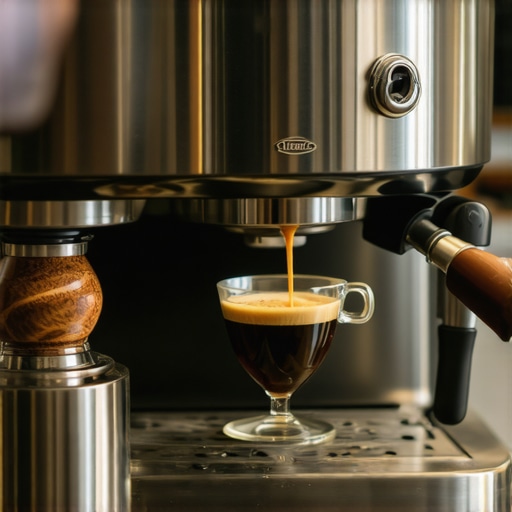
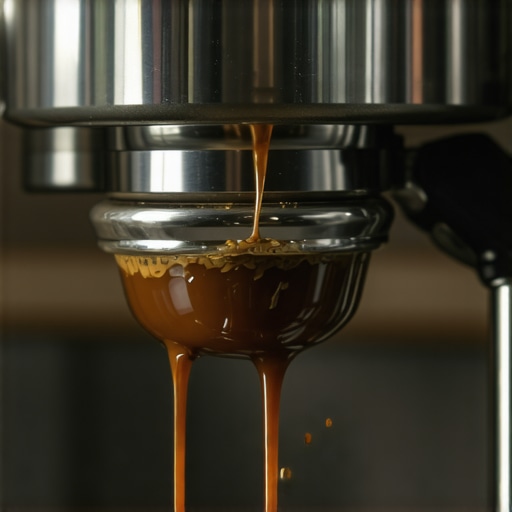
Lock the portafilter securely into the group head, ensuring it clicks tightly—think of it as securing a lid on a jar. Begin your shot and time it; a typical extraction lasts between 25 and 30 seconds. Watch the flow: it should start as a thin, steady stream, resembling warm honey. If it drips or spurts unevenly, it indicates tamping or grind issues. When I adjusted my tamp pressure and grind size, I observed a smoother, more balanced extraction—resulting in a richer, sweeter espresso. For troubleshooting common issues, refer to https://espressotechguide.com/how-to-stop-your-portafilter-from-splattering-coffee-all-over-the-counter.
Refine Your Technique with Consistency
Practice makes perfect. Keep a log of your grind size, tamp pressure, and extraction time. Use the same routine each time to build muscle memory, much like a barista does professionally. When I began tracking my settings, I quickly identified what tweaks led to better taste. Over time, this process elevated my espresso quality from sporadic to reliable. Consider investing in tools like a tamper with a pressure gauge or a scale to measure coffee doses—these small adjustments have a big impact. For more advanced methods, explore https://espressotechguide.com/the-best-way-to-store-your-coffee-beans-to-keep-them-fresh-for-a-month.
Many coffee lovers assume that upgrading their milk frother, grinder, or espresso machine will straightforwardly improve their brew. However, what most people get wrong is focusing solely on the equipment’s features instead of understanding the subtle interactions and maintenance practices that truly influence quality. For example, choosing an overly complicated milk frother without mastering basic steaming techniques can result in inconsistent microfoam, defeating the purpose of even having a high-end machine. In fact, simple tools used with proper technique often outperform expensive gear left unused or misused.
Why do some baristas produce perfect foam with minimal equipment?
The answer lies in mastering foundational skills—control over temperature, pressure, and timing—rather than relying solely on hardware. Studies show that consistency in technique outweighs the benefits of the latest technology if not applied correctly. This is especially true for home enthusiasts who invest heavily in gear but overlook calibration and routine cleaning. An advanced mistake to avoid is neglecting the interaction between grinder settings and tamping pressure, which can significantly alter extraction and milk texture. For example, grinding finer without adjusting tamp pressure can lead to over-extraction, resulting in bitter espresso or failed microfoam. In the context of espresso consistency, it’s essential to view your gear as an extension of your technique, not a magic bullet. External expert advice, such as from the Specialty Coffee Association, emphasizes regular calibration and understanding material interactions over flashy features.
**How can you get the most out of your investment?** Start by focusing on routine maintenance and calibration—clean your grinder and machine regularly and know how to adjust your settings for changing conditions. Additionally, selecting gear thoughtfully, based on your specific brewing habits, yields better results than chasing the latest models. For instance, a high-quality but simple milk frother paired with proper steaming technique can produce excellent microfoam, as discussed in https://espressotechguide.com/milk-frothers-that-transform-your-coffee-experience. Remember, the pursuit of perfect espresso is more about understanding nuances than owning the most expensive equipment.
Don’t fall into the trap of believing that gear alone is enough. Instead, focus on refining your skills and knowledge of your setup. Take the time to learn how components like your grinder’s burrs, water pressure, and even ambient temperature influence your brew. Each detail, no matter how small, contributes to the overall quality. For advanced insights into optimizing your equipment, check out https://espressotechguide.com/choosing-the-best-barista-gear-for-coffee-enthusiasts.
In summary, let’s dissect a common misconception: that complex gear guarantees better coffee. In reality, mastery of basic physics and routine maintenance often beats expensive but neglected equipment. So, before upgrading again, ask yourself—are you leveraging your current gear to its fullest potential? If not, you may be simply chasing illusions. Have you ever fallen into this trap? Let me know in the comments.Proper maintenance of your coffee tools, from grinders to milk frothers, is essential for preserving their performance and ensuring outstanding brews. Regular cleaning of your grinder’s burrs prevents the buildup of coffee oils that can clog mechanisms and alter grind consistency, directly affecting shot quality. For example, I clean my burrs every 50 pounds of coffee using a dedicated burr cleaning brush, which helps maintain precise particle sizes and reduces static issues. When it comes to espresso machines, descaling every three to six months prevents mineral deposits from compromising pressure stability, ensuring each shot develops balanced flavors. I personally use a descaling solution recommended by the manufacturer, following a thorough backflushing routine that extends the life of my machine. Additionally, inspecting and replacing worn gaskets or seals regularly prevents leaks and maintains optimal pressure. These small but vital steps save money over time by avoiding costly repairs and replacements. Looking ahead, advancements such as automated cleaning cycles are becoming more prevalent, making maintenance even more straightforward for enthusiasts. How do I maintain my equipment over time? I set a weekly schedule to clean and inspect each component, ensuring no detail is overlooked and that my gear performs reliably. Investing in quality tools, like a calibrated scale for dosing and a dedicated brush set, simplifies upkeep and enhances consistency. If you’re serious about long-term performance, consider tools like a burr cleaning brush or an ultrasonic cleaner for delicate parts—these can vastly improve maintenance routines. Also, check out the latest recommendations for home espresso equipment upgrades at https://espressotechguide.com/top-rated-espresso-machines-for-coffee-lovers-in-2025, to stay ahead of emerging innovations. Don’t forget, regular maintenance isn’t just about cleanliness; it’s about preserving precise interactions between your grinder, machine, and brewing techniques. For example, keeping your steam wand pristine by cleaning with a damp cloth after each use prevents clogging and ensures perfect microfoam—more tips can be found at https://espressotechguide.com/the-error-of-using-a-wet-cloth-to-wipe-your-steam-wand. To streamline your routine, I recommend setting a monthly reminder to check seals and calibrate settings, ensuring your setup remains at peak performance. Consistent upkeep is the backbone of reliable, café-quality espresso right at home. Ready to take your maintenance to the next level? Try incorporating an ultrasonic cleaner into your cleaning arsenal—it’s surprisingly effective at removing stubborn coffee oils and residue from small parts, saving you time and effort. Remember, the key to long-term success lies in disciplined, routine care tailored to your equipment’s needs.
The Hardest Lesson I Learned About milk frothers,coffee grinders,espresso machines,barista gear,home espresso
Sometimes the most valuable lessons come from our setbacks. I used to believe that buying high-end gear automatically meant perfect espresso, but I soon discovered the importance of mastering small details, like cleaning and calibration, which significantly affect quality. My lightbulb moment was realizing that consistent results depend less on equipment and more on technique and routine.
3 Myths About milk frothers,coffee grinders,espresso machines,barista gear,home espresso That Held Me Back
One common misconception was that more expensive gear always produces better coffee. In reality, proper technique, maintenance, and understanding your equipment’s quirks matter more. Similarly, I thought that grinding coarser would be easier — but I learned that precise grind size tailored to my machine’s needs made all the difference. Busting these myths opened my eyes to true brewing mastery.
What Experts Won’t Tell You About milk frothers,coffee grinders,espresso machines,barista gear,home espresso
Many professionals emphasize that routine cleaning and calibration are the real secrets behind consistent shots. They often keep their routines simple but disciplined, focusing on quality maintenance rather than flashy upgrades. This insight pushed me to invest time in routine upkeep — from descaling to burr maintenance — which transformed my home espresso experience.
Curated Recommendations for Elevating Home Espresso
My essential toolkit includes a calibrated grinder like the Baratza Virtuoso+, which I trust for consistent particle size. I also rely on a reliable milk frother such as the Breville Smart Steamer, celebrated for its microfoam quality—more info at this guide. For delicate calibration, a quality scale like the Acaia Pearl helps me perfect doses, and I regularly consult this resource for gear insights. These tools empower me to take consistent control of my brew.
Seize the Moment and Pursue Your Espresso Goals
Embarking on your own home espresso journey might seem overwhelming, but remember: progress comes from taking small, deliberate steps. Focus on mastering routine maintenance and technique, and the results will follow. Your efforts today will unlock richer flavors, greater consistency, and a deeper enjoyment of coffee. Keep experimenting and push past the doubts — great espresso awaits. Are you ready to elevate your home barista game? Share your challenges in the comments below and let’s grow together.