
Why Your Coffee Shop Workflow Is Failing During the Morning Rush Hour
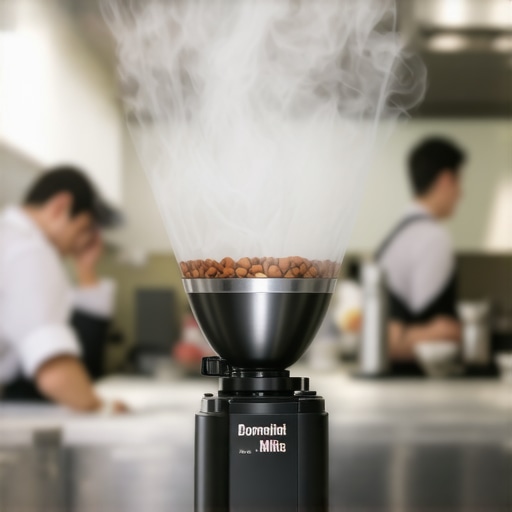
I vividly remember the chaos of a busy Saturday morning, the rush of orders piling up, steam wands hissing, grinders whirring—and then, suddenly, everything grinding to a halt. A new barista had overfilled the grinder, causing a clog that brought our entire workflow to its knees just when we needed speed the most. That moment hit me like a shot of cold espresso: if your workflow isn’t ironclad, even small mistakes can turn your busiest hours into a mess.
Getting Stuck in the Grind: The Hidden Pitfalls of Coffee Shop Chaos
Every seasoned barista knows the struggle. It’s not just about pulling shots; it’s about orchestrating a seamless ballet of grinders, espresso machines, and milk frothers—all while managing a tide of impatient customers. But what if I told you that much of this chaos is avoidable—not by working harder, but by understanding the real reasons behind workflow breakdowns during peak hours? My early days were riddled with false fixes—like constantly cleaning the group heads or rushing maintenance—which only added to the confusion. The truth is, real efficiency comes from identifying and fixing the small, often overlooked issues.
Are you tired of those mornings where everything seems to go wrong no matter how much you prepare? If so, you’re not alone. Many coffee shops battle with similar issues, often caused by overlooked details like grinder calibration or equipment maintenance.
According to a recent study, proper grinder maintenance can improve shot consistency and speed by up to 30%, drastically reducing bottlenecks during rush hours. This isn’t just a theory; it’s a proven fact that small tweaks can make massive differences.
In the sections ahead, we’ll uncover practical, proven strategies—rooted in real-world experience—that will transform your chaotic mornings into smooth, confident operations. Ready to reclaim your busiest hours? Let’s dive into the steps that will make your workflow reliable and your customers happier than ever.
Calibrate Your Grinder Regularly for Consistent Results
Front and center in efficient coffee prep is a well-calibrated grinder. Think of it as tuning a guitar; a slight adjustment can dramatically improve your tone—or in this case, your shot quality. I remember once neglecting to calibrate after cleaning my grinder, leading to uneven grounds and erratic extraction. To fix this, remove the hopper and use a calibration tool or reference to set the burrs at the recommended grind setting. Test by pulling a shot; if it’s too sour or bitter, tweak accordingly. Learn more about calibrating scales and grinders.
Maintain Equipment for Reliability and Speed
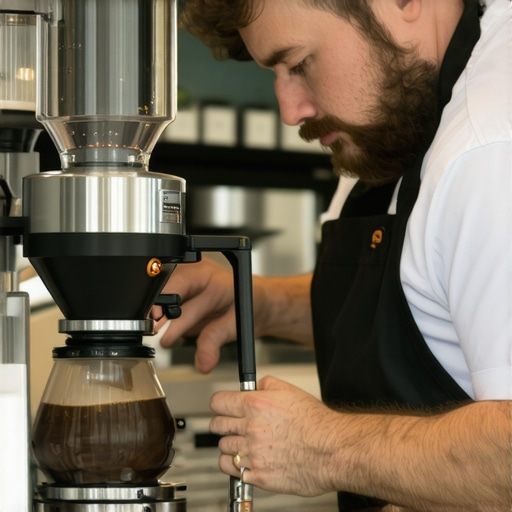
Reliability comes from proactive maintenance. Start with your espresso machine; descaling every 3-6 months prevents mineral buildup, which can clog internal channels. For your grinders, inspect burrs at least every 200-300 pounds of beans; dull burrs slow down the process and cause uneven grinding. Remember, replacing dull burrs can increase grind consistency and reduce brew time by up to 30% (see signs of dull burrs). Schedule routine checks to avoid unexpected breakdowns.
<  >
>
Optimize Your Workflow with Organized Setup
Arrange your workspace to minimize movement. Place your grinder, tamper, portafilter, and knock box within arm’s reach. During a busy shift, scrambling for tools slows everything down. Use labeled containers for beans, filters, and cleaning supplies. I once saw a fellow barista spend valuable minutes searching for a tamper, causing a backlog. Since then, I organized my station with magnetic holders and dedicated drawers. This setup saves seconds per task, which compounds during rush hours—think of it as setting your gear for a race.
Streamline Your Milk Frothing for Faster Turns
Milk steaming can be a bottleneck if not handled smoothly. Use a thermometer to master your ideal steaming temperature—around 150°F (65°C)—to prevent overfatiguing your arms and ruining the microfoam. The key is to submerge the steam tip just beneath the surface of the milk, then slowly lower the pitcher to incorporate air. Once you achieve glossy, velvety microfoam, the process becomes quicker and more consistent. For a quick tip, pre-warm your pitchers with hot water; this helps heat transfer and stabilizes the milk temperature, speeding up the frothing. See more milk frothing tips.
Train and Standardize Your Team’s Protocols
Human error is inevitable, but standardization drastically reduces variability in quality and speed. Create detailed checklists for each step—cleaning, calibration, tamping, espresso extraction, milk frothing—and train every team member consistently. I once implemented a timed practice where each barista learned to pull a shot within 25 seconds while maintaining quality, which improved overall throughput. Use visual aids or quick-reference cards placed near equipment to reinforce procedures. This approach ensures everyone works with the same rhythm, reducing delays during high-volume periods.
Use Metrics to Track and Improve Performance
Identify bottlenecks by measuring key factors: shot times, grind consistency, milk temperature, and cleaning routines. For instance, regularly checking shot times can help spot equipment or technique issues early. Invest in a digital scale to accurately measure doses; misdosed coffee can extend extraction times unnecessarily. Maintaining a performance journal or digital log can reveal patterns over days or weeks, enabling targeted adjustments. Remember, small improvements compound into a smoother operation, akin to fine-tuning a machine for maximum efficiency. For detailed calibration tips, see calibrating your espresso scale.
Many enthusiasts and even seasoned baristas fall prey to common misconceptions about coffee grinders, espresso machines, and frothers, leading to subpar results and frustration. One prevalent myth is that expensive gear automatically guarantees perfect coffee. However, in my experience, high-end equipment requires equally high levels of maintenance and understanding to truly shine. For instance, a top-tier espresso machine can underperform if not regularly descaled or if its pressure systems aren’t calibrated correctly. Choosing the right gear involves more than just price tags; it demands knowledge of its nuances and upkeep.
Why does neglecting grinder calibration ruin your shot quality?
It’s a common mistake to assume that once you’ve set your grinder, it can stay that way indefinitely. But burr wear, bean oils, and environmental factors cause grind size to drift over time. Without recalibration, you risk inconsistent extraction, leading to sour or bitter flavors. Regular calibration—using methods outlined in this guide—can preserve shot consistency and protect your investment. Overlooking this step is like tuning a guitar once and never again—performance suffers gradually and silently.
Another widespread misconception is that larger frothers always produce better foam. In reality, not all frothers are created equal. Some handheld models lack the power to create microfoam essential for latte art, leading users to overwork their milk or use excessive heat, which degrades flavor. Choosing the right frother, such as an electric steamed milk pitcher, can make a noticeable difference in texture and speed—saving you time and improving your coffee experience.
Are home espresso machines as risky as many believe?
There’s a misconception that home espresso setups are complicated, fragile, or prone to breakdowns. While gear selection matters, digital savvy and proper maintenance are the keys to longevity. Regular descaling, cleaning group heads, and understanding pressure profiling can elevate home brewing from mediocre to barista-quality. For beginners, mastering basic techniques combined with well-chosen equipment makes the process less daunting and more sustainable.
Finally, many overlook the importance of upgrading their gear over time. Continuously refining your setup—be it replacing dull burrs or enhancing your filtration—can keep your coffee consistently excellent and prevent costly repairs down the line.
In sum, understanding the nuances of your barista gear, debunking myths, and maintaining your equipment diligently are essential steps to achieving professional-quality coffee at home or in a shop. Don’t fall into the trap of assuming that gear alone makes the perfect brew—it’s your knowledge, care, and subtle adjustments that truly count. Have you ever fallen into this trap? Let me know in the comments.Maintaining your barista tools is the secret to reliable, high-quality coffee shots. I personally swear by a few key equipment and methods that keep my setup performing at its best, especially during the busiest rushes. For grinders, I rely on a digital calibration scale like the espresso scale calibration method. It ensures grind size stays consistent, preventing shot variability caused by burr wear or bean oils creeping in. Regular calibration—monthly or after every 50 pounds of beans—is a straightforward way to avoid surprises.
How do I maintain my tools over time?
Beyond calibration, deep cleaning is essential. For espresso machines, descaling is the foundation; I do it every three months with a distilled, scale-dissolving solution to prevent mineral build-up. For grinders, I recommend inspecting burrs at least every 200 pounds; dull burrs slow down the process and compromise flavor, as outlined here. If you notice a change in grind consistency or shot quality, it’s time to replace those burrs. Tools like a diagnostic pump noise checker can help identify issues before they turn into costly repairs. Utilizing performance metrics—such as shot time, grind uniformity, and temperature stability—is invaluable for long-term maintenance. I track each brew in a log to identify drifts early, much like how a tech-savvy barista monitors machine data. Looking ahead, smart IoT devices integrated with your espresso setup could automate some of this monitoring, providing real-time alerts for maintenance needs. Don’t neglect your milk frothers either. Pre-warming your pitchers and regularly inspecting steam tips for clogging ensure microfoam quality remains consistently silky. A quick check of the steam tip can save time and frustration during busy service. To boost your efficiency, I recommend trying the trick of using a digital thermometer to perfectly dial in your milk temperature, which speeds up frothing and guarantees velvety microfoam. Whether you’re managing a commercial setup or a home espresso station, regular attention to maintenance and employing precise tools can dramatically prolong equipment lifespan while safeguarding shot quality. Advanced baristas often schedule monthly deep cleans and recalibrations as part of their routine—don’t overlook this vital step. Investing in quality tools like precision scales and diagnostic software ensures your gear stays reliable and your coffee remains exceptional—making every brew predictable and enjoyable. Remember, consistent results stem from diligent upkeep; the better you maintain your tools today, the more remarkable your espresso will taste tomorrow. Ready to elevate your maintenance game? Start with that burr inspection and calibration, then observe how your shots improve instantly.
The Hidden Gems of Barista Wisdom That Changed Everything for Me
One of the most valuable lessons I learned was that even tiny details, like the alignment of a burr or the angle of a milk pitcher, can have outsized effects on throughput and quality. These insights didn’t come from textbooks but from late-night troubleshooting and observing seasoned baristas. Recognizing that maintenance routines, thorough calibration, and setup organization are ongoing commitments was a breakthrough. It’s these small, consistent efforts that create a resilient workflow, especially during those chaotic rush hours.
Another revelation was understanding that equipment isn’t a magic solution. It’s a tool whose performance depends on our knowledge and care. Dull burrs or neglected descaling can sabotage even the most expensive espresso machine. Embracing a mindset of proactive maintenance and continuous learning has allowed me to avoid unnecessary breakdowns and keep my coffee tasting exceptional, no matter the hour.
Finally, I’ve found that sharing these practical, experience-based lessons with my team fosters a culture of excellence. Clear protocols, checklists, and regular team training ensure everyone is aligned and confident, transforming the chaotic rush into a well-oiled symphony of coffee brewing. The most unexpected benefit? A happier, less stressed team—and customers who keep coming back for that perfect shot of espresso.
Tools That Transformed My Coffee Routine
Over the years, I’ve come to rely on a handful of trusted tools that make a real difference. A precision espresso scale calibration method helps me keep grind size consistent, preventing shot variability. Regularly inspecting burr wear and tear ensures my grinder maintains its speed and precision. For quick troubleshooting, I use diagnostic tools like a simple pin to clear blockages. These investments not only save time but also prolong equipment lifespan, making every shift smoother.
Beyond equipment, I trust resources like home barista guides that demystify advanced techniques, and my favorite online community where experienced coffee enthusiasts share real-world insights. These sources keep me inspired and grounded, especially when troubleshooting tricky issues or exploring new brewing innovations.
Take Charge and Elevate Your Coffee Game
Your coffee journey is unique, but it evolves most rapidly when you embrace the challenge and stay curious. Regularly investing time in understanding your gear, maintaining it diligently, and seeking out knowledge transforms routine brewing into an art form. Remember, the difference between a good cup and an exceptional one often lies in the small, thoughtful adjustments you make today. So go ahead—start that calibration, tidy your workspace, or experiment with a microfoam technique. The next breakthrough could be just a tweak away.
What’s the one piece of gear maintenance that finally made your coffee better? Share your story below and let’s learn together!