Why Your Commercial Grinder Is Clogging Every Single Morning
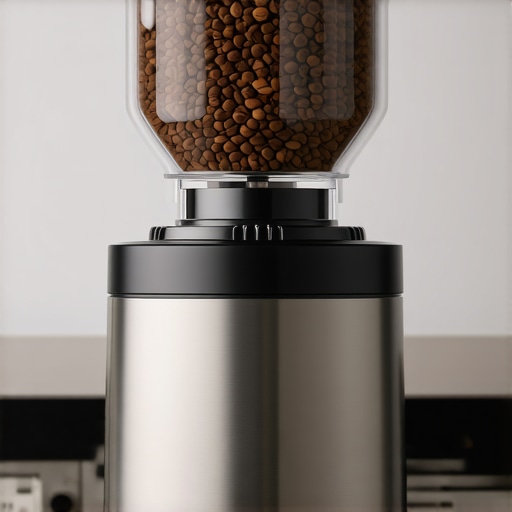
I remember the moment clearly—failing to get that perfect grind on a busy morning, only to find my commercial grinder clogged again. It was so frustrating, I started questioning everything I thought I knew about coffee equipment. Waking up to a stubborn, jammed grinder every single day isn’t just annoying; it’s a sign something’s definitely off. And honestly, I spent weeks battling this issue until I realized it was more common than I imagined.
Unraveling the Morning Mess: Why Does My Grinder Keep Clogging?
For many home baristas and small business owners, a clogged grinder can turn a smooth morning routine into a chaotic scramble. The moment you start your day, you want reliable equipment that works seamlessly. Instead, you’re met with stubborn coffee grounds jammed in the chute or burrs, causing delays and sometimes even damaging your equipment. If you’re reading this, chances are, you’ve faced this problem, feeling bewildered as to why it persists despite regular cleaning.
This repeated clogging often boils down to a few sneaky culprits. Sometimes, it’s overloading the hopper with beans that are too oily or dark roasted, which cling to the burrs and create blockages. Other times, inconsistent use of the grinder—think skipping cleaning routines or tossing in beans without considering grind size—can cause grounds to compact and jam. Early in my journey, I made the mistake of just cleaning the grinder superficially and assumed that was enough. Turns out, the devil’s in the details.
Research shows that the oils in coffee beans, especially darker roasts, have a tendency to coat the burrs and chute, leading to buildup over time. A startling fact I learned is that these oils can cause conveyor issues and clog the chute if not cleaned regularly, which is why some grinders stall after just a few hours of use (source). This is exactly why understanding the root cause is essential—simply cleaning more often might not be enough if you’re not adjusting your habits.
So, how do we break this cycle? Stay with me. Over the next sections, I’ll share the practical steps I took to keep my grinder running smoothly each morning, saving me both time and coffee beans. If you’ve ever faced the morning clog crisis, you’re in the right place. By mastering these simple yet effective habits, you’ll finally banish those stubborn jams and get back to enjoying that perfect shot of espresso without the frustration.
Clean Your Grinder After Every Use
Every morning, I learned the hard way that leaving coffee grounds inside the grinder leads to buildup and jams. I now dedicate 30 seconds after each grind to brush out residual grounds using a stiff, dry brush. I find an old makeup brush or a dedicated grinder cleaning brush works best. This simple habit prevents oils and fine particles from accumulating, reducing the risk of clogging and ensuring consistent grind size for every shot.
Use the Right Beans and Storage Practices
Dark roasts and oily beans are notorious for leaving sticky residues that clog burrs. I switched to medium roasts and stored beans in an airtight container away from sunlight and heat. Proper storage minimizes bean oils in contact with the grinder burrs. When I fetch a fresh bag, I inspect for excessive oiliness and avoid beans that are visibly greasy, which can contribute to clogging over time.
Adjust Grind Settings for Consistency
Grinding too fine or inconsistently can cause grounds to compact and clog the chute. I adjust my grinder to an optimal, medium-fine setting tailored for my espresso machine. I test by grinding a small amount; if the grounds are too powdery or clump together, I tweak the burrs accordingly. Regularly calibrating your grinder ensures that grounds flow smoothly and minimizes blockages.
Implement Routine Deep Cleaning
Besides daily brushing, periodic deep cleaning is essential. I disassemble the grinder following manufacturer instructions and use a cleaning tablet or grinder cleaning powder. I run the grinder with the cleaning medium, then brush away any residual oils. This process removes built-up oils and coffee residues that cause stubborn clogs. I perform this every 1–2 months, especially if I notice a decrease in grinding efficiency or inconsistent particle size.
Manage Coffee Grind Abundance
Overloading the hopper or tamping in too many beans at once can increase the chance of grounds jamming. During a messy morning, I once filled my hopper to the brim before realizing it was too much. Now, I fill beans in smaller batches and avoid forcing beans into the chute. Keeping the workflow steady prevents grounds from compacting and ensures smooth operation.
Address Oil Buildup When Needed
If I notice my burrs feeling sticky or grounds not flowing, I perform an oil wipe-down. I use a soft cloth dampened with a mild, food-safe solvent—like a mixture of water and a drop of vinegar—to gently clean the burrs and chute. This removes excess oils that trap particles. Following this, I run a few blanks to clear out any residues before grinding for coffee again.
Many home baristas swear by certain equipment choices or techniques, but some of the most popular beliefs are actually misconceptions that can hinder your progress. For instance, there’s a widespread myth that investing in the most expensive espresso machine guarantees cafe-quality shots. While high-end gear offers advanced features, mastering basics like grind size, tamping, and extraction time has a far greater impact on your espresso quality (source). Relying solely on price tags can lead you to overlook critical setup and maintenance habits.
Another common trap involves barista gear, especially tampers. Many enthusiasts believe that a heavy tamper automatically results in better extraction. However, excessive tamping pressure can actually cause over-extraction and bitterness. The key is applying consistent, moderate pressure—roughly 30 pounds—regardless of tamper weight, to ensure uniform puck density (source). Remember, technique trumps brute force.
When it comes to coffee grinders, there’s a prevalent idea that conical burr grinders always outperform flat burrs. In reality, both designs have their pros and cons; conical burrs tend to produce more static and are often noisier but handle oily beans better. Flat burrs, on the other hand, excel at producing consistent grind sizes necessary for precise extraction (source). Choosing the right grinder depends on your specific brewing style, not just the buzz around one type.
Let’s talk about milk frothers, a favorite accessory for many. A frequent misconception is that more powerful steam wands automatically deliver creamier microfoam. In fact, technique plays a pivotal role; controlling the position of your wand, the pressure applied, and the temperature yields better results than raw power. Furthermore, some believe that reheating milk multiple times improves its foam quality—this can cause off-flavors and will definitely ruin the delicate microfoam (source). Freshness and proper steaming are what matter most.
Advanced baristas understand that even minor details make a difference; for example, the consistency of your tamping pressure can significantly impact shot quality. Pressing too hard may cause channeling, leading to uneven extraction, while pressing too lightly results in weak flavors. Precise and even force is crucial—this is where a calibrated tamper or even a force gauge can help. By tweaking these subtle variables, you elevate your espresso game and avoid common pitfalls.
Have you ever fallen into this trap? Let me know in the comments. Remember, the gap between amateur and expert doesn’t just lie in gear but in understanding these nuanced details that define truly great coffee.When it comes to keeping your home espresso setup in top shape, having the right tools and following disciplined maintenance routines can make all the difference. I personally rely on a few key items that ensure my gear stays reliable and delivers consistently excellent coffee. First, a dedicated cleaning brush designed for grinders, like the **Barista Hustle Grinder Brush**, is invaluable for daily removal of residual grounds from the burrs and chute. It allows me to quickly clear away oils and tiny particles that can cause clogging, ensuring my grinder operates smoothly each morning.
Another indispensable tool is a **precision calibration scale**, such as the **Hario Digital Scale** with a timer function. This helps me dial in my grind settings with precision, which is crucial for maintaining optimal extraction and avoiding common issues like channeling or underextraction. Regularly calibrating my grinder and espresso shot weight keeps my routine consistent, making each cup as perfect as the last.
Beyond tools, adopting a systematic cleaning schedule is essential. I perform a deep clean of my grinder using a **specialized cleaning tablet** every month, following manufacturer instructions, to remove stubborn coffee oils and residues. This practice not only prolongs the lifespan of my grinder but also prevents flavor contamination, keeping my espresso tasting fresh and vibrant. For detailed guidance, the website emphasizes that regular maintenance of your equipment ensures long-term performance and fewer surprises on busy mornings.
On the topic of milk frothing equipment, I cannot recommend a **silicone milk frothing pitcher** with etched measurements. It provides better grip and control, allowing me to craft microfoam with consistency. Proper cleaning of the wand using a **brush with fine wire bristles**, especially targeting the tip holes, prevents clogging and ensures dry, velvety steam for every session. I revisit this routine every few weeks to stay ahead of buildup.
Looking forward, I predict that smart, app-connected maintenance sensors may become standard, alerting us when parts need cleaning or replacement. Imagine a thermometer or sensor on your steam wand that reminds you to descale based on actual usage—saving both time and coffee. Meanwhile, I encourage you to try the detailed calibration technique I swear by: weighing your puck before and after tamping to ensure consistent pressure and distribution—small actions that significantly improve shot quality and machine longevity. For guidance, check out the comprehensive tips in the Mastering Home Espresso article.
Effective maintenance may seem daunting at first, but with the right tools and routines, you can enjoy flawless espresso day after day. Don’t settle for inconsistent shots—invest in your gear, stay disciplined, and watch your coffee game elevate to new heights.
Over the years, I’ve learned that the path to consistently great espresso is lined with small lessons that often go unnoticed. One of the most impactful realizations was that maintenance and habits matter far more than expensive gear alone. These lessons became my secret weapon, elevating my coffee routine from frustrating to fabulous—and I want to share them with you.
Hidden Truths That Changed My Coffee Game
- Consistency Over Cost: Spending thousands on a high-end machine won’t fix your technique. The real magic happens when you master your routine—every grind, tamp, and extraction counts equally.
- Small Habits, Big Results: Daily brushing of burrs and routine cleaning prevent stubborn clogs and flavor tainting. It’s these tiny acts that sustain performance over time.
- Understanding Oils and Beans: Choosing beans wisely and storing them properly can cut down on oil buildup, reducing maintenance and improving taste.
- Precision Matters: Regularly calibrating your grinder with a good scale ensures each shot is a step closer to perfection, minimizing waste and frustration.
- Technique Trumps Power: Proper steaming techniques for microfoam are about finesse, not force. This revelation saved me from buying costly equipment upgrades that wouldn’t truly improve my skills.
Tools That Made a Difference in My Routine
- Dedicated grinder brush: Essential for daily upkeep, keeping grounds flowing smoothly.
- Accurate calibration scale: The secret to consistent grind size and shot quality.
- Proper bean storage containers: Preserves freshness and minimizes oil buildup.
- Regular deep-clean kits: Prevents flavor cross-contamination and mechanical issues.
Keep Your Coffee Passion Alive Today
The journey to coffee mastery is ongoing, but every small step adds up to a richer, more consistent experience. By adopting disciplined habits and understanding the nuances, you’re investing in more than equipment—you’re investing in your craft. Break free from the cycle of frustration, and let your coffee routine inspire confidence and joy each morning.
What’s the biggest barrier you face in maintaining your espresso equipment? Share your challenges below, and let’s grow together in this flavorful journey!