How to Stop Your Coffee Grinder From Clogging with Dark Oily Roasts
I remember the first time I tried pulling a shot of espresso with freshly roasted, dark, oily beans. The aroma was incredible, but my grinder? It was a nightmare. Instead of a smooth grind, I was met with a stubborn clog that refused to budge. Frustration crept in, and I wondered if I’d wasted my money on a decent grinder. That lightbulb moment made me realize something crucial: dark, oily roasts are notorious for causing grinder blockages, and understanding why is half the battle won.
Why Dark, Oily Roasts Sabotage Your Grinder’s Performance
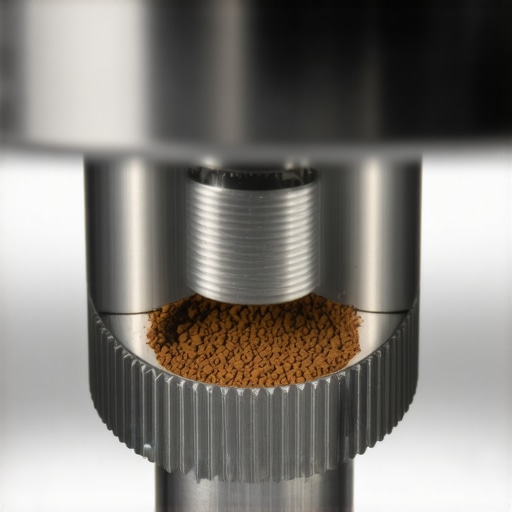
Dark, oily coffee beans might add that rich flavor profile we all crave, but they also bring a sneaky problem—oil build-up inside your grinder. When the oils from these beans accumulate, they tend to clog the grinding mechanism, especially if your machine isn’t cleaned regularly. This isn’t just a minor nuisance; it can severely impact the consistency of your grind, leading to uneven extraction and ultimately a subpar espresso.
What caught me off guard early on was a simple mistake: I thought rinsing my grinder with water would clean off the oils. Turns out, water can cause oil to seize up and harden, making the clog worse. Instead, I needed a targeted cleaning approach. The key is to understand the nature of these oils and how they behave inside your machine. Did you know that coffee oils can turn sticky and stubborn over time, leading to a buildup that’s difficult to remove without proper techniques? According to the Specialty Coffee Association, diligent cleaning of grinder burrs and chutes can significantly prolong the lifespan of your equipment and maintain optimal flavor.
If you’ve faced similar issues—beans bouncing in the hopper or inconsistent grind size—it’s time to take a closer look at your cleaning habits and maybe consider some practical solutions. The good news is, with a bit of know-how, you can keep your grinder running smoothly, even with oily dark roasts. Let’s dive into how you can troubleshoot and prevent those stubborn clogs so you can enjoy flawless espresso every time.
Clean Your Grinder Regularly to Prevent Oil Accumulation
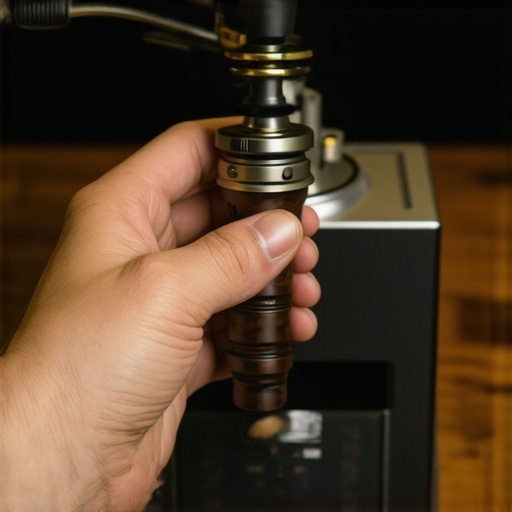
Start by disassembling your grinder’s burrs and chute, then use a stiff brush or dedicated grinder cleaning brush to remove residual oils and coffee particles. For stubborn grease, run a cleaning cycle with grinder cleaning pellets or rice—these absorb oils effectively. I once took apart my burr set, cleaned every nook, and ran a batch of rice through before reassembling; the result was a noticeably smoother grind and fewer clogs.
Use Proper Cleaning Products for Coffee Oils
Avoid water, which can harden oils, making clogs worse. Instead, opt for commercial grinder cleaning solutions designed to dissolve oily residues without damaging burrs. Apply these according to the manufacturer’s instructions—usually, running a cleaning cycle or manually brushing the solution away after soaking. I followed a dedicated cleaner, cleaned the burrs thoroughly, and experienced a significant reduction in oil buildup, which boosted grind consistency.
Adjust Grind Settings to Reduce Oil Impact
Set your grinder to a slightly coarser grind when using oily dark roasts to prevent fine oils from clogging the burrs. Too fine, and the oils can lodge in the narrow spaces; too coarse, and extraction suffers. Experiment by dialing your grind coarser over a few shots until the grind flows smoothly. I adjusted from a fine setting to a medium-coarse, and my grinders experienced less resistance, making routine cleaning easier.
Incorporate a Routine Maintenance Schedule
Schedule weekly cleanings if you frequently grind oily beans. After each session, brush out any loose oils to prevent buildup. Periodically, perform comprehensive cleanings, including burr removal and deep cleaning with appropriate solutions. When I committed to weekly cleaning, I noticed fewer clogs and more consistent espresso shots, saving me time and frustration.
Prevent Oil Buildup During Storage and Handling
Store oily beans in airtight containers away from heat, and avoid grinding more beans than necessary to minimize fresh oil release. When handling beans, avoid touching the coffee surface, as oils transfer easily. I started pre-measuring beans and storing them properly, which kept oils from spreading within my grinder hopper, leading to a cleaner grinding process.
Utilize Non-Water Cleaning Techniques
Periodically run dry cleaning cycles or use grinder-specific cleaning tablets or rice to absorb oils without introducing moisture. This method prevents water-induced hardening of oils. I once ran a rice batch through my grinder—similar to how baristas maintain their gear—and found it significantly reduced internal grease, ensuring my grinder operated smoothly for longer periods.
Many coffee enthusiasts believe that simply owning high-end equipment guarantees great espresso, but in reality, misunderstanding certain nuances can sabotage your brewing success. For example, a frequent myth is that the most expensive machines automatically produce superior shots; however, even top-tier espresso machines require meticulous maintenance and understanding of their quirks to perform optimally. Advanced users know that a machine’s temperature stability and group head design play crucial roles in consistency, which isn’t always apparent from spec sheets.
Is your approach to grinder calibration really optimal, or are you just chasing elusive perfection?
Studies from the Specialty Coffee Association reveal that precise grinder settings and routine cleaning are far more impactful than the brand or price of your grinder. Overlooking this can lead to uneven extraction and bitter-tasting espresso, regardless of your machine’s capabilities. Additionally, many home baristas underestimate the importance of tamping pressure distribution; uneven tamping can cause channelling, wasting the effort and beans invested. Ensuring even tamping and proper distribution involves subtle technique adjustments that seasoned baristas master over time. When selecting barista gear, it’s tempting to focus solely on flashy features, but understanding the function and maintenance requirements of each component ensures longevity and consistent results. Proper milk frothing techniques also involve more than just wielding a wand; they depend heavily on milk temperature, pitcher angle, and even the type of milk used. To truly elevate your home espresso game, adopting a holistic approach—combining equipment knowledge, technique refinement, and routine maintenance—is essential. Remember, the nuance lies in the small details many overlook, which can make a significant difference in your final cup. For comprehensive tips on mastering your gear, check out Mastering the Art of Home Espresso. Have you ever fallen into this trap? Let me know in the comments.Maintaining your espresso setup requires more than just periodic cleaning; it involves investing in targeted tools that streamline your routine and ensure long-term performance. One of my go-to tools is a dedicated grinder cleaning kit, which includes brushes and cleaning tablets specifically designed to remove stubborn coffee oils from burrs and chutes. I personally prefer **Baratza’s Grinder Cleaner** because it dissolves oily residues without harming the burrs, drastically reducing clogging issues with dark roasts. Regular use of these cleaning products, aligned with a disciplined maintenance schedule, prevents buildup that diminishes grind consistency, as highlighted by experts at the Specialty Coffee Association.
Another indispensable item is a **digital scale with timer**, which ensures precise dosing and shot timing. I recommend the **Acaia Pearl** because its high accuracy and connectivity features allow me to calibrate my grinder and espresso machine more effectively, especially when trying to dial in new beans. Proper calibration is crucial for extracting the full flavor profile, and combining this with your grinder’s built-in settings or external software can reveal subtle improvements in shot consistency.
Cleaning tools extend to milk frothing accessories as well. Using a **precision cleaning brush** for steam wand holes prevents clogging and milk residue build-up, directly impacting the quality of microfoam. I’ve found that regular backflushing with a cleaning tablet, such as **Urnex Rinza**, not only keeps components pristine but also prolongs your machine’s lifespan, based on recommendations from manufactures like La Marzocco.
Thinking ahead, there’s a clear trend toward smart maintenance solutions. Devices like **Automatic Grinder Cleaners** that integrate with your app to notify you when cleaning is due are gaining popularity. In the long run, investing in these tools minimizes downtime and preserves the quality of your espresso. Moreover, periodic professional servicing, particularly for complex machines with components like group head gaskets and internal boilers, is advisable. Experienced technicians can perform deeper inspections, as outlined in detailed guidelines by the [Specialty Coffee Association](https://sca.coffee/).
To master these techniques, I suggest trying the rice cleaning method regularly—it’s a DIY approach that absorbs residual oils effectively. Run a handful of uncooked rice through your grinder once a month, then brush out any remaining particles. This simplicity often surprises new enthusiasts in how much it improves grind flow and shot clarity.
Looking ahead, expect technological advancements like sensor-integrated cleaning systems and AI-driven calibration to become commonplace. Staying updated and adopting these innovations can dramatically simplify maintenance, ensuring your gear keeps pace with your brewing ambitions.
Do you want to take your maintenance routine to the next level? Start with a comprehensive cleaning with rice and a quality brush—little steps that yield big results. For more detailed guidance on specific tools and protocols, feel free to reach out via our contact page.
The Hardest Lessons I Learned About espresso machines,coffee grinders,barista gear,home espresso,milk frothers
One of the most eye-opening experiences was realizing that even the most advanced equipment can’t compensate for neglect. I once thought that a high-end espresso machine would save me from routine cleaning, only to discover that stubborn mineral deposits and oily residues slowly eroded its performance. The lesson? Consistent maintenance beats expensive gear every time, and neglecting small details can sabotage your brewing ambitions.
3 Myths About espresso machines,coffee grinders,barista gear,home espresso,milk frothers That Held Me Back
I used to believe that cleaning products aren’t necessary if I manually brushed the components, but I soon learned that oils and residues build up beneath burrs and inside chutes without proper chemical cleaning. Similarly, I thought that storing beans in the fridge preserved their freshness—until I learned that moisture and temperature swings accelerate spoilage. Busting these myths transformed my approach and drastically improved my espresso quality.
What Experts Won’t Tell You About espresso machines,coffee grinders,barista gear,home espresso,milk frothers
Many seasoned baristas and technicians know the secret: small routine habits have outsized effects. For example, using a dedicated grinder cleaning kit and scheduling regular deep cleans with rice or commercial solutions prolongs machine lifespan and ensures consistent extraction. These insights aren’t always shared openly but can elevate your coffee game beyond standard practices.
Curated Recommendations for Espresso Enthusiasts
My essential toolkit includes a quality grinder cleaning pellet like Baratza’s Grinder Cleaner—it’s effective and gentle on burrs, preventing clogs with dark, oily beans. A precision espresso scale such as the Acaia Pearl helps me dial in shots precisely, avoiding waste and ensuring flavor accuracy. For maintaining steam wand hygiene, I rely on a backflushing brush, which keeps microfoam clean and prevents blockages. Lastly, I trust informative sources like our detailed guide on mastering home espresso—it’s packed with practical tips that save time and frustration.
The Future of Your Coffee Journey Starts Now
There’s no better moment than today to refine your espresso routine. Small adjustments—like regular burr cleaning, precise calibration, and mindful storage—compound into remarkable improvements. Remember, mastering espresso is an ongoing journey, and every step you take toward understanding your gear brings you closer to barista-level perfection. Dive into new techniques, invest in your toolkit, and enjoy each satisfying shot along the way.
What’s the biggest maintenance challenge you’ve faced with your espresso gear? Drop your experiences in the comments—sharing helps everyone brew better coffee!
,