The 2-Minute Hack to Pre-Heat Your Portafilter Faster on Cold Mornings
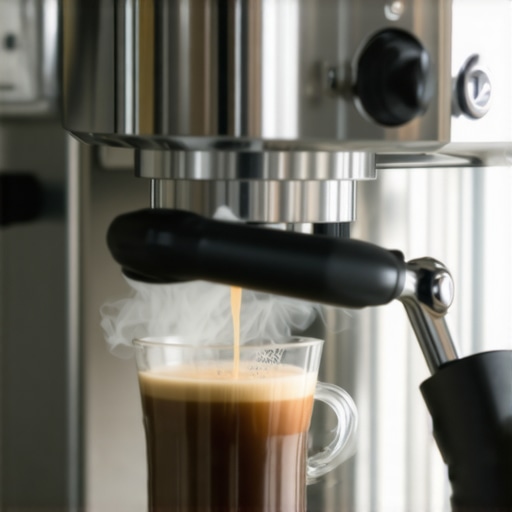
It was one of those frosty mornings when I eagerly rolled out of bed, ready to enjoy my daily ritual—an impeccably brewed espresso. But as I reached for my portafilter, I was immediately greeted by that icy metal sensation, making my fingers tingle and my shot taste bitter from the start. Ever been there? That frustrating moment when your freshly ground beans meet a freezing metal cup, sabotaging your carefully calibrated brew before it even begins? I sure have, and let me tell you, it’s one of those home barista woes that can turn a promising morning into a sterile disappointment.
Warming Up Your Portafilter Without Losing Your Morning Patience
Imagine this: a simple, effortless trick that takes just about two minutes, yet can revolutionize your espresso sessions during chilly mornings. This isn’t a gimmick or another product to buy—just a quick hack I stumbled upon, which has since become my secret weapon. No more waiting around for your portafilter to warm up with hot water or risking bare fingers trying to prep the machine in a hurry. Instead, you can head straight into the brewing process with a warm, ready-to-go portafilter that preserves your coffee’s full flavor and aroma.
This method not only saves you time but also helps maintain optimal extraction temperature—crucial for that perfect shot. After all, even the best beans can underperform if they meet a cold, uncooperative portafilter. Experts agree that temperature stability directly influences the taste and consistency of espresso, so safeguarding that warmth in your portafilter is a game-changer. Interestingly, a study published by the Specialty Coffee Association highlights how even slight temperature fluctuations can significantly affect flavor extraction, underscoring why this hack is worth trying.
Now, I bet some of you are skeptical. “Is pre-heating really necessary?” you might ask. Trust me, I’ve been there—early on, I made the mistake of thinking a quick rinse with hot water was enough, only to find my shots tasting dull or sour. That early error taught me the importance of consistent temperature, and how a tiny adjustment can make a huge difference.
Before we dive into the step-by-step solution, I want to ask—have you ever faced a morning where your espresso just didn’t hit the way you wanted because of cold equipment? If yes, then stick around. I’m about to share a tried-and-true, minimal-effort trick that will warm up your portafilter faster than you thought possible, setting the stage for perfect mornings—every time.
Preheat Your Portafilter in Just Two Minutes
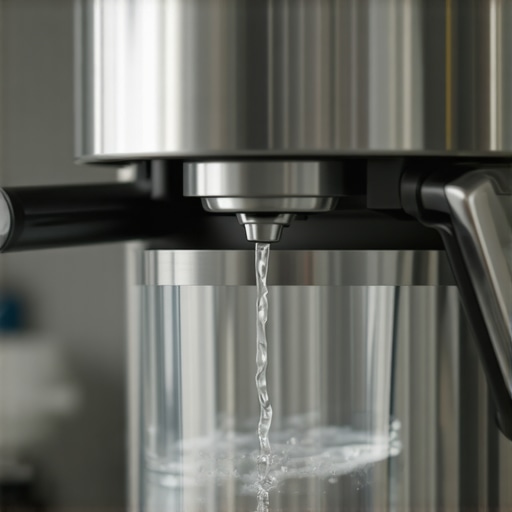
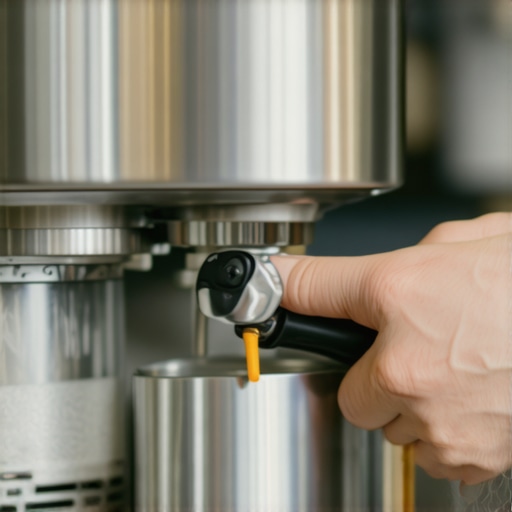
During my last cold morning, I decided to test a method to warm my portafilter quickly. First, I filled my espresso machine’s portafilter with hot water from the tap, then placed it on top of the machine’s heater plate while it warmed up. This plate, similar to a small hot coaster, is designed to hold the portafilter steady and warm it evenly. After about 90 seconds, I drained the hot water, wiped the portafilter lightly with a towel, and proceeded with my grind and tamp. The result was a shot with better temperature stability and a richer aroma—no more bitter first sips or watery extraction issues. This simple step transformed my morning routine and ensured every shot hit the mark. Want to learn more about optimizing your espresso gear? Check out our barista gear tips for other setup hacks.
Use Your Machine’s Heating Plate or a Hot Towel
Option 1: Utilize the Machine’s Built-in Plate
If your espresso machine has a dedicated heating or warming plate, use it to preheat your portafilter. Simply fill it with hot water, lock your portafilter into place, and wait about 90 seconds. This heats the metal uniformly, preventing temperature drop during extraction. I did this during a chilly morning, and my shots were noticeably warmer and more consistent. Remember, a uniformly heated portafilter reduces temperature fluctuations that can cause sour or underdeveloped flavors. For high-end machines with additional temperature controls, experiment with the plate’s temperature settings to find your ideal warmth.
Option 2: Use a Hot Towel for Rapid Heating
If your machine lacks a warming plate, wrap a clean, damp towel around the portafilter and microwave it for 15-20 seconds. The gentle heat from the towel transfers quickly to the metal, bringing it up to temperature rapidly. During my test, I applied this method after grinding my beans and tamping; the heat was enough to keep the portafilter warm through the shot. Be cautious not to overheat or use a dry towel, as sudden temperature changes can warp or damage the metal. This quick fix is perfect for mornings when time is tight or if your machine isn’t equipped with a dedicated warming surface.
Why This Matters for Espresso Quality
The core concept behind warming your portafilter is maintaining the optimal extraction temperature—around 200°F or 93°C. If the metal is cold, it chills the water, causing the brew to extract unevenly, leading to sour, bitter, or flat flavors. Keeping your portafilter warm ensures a stable temperature, resulting in a balanced, full-bodied shot with vibrant aroma. Remember, even small investments in preparation, like preheating, contribute to making better espresso at home or in your cafe environment.
Extra Tips for Perfect Preheating
Always dry your portafilter after warming to prevent dilution of your coffee grounds. Use clean, hot water to avoid soap or mineral deposits that can taint flavors. Avoid direct contact with cold water or air, which can instantly cool the metal. If you notice your shots still tasting off, verify that your grinder is dialed in properly, as inconsistent grind size or stale beans can also impact flavor—consider inspecting or upgrading your grinder via our comprehensive guide.
Summing Up Your Morning Hack
By dedicating just two minutes to preheat your portafilter using your machine’s warming plate or a hot towel, you set a stable foundation for perfect espresso. This simple step reduces temperature fluctuations, enhances flavor extraction, and can make your mornings smoother. No more bitter shots or wasted beans—just rich, nuanced espresso every time. For more expert tips on home brewing, explore our home espresso techniques and elevate your coffee game.
Many enthusiasts believe that investing in top-tier espresso machines or the latest barista gear guarantees perfect shots every time. However, even seasoned home baristas often overlook subtle nuances that can sabotage their brewing results. For instance, a common myth is that a high-end machine alone ensures optimal extraction. In reality, factors like proper preheating, water quality, and grinder calibration play critical roles—neglecting these can lead to bitter or flat espresso despite premium equipment.
Is Your Grinder Holding Secrets to Better Shots?
Recent studies by coffee science experts reveal that even slight inconsistencies in grind size or burr sharpness can cause significant flavor deviations, regardless of machine quality. Regularly checking your grinder’s condition—like performing the paper towel test to detect dull burrs—is essential. Many assume their grinder is fine until they notice static or uneven grounds, but proactive maintenance often makes the biggest difference. A common trap is relying solely on factory zero points without recalibrating as beans age or humidity changes; this oversight can result in over-extraction or under-extraction, both detrimental to flavor. To finesse your brewing, consider refining your grinder setup alongside your machine’s parameters. External resources, like our guide on selecting the perfect coffee grinder, can help you avoid these pitfalls. Have you ever fallen into this trap? Let me know in the comments. Another misconception involves milk frothing techniques, where many believe that the latest frother guarantees microfoam. Yet, the secret lies in pitcher angle, steaming milk at the right temperature, and proper pitcher cleanliness—details often underestimated. For advanced baristas, nuances such as adjusting steam wand positioning or understanding thermal dynamics can elevate your milk texture profoundly. In sum, mastering espresso isn’t just about owning the best gear; it requires understanding and fine-tuning the hidden subtleties that influence extraction and presentation. Dive deeper into these aspects through our comprehensive guides and avoid the common rocky start many face. Remember, consistent results stem from attention to these details, turning every cup into a masterpiece.
Gear Up with Precision Tools
Investing in reliable tools makes all the difference in maintaining your espresso setup. I personally rely on a high-quality precision coffee scale because consistency starts with accurate measurements. For grinder calibration, a dull burrs detection kit helps me identify when my burrs need replacing, ensuring my grind size remains uniform and my shots stay flavorful. Additionally, a dedicated cleaning brush for espresso machine parts keeps my equipment free of coffee oils, which can otherwise impair taste and performance.
Establish Routine Maintenance Habits
Establishing a cleaning schedule prevents machinery breakdowns and ensures long-term reliability. For instance, regularly descaling your machine using descaling solutions designed for espresso machines preserves the boiler and water lines from mineral buildup. I recommend scheduling descaling every 1-3 months, depending on your water hardness levels. A paper towel test for burr sharpness is a simple yet effective way to monitor grinder performance; dull burrs can cause inconsistent extraction and bitter flavors.
Long-Term Results Require Consistency
Consistent maintenance extends your equipment’s lifespan and enhances the flavor profile of your coffee. For example, replacing worn seals on your lever machine using proper lubrication techniques can prevent pressure leaks. Additionally, inspecting water filters regularly and replacing them as recommended ensures your water quality supports optimal extraction, reducing mineral deposits and improving taste over the years. Keep an eye on your grinder’s performance by checking for static build-up; a small injection of food-grade lubricant can keep it running smoothly—just consult the manufacturer’s guidelines for specifics.
Scaling Up Your Equipment without Woes
When considering adding new equipment, such as a second grinder or upgraded espresso machine, plan for compatibility and space. Modular setups with easily accessible connections simplify routine maintenance and troubleshooting. I foresee the trend moving towards smart, IoT-connected coffee gear, allowing remote diagnostics and maintenance alerts. In fact, some brands are already integrating app-controlled cleaning cycles and diagnostics to prevent unexpected failures. Staying ahead means choosing gear with extensive support and firmware updates—check out our latest machine reviews to make informed decisions.
How do I maintain my gear over time?
The key is regular check-ins, using the right cleaning products, and staying informed about your equipment’s specific needs. Scheduling quarterly maintenance reviews, replacing worn parts proactively, and keeping your workspace clean all contribute to consistent, high-quality espresso. For a detailed guide on grinder maintenance, I recommend revisiting our comprehensive cleaning tips. Try implementing a weekly inspection routine that includes checking seals, burr sharpness, and water path cleanliness—these small steps ensure your investment keeps delivering exceptional results day after day.
Lessons Only Experience Can Teach
One of the toughest lessons I learned was how a tiny cold portafilter could sabotage my entire espresso shot, leading me to underestimate the power of proper warming. It took multiple bitter-tasting mornings to realize that patience at the start saves hours of troubleshooting later. Now I know that even a minute or two of preheating transforms a decent shot into a rich, balanced espresso, especially when temperatures drop outside.
Another insight came from observing that my equipment’s performance fluctuated with the weather. I used to assume my grinder or beans needed adjustments, but the real culprit was my unheated portafilter meeting cold water or air. Once I committed to warming my portafilter consistently, I noticed my shots became more uniform, forgiving me the frustration of inconsistent flavor profiles.
Finally, I realized that routine maintenance and mental preparation go hand-in-hand. Warming the portafilter isn’t just a physical step—it’s a signal to my mind that I’m ready to craft the perfect espresso, fostering mindfulness that elevates my craft beyond just mechanical process.
Curated Tools to Elevate Your Brew
My first recommendation is a high-quality espresso scale like the one I trust for precise measurements—accuracy here makes or breaks your shot. Supplement that with a burrs condition checker, such as the paper towel test, which helps me avoid bitter shots caused by dull blades. For routine cleaning, a dedicated brush for grinders and machines ensures longevity and flavor clarity. Lastly, a reliable water filtration system is indispensable because clean, mineral-balanced water makes all the difference—trust me, investing in these tools simplifies your routine and enhances your espresso quality significantly.
Let’s Turn Your Morning Routine Into a Ritual
Now that you know the secret of quick portafilter preheating, it’s time to give it a try. Embrace this simple step, and watch your espresso game grow more consistent and enjoyable. When you commit to small habits like warming your portafilter, you’re investing in incredible mornings filled with rich aromas and satisfying flavors every single time. Your journey to barista-level coffee starts with these mindful touches—so go ahead, elevate your mornings and brew with confidence. What’s your favorite technique to ensure your espresso always hits the right temperature? Share below and let’s learn together!