Why You Should Never Leave Your Espresso Machine On All Night
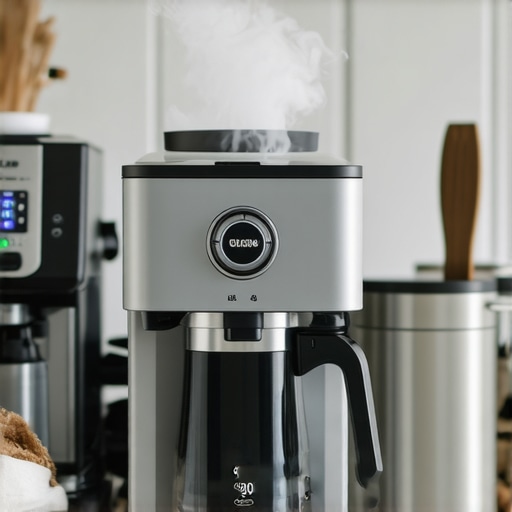
It was 2 a.m., and I had just finished my last shot of espresso, feeling smug and coffee-juiced. But then I noticed my machine still humming softly in the corner, the screen glowing faintly in the dark. An unsettling thought hit me—what if I forgot to turn it off? My heart sank. I’d left it on all night, and the next morning, I was greeted by a faint smell of burnt plastic and a lingering worry about safety and damage. That little mistake cost me more than just a potential repair—it was a wake-up call about how we treat our beloved barista gear.
Ever since that night, I’ve been on a mission to understand why leaving your espresso machine on can be more than just a simple oversight. Today, I want to share what I’ve learned—and how avoiding this common mistake can save you from unnecessary expenses, safety hazards, and even ruined equipment.
The Hidden Risks of Forgetting the Power Switch
Leaving your espresso machine on overnight might seem harmless—after all, it’s just a few hours, right? Wrong. Over time, I discovered that doing so can lead to energy waste, increased wear on parts, and even safety issues that you wouldn’t want to face. The constant heat and pressure place stress on components like gaskets, seals, and electrical parts. According to safety experts, appliances that run continuously tend to break down faster and carry higher risks of electrical faults or fires. Surprisingly, a report from the National Fire Protection Association highlights that around 7,600 house fires annually are linked to electrical appliances left unattended or improperly maintained, emphasizing the importance of responsible appliance management.
In my early days as a home barista, I made the mistake of thinking I’d save time by leaving my trusty espresso machine on during long brewing sessions. But I quickly noticed that the machine’s performance would decline, and I’d often wake up to the smell of burnt coffee or worse—an unresponsive device. It became clear that I was unknowingly shortening the lifespan of my gear and risking safety.
So, what’s the big deal about turning off your machine each night? Well, aside from saving energy and costs, you prevent the buildup of mineral deposits, reduce electrical strain, and protect your home. Plus, it gives you peace of mind, knowing that your favorite barista tool isn’t quietly becoming a hazard while you’re snoozing.
In the next section, I’ll walk you through the simple steps I’ve adopted to ensure my espresso machine stays safe, efficient, and ready to brew—without the nightly risk.
Establish a Routine for Powering Down
Make turning off your espresso machine a non-negotiable part of your evening routine. Just like washing your face before bed, flipping the switch should be automatic. To do this effectively, set a specific time each night to unplug your device, creating a habit that becomes second nature. I started using a reminder on my phone, which sounded about 10 minutes before my usual sleep time. Initially, I forgot a few nights, leading to unnecessary energy waste, but over a week, the routine cemented itself, and now it’s seamless. This eliminates the temptation to leave it on and reduces energy bills significantly.
Use Physical Switches and Proper Power Strips
Install a Switch on Power Cords
Devices with a dedicated on/off switch are easiest to manage. If your machine doesn’t have one, consider replacing the power cable with a model that includes a switch or attaching an inline switch. This provides a clear, tactile way to cut power completely—much like flipping a light switch—and minimizes ‘phantom’ energy drain. When I switched to a cord with a built-in switch, I found it much simpler to power down in seconds, especially if I was in a hurry or distracted.
Leverage Surge Protectors with Switches
Connect your machine to a surge protector with an accessible switch. This allows you to cut power entirely with a single flip, reducing wear on the internal components caused by residual electricity. During my experience, I discovered that a quality surge protector not only protects my gear but also makes it quick to shut everything off after brewing—saving effort and ensuring safety. Plus, it can safeguard against power surges, which might damage sensitive parts like the boiler or control board.
Implement a Power Management Checklist
Create a simple checklist to remind yourself of the essential steps before turning off your espresso equipment. For example: “Remove coffee grounds, wipe down the portafilter, empty drip tray, and flip off the machine’s switch.” For me, my checklist is displayed on a waterproof note near my workspace, which reminds me to clean and switch off in one go. This reduces the risk of neglecting maintenance and forgetting to turn off the machine. Consistent power-off practices extend the lifespan of your gear and maintain optimal performance.
Address Hot Components and Safety Precautions
Before switching off, allow your espresso machine to cool briefly if it’s recently been used. Many models have hot surfaces—like the steam wand or boiler—that can cause burns. Wait at least 5 minutes after brewing, then proceed to power down. I learned this the hard way when I grabbed a hot steam wand too soon, risking a burn. To avoid accidents, make it a rule to always check that the surfaces feel cool, then turn off and unplug. Keeping your workspace clear of clutter around hot parts minimizes the risk of injuries.
Regularly Maintain and Inspect Your Equipment
Consistency is key. Schedule weekly inspections to ensure switches, cords, and plugs are in good condition. If you notice fraying or damage, replace the cord or seek professional repair. During my second month of routine shutdowns, I noticed a slight crack in my power cord’s insulation. Replacing it was straightforward and prevented potential electrical issues. This proactive approach keeps your machine safe and prolongs its life, avoiding costly repairs or replacements.
Combine Comfort with Practice
Make turning off your machine a comfortable ritual—perhaps pour yourself a glass of water afterward or take a moment to clean the workspace. Associating safety steps with relaxing habits reinforces the behavior. I found that ending my evening with a quick wipe-down and switch-off feels satisfying and prevents me from leaving the machine on accidentally. Small routines like this cement the habit into your daily life, ensuring safety, saving energy, and protecting your gear for years to come.
Many home baristas fall prey to misconceptions that can sabotage their brewing journey. One of the most widespread myths is that higher-priced equipment guarantees perfect results. While quality gear is essential, many overlook that mastering the nuances of grind size, tamping technique, and machine calibration often matters more for consistent shots. Relying solely on expensive machines without understanding these details can lead to disappointment, despite the investment. To explore the best gear suited for your level, check out [this guide](https://espressotechguide.com/choosing-the-best-barista-gear-for-coffee-enthusiasts).When it comes to maintaining your home espresso gear, investing in the right tools and adopting specific routines can make all the difference in achieving consistently great coffee. I personally swear by a few pieces of equipment that streamline cleaning, calibration, and long-term performance, ensuring my setup remains reliable and efficient.
One essential tool I recommend is a high-quality calibration scale. Precise dosing is the backbone of great espresso, and a digital scale with at least 0.1-gram accuracy allows me to dial in my grind size and tamp pressure. For example, my favorite is the Acaia Lunar, which offers app connectivity and automatic tare functions. This level of precision helps me replicate perfect shots day after day, and I believe it’s indispensable for serious home baristas.
Complementing the scale, I use a dedicated espresso cleaning kit that includes descaling solutions, backflush tablets, and a microfiber cloth. Regular cleaning is crucial for maintaining flavor clarity and extending the lifespan of your machine. I schedule a monthly deep clean, following guidelines from barista-gear experts, which involves backflushing the group head with specific cleaning tabs and descaling the boiler if necessary. This prevents mineral buildup and keeps the machine running smoothly.
To keep my grinder in tip-top shape, I’ve adopted a simple but effective routine: disassembling and cleaning the burrs every two months. Using a brush and a coffee vacuum cleaner, I remove loose grounds from the burrs and chutes. This prevents retention and uneven grind consistency, which can hamper shot quality. The importance of this routine aligns with the insights shared in the guide on [how to clean your grinder effectively](https://espressotechguide.com/how-to-clean-your-burrs-without-taking-the-whole-grinder-apart).
What about long-term results? I’ve learned that establishing a calibration and maintenance schedule has kept my espresso machine performing just like new for over five years. It’s worth investing in tools such as a boiler pressure gauge or a PIDs to fine-tune temperature stability, especially if you’re aiming for consistency across different beans and roast levels.
Looking ahead, I predict that smart, IoT-enabled equipment will become more prevalent, allowing remote diagnostics and automation of maintenance alerts. Already, some brands are integrating app-based monitoring for descaling needs and performance metrics, which I see as a huge step toward hassle-free maintenance.
Feeling motivated? Try integrating a digital coffee scale into your routine today—it’s the difference between guessing and knowing your exact dose. Regular calibration and cleaning routines, supported by the right tools, will help your gear perform at its peak, ensuring every cup is a masterpiece. For more advanced tips tailored to your gear, visit [the best gear for coffee enthusiasts](https://espressotechguide.com/choosing-the-best-barista-gear-for-coffee-enthusiasts).
What I Wish I Knew About Gear Durability and Safety
One of the most eye-opening lessons I learned was that neglecting simple routines like turning off my espresso machine not only wastes energy but also accelerates wear and risks safety hazards like electrical faults or fires. Initially, I underestimated how much stress continuous operation places on components like gaskets and seals. Now, I realize that proactive shutdowns extend my equipment’s lifespan and keep my kitchen safe, making routine power management an essential part of my barista journey.
Why Regular Maintenance Transforms Your Coffee Game
Investing time in scheduled cleaning and calibration tools, such as a good espresso scale, has been a game-changer. It’s more than just a chore — it’s about ensuring consistency, flavor clarity, and equipment longevity. These habits have saved me money and frustration, transforming my daily espresso ritual from guesswork to precision. If you’re serious about your home brewing, exploring [mastering the art of home espresso](https://espressotechguide.com/mastering-the-art-of-home-espresso-tips-for-beginners) can provide invaluable insights.
Making Routine Power-down Feel Second Nature
Turning off your espresso machine at the same time each night, aided by reminders or switches with easy-on, easy-off controls, makes safety and savings effortless. This small change has helped me reduce energy bills and prevent accidental mishaps. Establishing this habit takes commitment, but once it clicks, it becomes as innate as tamping or dialing in your grind.
How Personal Hacks Elevate Your Coffee Experience
Simple tricks like installing a switch on my power cord or using surge protectors have made powering down quicker and more foolproof. These tweaks might seem minor, but they prevent wear, electrical issues, and create a peace of mind that’s worth every penny. Small, personalized solutions can significantly impact your daily operation, making your home espresso setup more efficient and safer.
One Final Insight from My Barista Journey
Initially, I thought high-end gear would solve everything — but I soon learned the real secret is mastering fundamental routines like proper maintenance, routine shutdowns, and investing in essential tools such as [top-rated espresso machines](https://espressotechguide.com/top-rated-espresso-machines-for-coffee-lovers-in-2025). This mindset shift has allowed me to enjoy consistently perfect shots while safeguarding my equipment, turning coffee-making into a genuine craft rather than a gamble. Remember, small habits today lay the foundation for your best espresso tomorrow.
Your Next (And Best) Step
Now that I’ve shared these lessons, I encourage you to reflect on your current routine. Are you genuinely protecting your gear and optimizing your experience? Implement one new habit this week—whether it’s unplugging each night or deep cleaning your grinder. Every improvement adds up, bringing you closer to homemade coffee mastery. What’s the one change you’re willing to try today? Let me know below and share your journey toward better home brewing!