How to Fix a Steam Wand That Only Produces Hot Water and No Steam
Ever experienced the frustration of pulling a shot or frothing milk only to find your espresso machine’s steam wand emitting just hot water instead of that silky, inviting steam? I remember the first time it happened to me. I eagerly pressed the steam button, expecting that glorious hissing sound and the warm, foamy milk—only to be met with nothing but lukewarm water. Talk about a letdown! It was a lightbulb moment when I realized I wasn’t alone in facing this issue, and more importantly, that there are straightforward fixes.
Why Your Steam Wand Might Be Just Producing Hot Water
Many home baristas and coffee enthusiasts hit this wall sooner or later. To understand why this happens, we need to consider a few common culprits. Usually, it boils down to blockages, pressure issues, or simple maintenance oversights. But before diving into DIY solutions, it’s worth acknowledging that the problem can stem from something as straightforward as buildup within the steam wand or a faulty valve.
My early attempts at fixing this mishap included cleaning everything I thought could be clogged, only to realize I had overlooked a critical component—the internal steam valve. An improper seal or a buildup of minerals could prevent steam from escaping properly, leaving only hot water. It’s a mistake I made early on, assuming the issue was with the boiler or the water supply, which delayed my repair process. Don’t fall into the same trap.
If this situation sounds eerily familiar, don’t worry. We’re about to go through actionable steps that will help you restore your steam wand’s original glory. You don’t have to accept mediocre froth or tepid steaming—your machine is capable of much more, and I’ll show you how to unlock that potential.
But first, let’s address a common skepticism: Is fixing a steam wand really worth the effort? After all, isn’t it just a small part of the machine? The truth is, a malfunctioning wand can severely limit your ability to craft the perfect espresso and milk textures, making your mornings less special. Plus, a well-maintained steam wand prolongs the lifespan of your machine. So, yes—tackling this issue yourself can save you money and improve your coffee quality.
Curious about how to get your steam wand back in action? Keep reading—you’re about to learn some practical tricks that have worked wonders for me and countless others. And if you want to dive deeper into related maintenance tips, I recommend checking out our guide on [deep cleaning your milk pitcher](https://espressotechguide.com/how-to-deep-clean-your-milk-pitcher-to-remove-old-residue). Now, let’s get into the specifics of diagnosing and fixing your steam wand problem.
Inspect and Clear the Steam Wand
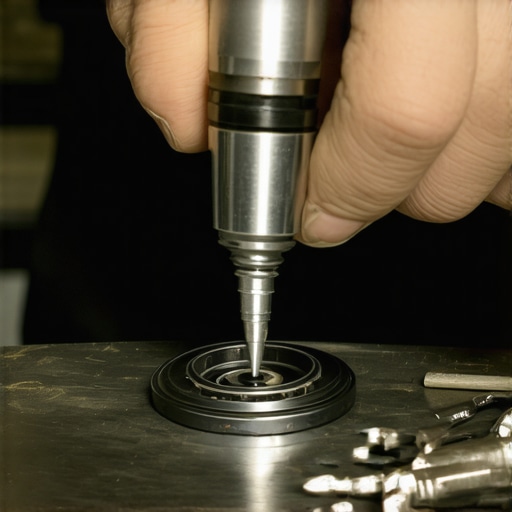
Start by unplugging your machine and letting it cool down completely. Remove the steam wand tip and soak it in a descaling solution or vinegar overnight to dissolve mineral buildup. Use a needle or pin to clear any tiny holes clogged with limescale, ensuring unobstructed steam flow. Remember, like cleaning a narrow straw, clear passages are vital for proper steam delivery.
Check the Internal Valves and Seals
Access the internal components by removing the top panel or side casing—as shown in our guide on the secret to getting silky microfoam on a cheap steam wand. Examine the steam valve for scale or damage, and replace any worn seals. Often, mineral deposits cause the valve to stick, preventing steam from passing through. Gently operate the valve manually to verify its movement; if stuck, a light lubrication with food-safe lubricant can help, but replace deteriorated parts promptly for safety and performance.
Test and Reassemble the System
Reassemble the wand and run water through the system without heating. If only hot water comes out, repeat descaling. If the problem persists, it indicates pressure issues deeper inside. For a more thorough clean, consider backflushing the machine using a cleaning disk and solution—similar to flushing out a clogged coffee grinder—ensuring no residual blockage hampers steam production. Check out our backflushing method for detailed instructions.
Monitor the Boiler Pressure
Your boiler must generate enough pressure to produce steam. Use a portable pressure gauge or observe if the boiler pressure drops when the machine heats up, as discussed in why your steam pressure drops. Adjust the pressure relief valve if accessible, or call a technician if you notice persistent issues. Consistent pressure ensures that your steam wand can produce the silky microfoam you crave.
Regular Maintenance Keeps the Steam Flowing
Implement a schedule for weekly cleaning cycles—similar to routine oil changes for a car—to prevent mineral buildup. Use filtered or distilled water to reduce mineral deposits, as recommended in distilled water guidelines. Properly maintained machines operate smoothly; neglected ones become stubborn and prone to issues like your current problem. Consider upgrading your tools with espresso machine-specific cleaning kits for efficient maintenance, which can be found in our gear buying guide.
Many enthusiasts believe that investing in high-end espresso machines, fancy milk frothers, or premium grinders guarantees perfect results every time. However, despite popular assumptions, there are nuanced details and common pitfalls that can sabotage even the most expensive setups. For instance, a frequent misconception is that the latest gadget automatically produces better coffee; in reality, understanding the mechanics and maintenance nuances far outweigh mere brand prestige. This is where many make the Oops mistake of neglecting routine cleaning or misjudging grinder calibrations, which can dramatically affect extraction quality and milk texture.
A prevalent myth is that more pressure equals better espresso. While proper pressure is critical, excessive pressure can cause bitter over-extraction, and some machines compensate with complex pressure profiling. Far from a surface-level adjustment, mastering pressure curves is an advanced skill that requires in-depth knowledge—see our guide on [tuning your grinder for optimal extraction](https://espressotechguide.com/how-to-select-the-perfect-coffee-grinder-for-your-brew). Additionally, many overlook the importance of temperature stability; a stable brewing temperature is essential for consistent flavor, as highlighted by Stefano Travaglia, a renowned barista, who emphasizes that inconsistent temperature leads to unpredictable shot quality.
When it comes to milk frothers, a common mistake is assuming all frothing devices are equal. Cheap or poorly maintained frothers can introduce bacteria, cause uneven textures, or produce watery foam. The secret lies in choosing a model that facilitates thorough cleaning and maintaining proper milk freshness—check out [our recommended milk frothers that truly transform your coffee experience](https://espressotechguide.com/milk-frothers-that-transform-your-coffee-experience) for expert suggestions. What’s more, many home baristas underestimate the impact of particle size in grinders—the smaller the grind, the more precise your shot, but over-fine grinding can clog filters or strain your machine.
An intriguing question for the seasoned enthusiast is: How does pressure profiling influence flavor complexity in espresso? Recent studies suggest that variable pressure extraction enhances aromatic profiles and sweetness, contradicting the old standard of fixed pressure shots. Advanced techniques involve adjusting pressure on-the-fly during extraction, a mastery that differentiates amateurs from pros. For those eager to delve into this, mastering pressure profiling can transform your approach and elevate your espresso game.
Lastly, beware the trap of neglecting routine maintenance, which even seasoned baristas sometimes overlook. Regular descaling, gasket checks, and calibration ensure your equipment performs at its peak. The importance of this is akin to maintaining a fine-tuned instrument—neglect leads to inconsistency or even damage. For comprehensive maintenance strategies, visit our article on [the ultimate guide to keeping your espresso machine in top shape](https://espressotechguide.com/mastering-the-art-of-home-espresso-tips-for-beginners). Overlooking these nuanced details can be costly, both financially and qualitatively.
Have you ever fallen into this trap? Let me know in the comments. Mastering these subtle aspects can significantly improve your coffee experience, transforming a mere routine into an art form.Maintaining your home espresso setup is as crucial as the brewing process itself. Investing in quality tools not only extends the lifespan of your equipment but also ensures consistently excellent results. One indispensable item I personally rely on is a precision pressure gauge, which allows me to monitor boiler and pump pressure throughout brewing. Unlike generic gauges, this high-accuracy device provides real-time data, helping me dial in shots with confidence. For instance, consistent pressure profiling, as discussed in the technical documentation by La Marzocco, can dramatically improve flavor extraction.
How do I keep my gear performing over time?
Regular cleaning and calibration are non-negotiable. I schedule bi-weekly descaling using proprietary descaling solutions, following instructions detailed in our pressure maintenance guide. Additionally, investing in a high-quality grinder calibration tool ensures particle size remains uniform, which directly impacts shot clarity and crema. My personal routine involves using the burr shim kit to fine-tune burr alignment, establishing consistency from bean to cup.
For ongoing maintenance, I recommend a dedicated cleaning schedule that includes backflushing with a branded cleaning powder and replacing worn gaskets before leaks develop—this simple step can prevent costly repairs. Better yet, employ a checklist inspired by industry experts like Barista Hustle, which emphasizes routine inspections of water hoses, fittings, and safety valves. You can even set up reminder apps linked to your device to stay on top of these tasks.
Looking ahead, the trend toward smart coffee tools is promising. Devices integrated with IoT technology could soon alert you to descaling needs or pressure drops before problems arise, transforming home maintenance into a proactive process.
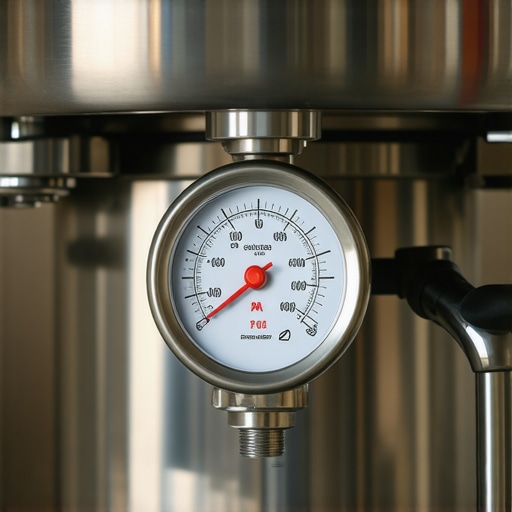
This image showcases a digital pressure gauge attached to an espresso machine, illustrating advanced monitoring in action. Alt: Digital pressure gauge connected to espresso machine; Title: Precision Monitoring for Consistent Espresso.
To truly elevate your home espresso game, I suggest incorporating a high-quality, calibrated grinder and routinely testing pump pressure with a reliable gauge. Not only does this approach bring a professional consistency to your brew, but it also helps pinpoint issues before they compromise flavor. For further insights, explore our comprehensive barista gear selection guide.
What’s the best way you’ve found to keep your equipment in top shape? Share your tips in the comments, and consider trying one of the advanced maintenance techniques discussed here to see immediate improvements in your espresso extraction.
Lessons from the Trenches: What I Wish I Knew About Home Espresso Mastery
One of the most valuable insights I’ve gained is that precision and routine beat high-end gear every time. Early on, I believed that expensive machines would solve all my problems, but I soon realized that consistent maintenance and understanding the mechanics are what truly make the difference. It was a lightbulb moment when I discovered that simply cleaning my portafilter gaskets regularly transformed the quality of my shots more than any upgrade could. Additionally, I learned that pressure profiling isn’t just for commercial setups—adjusting pressure during extraction can reveal hidden flavor notes that standard methods miss. And perhaps most surprisingly, I found out that even small details, like using filtered water consistently, protect your equipment and improve taste over the long haul. These lessons have made me a better home barista, and they can do the same for you.
The Compass for Your Espresso Journey: Equipment and Resource Gems
For anyone serious about elevating their home espresso game, I recommend three essential tools that have been game-changers for me. First, a high-accuracy pressure gauge helps monitor boiler and pump pressure, ensuring consistent extractions—check out this guide for how to set it up. Second, a well-calibrated grinder with a shim kit ensures particle size remains precise, which directly impacts shot clarity and crema; see this article for tips. Lastly, a cleaning schedule that includes descaling and gasket inspections saves money and prevents annoying breakdowns. For comprehensive insights on selecting gear, I lean on this trusted resource. These practical tools and resources form the backbone of a reliable, enjoyable home espresso routine.
Seize the Moment: Elevate Your Barista Skills Today
Your journey to barista-level espresso doesn’t end here. Each tweak, each maintenance ritual, brings you closer to that perfect shot or silky microfoam. Remember, mastering your home setup unlocks a world of flavor and satisfaction inaccessible to those who settle for convenience over craftsmanship. So, don’t wait—start applying these insights today, and watch your coffee routine transform. After all, the future of home espresso is in your hands, and with dedication, you can turn every cup into a masterpiece. Are you ready to take your coffee skills to the next level? Share your biggest challenge below, and let’s conquer it together!