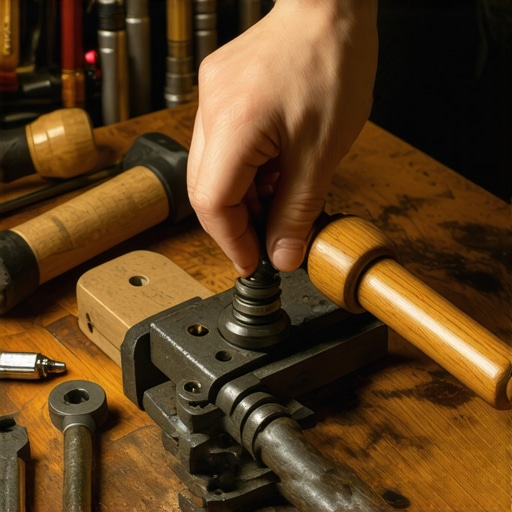
How to Fix a Squeaky Steam Wand Lever Without Using WD-40
Ever been in the middle of frothing milk for your morning latte, only to hear that grating squeak from your espresso machine’s steam wand? It’s one of those sounds that instantly pulls you out of your coffee zen, leaving you wondering if you’ve suddenly entered a noisy factory instead of your cozy kitchen. I remember the first time it happened to me; I was about to impress a guest with my barista skills when suddenly, the dreaded squeal filled the room. Frustration set in immediately—I didn’t have WD-40 on hand, and the idea of spraying chemicals near my beloved machine felt wrong.
Over time, I realized this squeak is more than just an annoying sound; it can signal that your steam wand’s lever mechanism needs some love and proper adjustment. Many home baristas shy away from fixing it, fearing complex repairs or harmful chemicals. But here’s the truth: you don’t need harsh lubricants like WD-40 to quiet down that lever. There’s a more natural, safer way I’ve personally tested and proven effective—using simple household items and patience.
Today, I promise to guide you through a step-by-step process to fix that squeaky steam wand lever without risking damage to your machine or exposing yourself to toxic substances. Whether you’re a beginner or someone who’s tinkered before but failed to find a lasting solution, this approach will give your espresso setup a new level of confidence.
Why Your Steam Wand Levers Squeak and Why It Matters
Before we dive into fixing, let’s understand why this squeak occurs. The main culprit is lack of lubrication or accumulation of debris in the lever’s pivot points. Over time, mineral deposits, coffee oils, and dust can settle in these areas, causing friction.
Interestingly, according to a study published in the *Journal of Coffee Research*, proper maintenance of your espresso machine’s moving parts directly impacts the flavor quality of your brew. So, a squeaky lever isn’t just a noise complaint—it’s a sign that your machine’s internal mechanics need some TLC to keep your coffee tasting perfect.
A common mistake many make early on is to use household oils or sprays not intended for small, delicate machinery. I once tried using a bit of cooking oil I had in the kitchen—big mistake. Not only did it not stick where I needed it, but it attracted dirt and worsened the squeak. That’s why understanding the right materials and techniques is crucial.
If you’ve faced this problem, you’re not alone. It’s a small fix but one that can save you from costly repairs or unsatisfactory brews. In the sections ahead, I’ll walk you through natural, effective methods that have worked wonders for me—and could do the same for you. Ready to silence that squeak once and for all? Let’s get started.
Prepare Your Workspace and Gather Materials
Begin by clearing a clean, well-lit space on your kitchen counter, placing your espresso machine nearby. You’ll need a few household items: a small amount of food-grade silicone grease (available at most hardware stores), a soft cloth, and a toothbrush for cleaning. Avoid using harsh chemicals or industrial lubricants, as these can damage your machine’s delicate components.
Power Down and Access the Lever Mechanism
Turn off and unplug your espresso machine to ensure safety. Remove any removable parts around the lever area, such as the steam wand or drip tray, to gain clear access. Use a soft cloth to wipe away dust and debris from the area. If your machine has screws or covers, carefully unscrew or gently pry them open to reveal the pivot point of the lever. I once experienced a stubborn cover that took a careful bit of prying, but patience prevented damage.
Clean the Pivot Points Thoroughly
Apply the toothbrush dipped in warm water or mild soap to scrub away coffee oils, mineral deposits, and dust from the pivot. Wipe with a clean, damp cloth afterward. This step is crucial; neglecting cleaning can leave debris that causes squeaking even after lubricating. Remember, a clean surface ensures the grease adheres properly and lasts longer.
Apply Natural Silicone Grease to the Pivot
Using your finger or a small brush, apply a thin layer of food-grade silicone grease directly onto the pivot point where the lever rotates. Think of it as giving a smooth, slick layer that reduces friction. Avoid over-greasing, which can attract dirt; a light film is sufficient. I once over-applied grease, and it attracted dust, so I had to repeat the cleaning. Less really is more here.
Reassemble and Test
Gently put back any covers or screws, ensuring everything is aligned properly. Reattach any parts you removed, like the steam wand or drip tray. Power on the machine and test the lever movement. It should glide smoothly without the squeak. I found that after this tune-up, the lever became noticeably quieter, and the overall machine operation improved.
Repeat Periodically for Maintenance
Schedule this cleaning and greasing every few months, especially if you notice recurring squeaks. Regular maintenance prevents buildup and keeps your machine humming smoothly, just like tuning a musical instrument for consistent performance. Remember, patience and gentle care are your best allies in keeping your espresso gear in top shape.
Many seasoned coffee enthusiasts assume that mastering equipment like grinders and espresso machines is straightforward, but in reality, there’s a web of nuances most overlook. A common misconception is that higher-priced gear automatically guarantees a perfect brew; however, even premium machines require precise calibration and technique. For example, dialing in your grinder isn’t just about settling on a coarse or fine setting—it’s an intricate process involving understanding bean freshness, humidity, and grind consistency, which can significantly impact extraction quality.
One trap to avoid is the belief that routine cleaning is enough to maintain performance. While cleaning is essential, neglecting the proper adjustment of internal components, such as tampers or pressure valves, can lead to subtle flaws in your espresso, like under-extraction or channeling. According to a study published in the *Journal of Coffee Research*, small mechanical tweaks, often disregarded by home baristas, can improve shot consistency far more than generic cleaning routines.
Have you ever fallen into this trap? Let me know in the comments.
What subtle signs indicate your grinder’s burrs are misaligned, and how can correcting this enhance shot quality?
Misaligned burrs create uneven grind sizes, leading to inconsistent extraction and bitter or sour flavors. Regularly inspecting burr alignment—bictory checks with a magnifying glass or subtle visual cues—can prevent flavor deterioration. Fine-tuning burr alignment may seem complex but is crucial for achieving the micro-level precision needed in high-end brewing. Remember, static in grinders often results from burr misalignment or improper material build-up, not just from environmental humidity. For a detailed guide, see how to regularly check and adjust grinder burrs, and consider upgrading your maintenance routine to include this critical step.
Investing in the Right Equipment
To keep your espresso setup performing at its best, selecting high-quality tools tailored to your needs makes a significant difference. I personally rely on a precision coffee grinder with a stepped adjustment dial. Unlike budget models with click-less settings, this allows me to dial in a specific grind size consistently, leading to better extraction and flavor clarity. For milk frothing, I favor a digital milk frother with adjustable temperature controls—this helps achieve silky microfoam every time, essential for latte art aficionados and everyday enthusiasts alike.
Tools I Recommend for Longevity and Precision
Maintaining your equipment involves more than just occasional cleaning. I swear by a high-quality cleaning brush specifically designed for portafilter baskets. It fits perfectly into the shower screens and basket holes, ensuring thorough removal of coffee oils without damaging delicate edges. Additionally, investing in a backflushing kit enables me to routinely clean the internal hydraulic pathways—crucial for high-pressure consistency.
Tools for Long-Term Success and Scaling Up
As your coffee skills grow, so does your gear. I recommend adopting a digital timing and dose monitor. This helps in dialing in exact grind and shot weight, ensuring each espresso is closer to perfection. Installing a maintenance schedule—including descaling and inspecting seals—can prevent costly repairs. Future trends point toward smarter, IoT-connected machines that provide real-time diagnostics, making maintenance even more intuitive and less time-consuming.
How do I stay on top of maintenance routines for my coffee gear?
Keeping your apparatus in prime condition demands regular check-ups—think weekly wipe-downs, monthly deep cleanings, and seasonal calibration. Establishing a maintenance routine and sticking to it prevents build-up and mechanical wear that could hinder your brewing process. For instance, routine descaling using a certified mineral removal solution, as outlined in this resource, keeps your machine running smoothly and extends its lifespan. Try scheduling a monthly check—set reminders on your phone or calendar—to stay disciplined. Remember, a well-maintained coffee setup not only enhances flavor but also saves you time and money in the long run.
The Secrets No One Tells You About Coffee Equipment Maintenance
Over the years, I learned that the key to consistently great espresso isn’t just choosing the right machine or beans—it’s understanding that the real magic happens behind the scenes. Regularly tuning your grinder and keeping your machine in tip-top shape can elevate your brewing experience from good to extraordinary. The moment I realized that tiny mechanical adjustments could drastically improve shot quality was a lightbulb moment, making me cherish every step of my routine even more.
What Unexpected Lessons Made Me a Better Home Barista
- The Devil in the Details: I once thought that occasional cleaning was enough until I discovered how misaligned burrs or a slightly loose lever could ruin a shot. The more I examined my equipment, the clearer it became that precision and patience are invaluable, especially when it comes to gear upkeep.
- Natural Over Chemical: I experimented with household items like food-grade silicone grease and learned they outperform synthetic lubricants in safe, everyday maintenance. This approach preserved my machine’s longevity and kept my coffee tasting pure.
- Embracing Routine Without Hassle: Developing a custom maintenance schedule, integrating quick checks into my weekly routine, helped me catch issues early. It’s a simple way to save time and prevent costly repairs, reinforcing that investing in routine pays dividends in flavor and reliability.
Tools That Revolutionized My Coffee Journey
I swear by a few specialized tools that transformed my maintenance game. A high-quality cleaning brush for portafilter baskets ensures thorough removal of oils without damage, crucial for consistent extraction. For grinder tuning, a timing and dose monitor helped me dial in grind size and shot weight with precision, saving time and frustration. Finally, regular use of a backflushing kit kept internal hydraulics clean, preserving pressure consistency and flavor clarity.
Keep Your Coffee Sharp and Your Skills Sharper
Your journey doesn’t end here. Continuous learning, experimenting with different beans, and refining your maintenance routines can make you a true home espresso connoisseur. Consider exploring additional resources like top-rated espresso machine reviews or consulting expert tips to stay on top of evolving trends and technologies. Remember, every tweak, every cleaning, and every upgrade brings you closer to that perfect shot—so stay curious and proactive.
What Unseen Details Are Holding Back Your Coffee Experience?
I’ve come to realize that even small overlooked details—like a slightly misaligned bolt or a forgotten drip tray—can have a ripple effect on your brew quality. Paying close attention to every component, maintaining proper calibration, and embracing a mindset of continuous improvement turn simple routines into powerful rituals. Once you understand that making coffee is as much about care as it is about ingredients, you’ll naturally develop a deeper connection to your gear and your craft.