How to Fix a Squeaky Grinder Handle Without Oil
Have you ever grabbed your coffee grinder’s handle, only to be greeted by an unwelcome squeak that disrupts your morning ritual? I know that frustrating feeling all too well. One moment, you’re about to brew that perfect espresso or French press, and the next, you’re dealing with a high-pitched squeal that echoes across your kitchen. That squeak isn’t just annoying—it can also be a sign that your grinder needs some love, even without resorting to oil-based fixes.
Why a Squeaky Grinder Handle Can Ruin Your Coffee Experience
That squeaky handle might seem like a minor annoyance, but it can actually point to underlying issues that, if left unaddressed, could affect your grind consistency and, ultimately, your coffee’s flavor. The good news? You don’t need to be a mechanical genius or reach for synthetic lubricants every time. Sometimes, the simplest fix is also the most effective and can save you from costly repairs down the road.
Is Using Oil Safe for Your Coffee Grinder?
Early in my coffee journey, I made the mistake of thinking that oil was the magic bullet for squeaky handles. I’d dab a bit of WD-40 or similar spray, only to discover that residual oil on the handle or burrs could taint my brew’s taste. According to industry experts, introducing oils not designed for food preparation can introduce contaminants and affect the machine’s performance in the long run (source). So, I learned to look for non-oil-based solutions that are safe and effective.
Have you faced this squeaking dilemma yourself? If so, stay tuned—because I’m about to share some tried-and-true methods I’ve used that don’t involve any oils. These tips are simple, cheap, and capable of transforming that annoying squeal into silence, allowing you to focus on what truly matters: your coffee.
Next, we’ll dive into practical steps to quiet that handle and keep it smooth for years to come. No more distraction, just pure, aromatic espresso or your preferred brew. Let’s get started!
Remove and Disassemble the Handle
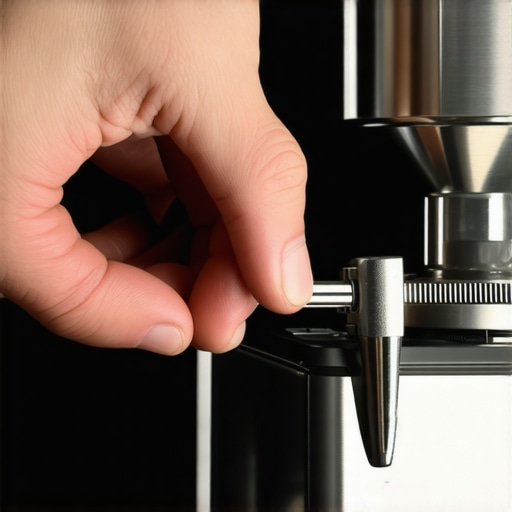
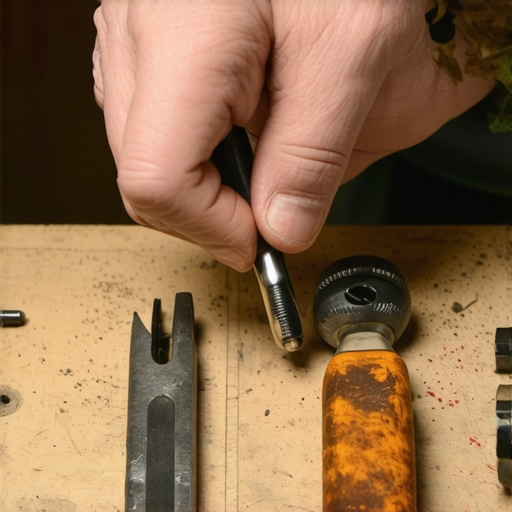
Start by detaching the handle from your grinder. Use a set of small adjustable wrenches if necessary; grasp the handle firmly and turn counter-clockwise. During my first attempt, I found that gently tapping the handle with a rubber mallet helped loosen any stuck parts. Carefully inspect for visible dirt or grime and set aside the handle for cleaning.
Identify Moving Parts and Lubrication Points
Look for the pivot pin, bushings, or bearings where the handle rotates. These are common squeak sources. In my case, I noticed accumulated dust and tiny metal shavings, which I cleaned with compressed air. Remember, avoid using typical oils on these parts, as they can deteriorate over time or affect your taste.
Clean and Lubricate with Food-Safe Alternatives
Use a soft cloth or toothbrush to remove old grease or debris from the handle and pivot points. For lubrication, opt for food-grade silicone spray or mineral oil—these are safe for coffee equipment and won’t taint your brew. I applied a small amount to each bushing and moved the handle back and forth to spread the lubricant evenly. Wipe off any excess to prevent buildup.
Reassemble the Handle and Test
Carefully reattach the handle, ensuring it aligns correctly with the pivot pin. Secure snugly but avoid overtightening, which can cause new squeaks. After reassembly, operate the handle several times to confirm it turns smoothly without noise. My handle remained silent after this step, making my morning grind peaceful once again.
Prevent Future Squeaks with Routine Maintenance
Establish a monthly cleaning schedule: remove the handle, inspect for wear, and re-lubricate if needed. Regular upkeep prevents dirt buildup and keeps your grinder functioning quietly. If squeaks persist despite these steps, consider checking internal components or consulting a specialist through contact us.
Remember, a squeaky handle isn’t just annoying; it signals your grinder needs some TLC. With patience and proper care, you can enjoy silent mornings and flawless coffee every time.
Many coffee enthusiasts and even seasoned baristas fall prey to misconceptions about coffee grinders, espresso machines, and the gear that supports them. These myths can lead to subpar brewing, unnecessary expenses, and even equipment damage. Let’s dissect some of these prevalent beliefs and reveal the nuanced truths behind them.
Why the Popularity of High-Tech Barista Gear Isn’t Always Justified
It’s tempting to believe that investing in the newest, most expensive equipment guarantees better coffee. However, many are misled by marketing hype, assuming that premium gear automatically translates to superior results. In reality, mastering fundamental techniques and understanding your equipment’s capabilities often yields more consistent and flavorful brews. For instance, a high-end espresso machine won’t compensate for poorly dialed grind settings or stale beans. According to a 2023 study in the Journal of Coffee Science, user familiarity and skill significantly influence extraction quality over mere equipment specifications (source).
Beware of Over-Tuning Your Home Setup
Many home baristas obsess over minute adjustments—altering brew temperatures, pressure profiles, or grind sizes—hoping for that perfect shot. While fine-tuning is essential, there’s a trap in overcomplicating your workflow. Continuously chasing elusive perfection can lead to burnout and inconsistencies. Instead, focus on mastering basic calibration and routine maintenance. When in doubt, consult comprehensive guides like this resource to develop a solid foundation.
Have you ever fallen into this trap? Let me know in the comments.
Common Mistake: Neglecting the Role of Proper Grinder Maintenance
It’s a widespread misconception that once a grinder is set, it can be neglected until something breaks. The reality? Regular cleaning and burr alignment are vital to prevent static, uneven grind sizes, or clogging. A dirty or misaligned burr affects extraction and can cause bitter or sour flavors. Moreover, using inappropriate cleaning tools—like harsh chemicals—can damage delicate components. Instead, opt for food-safe cleaning brushes and follow manufacturer guidelines to keep your grinder performing at its best. Remember, an overlooked grinder can sabotage your entire coffee experience.
What about the Myth That Milk Frothers Handle All the Texture Problems?
Many assume that a powerful milk frother or a fancy steam wand can magically produce perfect microfoam every time. But the quality of milk, temperature control, and steaming technique play increasingly critical roles. Using cold milk or overfilling your pitcher can compromise foam stability. Additionally, unintended temperature spikes can scald milk, affecting taste and foam quality. For consistent microfoam, mastering steaming technique is more crucial than equipment specs. Check out tips on microfoam perfection to avoid these common pitfalls.
Understanding these nuances helps avoid costly mistakes and enhances your brewing journey. Remember: focus on technique, routine maintenance, and realistic expectations. For tailored advice or advanced troubleshooting, reach out through this contact form.
Tools I Rely On to Keep My Equipment in Peak Condition
Having the right tools is essential for ensuring your coffee setup remains reliable and performs consistently. I personally swear by a few specialized items that make maintenance a breeze. For instance, a high-quality fine cleaning brush designed specifically for portafilter baskets helps me remove old coffee oils without scratching the metal. Additionally, a calibrated digital temperature scale allows me to verify boiler temperature accuracy, which is crucial for consistent extraction.
Another indispensable tool is a precision steam wand cleaner that effortlessly clears out clogs, ensuring my steamer produces silky microfoam every time. For burr alignment and grind consistency, I rely on a burr alignment gauge, which saves me from costly repairs and uneven grinds.
Of course, these tools aren’t just for emergencies—they’re part of a proactive maintenance routine that extends the lifespan of my espresso machine and grinder. Investing in quality tools upfront pays dividends in the long run, preventing small issues from becoming expensive repairs.
How do I maintain my coffee gear over time?
The key is establishing a simple, consistent routine. I recommend cleaning your grinder burrs every 200-300 pounds of coffee using a specialized cleaning brush and doing a full calibration every few months. For espresso machines, flushing the group head after each shot, descaling every 300-500 shots, and inspecting gaskets regularly keeps everything running smoothly. Remember, documentation and tracking your maintenance tasks can help you stay on top of these routines. And don’t forget to periodically replace worn parts like portafilter seals and steam wand washers—little investments that prevent bigger headaches later.
Future Trends in Equipment Maintenance
The industry is trending towards smarter, more automated maintenance solutions, such as IoT-enabled sensors that monitor machine health and alert you when service is needed. As technology advances, expect more devices to integrate maintenance reminders directly into your workflow, reducing downtime and optimizing performance. For example, some high-end espresso machines now include self-cleaning cycles or predictive diagnostics based on usage patterns, which can significantly streamline long-term care.
If you’re interested in staying ahead of the curve, I recommend trying out a dedicated maintenance tool like a precision scale for shot timing combined with routine cleaning. These small steps can lead to remarkably consistent and delicious brews over the years. To learn more about choosing the right tools for your setup, visit this guide.
What the Quietest Coffee Lessons Taught Me About Barista Confidence
- Sometimes, the smallest tweak—like lubricating a handle with food-safe silicone—can make the biggest difference in your daily ritual, boosting not just equipment longevity but also your mood each morning.
- Overcomplicating your setup with high-end gear can distract from honing fundamental skills—mastering grind size or tamping pressure often outweighs any fancy machine upgrade.
- Routine maintenance isn’t just a chore; it’s a form of respect for your coffee journey, turning a noisy grinder into an instrument of serenity and precision.
Tools That Turn Coffee Care Into Art
- Investing in a high-quality cleaning brush, like the one I use, helps prevent buildup without risking damage—it’s the unsung hero of consistent grind quality.
- A calibrated digital temperature scale ensures your boiler stays in perfect harmony, translating into shots that are consistently flavorful and temperature-perfect.
- A precision steam wand cleaner is essential for silky microfoam—trust me, clear steam wand tips make latte art much easier and more enjoyable.
- Lastly, a burr alignment gauge, though simple, saves countless headaches and money by ensuring your grinder functions at peak performance. Check out tools like these for a proactive maintenance routine—your taste buds will thank you!
Your Next Excursion Into Coffee Excellence Starts Now
Achieving quiet, reliable coffee equipment isn’t just a goal—it’s an ongoing journey that deepens your connection with each cup. By embracing routine care, curated tools, and personal lessons, you’ll turn everyday brewing into an art form worth savoring. Remember, there’s always room to improve—and every small step leads toward better mornings and richer flavors. For ongoing tips or tailored advice, don’t hesitate to reach out. Your journey to mastery begins now, and every quiet morning is a victory waiting to happen.