The Secret to Making a Perfect Americano Without a Burnt Taste
Have you ever poured hot water over your freshly pulled espresso, only to end up with that dreaded burnt, bitter aftertaste? I remember the moment distinctly—my first few attempts at making a smooth, flavorful Americano were marred by this very issue. No matter how precise I tried to be, something always seemed off, leaving me frustrated and questioning if I was missing a secret ingredient or technique.
Discovering the Real Trick to a Clean, Bold Americano
What I didn’t realize back then was that the issue wasn’t the coffee beans or the water temperature alone. Instead, it was all about how I handled the process and the subtle details that make all the difference. After some trial, error, and a good dose of research, I uncovered key practices that ensure your Americano stays smooth, rich, and free from that burnt flavor that ruins the experience. Today, I want to share those insights with you so you can enjoy every sip without disappointment.
Is Your Technique Actually Sabotaging Your Coffee?
Early on, I made a critical mistake—rushing the process by not properly purging my espresso machine’s group head. This small oversight caused residual hot water and oils to mix, imparting a charred taste to my water and, ultimately, my drink. It’s a common blunder among home baristas, and it can turn the cleanest shot into a scorched mess if you’re not careful. Learning to control the timing and temperature can make a world of difference, and that’s exactly what we’ll explore next.
Before diving into the step-by-step methods, I want to emphasize how understanding these nuances can transform your brewing routine—no more burnt aftertastes, just delicious, silky Americano. And if you’re wondering whether all these tips are worth the effort, I promise you’ll find that small adjustments lead to big improvements. For more on how to choose the right equipment that makes these techniques easier, check out this guide on barista gear. Now, let’s get into the practical solutions that will elevate your home brewing game.
Execute a Proper Group Head Purge Every Time
Recall the messy morning I had when I neglected to purge my espresso machine before making my Americano. I hit the button too quickly and ended up with a scorched-tasting water that compromised the entire drink. To avoid this, start by running hot water through the group head for about 5 seconds before pulling your shot. This clears residual oils and old water, ensuring a clean temperature for brewing. Think of it like priming a hose to prevent water from spurting in all directions—it’s a quick step, but crucial for smooth flow.
Control Pre-Infusion and Temperature Precision
During my first attempt with this technique, I kept rushing the process, which caused uneven water flow and off-flavors. Now, I take my time to evenly saturate the coffee puck during pre-infusion, which softens the coffee grounds gradually, preventing channeling and bitterness. If your machine allows, set a low-pressure pre-infusion cycle for 2-3 seconds before full pressure. It’s akin to giving your coffee a gentle wake-up—so it brews evenly and tastes vibrant.
Use a Consistent Water Flow Technique
In a recent morning rush, I accidentally used too high a flow rate from my kettle, leading to turbulent water that splashed and disrupted extraction. To stabilize this, employ a controlled pour, gradually adding water in a spiral motion starting from the center outward. For espresso machines with manual pour, mimic this steady flow with your portafilter, ensuring the water saturates uniformly. This is similar to watering a plant carefully to avoid soil erosion—precision in flow preserves the delicate balance of extraction.
Regular Maintenance Stops Burnt Flavors
Early in my journey, I overlooked cleaning the group head and filters regularly. The buildup of oils and old coffee residues caused odd tastes, like a smoky aftertaste. Develop a routine of backflushing your machine weekly with water and monthly with a cleaning solution suitable for your model. Think of this process as cleaning the filter of a vacuum; neglecting it results in inefficient performance and contaminated output. Proper upkeep guarantees a clean pathway for pure water and optimal taste.
Final Tip: Master the Art of Steaming and Frothing
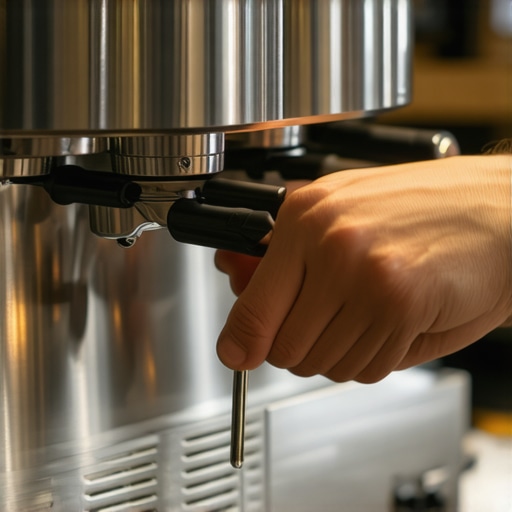
Once I learned to purge my steam wand properly, my milk textures improved dramatically. Always purge residual water from the wand before steaming to prevent watery microfoam—this is as simple as opening the steam valve briefly until a clear jet emerges. Imagine clearing condensation from a mirror; this small step ensures your milk’s texture remains silky and smooth without dangerous splatters or bubbles that ruin latte art. For detailed steps, refer to this guide.
Many enthusiasts believe that investing in high-end milk frothers, top-tier espresso machines, or premium coffee grinders guarantees perfect brews every time. However, even with the best gear, common misconceptions and overlooked nuances can sabotage your efforts. One widespread myth is that choosing a more expensive machine will automatically transform your coffee experience. In reality, the true magic often lies in understanding how to use and maintain your equipment properly. For instance, many assume that all steam wands produce microfoam equally, but experts highlight the importance of wand design and cleaning routines, as detailed in this comprehensive guide. Still, what many don’t grasp is that routine maintenance and technique mastery outweigh raw quality, emphasizing the need for nuanced understanding over mere investment.
Why Do My Coffee Grinders Feel Gritty Even After Calibration?
This is a common confusion among serious hobbyists. Many think recalibrating the grind size will solve static buildup or inconsistent dosing, but static accumulation remains an underappreciated issue often missed by even experienced users. Static can cause coffee retention in the burrs, leading to uneven extraction and flavor loss. Using anti-static equipment or adjusting humidity levels can help, but the most effective method is maintaining your grinder’s cleanliness and considering burr material and design for static reduction. Neglecting these nuances is a trap that can result in subpar espresso despite having premium gear.
Moreover, there’s a trap many fall into with espresso machines—assuming that fancy features like PID controllers or dual boilers alone produce superior coffee. While these features offer precision, they require correct calibration and understanding of internal pressure dynamics. For example, proper purging becomes crucial to prevent burnt flavors. Without mastering these subtleties, even the most advanced machines can disappoint. It’s worth noting that according to expert reports, small adjustments in routine can considerably enhance your espresso quality.
Advanced Home Baristas: What’s the Overlooked Key to Consistent Froth?
A common mistake among home milk artists is neglecting the importance of proper steam wand alignment and regular cleaning. Many think that turning on the steam is enough; however, failing to purge residual water can lead to inconsistent microfoam, as explained in this detailed explanation. Expert baristas stress that a quick purge not only prevents splattering but also ensures stable pressure for uniform frothing. Additionally, the type of pitcher and the angle of steaming influence the quality of your microfoam. Overlooking these intricacies often causes beginners to settle for mediocre latte art and flavor. Proper technique, combined with understanding the physical nuances of your equipment, makes all the difference. Remember: the subtle art of steaming is less about gear and more about precision and routine.
So, what’s the key takeaway for enthusiasts aiming to master their home setup? It’s that nuance trumps gear. Even the most expensive equipment won’t produce perfect coffee if you overlook maintenance, calibration, or technique details. The path to expert-level brewing involves continuous learning—embrace the fine points, experiment diligently, and never underestimate the power of routine. Want to dive deeper? Check out these advanced tips for home espresso mastery. Have you ever fallen into this trap? Let me know in the comments about your experiences with overlooked gear nuances and how you overcame them.
Dedicated Tools Make a Difference
Investing in quality equipment is only half the battle; maintaining it properly ensures consistent results and longevity. I personally swear by having a high-quality barista gear toolkit that’s well-organized and intentionally chosen for durability and ease of maintenance. For example, a precise weighing scale like the coffee scale with a tare function helps me dial in shot times and doses every time, reducing waste and improving extraction consistency over months and years.
Essential Cleaning and Calibration
Routine cleaning and calibration are crucial to keep your equipment performing at its best. I recommend a weekly backflush of your espresso machine with a dedicated cleaning solution, following the manufacturer’s guidelines, to prevent buildup of oils and coffee residues that can deteriorate flavor and damage components. Similarly, regular grinder burr cleaning prevents static issues and uneven grind sizes, which directly impact shot quality. Proper cleaning routines are a game-changer, and I’ve seen novice baristas improve their results significantly by dedicating just 10 minutes weekly to these routines.
Tools I Trust for Maintenance
For deep cleaning, I use a combination of soft brushes and cleaning tablets recommended by industry experts. Personally, I prefer a specialized cleaning brush with soft bristles to reach into tight spots without scratching surfaces. Additionally, maintaining a set of spare parts such as gaskets, portafilter baskets, and shower screens ensures that minor replacements don’t turn into major repairs. Keeping these on hand helps me avoid downtime and keeps my workflow smooth.
What Future Trends Will Shape Maintenance Practices?
Looking ahead, advancements in smart diagnostics and IoT-connected equipment are poised to revolutionize maintenance routines. Brands are developing machines with built-in sensors that alert you to scale buildup, wear and tear, or calibration drift before it impacts your brew. This proactive approach minimizes costly repairs and keeps your setup humming at peak performance. Staying informed about these innovations can give home baristas a strategic edge, ensuring their gear remains reliable for years to come.
How do I keep my gear working effectively over time?
Adopting specific routines such as scheduled deep cleanings, calibration checks, and using the right tools are essential strategies. For instance, regularly inspecting your steam wand and using a cleaning method for steam wands can prevent clogs and improve microfoam quality. Remember, equipment maintenance isn’t just a chore; it’s a vital investment that guarantees consistent coffee quality and extends the lifespan of your tools. Start small: try the technique of comprehensive weekly cleaning, and notice how your results improve drastically. For more guidance on equipment longevity, check out this in-depth article. Ready to elevate your maintenance game? Incorporate one advanced tip today, such as calibrating your grinder’s burrs precisely for the changing humidity—your future self will thank you.
Throughout this journey, I’ve learned that the true magic of a perfect home espresso lies in mastering the nuanced details that often go unnoticed. Never underestimate the power of routine maintenance, precise technique, and understanding your equipment’s inner workings. These small but impactful adjustments can elevate your brewing experience from a hits-and-misses affair to a consistently delightful ritual.
Lessons Hidden Beyond the Basic Setup
- One of the most eye-opening lessons I discovered was that even inexpensive equipment can produce exceptional espresso when properly maintained and used with finesse. It’s tempting to think that expensive gear is the answer, but in reality, knowledge and technique often trump price tags. This realization motivated me to focus more on honing my skills, which yielded better results than any costly upgrade.
- Another lightbulb moment was realizing the importance of patience. Rushing through steps like pre-infusion or skipping routine cleanings can sabotage your efforts. Taking the time to perform these small actions with care pays off in flavor clarity and crema authenticity. Remember, slow and steady truly wins in the world of espresso.
- I also found that understanding the behavior of different beans, grind sizes, and extraction times allowed me to troubleshoot issues more effectively. Instead of blindly adjusting settings, I learned to read the signs—like sourness indicating under-extraction or bitterness pointing to over-extraction—and respond with informed tweaks. This analytical approach transformed my approach from guesswork to mastery.
Tools That Changed My Approach to Home Espresso
- My trusted barista gear kit has made routine tasks more efficient and less frustrating. Investing in a high-quality coffee scale helped me dial in consistent shot timings, while a dedicated cleaning brush kept my equipment in pristine condition. These tools may seem simple, but their impact on quality is profound.
- Regular calibration of my grinder with a straightforward method, like using a coin-based test, ensured my grind size stayed consistent amidst humidity changes. Pairing this with routine backflushing and part replacements extended the lifespan of my machines and prevented flavor deterioration.
- Additionally, I found that maintaining a well-organized workspace and scheduling routine cleaning routines prevented the buildup of oils or debris that can negatively affect taste. Simple steps like flushing the steam wand weekly or inspecting gaskets monthly created a noticeable difference in the quality and consistency of my brew.
Your Path Awaits: Take That First Step Today
Remember, the journey to excellent home espresso isn’t about perfect gear alone—it’s about the consistent application of learned techniques and maintenance routines. Embrace the small nuances, stay curious, and keep experimenting. Whether you’re just starting or looking to refine your craft, there’s always room to grow and surprise yourself with new breakthroughs.
What’s one technique or maintenance habit you’re excited to try next? Share your thoughts below and let’s grow together in our coffee adventures!