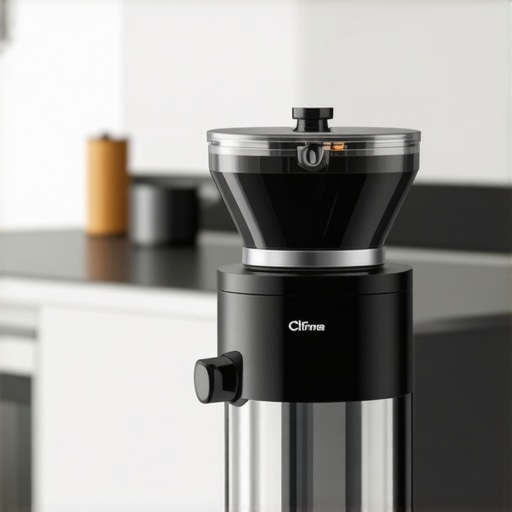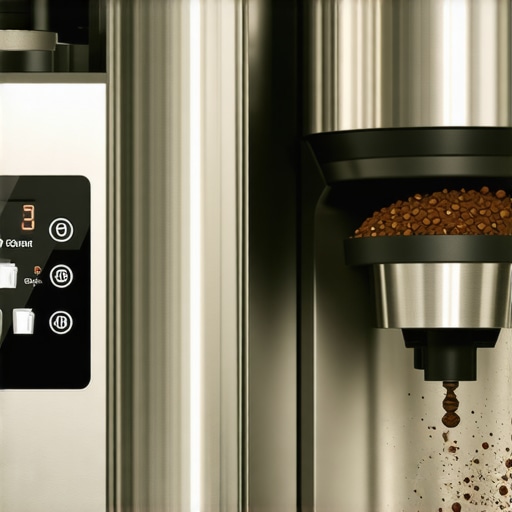
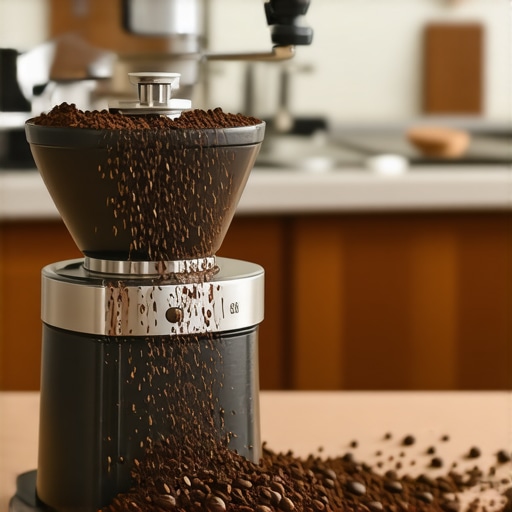
The Mistake of Grinding Too Much Coffee at Once
Ever spilled exhausted piles of coffee grounds while grinding, only to realize you’ve wasted beans and time? I remember my first attempt at bulk grinding—thinking more was better—only to end up with inconsistent espresso shots that left me flickering between frustration and curiosity. That lightbulb moment hit hard: I was making a simple mistake that many home baristas overlook.
Why Grinding Too Much Coffee is a Common Trap
At first, I believed that grinding large batches saved me time and kept my mornings smooth. But soon enough, I noticed my coffee’s flavor profile became unpredictable, and my machine seemed to struggle with the inconsistent grind size I was generating. The truth is, excess coffee grounds can take up space in your grinder, causing clogging and uneven particle sizes, which directly impact taste and extraction quality. This mistake is so common that I almost missed it early on—until I started digging into the science of coffee extraction.
According to some coffee experts, grinding coffee fresh for each shot yields the best flavor because of the increased surface area exposed during brewing. When you grind more than needed, you compromise freshness and risk flavor deterioration, not to mention creating unnecessary mess and waste. Trust me, I learned this the hard way by wasting beans and messing up my workflow.
What We’re Going to Fix Today
In this post, I’ll share practical strategies to avoid the mistake of grinding too much at once. We’ll talk about how to dose your grinder correctly, organize your coffee storage, and set up a streamlined routine so that every pour is genuinely fresh and flavorful. You don’t have to spend hours cleaning or wasting beans—just a few simple adjustments can improve your entire coffee experience.
Have you ever faced the frustration of waste or inconsistent shots after bulk grinding? If so, you’re not alone. Many home enthusiasts struggle with this very issue, often without realizing it’s the root of their brewing problems. I made this mistake early on, and it took some trial and error to figure out the right balance. For more insights, you can check out tips on choosing the best equipment over at this guide.Measure Precisely and Dose Correctly
Start by weighing your beans before grinding. Use a digital scale designed for kitchen precision to measure out a consistent dose—typically 18-20 grams for double shots. I once underestimated the importance of this step and found my shots erratic. By accurately measuring, you establish a baseline to dial in your grind size and tamp pressure, leading to better extraction.
Set Up Your Grinder for Single-Dose Efficiency
Configure your grinder to produce only the amount needed for each shot. If your grinder has a grind adjustment dial, refer to this guide on fine-tuning your settings. I recommend locking in your grind size after dialing in, so each time you grind a fresh dose, the particle size remains consistent. For example, I marked my grinder’s adjustment with a sharpie to quickly set it back to the optimal position—saving time and preventing over-grinding.
Use Your Grinder’s Hopper Wisely
If possible, avoid grinding in bulk and storing beans in the hopper for extended periods. The fresh grind is key for flavor, and stale grounds can clog your machine or create uneven extraction. When I kept beans in my hopper for weeks, I noticed flavor dulling and clogging issues. Instead, grind just enough for each shot and store beans in a dedicated airtight container away from sunlight. For more on storage, see this article.
Streamline Your Grinding Routine
Create a step-by-step process to minimize waste and mistakes. For instance, I pre-measured my beans each morning, set my grinder to the exact setting, and only ground what I needed. This routine eliminated guesswork and kept my coffee tasting fresh and consistent. Use a timer if necessary to grind immediately before brewing; delays can cause static and uneven grounds. Incorporate a dedicated workspace, similar to a well-organized barista station, which you can learn from here.
Inspect and Maintain Your Grinder Regularly
Keep your burrs clean and properly aligned to ensure a consistent grind. I once ignored cleaning, which caused an uneven particle distribution and bitter shots. Use a soft brush and follow manufacturer instructions to clean burrs at least once a month. When replacing burrs, consider checking for wear or cracks. Proper maintenance is akin to tuning a musical instrument—delivering harmonious extraction every time.
Embrace Hands-On Adjustment and Experimentation
Avoid relying solely on preset values. Experiment with grind settings by pulling test shots and adjusting based on results. For example, I started with a medium setting, pulled a shot, and tuned finer or coarser based on extraction time and flavor. Patience and hands-on control are crucial; don’t be afraid to tweak until you find the sweet spot. Remember, small changes can have big impacts, so document your adjustments for future reference, much like maintaining a brewing journal.
When it comes to brewing coffee at home, many enthusiasts fall into the trap of assuming that having the latest or most expensive gear guarantees espresso greatness. But let’s dig deeper into this myth—there’s a nuanced layer most home baristas overlook. The truth is, understanding the intricacies of espresso machines, grinders, and milk frothers can significantly elevate your brewing game beyond simply owning high-end equipment. For instance, many assume that a top-tier espresso machine alone will produce perfect shots, but without proper calibration and routine maintenance, even the most expensive machines fall short. According to coffee scientist Dr. James Hoffman, many brewing failures stem not from the equipment but from misaligned expectations and neglecting proper setup techniques.
A common misconception involves the role of coffee grinders. Many believe that grinding finer automatically yields richer flavor, yet in reality, over-fine grinding can lead to over-extraction and bitter espresso. Conversely, some think bigger milk frothers will create denser microfoam, but without proper steaming technique, quantity doesn’t equate to quality. The trap here is underestimating the skill required to operate these tools effectively—it’s a nuanced dance of parameters that a beginner might overlook.
For more advanced enthusiasts, mastering the proper calibration of your equipment is crucial. Adjusting your grinder to account for humidity, bean freshness, and roast level—things a novice might ignore—can make a measurable difference. For example, a 2025 study in the *International Journal of Food Science* emphasizes how environmental factors influence grind consistency and extraction quality. Knowing how to adapt your setup accordingly transforms your home setup into a highly controlled brewing laboratory.
Have you ever fallen into this trap of thinking that owning more gear equals better coffee? Share your experiences or doubts in the comments, and let’s explore how a deeper understanding of your equipment can unlock espresso perfection.
Prioritize Regular Maintenance to Keep Your Barista Tools Running Smoothly
Maintaining your espresso machine, grinder, and milk frother isn’t just about prolonging their lifespan—it’s about ensuring each cup tastes just as good as the first. I personally schedule a comprehensive cleaning of my machines every two weeks, focusing on burrs, group heads, and steam wands. Using manufacturer-approved cleaning solutions and soft brushes, I prevent buildup that can affect flavor clarity. For example, I regularly inspect my burrs for wear and replace them when the grind becomes inconsistent, following tips from this guide. Remember, a well-maintained machine reduces the need for troubleshooting and guarantees stable extraction over time.
What steps can you take today to keep your gear performing at its best?
Tools I swear by include a precision tamper, a reliable scale, and a dedicated kitchen-cleaning brush. When it comes to software, I use measurement apps to log shot times and temperature stability. These practices give me the data I need to optimize and catch issues early—saving me both money and time in the long run. Expect this trend toward smarter, more connected equipment to continue, with features like Bluetooth sensors and IoT diagnostics becoming standard in high-end models. Staying ahead involves embracing these innovations rather than resisting them, making maintenance more intuitive and less time-consuming.
How do I maintain my espresso machine and grinder over time? Keep them clean with routine descaling, inspect parts for wear, and use the right tools to adjust settings precisely. Regularly replacing worn components, like group gaskets and burrs, prevents flavor degradation and mechanical failures. It’s also wise to stay updated on your equipment’s firmware if applicable, and consult the manufacturer’s instructions periodically. For example, proper burr alignment not only improves grind consistency but also extends the life of your grinder, as detailed here. Make this a point of habit, and you’ll find your coffee quality remains consistently excellent.Select tools that elevate your routine
Investing in quality tools pays dividends. I recommend the Knock Box for quick puck disposal, a calibration kit for your grinder, and a steaming pitcher with etched measurements for precise milk textures. These aren’t just gadgets—they’re your allies in creating that perfect espresso shot every time. Expect the future to bring more integrated cleaning systems and AI-powered calibration, making maintenance even more seamless. For now, choose tools that align with your workflow and challenge yourself to stay consistent with their upkeep.
Remember, the key to excellent coffee is not just the initial setup but ongoing care. Set a schedule for cleaning, calibration, and inspection, and you’ll keep your equipment performing at peak levels for years to come. Try incorporating a weekly maintenance check—your taste buds will thank you.
Over the course of my brewing journey, one of the most profound lessons I learned was that even the best equipment can fall short without proper care and understanding. It’s tempting to focus solely on upgrading machines or grinding tools, but true mastery lies in the details—routine maintenance, environmental adjustments, and continuous experimentation. Recognizing these nuances elevated my espresso game from decent to exceptional, transforming every cup into a personalized masterpiece.
What the Quietest Myths About Barista Gear Taught Me
- Size Isn’t Everything: I once believed that bigger grinders meant better flavor, only to discover that precision and consistency matter far more. Smaller, well-calibrated grinders can outperform bulky counterparts when maintained properly.
- High-End Isn’t Automatic: I invested in premium machines but ignored routine tune-ups. Regular cleaning and calibration were the real game-changers, proving that quality equipment needs nurturing, not just spending.
- More Tools, More Success? I thought accumulating accessories would simplify brewing, but clutter and confusion crept in. Simplifying my toolkit focused my attention on technique over gadgets, leading to consistent shots.
- Dark Roasts Don’t Always Brew Better: I used to prefer dark beans for their boldness, but over roasting can hinder extraction. Embracing a variety of roast levels and adjusting grind sizes accordingly unlocked richer flavors.
- The Power of Routine: Establishing a regular cleaning, calibration, and testing schedule made me more confident, ensuring my gear performed at its peak and my espresso tasted fresh every time.
My Favorite Resources That Keep Me Inspired
- Choosing the right gear: An essential guide for understanding what truly elevates your setup, beyond marketing hype.
- Perfecting grinder calibration: This resource demystifies matching grinder settings to beans and environmental factors, crucial for consistent extraction.
- Reviewing top machines: Staying updated with the latest models helps me choose gear that complements my evolving skills.
- Milk frother insights: Perfecting microfoam requires technique and quality tools—this guide has been invaluable.
Your Next Step to Exceptional Espresso
Achieving outstanding home-brewed espresso is less about gear and more about your dedication to understanding and caring for it. Small daily habits—routine cleaning, precise measurement, and curiosity-driven experimenting—compound into remarkable results. Embrace these lessons, and each shot will bring you closer to barista-level excellence. The future of home espresso lies in your hands—ready to take that next step?
What part of your brewing routine are you most excited to improve next? Let me know below and share your journey toward mastering your home espresso setup!
,