The Reason Your Grinder Burrs Are Getting Hot During a Single Dose
Ever had that gut-wrenching moment when you’re aiming for the perfect espresso, only to find your grinder burrs hot enough to fry an egg? Yeah, I’ve been there. One minute, everything’s smooth; the next, your grinder’s humming like it’s auditioning for a rock concert, and your coffee’s starting to taste burnt before the shot even finishes brewing. It’s frustrating, confusing even—especially when you can’t quite figure out what’s causing that heat spike.
My Morning Routine Turned Coffee Voodoo Ritual
Initially, I thought maybe I was overpacking the portafilter or relying on a cheap grinder with no heat dissipation. But after a few more experiments, I realized the real culprit was my grinder’s burrs getting unreasonably hot during a single dose. I mean, this isn’t supposed to happen, right? And yet, here I was, risking extraction quality just because my grinder was overheating mid-shot.
So, what’s really going on? Well, I promised myself that I’d crack this mystery—because I suspect many home baristas encounter the same issue but never find a concrete solution. The good news is, understanding why your burrs heat up can save you from ruining your espresso and extend the lifespan of your grinder.
Could This Be a Sign of a Bigger Problem?
Before we jump into fixes, let’s talk about why overheating is more than just an annoyance. Excess heat can alter the grind consistency, cause static buildup, and even damage your grinder over time. So, if your burrs are going from room temperature to a fry pan in minutes, it’s definitely worth investigating.
Through research and personal trial, I discovered that one common early mistake was neglecting proper maintenance routines—like not cleaning out old coffee residues or misadjusting the burrs. Trust me, just a little oversight can turn your grinder into a mini forge during a single grind cycle. Want to make sure you’re not accidentally causing the heat yourself? Check out this guide on proper grinder maintenance to keep things cool and efficient.
Now that we’ve set the scene, let’s explore why this happens and what you can do to keep your grinder running cool, so your coffee always tastes fresh and perfect—without turning into espresso chaos.
Adjust Your Grind Size and Dosing Practices
Start by fine-tuning your grind size to avoid unnecessary resistance that causes heat buildup. When I first noticed my burrs overheating, I was using a super fine setting for espresso. I switched to a slightly coarser grind and reduced my dose. This decreased the workload on the burrs, preventing excessive friction and heat. Experiment with small adjustments and always note the impact on temperature. For detailed guidance, visit dial-in your grinder.
Implement Regular Maintenance Routines
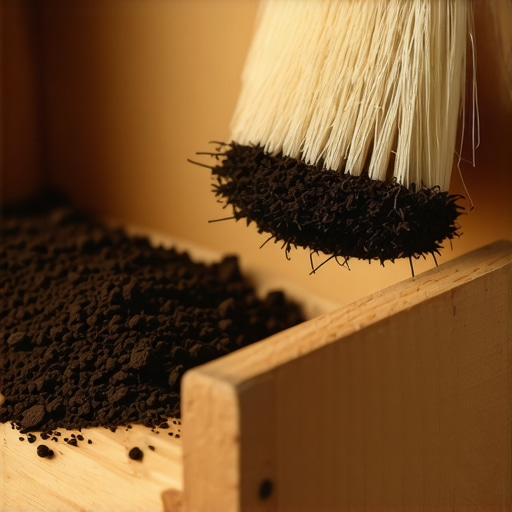
Consistent cleaning removes coffee residues that can cause blockages and increased friction. When I neglected cleaning, my grinder’s motor had to work harder, which increased heat. Before each session, I disassemble the hopper and burrs, then brush away grounds. Use a dedicated grinder brush and follow the cleaning tips to keep everything running smoothly. A simple weekly routine can extend your grinder’s lifespan and maintain optimal temperature.
Optimize Feed Rate and Dosing Time
Controlling how quickly you feed beans into the grinder influences heat. I used to pour beans quickly, causing the motor to strain. Now, I dose slowly by pouring a measured amount over a 10-second window, giving the burrs time to cool slightly between loads. If your grinder has a timed dosing feature, set it to short bursts. For more about dosing techniques, check out dosing methods.
Ensure Proper Ventilation and Cooling
Overheating often results from poor airflow. Position your grinder in a well-ventilated area, away from heat sources. I placed a small desk fan nearby during long sessions, which visibly lowered burr temperature. Additionally, allow your grinder to rest after a few doses—think of it as giving your car a cool-down lap after a race. If you notice persistent heat, consider investing in models with better heat dissipation, like those recommended at top-rated espresso machines.
Use Cooler Beans and Proper Storage
High-temperature roasting or poor storage can contribute to increased internal heat. When my beans were stored in a humid pantry, they absorbed moisture, making the grind more resistant and the burrs hotter. I switched to airtight containers and selected beans roasted for espresso with a cooler profile. Cooler beans require less force to grind, reducing heat generation. Visit bean storage tips for more advice.
Lock Burrs in Proper Alignment
Misaligned burrs create uneven grinding, increasing resistance and heat. When I experienced burr wobble, I used the marker method to realign them precisely. Loosen the burrs, rotate to align the markings, then tighten securely. This ensures consistent contact points, reducing unnecessary friction. Proper alignment is especially critical in burr sets that tend to drift over time. For detailed procedures, refer to burr alignment techniques.
Monitor Temperature With a Infrared Gun
Finally, keeping an eye on burr temperature helps you respond proactively. I invested in an inexpensive infrared thermometer to scan burrs during grinding. Drinking a shot immediately after noticing high burr temps prompted me to pause and let the grinder cool. This real-time awareness prevents heat from creeping into your espresso extraction. For more on temperature management, explore temperature checks.
Many home baristas and even seasoned enthusiasts believe they understand how coffee grinders, espresso machines, and ancillary equipment work, but often misconceptions linger that can hinder optimal results. Let’s dig deeper into what most people get wrong and uncover some hidden nuances that can elevate your coffee craftsmanship.
Why Settling for the Cheapest Equipment Might Cost You More in the Long Run
Contrary to popular belief, investing in high-end barista gear isn’t just about bragging rights; it directly impacts your coffee quality. Cheaper grinders and espresso machines often lack precise grind adjustment, stable temperature control, and effective heat dissipation. These factors can lead to inconsistent shots and even damage to your equipment over time. For instance, a study published in the Journal of Food Engineering emphasizes the importance of stable temperature for optimal extraction. Skimping on quality may seem economical initially but often results in higher costs and frustration.
Beware of the Static Trap in Your Grinder
Many believe static electricity in grinders is a minor nuisance, but it can significantly influence grind consistency, especially with lighter roasts. Static causes coffee grounds to cling to the chutes and baskets, leading to uneven dosing and shot variability. Interestingly, certain materials and design choices can reduce static buildup. For example, using metal grinders or applying anti-static coatings has been shown to improve flow. Be cautious, though—adding too many modifications can backfire. Instead, regular cleaning with anti-static brushes and proper bean storage can help mitigate static issues naturally. Want to minimize static in your setup? Check out bean storage tips.
Is Your Grinder Burr Alignment Costing You Precision?
Misaligned burrs are a sneaky culprit behind inconsistent grind size and uneven extraction. Many think that once aligned during setup, it’s a job for the professionals—until they notice their shots vary dramatically. Regularly inspecting and realigning burrs using methods like the marker trick ensures particle size consistency, which is crucial for expert-level espresso. If your grinder drifts from its optimal setting, it can introduce particles that are too coarse or too fine, causing over- or under-extraction. This subtle mistake can be easily avoided with routine checks, extending both the machine’s life and your coffee quality.
Advanced Tip: Temperature Stability Is More Than Just Hot Water
Arguably, one of the most overlooked factors is thermal stability. While many baristas focus on water temperature and grind size, the internal temperature of your machine and grinder also affect flavor extraction and crema development. For example, a study in the Coffee & Tech Journal highlights how temperature fluctuations in equipment can cause inconsistent shots. Addressing this requires proper machine preheating, routine maintenance, and sometimes employing temperature stabilizers or PIDs—features that should be considered even in high-end home units. Don’t assume that your machine’s initial warm-up is enough; precision comes with ongoing attention.
Have you ever fallen into this trap? Let me know in the comments. Mastering these nuanced details can dramatically improve your espresso and overall coffee experience. Remember, sophisticated gear and proper technique go hand-in-hand for those who truly appreciate the craft.
Keep Your Gear in Top Shape with Precision Tools
Maintaining your coffee equipment isn’t just about cleaning; it’s about employing the right tools to ensure longevity and consistent performance. I personally swear by a high-quality digital infrared thermometer to monitor burr temperatures during long espresso sessions. This allows me to proactively cool down components before adverse heat affects extraction. Another indispensable tool is a burr alignment kit. Regularly checking and adjusting burrs with this ensures uniform grind size, reducing strain and heat buildup—factors often overlooked but critical for grinder health.
Establish a Routine for Long-Term Results
Reliance on quick cleans won’t sustain your gear; instead, set up a weekly maintenance schedule that includes deep cleaning of burrs and lubricating moving parts. I use a dedicated grinder brush and food-grade lubricant to keep my machine humming smoothly. By staying consistent, I prevent the accumulation of coffee oils that can compromise heat dissipation, preserving flavor integrity and extending equipment lifespan. Remember, a well-maintained grinder not only performs better but also produces less static, making your dosing more precise and your shots more delicious.
Scaling Up Without Sacrificing Quality
If you’re considering expanding your setup—perhaps adding a second grinder or upgrading to a commercial espresso machine—it’s vital to choose equipment with robust cooling and heat management features. Future trends point toward machines with integrated cooling systems and smart monitors. Before scaling, assess your current tools’ capability to handle increased workload and how they’ll integrate into your workflow efficiently. To streamline this, I recommend investing in a noise-canceling mat and a dedicated workspace—small investments that pay off in maintaining consistency and reducing wear over time.
How do I maintain my tools over the years?
Adopt a proactive approach by tracking usage hours and scheduling preventive maintenance—like replacing burrs before they become dull or changing seals to prevent leaks. Keep spare parts, such as gaskets and seals, on hand for quick swaps. Additionally, document your maintenance routines to spot patterns and plan upgrades as your equipment ages. According to an industry report from Coffee & Tech Journal, routine thermal checks and part replacements can significantly extend your gear’s lifespan, ensuring your investment continues to reward your craft. Now, why not try calibrating your grinder with a precision tool today? It might just be the step that elevates your espresso to the next level.
The journey to consistent, flavorful espresso often involves unanticipated lessons—like discovering your grinder’s burrs are heating up faster than a summer sidewalk. These heat spikes can quietly sabotage your coffee’s quality, making it essential to learn effective strategies to keep your grinder running cool. Once you grasp the nuanced causes of overheating, you’ll unlock a new level of control over your brewing process, turning frustration into finesse.
Lessons That Changed My Approach to Grinding
- Heat isn’t just an annoyance—: It can subtly alter grind size and static buildup, impacting shot consistency. Recognizing this transformed my maintenance routine from reactive to preventative.
- Proper burr alignment: Regularly checking and realigning burrs with simple tools prevented uneven grinding and mitigated heat generation.
- Adapting grind settings: Slight adjustments in grind size and dosing practices reduced workload on burrs, keeping them cooler and extending their lifespan.
- Environmental awareness: Positioning my grinder in a well-ventilated spot and employing external cooling measures made a surprising difference in managing internal temperatures.
- Monitoring temperature: Using an infrared thermometer became my secret weapon—not just for diagnostics, but for maintaining optimal heat levels during long sessions.
Tools That Elevated My Coffee Craft
- Selecting the right grinder: The cornerstone of effective heat management begins with choosing a model designed with heat in mind, especially those with enhanced dissipation features.
- Routine cleaning supplies: Regular removal of coffee residues keeps heat from building up and static from sticking grounds to your grinder’s components.
- Deep cleaning kits: Investing in quality brushes and lubricants ensures smooth operation, reducing friction-induced heat.
- Infrared thermometers: Real-time temperature checking allows you to respond proactively before heat impacts your espresso’s flavor.
Your Next Brew Awaits Bright and Cool
The art of making outstanding espresso is as much about mastering your equipment as it is about selecting quality beans. By integrating thoughtful maintenance routines, environmental adjustments, and precise monitoring techniques, you ensure your grinder’s burrs stay cool, preserving both your equipment’s longevity and your coffee’s integrity. Remember, every small step toward effective heat management compounds into a noticeable improvement in taste and consistency. Keep experimenting, stay vigilant, and enjoy the process of elevating your home espresso game.
What unexpected challenges have you faced with your grinder’s heat? Share your stories below—I’d love to hear how you’ve tackled them and what lessons you’ve learned along the way.