The Simple Way to Check Your Machine’s Water Temperature at the Group
Imagine this: you’re gearing up for an impressive espresso shot, every detail seemingly perfect—yet somehow, the water temperature at the group head feels off. It’s a subtle but persistent nagging thought: is my machine brewing at the right temperature? I used to struggle with this unseen variable for years, often wondering why my shots tasted flat or overly bitter, despite following all the recommended routines. That lightbulb moment came when I realized that my biggest hiccup wasn’t in the grind size or tamping pressure, but in something far simpler yet overlooked—actual water temperature at the brewing point.
The Importance of Knowing Your Water Temperature at the Group
Getting the temperature right is crucial for a balanced and flavorful extraction. Even a slight deviation can turn a promising brew into an underwhelming cup, or worse, cause your machine to wear out faster. But here’s the kicker: many home baristas and even seasoned enthusiasts overlook the status quo—measuring and adjusting water temperature directly at the group head. That’s like trying to guess the length of a piece of string without measuring it. You might get close, but you won’t know for sure. I discovered that a straightforward check, done regularly, could save my shots and extend the lifespan of my favorite machine.
Start With a Reliable Thermometer
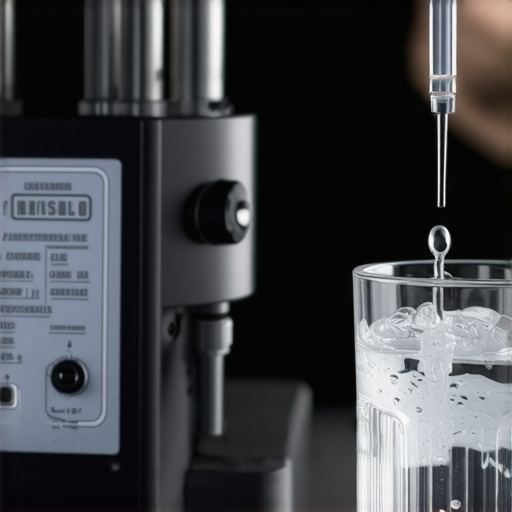
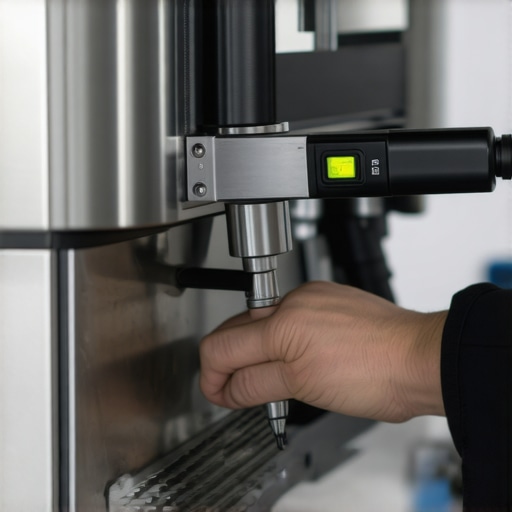
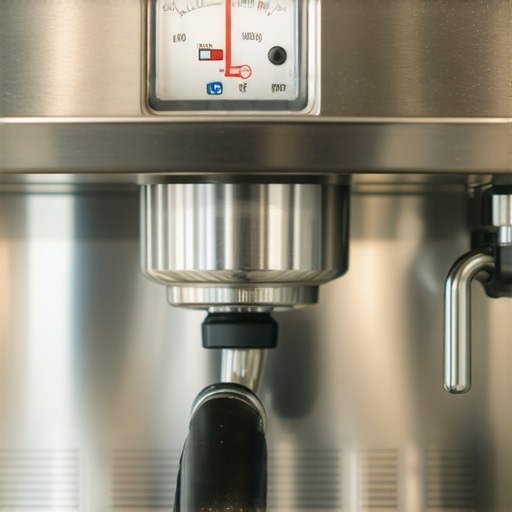
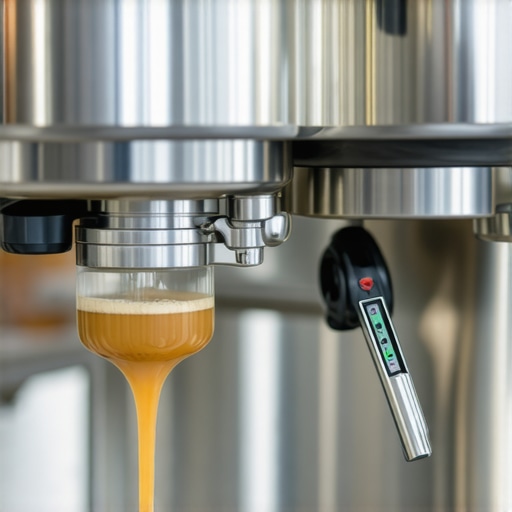
Place a high-quality digital thermometer with a probe directly into the water stream at the group head. Turn on your espresso machine and run a shot without coffee, ensuring water flows through the brew pathway. Record the temperature once stable—most machines aim for around 200°F (93°C). I once used a cheap infrared gun, but it only measured the surface, giving inaccurate readings. Upgrading to a probe thermometer gave me precise data, dramatically improving shot consistency.
Adjust Your Machine’s Settings Strategically
Most modern machines have a PID controller or temperature dial. For machines with a dial, gently turn it while observing your thermometer until you reach the optimal range. If your machine has a PID, tweak the settings in the menu—start with the manufacturer’s recommended temperature and fine-tune by 1-2°F increments. Remember, small adjustments lead to big taste improvements. For instance, I increased my brew temperature by just 2°F, which significantly enhanced the extraction and flavor profile of my espresso.
Heat the Group Head Independently
When your machine’s temperature isn’t stable, preheat the group head. Run hot water through it for several minutes before pulling a shot. This practice replicates the effect of commercial machines, ensuring the group is at the desired temperature. I once forgot this step on a chilly morning, and my shots tasted flat. Preheating the group head brought back the richness I was missing. Consider installing an external group head heater or using a dedicated hot water source for better consistency. Learn more here.
Maintain Consistent Water Supply and Flow
Flow inconsistencies can cause temperature fluctuations. Use a high-quality water filter to prevent mineral buildup that affects the water’s conductance. Also, ensure your pump operates smoothly; a vibrating or uneven pump can alter water temperature slightly. I cleaned my machine’s water inlet and replaced worn-out hoses, which stabilized water flow and improved temperature accuracy. Regular maintenance like descaling is essential—check your machine’s manual and schedule cleaning to keep everything running at optimal temps. For detailed steps, visit this guide.
Monitor and Record for Best Results
Keep a log of your temperature readings, adjustments made, and resulting shot quality. Over time, patterns emerge, helping you dial your machine in. I used a simple spreadsheet and noted that my shots were consistently better when I maintained a water temp around 202°F. If your shots are off, review your records to identify what changed. Remember, consistency is key in achieving that perfect extraction. Engage in routine checks, especially if you notice flavor shifts or temperature drops—regular monitoring prevents surprises during your espresso sessions.
 Many enthusiasts believe that selecting the latest espresso machine or the fanciest grinder guarantees perfect coffee, but the truth runs deeper. One common misconception is that higher-priced gear inherently delivers better results. While premium equipment can be beneficial, it often leads novices into the trap of overestimating its importance without mastering fundamental techniques. For example, a high-end grinder’s potential is useless if you don’t understand how to calibrate it properly or recognize that inconsistent tamping can negate its advantages. As highlighted by expert baristas, process mastery often outweighs gear upgrades, emphasizing the need to focus on grind size, dose, and tamp pressure over just equipment specs. Moving beyond basics, many get swayed by myths such as “fresher beans always make better coffee,” but in reality, improper storage can lead to stale flavors regardless of roast date. Another advanced mistake involves ignoring water quality’s effect on taste and machine longevity; using softened or overly purified water can chalk up calcium deposits, damaging internal parts. For those seeking to refine their craft, understanding the intricacies of milk steaming and foam texture is essential. Many home baristas rely solely on milk frothing gadgets without grasping the importance of pitcher angle, steam tip positioning, or temperature control—details that dramatically impact microfoam quality. Don’t fall into the trap of assuming all barista gear is equivalent; investing in quality tools like a calibrated thermometer or a precise tamping station can elevate your routine significantly. Explore [mastering the art of home espresso](https://espressotechguide.com/mastering-the-art-of-home-espresso-tips-for-beginners) to avoid common pitfalls and deepen your understanding. Remember, real skill lies in nuance—small adjustments can lead to big flavor improvements. Have you ever fallen into this trap? Let me know in the comments or through our [contact page](https://espressotechguide.com/contact-us). Taking time to hone these subtle points will set apart average brews from exceptional ones.
Building a reliable coffee setup extends beyond your choice of espresso machine or grinder; it hinges on consistent maintenance and the right tools to keep everything functioning smoothly. Investing in quality equipment and knowing how to care for it ensures your coffee remains peak flavor and your gear lasts for years. One crucial piece of kit I rely on is a precision calibration tool, like a calibrated grinder adjustment ring. It allows me to fine-tune grind size accurately, preventing clogs and uneven extraction, which are often signs of misalignment or wear.
Ease of Maintenance with Smart Tools
For ongoing care, I highly recommend a burr cleaning kit. Regularly cleaning burrs eliminates coffee oil buildup that can turn stale and affect taste. Personally, I use a burr cleaning brush combined with a gentle grinder cleaner, which simplifies the process and reduces downtime. Additionally, a sturdy magnetic tamping station keeps your tamping level and protects your workspace, thereby reducing wear on your tamper and portafilter.
Software for Monitoring Long-Term Results
Keeping track of your maintenance routine can seem daunting but using a simple digital log or app helps identify patterns. I maintain a shot log to record temperature, grind adjustments, and any anomalies. This habit drastically reduces guesswork when troubleshooting flavor issues or equipment hiccups, ensuring consistent long-term results.
Ensure Longevity with Routine Checks
One often overlooked aspect is regular descaling, especially in areas with hard water. I set a calendar reminder to run descaling solutions every three months, following manufacturer guidelines. For quick fixes, I also inspect seals and gaskets periodically—replacing them before failure saves you from messy leaks and expensive repairs. A particularly helpful resource is this detailed guide on maintaining lever machine seals, but the principles apply broadly across gear.
Scaling Your Setup without Compromising Quality
As your skills grow, you might consider expanding your setup with accessories like a water softener or an external temperature controller. These enhancements are designed to optimize water quality and temperature stability, respectively. In the future, I predict smart sensors and IoT connectivity will play a greater role, automatically alerting you to maintenance needs before malfunctions happen. Being proactive with tools and routine checks allows you to scale your setup confidently, without sacrificing quality or risking equipment failure.
How do I maintain my barista gear over time?
Consistent care involves periodic deep cleaning and component checks. For example, regularly inspecting and lubricating seals and valves keeps the machine running smoothly. Remember, even high-end gear benefits from simple maintenance routines, so don’t neglect formal checks—your taste buds and wallet will thank you. Start by scheduling routine cleaning with a quick seal lubrication to extend the lifespan of your investment. Better yet, try integrating a daily cleaning habit to keep your gear in top shape. Your future self will appreciate the effort, especially when your espresso tastes perfect every time.
Over the years, I’ve learned that the devil is truly in the details when it comes to crafting perfect espresso at home. One of the most overlooked yet impactful factors is the temperature of water at the group head. Adjusting and monitoring this variable transformed my brewing routine, turning good shots into extraordinary ones. The insights I’ve gathered might just elevate your coffee game in ways you hadn’t imagined.
Lessons from the Bottom of the Coffee Pot
- Temperature consistency beats fancy gear: No matter how state-of-the-art your espresso machine is, inconsistency in water temperature can sabotage your efforts. My breakthrough came when I realized that regular measurement and adjustment are just as vital as choosing the right beans or grinder. Once I committed to this, my shots became more balanced and flavorful.
- Preheat with purpose: Simply running hot water through the group head isn’t enough. I discovered that preheating using an external device or method stabilizes the temperature, especially on chilly mornings. This small step ensures that your espresso starts its journey at the optimal point, setting the stage for a perfect shot.
- Monitoring is the secret sauce: Keeping logs of temperature readings and correlating them with shot quality helped me see patterns. Small adjustments—sometimes just 1°F—made a noticeable difference, proving that precision leads to consistency. Consider adopting a simple method for tracking your brew conditions; it’s a game-changer.
My Essential Gear for Perfect Water Temperature
- A reliable digital thermometer with a probe: Trust me, infrared guns are tempting but often inaccurate for this purpose. Investing in a high-quality probe thermometer gave me the precision I needed to fine-tune my machine.
- A good PID controller or temperature dial: For machines that support it, this enables real-time adjustments. Incorporate it into your workflow to maintain a stable temperature, avoiding the fluctuations that cause sour or flat shots.
- Preheating tools or techniques: Whether it’s a dedicated hot water source or an external heater, prepping your group head before brewing can dramatically improve performance.
Bringing Passion into Your Coffee Ritual
Focusing on water temperature at the group head has been a revelation, reminding me that mastery in espresso relies on paying attention to seemingly small details. The joy in tweaking these variables is not just about technical perfection but about connecting more deeply with the craft of coffee. It’s inspiring to see how such a simple measure can unlock layers of flavor previously hidden in my beans.
If you’re serious about elevating your home espresso, I encourage you to start measuring and adjusting your water temperature regularly. Your palate—and your machine—will thank you for it. Remember, true connoisseurs aren’t born overnight; they refine their craft through patience, observation, and a dedication to quality.
Step Into Your Barista Power
Now it’s your turn to experiment with the water temperature at your group head. Small changes can unleash big flavor improvements. Have you ever noticed how your shots vary during different times of day or seasons? Or perhaps you’ve already begun monitoring your brew temperature—share your discoveries below or reach out via our contact page. Every step you take towards precision gets you closer to that perfect cup.