How to Organize Your Barista Tools for a Faster Workflow
Ever rushed to make your morning espresso, only to find yourself digging through a cluttered mess of tools and accessories? I remember those frantic mornings when I’d spend precious minutes searching for that forgotten tamper or trying to untangle my milk frothing wand amidst a chaotic setup. One day, during a particularly rushed brew, I realized that my disorganized workspace was not just wasting time but also undermining the quality of my coffee.
In this post, I’m going to share how a simple reorganization of your barista tools can drastically speed up your workflow and boost your confidence behind the machine. Whether you’re a home barista looking to streamline your process or someone who’s tired of the daily chaos, these tips will help you regain control and make coffee mornings more enjoyable.
Why Your Cluttered Setup Is Slowing You Down and How to Fix It
Let’s face it—an unorganized barista area is like a never-ending treasure hunt. Every second spent searching for a clean cup or the right filter is a second taken away from perfecting your shot or steaming milk. According to a study by productivity expert Dr. David Allen, clutter can decrease your focus and efficiency significantly—by up to 20%. That’s a lot of lost minutes over time. Imagine what you could do with just a little more order!
Early in my home espresso journey, I made the mistake of tossing my tools into random drawers or stacking them in no particular order. It seemed convenient at the moment, but every morning I’d scramble and fumble, wasting valuable seconds. It took me a while to realize that a thoughtful organization wasn’t just about tidiness; it was about creating a workflow that allows me to focus on the craft, not on finding tools.
One of the simplest yet most effective strategies I adopted was dedicated tool zones—designating specific spots for my grinder, tamping station, milk pitcher, and cleaning supplies. Not only did this reduce my setup and cleanup time, but it also made the entire process more enjoyable. Want to discover how you can implement a similar system? Keep reading, because I’ll guide you through creating an efficient, practical arrangement tailored to your needs.
Create Dedicated Work Zones for Efficiency
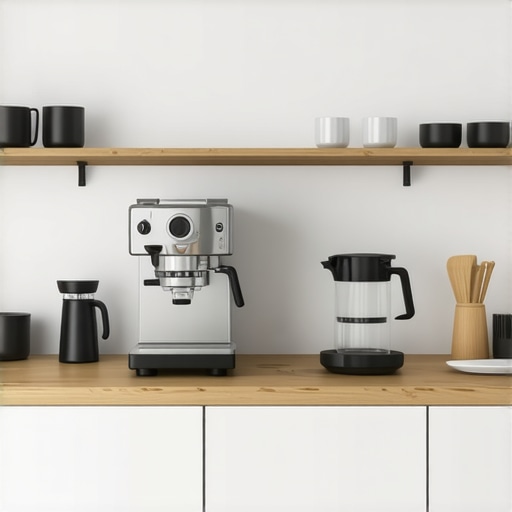
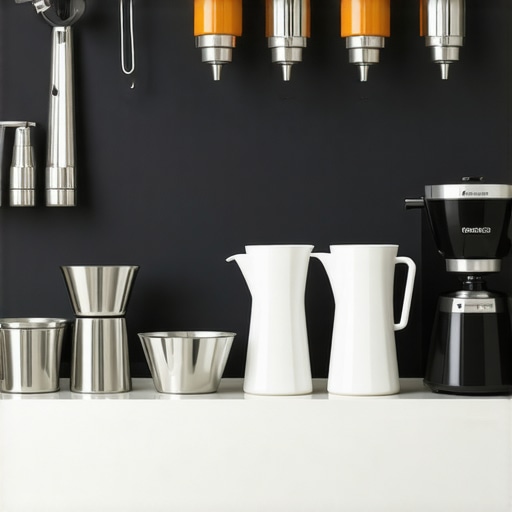
Start by dividing your workspace into specific areas for each tool—grinder, tamper, pitcher, and cleaning supplies. If I recall a morning when I gathered tools from various spots and wasted nearly five minutes searching. After reorganizing into zones, I cut down setup time by half. Use small containers or cups to keep each zone tidy, making tools easy to locate and reducing clutter.
Use Clear Containers and Labels
Gather all accessories—portafilters, filters, brushes—and store them in transparent containers. Label each container clearly so you can instantly identify contents. When I labeled my grinder brushes and cleaning cloths, I no longer fumble through drawers, saving precious seconds during busy mornings. Visit this guide for selecting high-quality barista gear that fits organized setups.
Arrange Your Tools for Quick Access
Position frequently used items within arm’s reach—think of your workspace as a builder’s toolkit. Place your grinder and espresso machine at a comfortable height and distance, enabling a fluid workflow. I placed my milk pitcher and spoon near my steam wand, which allowed for swift milk steaming. This setup is especially useful when preparing multiple drinks, preventing bottlenecks. Check this post for workflow optimization strategies.
Optimize Pipe and Cord Management
Keep cords tucked away using cable clips or velcro straps to prevent accidental tugs or tripping hazards. During a recent messy cleanup, I secured my grinder and machine cords behind my station, which minimized interruptions. A clean setup not only looks professional but also minimizes accidental damage to equipment.
Implement Routine Cleaning Spots
Designate a small tray or container for used tea towels, brushes, and waste disposal. When I created a dedicated space for cleaning tools, I reduced the clutter that accumulated overnight. Regularly scheduled cleanings using these spots keep your station hygienic and prolong equipment life. To maintain optimal water quality, consider this simple tip for water management.
Fine-Tune Your Setup for Extra Speed
Adjust the height of your grinder or brew station to suit your natural movements. Personal comfort reduces fatigue and enhances precision. For example, lowering my grinder slightly improved my dosing speed, making each shot faster without sacrificing quality. Small ergonomic tweaks can transform your routine remarkably. For more detailed advice, visit this article.
Many coffee enthusiasts believe that high-end equipment automatically guarantees perfect espresso, but in my experience, understanding the nuances and pitfalls often matters more than the brand or price tag. A frequent myth is that grinding finer always results in better extraction; however, over-pressing your grind can clog your machine and cause uneven extraction, leading to bitter or sour shots. Instead, mastering proper tamping techniques and burr alignment are the subtle keys to consistent flavor, as emphasized in this detailed guide. Additionally, some assume that milk frothing quality depends solely on the frother’s power, but many overlook the importance of milk temperature and pitcher shape for microfoam. This resource explains how advanced techniques can elevate your milk steaming. Beware of the trap where beginners buy a premium machine and expect flawless results without considering regular maintenance; mineral buildup and worn gaskets can silently diminish performance. Routine cleaning isn’t just about hygiene; it’s vital to preserving pressure and temperature stability, as discussed here. For the serious home barista, questioning the assumption that more features lead to better espresso is vital. Often, simpler setups with precise manual control outperform overloaded machines cluttered with unnecessary functions. Remember, mastering your gear’s nuances—like pressure profiling or grind consistency—can dramatically improve taste, regardless of equipment brand. Did I mention that even the most expensive gear can falter if not regularly tailored and maintained?
Why Do We Overlook These Small Details in Equipment Care?
Focusing solely on the machine without understanding the impact of burr alignment, water quality, or dosing consistency is a common mistake. A study from the Specialty Coffee Association highlights that minor adjustments in grind size and tamping pressure can cause significant flavor variations. So, investing in good habits like frequent calibration and water testing often yields better results than upgrading your equipment prematurely.
If you’re curious about ensuring your gear performs its best, check out this cornerstone content for comprehensive advice. Have you ever fallen into this trap? Let me know in the comments.Maintaining your coffee tools is vital for consistent quality and durability. I personally recommend investing in a dedicated cleaning schedule, which includes daily wipe-downs and weekly deep cleans using specialized products like cafiza descaling powder for espresso machines. Regularly inspect seals, gaskets, and burrs, replacing parts promptly to prevent performance dips. For grinders, a monthly burr alignment using the marker method ensures uniform grind size, minimizing channeling issues in your shots. In terms of software, many high-end espresso machines now come with firmware updates—installing these updates can improve temperature stability and grinding accuracy, prolonging the lifespan of your equipment.
Predicting future trends, I see smart home integration becoming more prevalent; machines with IoT connectivity will monitor usage and recommend maintenance proactively, reducing downtime. To keep your gear performing optimally, I suggest setting reminders for routine calibrations and cleaning, and maintaining a log of repairs and upgrades.
How do I maintain my setup over time?
For long-term reliability, it’s critical to develop a disciplined maintenance routine. Start by setting weekly checklists that include cleaning your grinder and backflushing your espresso machine. Use tools like a calibration scale to verify dosing accuracy periodically, and note any deviations over time, which could signal worn components. When replacing parts such as water filters or seals, always refer to manufacturer guidance to ensure compatibility. A good practice is to subscribe to equipment-specific newsletters or forums—such as those discussed in this resource—which provide updates on common issues and solutions. Regular upkeep not only saves money but also ensures your gear continues to produce exceptional coffee for years to come.
For example, a detailed guide on aligning grinder burrs using the marker method can be found here. Implementing this tip can prevent inconsistent grinds, leading to better shots. I encourage you to pick one maintenance tip from this article and integrate it into your routine this week—your taste buds will thank you.
What I Wish I Knew When I Started Diving into Home Espresso Equipment
Initially, I thought that investing in high-end gear would instantly elevate my coffee game. However, I soon realized that the real magic lay in understanding the nuances of maintenance, calibration, and organization. For instance, regularly aligning my grinder burrs using the marker method profoundly improved shot consistency. That simple step was a game-changer, yet I overlooked it for months.
Another lesson was recognizing that water quality and routine descaling are as vital as the machine itself. I used to dismiss this, thinking only about the machine’s features. Now, I know that the tiniest mineral buildup can significantly affect flavor and longevity. Trust me, mastering these small details often outperforms expensive upgrades.
My Essential Toolbox for Elevating Your Home Espresso Experience
Whenever I want to refine my setup, I turn to a few trusted resources: this comprehensive guide helps me pick the right gear that matches my skill level and space. For tuning my grinder, the marker method is indispensable—simple yet effective, it ensures uniform grind size, which is crucial for a perfect extraction. I also rely on this article to understand how ambient conditions can influence grind consistency. These tools and insights empower me to troubleshoot and enhance my coffee regularly.
Seize the Moment: Make Your Coffee Dreams a Reality
The journey into home espresso isn’t just about equipment; it’s about cultivating confidence, patience, and curiosity. Every adjustment you make, from cleaning the steam wand to calibrating your grinder, is a step toward mastery. Remember, the best barista isn’t those with the most expensive gear but those who are passionate about the small details that make every shot special. So, start today—your perfect cup awaits just beyond your routine.