Why Your First Shot of the Day Always Tastes Sour
Startling as it sounds, the first shot of espresso I pull in the morning often hits my taste buds with a sharp, sour punch—a taste I dread to face before my first sip coffee ritual. I used to think it was just my machine being stubborn or my beans needing a break, but after plenty of experimentation and a few costly mistakes, I discovered that the real culprit was more about my routine than the equipment. This frustrating problem not only wrecked my mood but also made me question whether I was really brewing at home or just wasting good beans.
The Day I Realized My Morning Brew Was Going Sour
One dull morning, I was ready to enjoy my usual ritual of grinding beans, pulling a shot, and savoring that perfect crema. But instead, I was met with a harsh, sour flavor that lingered uninvited. I looked at my setup—clean machine, fresh beans, and all the right accessories—and still, that sour taste persisted. It was like my espresso had a mind of its own, punishing my attempts at a decent brew. I was about to give up until I decided to dig deeper, and what I found was a sneakily overlooked detail: the temperature and freshness of my equipment.
The Promise: Turning Sour Shots into Sweet Success
Today, I’ll share with you the key reasons behind that consistently sour first shot and, more importantly, how you can turn it around. The fix involves understanding your gear, adjusting your routine, and avoiding common pitfalls—whether you’re new to home brewing or have been chasing that perfect shot for years. By the end of this post, you’ll have practical tips that will help your morning espresso taste as good as or even better than your favorite coffee shop.
Is Overhyping the Perfect Shot Really Worth It?
I admit, I was skeptical at first. I’d read countless articles emphasizing temperature precision and grind consistency, but I wondered: Does it really make that much difference? Turns out, yes. Early on, I made the mistake of ignoring the importance of preheating my machine and grinder, which caused drastic shifts in shot quality. Once I started paying attention to these details, the sourness faded away—proving that technical tweaks can truly elevate your coffee.
Supporting this, a study highlighted that maintaining precise brewing temperatures significantly impacts espresso flavor, reducing undesirable sourness or bitterness. So, if your first shot consistently disappoints, it’s worth reevaluating your approach rather than blaming your beans or expensive equipment. Curious? Let’s dive into easy adjustments that will have you dialing in your brews like a seasoned barista. And if you need help with the right tools, check out [this guide on barista gear](https://espressotechguide.com/choosing-the-best-barista-gear-for-coffee-enthusiasts) to get started.
Preheat Your Equipment for Consistent Results
Start by warming your espresso machine and grinder. Turn on your machine 15-20 minutes before brewing to let it reach optimal temperature. For your grinder, pulse it a few times to stabilize the burrs—a technique akin to warming up a camera lens before shooting. I once forgot to preheat, and my shots were sour, but after giving the machine ample warm-up, the flavor smoothed out and became more balanced.
Dial in Your Grind Size and Dose Precisely
Adjust your grinder to a slightly finer setting if your espresso pulls too quickly and tastes sour. Use a scale to dose your coffee accurately—aim for around 18-20 grams. I once experimented by incrementally tightening the grind and found that a superfine setting reduced sourness significantly. Think of your grind as the bridge between flavor and extraction; too coarse, and you risk under-extraction, leading to sour notes; too fine, and over-extraction causes bitterness. Use a coffee grinder guide to find the right match for your beans and machine.
Ensure Proper Tamping Technique to Compress Grounds
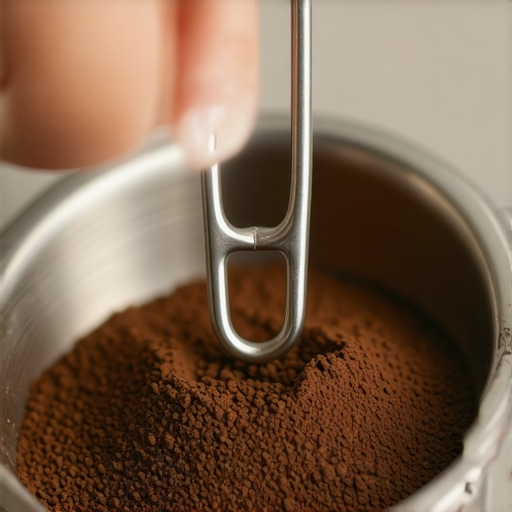
Apply even pressure—about 30 pounds—to tamp your coffee. Imagine pressing down on a spring; consistent force avoids uneven channels. During my first attempt, I pressed too lightly, which led to fast, sour extraction. After shimming my tamping effort, the shot improved. Consider using a precision tamper for better control.
Manage Water Temperature and Pressure
Set your machine to brew at 195-205°F (90-96°C). Most high-end machines allow manual temp adjustments; if yours doesn’t, aim to warm your portafilter beforehand. Run a blank shot without coffee to check temperature stability. Want to confirm your machine’s accuracy? Use a coffee scale calibration method. Also, check that your pump pressure is around 9 bars. If shots are sour despite good technique, your pressure may be off—consult your machine’s manual or a technician.
Optimize Extraction Time and Flow Rate
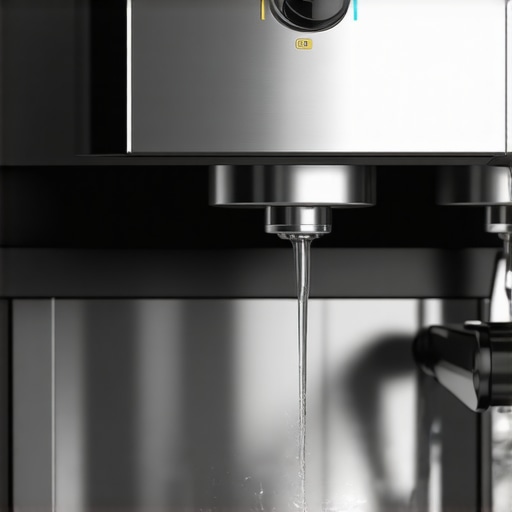
Aim for a shot time of about 25-30 seconds. If your shot pulls too fast, reduce grind size or tamp harder; if too slow, coarsen the grind. Watching the flow is like observing a waterfall—steady and consistent is key. I once experienced rapid, sour shots when I failed to adjust for ambient humidity, which affected grind resistance. Experiment systematically, and keep notes on your adjustments.
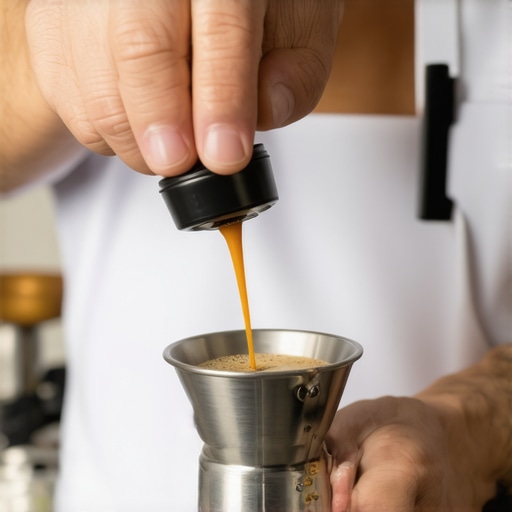
Use a visual guide to identify proper flow rate during extraction and avoid sourness by ensuring a steady, bean-like drip pattern.
Maintaining Equipment for Consistent Flavor
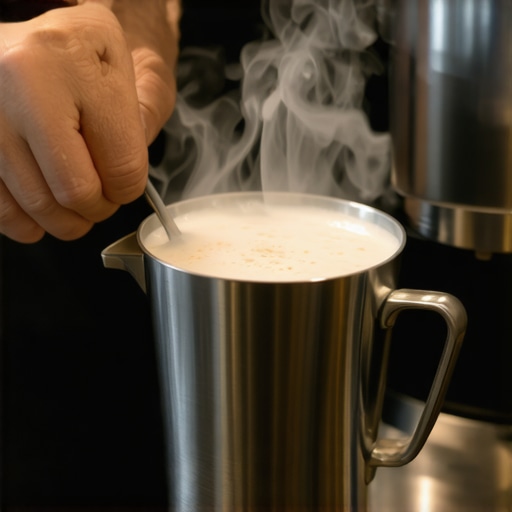
Regularly clean your group head, portafilter, and filters to remove oils and residues that can affect taste. Disassemble your machine’s parts weekly, soaking and rinsing thoroughly. I once ignored cleaning, which led to off-flavors, but after adopting a cleaning schedule, my shots stayed fresh and balanced. For delicate milk steaming, ensure your steam wand is free of mineral deposits—use a descaling solution periodically. Refer to a milk frother cleaning guide for detailed steps. Proper maintenance ensures your espresso remains tart-free and flavorful.Many home baristas jump into upgrading their espresso gear based on popular myths, but understanding the subtleties can make a significant difference in your brew quality. One widespread mistake is assuming that investing in expensive equipment guarantees perfect shots. While high-end machines and grinders can help, they are not magic bullets; proper technique and understanding of the nuances are crucial. For example, some believe that a super-precise burr grinder automatically leads to consistent espresso, but even the best grinder needs correct calibration and regular maintenance to perform optimally. Overlooking these details often results in disappointing shots despite costly gear.
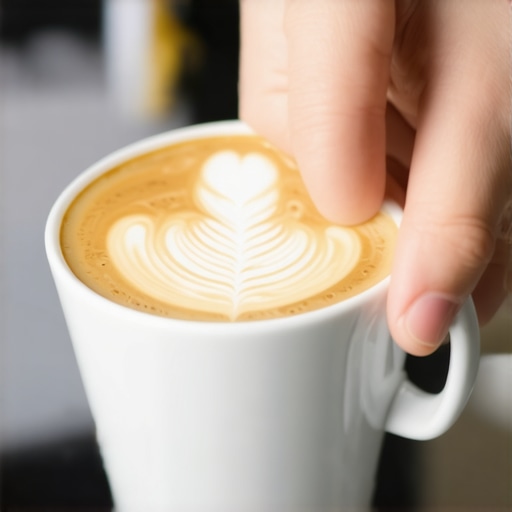
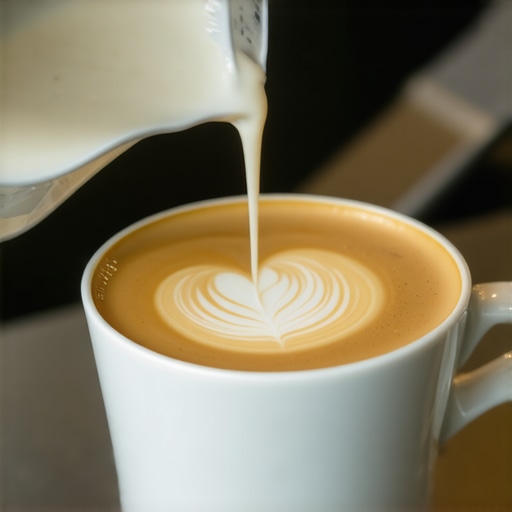
Moreover, there’s a prevalent misconception that milk frothers are all created equal—many think that any frothing device will produce microfoam, but the reality is quite different. The quality of milk frothing depends heavily on the type of frother, milk temperature, and technique. Using a generic or low-quality frother can leave you with flat or over-foamed milk, ruining your latte art endeavors. Check out [this guide on milk frothers](https://espressotechguide.com/milk-frothers-that-transform-your-coffee-experience) for deeper insights.
Advanced enthusiasts know that the choice of espresso machine impacts not just convenience but also consistency. Many overlook that temperature stability during extraction is vital, especially with less expensive models that lack PID controllers. These machines can produce temperature swings, leading to sour or bitter shots—something many assume is only a problem with professional-grade equipment. To mitigate this, some opt for inline temperature controllers or invest in machines capable of precise temperature management.
A critical trap most home brewers fall into involves grinder settings. The temptation to rely solely on presets or guesswork can sabotage your process. A common mistake is adjusting grind size without paying attention to dose, tamping pressure, or machine pressure. This approach ignores the complex interaction between variables that determine extraction quality. For insights, I recommend looking into systematic calibration methods to fine-tune your setup, as discussed in [this detailed guide](https://espressotechguide.com/how-to-select-the-perfect-coffee-grinder-for-your-brew).
Finally, many believe that branding is the key indicator of quality. While reputable brands often produce reliable gear, an expensive machine isn’t inherently better if you’re not leveraging its full potential. Regular maintenance, proper calibration, and technique mastery often matter more than the brand name. Neglecting these can turn high-end gear into just expensive clutter, leading to mistakes like neglected cleaning routines or misaligned components.
By understanding and addressing these overlooked nuances—like proper calibration, maintenance, and technique—you elevate your home espresso game. Remember, mastering your gear’s intricacies and avoiding common pitfalls will consistently improve your coffee. Have you ever fallen into this trap? Let me know in the comments or reach out through [contact us](https://espressotechguide.com/contact-us).Maintaining your espresso gear is as crucial as choosing the right beans, especially if you want consistent, café-quality results at home. Regular upkeep not only ensures longevity but also preserves the flavor integrity of your brews. My go-to approach involves specific tools and routines that I rely on daily to keep everything running smoothly. One invaluable item is a quality portafilter cleaning brush, which allows me to meticulously remove oil residues from the basket—avoiding bitter, rancid flavors that extend beyond just cleaning the machine. I also swear by a backflush kit with appropriate cleaning detergents, which I perform weekly to prevent buildup that can affect pressure stability and extraction quality.
How do I maintain my espresso machine over time?
By establishing a dedicated cleaning schedule and using specialized products like descaling solutions, I prevent mineral deposits from scaling up inside the heat exchangers or boilers. For instance, I use a descaling tablet every three months—following manufacturer guidelines—to keep temperature stability sharp. Additionally, investing in a water filter for my water reservoir has significantly reduced lime buildup and improved shot consistency. My routine includes regularly inspecting seals and gaskets, replacing them promptly to prevent leaks or pressure drops. Doing these small but consistent maintenance tasks ensures my machine stays responsive and produces uniform results day after day.
What equipment do I recommend for long-term reliability?
Beyond basic cleaning tools, I utilize a calibrated digital scale to dose coffee precisely, which is critical for consistent extraction and flavor balance. For grinders, I rely on models that feature micrometer adjustments—allowing me to dial in grind size with pinpoint accuracy, especially when switching between different roasts or brewing methods. As the trend toward automation develops, I foresee more espresso machines integrating smart sensors and IoT connectivity for real-time maintenance alerts—making care more intuitive. Staying ahead of these innovations can help hobbyists avoid costly repairs and enjoy optimal performance longer.
Make Your Setup Last by Embracing Smart Maintenance
Incorporating simple habits like weekly backflushing, quarterly descaling, and regular gasket inspections will pay dividends in your coffee quality. Plus, consider upgrading to a high-quality espresso cleaning kit—like those recommended in the top-rated machine list for 2025. These small investments in tools and routines can elevate your brewing game and prevent avoidable breakdowns over time. Want to get more detailed tips? Check out mastering home espresso basics and integrate these essential maintenance practices today. To really fine-tune your routine, I recommend a dedicated gasket repair kit—it’s saved me from costly tech calls and kept my shots consistently balanced. Try one of these advanced tips and notice how your machine stays in peak condition—your taste buds will thank you!
The Hardest Lesson I Learned About Milk Frothers and Home Espresso
My biggest revelation was realizing that even the most advanced milk frothers can’t compensate for imperfect technique or neglected maintenance. I used to believe that buying a high-end frother guaranteed silky microfoam, but I discovered that mastering steam wand handling and milk temperature is equally vital. Ignoring routine cleaning and calibration led to flat, disconnected textures—an eye-opener about the combo of gear and skill.
Why Equipment Alone Won’t Brew the Perfect Coffee
I used to think that a shiny espresso machine or a premium grinder would solve all my problems, but I learned that consistent results come from understanding and tweaking the small details—like tamp pressure, shot timing, and water temperature. The real game-changer was adopting a disciplined routine. For instance, regular cleaning and lubrication of gaskets can prolong equipment life and preserve flavor integrity. Trust me, a well-maintained setup makes all the difference in taste and consistency.
The Truth About Super-Precise Grinders and Coffee Quality
I caught myself falling for the myth that a gourmet grinder alone would make my espresso perfect. What I didn’t realize is that without careful calibration and understanding of grind setting interactions with tamping pressure, even the priciest burrs can produce uneven extraction and sour notes. Incorporate systematic adjustments and keep detailed notes—it’s surprising how small tweaks can resolve stubborn flavor issues. For more insights, check out the guide on selecting the ideal coffee grinder.
Challenging the Assumption: Branding Does Not Equal Greatness
Many enthusiasts believe that buying from top brands guarantees flawless shots. I learned the hard way that even high-end machine models can underperform if neglected or improperly set up. Focus on routine maintenance, calibration, and your own skill development—these factors have been more impactful for my brewing than a hefty price tag. Whether you’re investing in gear or technique, a deliberate approach yields better results than chasing brand name alone.
Transform Your Espresso Experience With These Personal Tips
My biggest takeaway? Consistency hinges on routine. From daily backflushing and cleaning to seasonal descaling, these small habits preserve machine performance and flavor. Upgrading tools like a calibrated digital scale or a precision tamper has immediately improved shot quality. Don’t forget to keep detailed logs of your adjustments—this helps identify patterns and avoid repeating mistakes. Want to elevate your skills further? Read about mastering home espresso for step-by-step guidance.