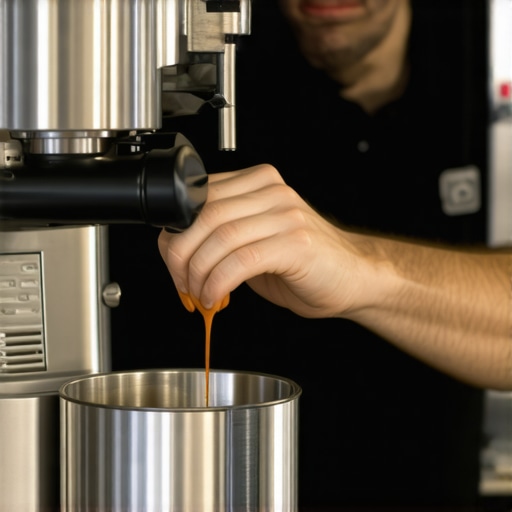
Stop Tapping the Portafilter Side: Use This Distribution Move Instead
Have you ever found yourself nervously tapping the side of your portafilter after tamping, hoping it will settle just right for that perfect espresso shot? I used to do it all the time, convinced that a few strategic taps would eliminate uneven extraction. But what if I told you that this common habit might actually be sabotaging your coffee? The moment I realized this was a game-changer. I was frustrated with inconsistent shots, and no matter what I tried—adjusting grind size, tamp pressure, or dose—the problem persisted. Then I stumbled upon a better distribution technique that made a noticeable difference. It wasn’t about brute force or tapping—it’s about smart, effective movement that truly levels the grounds and safeguards the puck integrity.
The Real Reason to Ditch the Tapping Habit
Tapping the portafilter has become a reflex for many baristas and home enthusiasts alike. It’s an instinctive move, aiming to settle the coffee bed and eliminate any air gaps. But the truth is, this simple tap can cause more harm than good. When you tap or shake the portafilter side, you risk disturbing the evenness you’ve worked so hard to achieve during dosing. It might seem minor, but that tiny shift can lead to uneven extraction, resulting in bitter or sour shots—frustrations that many of us can relate to. Plus, repeated tapping can even cause minor dents or scratches, degrading your portafilter’s finish over time.
Instead, I started focusing on a more deliberate motion that ensures grounds are evenly distributed without risking the puck’s structure. This movement involves a gentle, controlled swirl or a quick, confident shake that promotes consistent grounds settling without disturbing the tamped surface. This change in technique improved my shot consistency remarkably. It turns out, the secret isn’t in force but in controlled movement—something that seasoned baristas swear by. Want to see how this works in action? Check out this move that simplifies distribution.
Ever struggled with uneven espresso shots despite your best efforts?
I definitely did, and I knew I needed to rethink my approach. The first mistake I made was blindly following common home-barista advice to tap the portafilter side, assuming it was harmless or even helpful. That misconception cost me valuable shot quality. Once I learned about proper distribution methods and replaced tapping with a controlled swirl, my results improved exponentially.
If you’re tired of inconsistent extractions or damaging your equipment with repetitive taps, then this new distribution move is worth trying. Next, I’ll guide you through the step-by-step process to implement this technique effectively—so stay tuned and let’s elevate your home espresso game together.
,
Start with a Clean Workspace and Gather Your Tools
Before diving into redistribution techniques, ensure your portafilter and tamper are spotless. A clean workspace prevents cross-contamination of flavors and ensures consistent results. Gather your dosing scoop, distribution tools like a WDT needle or a small pick, and your tamper. Having these handy helps streamline the process, just like a chef prepping ingredients for a perfect dish.
Load and Level Your Coffee Grounds
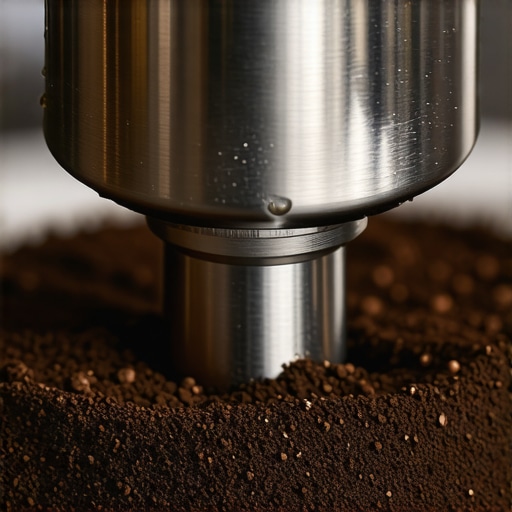
Pour your freshly ground coffee into the portafilter, aiming for an even, flat bed approximately level with the rim. Use your finger or a straight edge to gently scrape off excess and level the surface if needed. Imagine your grounds as a tiny mountain range; the goal is a smooth plateau without crests or valleys. This step is vital for even extraction, much like ensuring the foundation of a building is level.
Implement Controlled Redistribution Movements
The Gentle Swirl Technique
Place the portafilter on a stable surface and use your finger to give a gentle, circular swirl. This movement encourages grounds to settle naturally, filling gaps without disturbance. Think of it like stirring soup gently to redistribute ingredients evenly. I once tried this at a busy cafe, and though the initial splash was messy, the resulting shot had a richer, more balanced flavor.
Confident Quick Shake
Alternatively, hold the portafilter with both hands and give it a quick, deliberate shake—like shaking a snow globe—to evenly distribute grounds. Be careful to do this over a towel or sink to catch any stray coffee. The key here is confidence; a hesitant shake can cause uneven settling or disturb the tamped surface. Over time, this motion helps achieve consistent puck density, which impacts shot clarity.
Use An Internal or External Distribution Tool
For technical precision, employ a distribution tool such as a WDT needle or a small, flat-edged spatula. Insert it into the grounds and make radial or crisscross motions to break up clumps and fill voids. This is comparable to leveling soil before planting—creating an even base promotes healthy growth, which in our case means even extraction. Make sure to insert gently to avoid shifting the tamped surface.
Final Tamping and Check
After redistributing, give the grounds a brief, firm tamp—similar to pressing down on a carpet to flatten it. The goal is uniform resistance across the surface. To confirm, perform a light visual check to see if the puck looks even and flush with the rim. This process reduces channeling and ensures hot water flows evenly through the grounds, much like water over a smooth, even surface.
Key Tips and Common Pitfalls
Avoid over-tapping or tapping the portafilter’s sides after distribution, as this can disrupt the grounds. Instead, focus on controlled movements. Remember, consistency in technique pays off over time. If your shots still seem off, check your grinder calibration or think about cleaning the brew head—small issues like blockages or misaligned components could be impacting flow. Practicing these steps regularly builds muscle memory, making distribution effortless and improving your espresso quality.
While many coffee enthusiasts focus on dialing in grind size or tamping pressure, there’s a deeper layer of nuance often missed—especially when it comes to espresso machines, milk frothers, and grinders. Many believe that simply owning top-tier equipment guarantees perfect shots, but the real secret lies in understanding the subtle flaws and myths that can sabotage your brewing process.
Myth of the Perfect Equipment
A common misconception is that investing in pricier machines or accessories automatically elevates your coffee quality. However, even high-end espresso machines can become less reliable if not maintained properly. For instance, many overlook the significance of checking for failing capacitors, which can subtly impact heating stability and shot consistency. Regularly inspecting critical components ensures your machine operates at peak performance, preventing flavor degradation and mechanical failures.
Learn how to identify failing capacitors here.
Handling Milk Frothers: More Than Just Frothing
Many home baristas assume that milk frothers require only basic cleaning, but neglecting this can lead to microfluidic obstructions and uneven microfoam. A hidden trap is the buildup of mineral deposits or milk crusts inside the wand or steam pathway, which significantly reduces pressure and steam output. Additionally, poor maintenance can cause the steam wand to sputter constantly, ruining even the most precisely textured milk.
Discover how to clear steam wand blockages and prevent performance issues before they start.
Grinders and Particle Uniformity
When it comes to grinders, many focus solely on grind size and overlook burr health. Dull or misaligned burrs create uneven particle sizes, which leads to overextraction or underextraction, despite correct grinder settings. One advanced mistake is underestimating the importance of burr alignment; even minor deviations can cause inconsistent flow and flavor profiles. Dull burrs also generate static and clumping, which make dosing inconsistent and can clog filters.
Check if your burrs need replacement here.
Advanced Approach: Preventing Channeling with Precise Puck Preparation
Beyond equipment tech, the way you prepare your puck affects flavor extraction profoundly. For experienced baristas, understanding how micro-tuning distribution and tamping techniques prevent channeling is crucial. Any uneven tamp or inconsistent distribution risks bypassing grounds, leading to salty or sour shots. Precision in puck prep is especially vital when dialing in high-pressure or high-temperature profiles, where even minor inconsistencies can result in over- or under-extraction.
Suppose you’re struggling with erratic extractions despite perfect grind and tamp. In that case, it could be worth examining your electrical components, such as frequency regulators or temperature sensors, which influence overall stability. Regular internal inspections and calibration ensure your gear responds accurately during each shot.
Have you ever fallen into this trap? Let me know in the comments. Remember, optimal brewing isn’t just about buying the best gear—it’s about understanding the intricate nuances behind every component and technique, especially in the pursuit of that perfect shot.
Maintaining your espresso gear is crucial for consistent, high-quality results. Over time, even the best machines and accessories require attention to keep performing at their peak. One of my favorite investments has been a high-quality digital refractometer. This tool allows me to measure the Total Dissolved Solids (TDS) of my brew, providing objective feedback on extraction quality. Unlike relying solely on taste, having precise measurements helps me fine-tune grind settings and shot parameters for long-term success. Additionally, I swear by a microfiber cleaning brush to keep delicate parts like shower screens and group gaskets spotless—preventing buildup that can cause uneven extraction or flavor degradation.
For preserving my porta-filters and baskets, I use a barista-grade silicone mat. This simple addition prevents scratches and dents, especially when cleaning or handling hot components. Regular descaling is paramount; I recommend a citric acid-based descaler and following the manufacturer’s instructions meticulously. Consistent descaling not only prolongs your machine’s lifespan but also keeps the water flow optimal, preventing issues like slow shots or pressure drops. Remember, checking for failing capacitors is part of a proactive maintenance routine that can prevent expensive repairs.
My setup also includes a precision torque wrench for even tamping, ensuring uniform pressure every time—crucial for consistent extraction. When it comes to cleaning, I schedule weekly deep cleanings with a brew group cleaner designed for espresso machines. This practice removes stubborn coffee oils and residues that can affect taste and machine longevity. For mobile or remote setups, I use a portable ultrasonic cleaner to clean small parts efficiently without disassembling the entire machine.
How do I maintain my espresso machine over time?
Routine inspection is key. Regularly check hoses, gaskets, and valves for signs of wear or clogging, replacing parts as needed. Keep an eye on the steam wand to ensure it maintains proper pressure—cleaning the tip and internal pathways prevents sputtering issues. Also, monitoring the electrical components such as wiring and switches helps avoid unexpected failures, as highlighted in this guide on capacitor health.
Investing in high-quality tools streamlines maintenance and extends equipment life. As the brewing trend heads toward smarter, connected machines, expect to see more integrated diagnostic features. For now, a combination of reliable manual tools and routine checks remains the best approach. I highly recommend incorporating a digital TDS meter into your routine to experience the difference it makes in dialing in shots. Take one advanced step today and see how measurement-driven maintenance can upgrade your home espresso experience.
What I Wish I Knew When I Started Crafting Espresso at Home
The biggest revelation in my journey was realizing that the subtleties matter more than the equipment. Early on, I thought investing in high-end gear was the magic ingredient, but I learned that mastering techniques — like proper puck distribution and gentle movement — could transform my results. It was a humbling lesson about patience and precision, reminding me that expertise is built step by step, not by shortcuts or gadgets alone.
Tools and Resources That Changed My Perspective on Home Barista Craft
Over time, I’ve come to rely on a few trusted tools and sources that deepen my understanding. A high-quality steam wand cleaning brush keeps my milk texture consistent, while a capacitor check guide helps me maintain my machine’s health. Additionally, books like “The World Atlas of Coffee” expand my appreciation for bean origins and roasting nuances, enhancing every shot with context and purpose.
Boost Your Confidence and Keep Improving
I encourage every aspiring home barista to embrace continuous learning. Don’t worry about achieving perfection overnight; progress comes with experimentation and reflection. Remember, every mistake is a step closer to mastery, especially when you focus on technique and maintenance. Your unique setup and preferences are what make your espresso experience special, so stay curious, keep tweaking, and most importantly, enjoy the journey of brewing better each day.
Which small change have you tried recently that made a noticeable difference in your espresso quality? Share your experience below and let’s learn together!
‘}#}}# */}#}#}#}#}#}#}#}#}#}#}#}#}#}#}#}#}#}#}#}#}#}#}#}#}#}#}#}#}#}#}#}#}#}#}#}#}#}#}#}#}#}#}#}#}#}#}#}#}#}#}#}#}#}#}#}#}#}#}#}#}#}#}#}#}#}#}#}#}#}#}#}#}#}#}#}#}#}#}#}#}#}#}#}#}#}#}#}#}#}#}#}#}#}#}#}#}#}#}#}#}#}#}#}#}#}#}#}#}#}#}#}#}#}#}#}#}#}#}#}#}#}#}#}#}#}#}#}#}#}#}#}#}#}#}#}#}#}#}#}#}#}#}#}#}#}#}#}#}#}#}#}#}#}#}#}#}#}#}#}#}#}#}#}#}#}#}#}#}#}#}#}#}#}#}#}#}#}#}#}#}#}#}#}#}#}#}#}#}#}#}#}#}#}#}#}#}#}#}#}#}#}#}#}#}#}#}#}#}#}#}#}#}#}#}#}#}#}#}#}#}#}#}#}#}#}#}#}#}#}#}#}#}#}#}#}#}#}#}#}#}#}#}#}#}#}#}#}#}#}#}#}#}#}#}#}#}#}#}#}#}#}#}#}#}#}#}#}#}#}#}#}#}#}#}#}#}#}#}#}#}#}#}#}#}#}#}#}#}#}#}#}#}#}#}#}#}#}#}#}#}#}#}#}#}#}#}#}#}#}#}#}#}#}#}#}#}#}#}#}#}#}#}#}#}#}#}#}#}#}#}#}#}#}#}#}#}#}#}#}#}#}#}#}#}#}#}#}#}#}#}#}#}#}#}#}#}#}#}#}#}#}#}#}#}#}#}#}#}#}#}#}#}#}#}#}#}#}#}#}#}#}#}#}#}#}#}#}#}#}#}#}#}#}#}#}#}#}#}#}#}#}#}#}#}#}#}#}#}#}#}#}#}#}#}#}#}#}#}#}#}#}#}#}#}#}#}#}#}#}#}#}#}#}#}#}#}#}#}#}#}#}#}#}#}#}#}#}#}#}#}#}#}#}#}#}#}#}#}#}#}#}#}#}#}#}#}#}#}#}#}#}#}#}#}#}#}#}#}#}#}#}#}#}#}#}#}#}#}#}#}#}#}#}#}#}#}#}#}#}#}#}#}#}#}#}#}#}#}#}#}#}#}#}#}#}#}#}#}#}#}#}#}#}#}#}#}#}#}#}#}#}#}#}#}#}#}#}#}#}#}#}#}#}#}#}#}#}#}#}#}#}#}#}#}#}#}#}#}#}#}#}#}#}#}#}#}#}#}#}#}#}#}#}#}#}#}#}#}#}#}#}#}#}#}#}#}#}#}#}#}#}#}#}#}#}#}#}#}#}#}#}#}#}#}#}#}#}#}#}#}#}#}#}#}#}#}#}#}#}#}#}#}#}#}#}#}#}#}#}#}#}#}#}#}#}#}#}#}#}#}#}#}#}#}#}#}#}#}#}#}#}#}#}#}#}#}#}#}#}#}#}#}#}#}#}#}#}#}#}#}#}#}#}#}#}#}#}#}#}#}#}#}#}#}#}#}#}#}#}#}#}#}#}#}#}#}#}#}#}#}#}#}#}#}#}#}#}#}#}#}#}#}#}#}#}#}#}#}#}#}#}#}#}#}#}#}#}#}#}#}#}#}#}#}#}#}#}#}#}#}#}#}#}#}#}#}#}#}#}#}#}#}#}#}#}#}#}#}#}#}#}#}#}#}#}#}#}#}#}#}#}#}#}#}#}#}#}#}#}#}#}#}#}#}#}#}#}#}#}#}#}#}#}#}#}#}#}#}#}#}#}#}#}#}#}#}#}#}#}#}#}#}#}#}#}#}#}#}#}#}#}#}#}#}#}#}#}#}#}#}#}#}#}#}#}#}#}#}#}#}#}#}#}#}#}#}#}#}#}#}#}#}#}#}#}#}#}#}#}#}#}#}#}#}#}#}#}#}#}#}#}#}#}#}#}#}#}#}#}#}#}#}#}#}#}#}#}#}#}#}#}#}#}#}#}#}#}#}#}#}#}#}#}#}#}#}#}#}#}#}#}#}#}#}#}#}#}#}#}#}#}#}#}#}#}#}#}#}#}#}#}#}#}#}#}#}#}#}#}#}#}#}#}#}#}#}#}#}#}#}#}#}#}#}#}#}#}#}#}#}#}#}#}#}#}#}#}#}#}#}#}#}#}#}#}#}#}#}#}#}#}#}#}#}#}#}#}#}#}#}#}#}#}#}#}#}#}#}#}#}#}#}#}#}#}#}#}#}#}#}#}#}#}#}#}#}#}#}#}#}#}#}#}#}#}#}#}#}#}#}#}#}#}#}#}#}#}#}#}#}#}#}#}#}#}#}#}#}#}#}#}#}#}#}#}#}#}#}#}#}#}#}#}#}#}#}#}#}#}#}#}#}#}#}#}#}#}#}#}#}#}#}#}#}#}#}#}#}#}#}#}#}#}#}#}#}#}#}#}#}#}#}#}#}#}#}#}#}#}#}#}#}#}#}#}#}#}#}#}#}#}#}#}#}#}#}#}#}#}#}#}#}#}#}#}#}#}#}#}#}#}#}#}#}#}#}#}#}#}#}#}#}#}#}#}#}#}#}#}#}#}#}#}#}#}#}#}#}#}#}#}#}#}#}#}#}#}#}#}#}#}#}#}#}#}#}#}#}#}#}#}#}#}#}#}#}#}#}#}#}#}#}#}#}#}#}#}#}#}#}#}#}#}#}#}#}#}#}#}#}#}#}#}#}#}#}#}#}#}#}#}#}#}#}#}#}#}#}#}#}#}#}#}#}#}#}#}#}#}#}#}#}#}#}#}#}#}#}#}#}#}#}#}#}#}#}#}#}#}#}#}#}#}#}#}#}#}#}#}#}#}#}#}#}#}#}#}#}#}#}#}#}#}#}#}#}#}#}#}#}#}#}#}#}#}#}#}#}#}#}#}#}#}#}#}#}#}#}#}#}#}#}#}#}#}#}#}#}#}#}#}#}#}#}#}#}#}#}#}#}#}#}#}#}#}#}#}#}#}#}#}#}#}#}#}#}#}#}#}#}#}#}#}#}#}#}#}#}#}#}#}#}#}#}#}#}#}#}#}#}#}#}#}#}#}#}#}#}#}#}#}#}#}#}#}#}#}#}#}#}#}#}#}#}#}#}#}#}#}#}#}#}#}#}#}#}#}#}#}#}#}#}#}#}#}#}#}#}#}#}#}#}#}#}#}#}#}#}#}#}#}#}#}#}#}#}#}#}#}#}#}#}#}#}#}#}#}#}#}#}#}#}#}#}#}#}#}#}#}#}#}#}#}#}#}#}#}#}#}#}#}#}#}#}#}#}#}#}#}#}#}#}#}#}#}#}#}#}#}#}#}#}#}#}#}#}#}#}#}#}#}#}#}#}#}#}#}#}#}#}#}#}#}#}#}#}#}#}#}#}#}#}#}#}#}#}#}#}#}#}#}#}#}#}#}#}#}#}#}#}#}#}#}#}#}#}#}#}#}#}#}#}#}#}#}#}#}#}#}#}#}#}#}#}#}#}#}#}#}#}#}#}#}#}#}#}#}#}#}#}#}#}#}#}#}#}#}#}#}#}#}#}#}#}#}#}#}#}#}#}#}#}#}#}#}#}#}#}#}#}#}#}#}#}#}#}#}#}#}#}#}#}#}#}#}#}#}#}#}#}#}#}#}#}#}#}#}#}#}#}#}#}#}#}#}#}#}#}#}#}#}#}#}#}#}#}#}#}#}#}#}#}#}#}#}#}#}#}#}#}#}#}#}#}#}#}#}#}#}#}#}#}#}#}#}#}#}#}#}#}#}#}#}#}#}#}#}#}#}#}#}#}#}#}#}#}#}#}#}#}#}#}#}#}#}#}#}#}#}#}#}#}#}#}#}#}#}#}#}#}#}#}#}#}#}#}#}#}#}#}#}#}#}#}#}#}#}#}#}#}#}#}#}#}#}#}#}#}#}#}#}#}#}#}#}#}#}#}#}#}#}#}#}#}#}#}#}#}#}#}#}#}#}#}#}#}#}#}#}#}#}#}#}#}#}#}#}#}#}#}#}#}#}#}#}#}#}#}#}#}#}#}#}#}#}#}#}#}#}#}#}#}#}#}#}#}#}#}#}#}#}#}#}#}#}#}#}#}#}#}#}#}#}#}#}#}#}#}#}#}#}#}#}#}#}#}#}#}#}#}#}#}#}#}#}#}#}#}#}#}#}#}#}#}#}#}#}#}#}#}#}#}#}#}#}#}#}#}#}#}#}#}#}#}#}#}#}#}#}#}#}#}#}#}#}#}#}#}#}#}#}#}#}#}#}#}#}#}#}#}#}#}#}#}#}#}#}#}#}#}#}#}#}#}#}#}#}#}#}#}#}#}#}#}#}#}#}#}#}#}#}#}#}#}#}#}#}#}#}#}#}#}#}#}#}#}#}#}#}#}#}#}#}#}#}#}#}#}#}#}#}#}#}#}#}#}#}#}#}#}#}#}#}#}#}#}#}#}#}#}#}#}#}#}#}#}#}#}#}#}#}#}#}#}#}#}#}#}#}#}#}#}#}#}#}#}#}#}#}#}#}#}#}#}#}#}#}#}#}#}#}#}#}#}#}#}#}#}#}#}#}#}#}#}#}#}#}#}#}#}#}#}#}#}#}#}#}#}#}#}#}#}#}#}#}#}#}#}#}#}#}#}#}#}#}#}#}#}#}#}#}#}#}#}#}#}#}#}#}#}#}#}#}#}#}#}#}#}#}#}#}#}#}#}#}#}#}#}#}#}#}#}#}#}#}#}#}#}#}#}#}#}#}#}#}#}#}#}#}#}#}#}#}#}#}#}#}#}#}#}#}#}#}#}#}#}#}#}#}#}#}#}#}#}#}#}#}#}#}#}#}#}#}#}#}#}#}#}#}#}#}#}#}#}#}#}#}#}#}#}#}#}#}#}#}#}#}#}#}#}#}#}#}#}#}#}#}#}#}#}#}#}#}#}#}#}#}#}#}#}#}#}#}#}#}#}#}#}#}#}#}#}#}#}#}#}#}#}#}#}#}#}#}#}#}#}#}#}#}#}#}#}#}#}#}#}#}#}#}#}#}#}#}#}#}#}#}#}#}#}#}#}#}#}#}#}#}#}#}#}#}#}#}#}#}#}#}#}#}#}#}#}#}#}#}#}#}#}#}#}#}#}#}#}#}#}#}#}#}#}#}#}#}#}#}#}#}#}#}#}#}#}#}#}#}#}#}#}#}#}#}#}#}#}#}#}#}#}#}#}#}#}#}#}#}#}#}#}#}#}#}#}#}#}#}#}#}#}#}#}#}#}#}#}#}#}#}#}#}#}#}#}#}#}#}#}#}#}#}#}#}#}#}#}#}#}#}#}#}#}#}#}#}#}#}#}#}#}#}#}#}#}#}#}#}#}#}#}#}#}#}#}#}#}#}#}#}#}#}#}#}#}#}#}#}#}#}#}#}#}#}#}#}#}#}#}#}#}#}#}#}#}#}#}#}#}#}#}#}#}#}#}#}#}#}#}#}#}#}#}#}#}#}#}#}#}#}#}#}#}#}#}#}#}#}#}#}#}#}#}#}#}#}#}#}#}#}#}#}#}#}#}#}#}#}#}#}#}#}#}#}#}#}#}#}#}#}#}#}#}#}#}#}#}#}#}#}#}#}#}#}#}#}#}#}#}#}#}#}#}#}#}#}#}#}#}#}#}#}#}#}#}#}#}#}#}#}#}#}#}#}#}#}#}#}#}#}#}#}#}#}#}#}#}#}#}#}#}#}#}#}#}#}#}#}#}#}#}#}#}#}#}#}#}#}#}#}#}#}#}#}#}#}#}#}#}#}#}#}#}#}#}#}#}#}#}#}#}#}#}#}#}#}#}#}#}#}#}#}#}#}#}#}#}#}#}#}#}#}#}#}#}#}#}#}#}#}#}#}#}#}#}#}#}#}#}#}#}#}#}#}#}#}#}#}#}#}#}#}#}#}#}#}#}#}#}#}#}#}#}#}