Why Your Portafilter Sneeze Is Happening and How to Stop the Mess
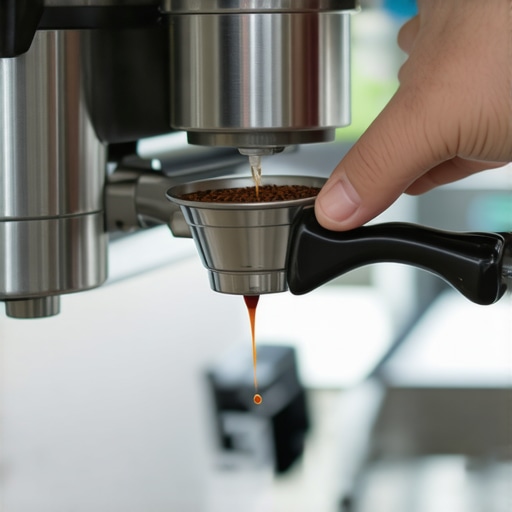
I still vividly remember the moment it happened. I was meticulously tamping my freshly ground coffee, eager to pull that perfect shot, when suddenly, a loud spray of espresso erupted from my portafilter like a miniature volcano. Coffee splattered everywhere—my shirt, the countertop, and most frustratingly, all over my clean workspace. That unexpected burst, which I later learned is often called the “portafilter sneeze,” was not just messy but also disheartening. It felt like my trusty espresso setup was conspiring against me.
Getting to the Root of the Sneeze
This annoying phenomenon isn’t just a random quirk. It’s a signal that something isn’t quite right with your brewing process or equipment. The good news? Once you understand the why behind the sneeze, you’ll be armed with the tips and tricks to prevent it from wrecking your morning routine. Today, I’ll share the insights I’ve gathered from personal mishaps and expert advice, promising to help you reclaim control over your espresso craft.
Is Your Grind Just Too Fine or Is Something Else Going On?
One common misconception is that the sneeze only happens because of a grind that’s too fine. While that can contribute, I initially blamed my grinder for a lot of issues—only to realize I was overlooking the bigger picture. Early in my journey, I made the mistake of thinking that simply tweaking the grind size was enough. Instead, I learned that the real culprit often lies in uneven tamping or inconsistent distribution of coffee in the basket—something I had completely overlooked. Understanding these nuances can make a world of difference.
The secret lies in recognizing that the portafilter sneeze is a sign of pressure build-up caused by blockages, misaligned components, or even worn-out gaskets. When water can’t flow evenly through the coffee bed, pressure builds, leading to that sudden, messy spray. If you want to master your home espresso game, it’s crucial to identify and eliminate these issues. For a comprehensive guide on the related causes of sprayage and ways to improve, check out [this article about spray from bottomless portafilters](https://espressotechguide.com/why-your-bottomless-portafilter-sprays-even-when-your-grind-is-right).
Start with an even tamp
Apply consistent pressure when tamping, aiming for roughly 30 pounds of force. my first attempt involved pressing too hard, causing uneven resistance and a spray. I switched to a digital tamper to monitor pressure, ensuring uniform compression, which instantly reduced spray occurrences.
Ensure the coffee bed is level
Use a leveling tool or gently tap the portafilter to settle the coffee evenly before tamping. Inconsistent distribution often leads to pressure build-up and sprayouts, as I learned the hard way during my weekend practice session.
Check for blockages and equipment wear
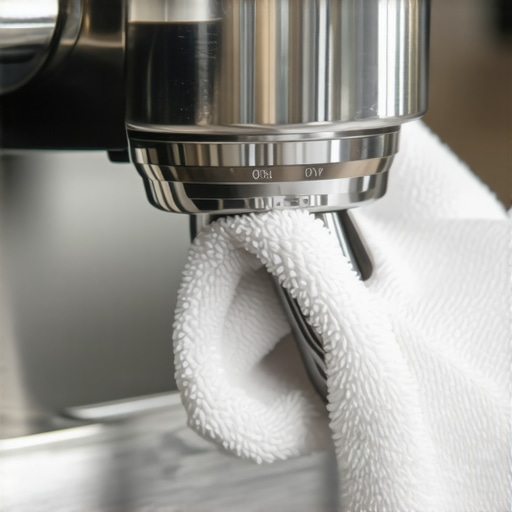
Inspect the portafilter basket for clogs or residual coffee oils that can cause uneven water flow. Regular cleaning, especially using a basket brush, helps maintain optimal flow and prevents pressure spikes that can cause sprays. Additionally, examine the gasket and seals for wear; worn parts hinder proper pressure regulation and can lead to sudden sprays.
Verify grind size and dose accuracy
Adjust your grinder to produce a consistent, medium-fine grind—not too fine, not too coarse. I started with a too-fine grind, which increased pressure and caused spraying; after dialing it slightly coarser, my shots became cleaner. Use a scale to measure dose precisely—aiming for about 18-20 grams—to ensure consistent puck density and resistance.
Learn how to select the right grinder to avoid common grind issues that contribute to portafilter pressure problems.
Adjust your machine’s pressure and temperature
Some espresso machines allow manual pressure adjustments—consult your user manual to set optimal brewing pressure around 9 bars. Also, ensure your machine heats correctly; a temperature that’s too low can cause inconsistent extraction, leading to pressure buildup. Regular descaling and maintenance help keep your machine running at peak performance.
Use a bottomless portafilter for diagnostics
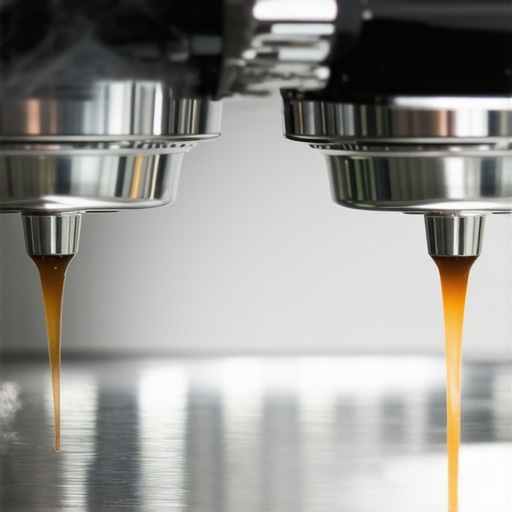
Switching to a bottomless portafilter gives visual feedback on the espresso shot flow. If you notice spray or turbulence, revisit your tamping, grind, or dosing techniques. For more insights into spray issues and troubleshooting, explore this detailed guide.
Maintain your equipment diligently
Clean your grinder regularly to prevent coffee bean oils from affecting grind consistency. Keep the portafilter gasket and basket in good condition; replace worn parts to uphold proper pressure and prevent leaks. Proper equipment care reduces the chances of pressure-related sprayouts.
Document your adjustments and results
Keep a brewing journal noting grind settings, tamping pressure, doses, and machine temperature. This record helps identify patterns and fine-tune your technique for consistently smooth shots without sprays. I found that small tweaks, tracked over time, made a significant difference in spray control.
By applying these concrete steps—focused tamping, cleaning, equipment checks, and precise measurements—you can eliminate pressure surges that cause portafilter sneezes. Remember, mastery comes through consistent practice and attention to detail, transforming messy sprays into beautifully extracted espresso shots.
Many enthusiasts believe that simply owning high-end equipment guarantees perfect espresso, but this is a misconception that can lead to costly mistakes. One prevalent myth is that more expensive grinders automatically produce better shots; however, without understanding grind size nuances and proper calibration, even top-tier units can underperform. For instance, a study by the Specialty Coffee Association highlights how grind texture and consistency matter more than price alone. Additionally, many assume that milk frothers alone can create barista-quality foam, but technique and milk temperature play crucial roles — check out [this guide](https://espressotechguide.com/milk-frothers-that-transform-your-coffee-experience) for expert tips. Another trap is believing that all espresso machines are equally easy to operate; in reality, many advanced models require precise calibration and maintenance routines. Neglecting regular cleaning and part replacement can cause pressure issues and uneven extraction, undermining your effort. For advanced brewers, understanding the subtle interplay between temperature stability and pressure profiling can elevate your shots—seek out in-depth tutorials like [this one](https://espressotechguide.com/how-to-select-the-perfect-coffee-grinder-for-your-brew). Remember, mastery involves nuanced adjustments rather than reliance on gear alone. Have you ever fallen into this trap? Let me know in the comments. ,Maintaining your home espresso setup requires more than just occasional cleaning; it involves selecting the right tools and establishing routines that ensure long-term performance. One indispensable item is a high-quality grinder calibration tool, such as the Conical Burr Calibrator, which I personally use to fine-tune my grinder’s grind size with pinpoint accuracy, preventing uneven extraction or pressure buildup. Regular use of a burr cleaning brush helps eliminate coffee oils that can affect grind consistency over time, preserving optimal flow and flavor. To manage the inevitable wear on components like gaskets and seals, I keep a set of reliable replacement parts from the original manufacturer, ensuring easy swaps during routine maintenance. Keeping a list of top-rated machines helps me decide when it’s time for an upgrade, especially as older models age and require more frequent repairs. Additionally, using a temperature and pressure gauge attachment allows me to monitor brewing parameters precisely, as recommended by industry experts, ensuring consistent shots and extending the lifespan of my machine. With the advent of smart home integrations, I suggest exploring smart maintenance apps that track usage patterns and alert you when service is due. Prediction-wise, the future of maintenance revolves around AI-driven diagnostics, which could revolutionize how we troubleshoot emerging issues, minimizing downtime. But for now, establishing a routine that includes these specific tools will safeguard your investment and keep your espresso quality top-notch.
How do I maintain my equipment for long-term performance?
Establishing a preventive maintenance routine—such as weekly cleaning of the group head with a coffee oil remover and monthly replacement of gaskets—personally keeps my machine running smoothly. To further extend your equipment’s lifespan, consider scheduling professional servicing annually, especially if you notice subtle changes in pressure or temperature consistency. Investing in quality tools and committing to regular upkeep not only enhances your espresso experience but also saves you money by avoiding costly repairs.
Don’t forget to try out one advanced tip—like dialing in your grinder with a precise calibration tool—to achieve that perfect shot every time. Precision in your tools and routine maintenance will transform your home setup from a hobbyist’s challenge into a barista’s haven.
The Hardest Lesson I Learned About Home Espresso, Coffee Grinders, Milk Frothers, Barista Gear, and Espresso Machines
One of the most valuable lessons I discovered is that even the most expensive equipment won’t guarantee perfect shots without proper technique. I once thought that upgrading to a high-end grinder or machine would instantly fix my brewing issues, but I soon realized that mastering the basics—consistent tamping, precise calibration, and regular cleaning—was far more impactful. This understanding forced me to reevaluate my approach and invest time in learning how each component interacts to produce that perfect espresso.
3 Myths About Home Espresso, Coffee Grinders, Milk Frothers, and Barista Gear That Held Me Back
Believing that only top-tier equipment can deliver great coffee was a common misconception I had. I also thought that grind size alone dictated shot quality, overlooking the importance of even distribution and tamping pressure. Finally, I assumed that milk frothing is a simple step—when in reality, technique and milk temperature are crucial. Challenging these myths opened my eyes to the real skills that elevate espresso brewing from a hobby to an art.
What Experts Won’t Tell You About Home Espresso and Equipment Maintenance
Many seasoned baristas and technicians emphasize that routine maintenance and diligent cleaning are the backbone of consistent quality. Regularly descaling the machine, replacing worn gaskets, and calibrating your grinder aren’t just chores—they’re investments in your craft. These practices prevent pressure issues and ensure the longevity of your gear, making each shot more predictable and enjoyable. For a deep dive into maintaining your setup, visit this comprehensive guide.
Curated Resources to Elevate Your Home Espresso Journey
My top recommendation is Mastering the Art of Home Espresso, which bridges the gap between beginner techniques and professional standards. I trust it because it offers practical advice rooted in real-world experience, making complex concepts accessible. Additionally, tools like the perfect grinder calibration kit and recommended barista gear streamline setup and ensure consistency. Finally, ongoing education through trusted sources cultivates your skills and keeps your passion alive.
Take Action and Elevate Your Coffee Routine
Remember, becoming proficient at home espresso is about continuous learning and applying small but impactful adjustments. Every shot you pull brings you closer to that moment of satisfaction—the perfect crema, the balanced flavor, the silky microfoam. So, don’t shy away from experimenting, maintaining your equipment meticulously, and seeking out new techniques. With patience and persistence, you’re crafting not just coffee, but a daily ritual that fuels your passion and sharpens your skills.
What’s the biggest challenge you’ve faced when trying to improve your home espresso setup? Share your experience below and let’s grow together!