The Truth About Why Your Tamping Pressure Doesn’t Actually Matter
Have you ever spent twenty minutes adjusting your tamper, trying to squeeze every ounce of perfect pressure into your espresso because someone told you that’s the key to sealing in flavor? I used to do the same, pressing harder and harder, convinced that relentless precision would unlock the ultimate shot. But then I had a lightbulb moment—what if all that effort was mostly a distraction?
The Real Truth About Tamping Pressure
In my early days, I believed that applying a specific amount of pressure—say, 30 pounds—was the golden standard. I watched countless tutorials, obsessively calibrated my tamping technique, and even bought a fancy pressure-sensitive tamper. Yet, my coffee still tasted inconsistent, sometimes bitter, sometimes flat. It was frustrating, and honestly, exhausting.
Then, I stumbled upon some surprising research that challenged my assumptions. A study from the University of Guelph found that baristas applying pressure within a broad range still produced excellent shots, as long as other variables, like grind size and tamp distribution, were consistent (for more on this, check out this detailed guide).
So, what was I doing wrong? Early on, I made the mistake of focusing solely on tamp pressure, ignoring the bigger picture—distribution, dose, and bean freshness. This single-minded pursuit of “perfect tamping” was a classic mistake I want to save you from. Today, I promise we’ll cut through that noise, explore what really impacts your espresso quality, and show you how to get consistent results without obsessing over tamping force.
Does Tamping Pressure Really Matter, or Is It Overhyped?
If you’re like me, you’ve heard that tamping pressure can make or break your shot. But after testing countless variables, I’ve realized that the story is more nuanced. It’s easy to get caught up in the myth that pressing harder guarantees better extraction, but reality suggests otherwise. I want to help you understand why this fear of inadequate tamping might be holding your espresso back more than it should.
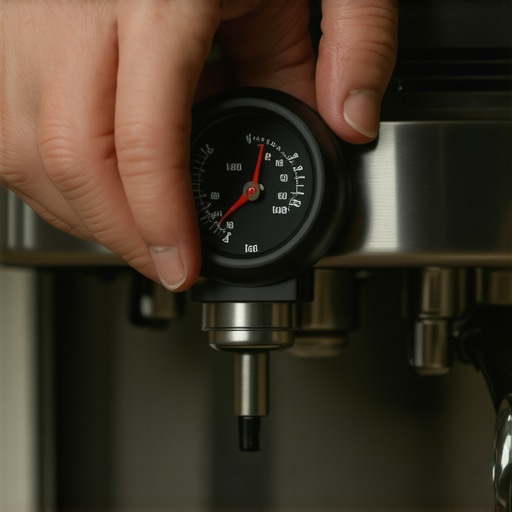
To be transparent, I once believed I had to use a scale to measure every stroke—until I learned that such micromanagement distracted from more impactful factors, like grind uniformity and water temperature. If you’ve faced frustrations trying to perfect tamp pressure, know that you’re not alone. Let’s dig into why this obsession might be unnecessary and how you really can master the art of a great shot without a pressure gauge in hand.
Set Up Your Equipment with Precision
Start by verifying your grinder’s calibration. Use a quality coffee grinder like those reviewed here. Adjust the grind size to a medium-fine setting, aiming for consistency across your beans. Ensure your espresso machine’s water reservoir is clean and filled with fresh, filtered water to prevent mineral buildup that can affect extraction.
Prepare Your Coffee Dose Accurately
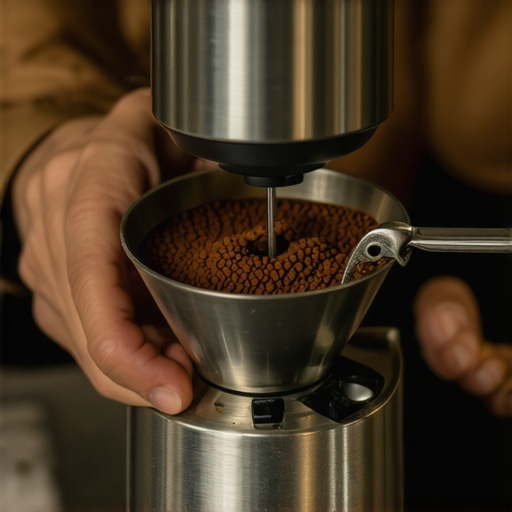
Measure your coffee grounds precisely using a digital scale, aiming for around 18-20 grams for a double shot. Distribute the grounds evenly in your portafilter—think of it as leveling a Sandbox for even loading. A well-distributed bed prevents channeling, which causes uneven extraction and bitter flavors.
Apply Consistent Tampering Technique
Insert your tamper and press down with steady, even pressure—no need to push with all your might. Use your body weight like pressing a car door handle—firm but controlled. Focus on a uniform, level tamp across all edges. Remember, a slight tilt can cause water to find the path of least resistance, leading to uneven extraction. I once watched my shot resemble a crooked fairway until I adopted this method.
Extract Shots with Precision
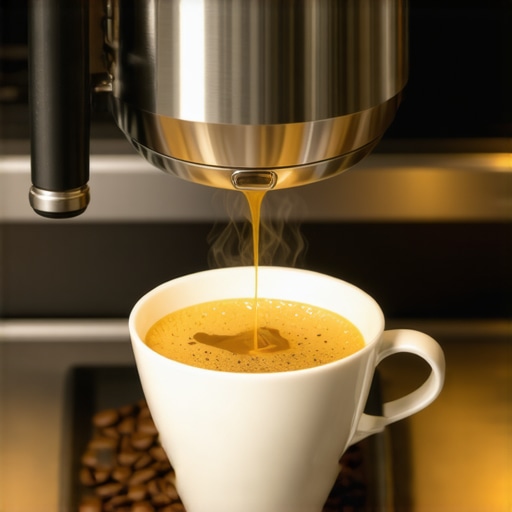
Lock the portafilter securely and start your shot. Time it for about 25-30 seconds. Observe the flow—the espresso should start thick and gurgling, then transition to a steady, golden stream. If it’s too fast, adjust grind finer; if too slow, coarser. This process is akin to tuning a musical instrument—small tweaks make a big difference.
Refine Your Micro-Adjustments
Furthermore, make micro-adjustments to your grind size based on each shot’s outcome. For example, if your shot pulls quickly with sour notes, go finer. If it drips slowly and tastes burnt, go coarser. Keep a journal of your settings and results. Over time, this tracking will help you develop an instinct for your equipment, much like tuning a vintage guitar.
Maintain and Clean Regularly
Consistent cleaning of your grinder and espresso machine is essential. Run grinder cleaning cycles and descale your machine as per manufacturer instructions. Clean your shower screen regularly—blockages here cause uneven water distribution, impairing shot quality. For detailed cleaning techniques, visit this guide. Remember, a well-maintained setup produces reliable, high-quality espresso every time.
Practice with Purpose and Patience
Finally, embrace the iterative process. Each shot is a chance to learn. Adjust your variables intentionally; don’t change everything all at once. Keep notes, compare results, and over weeks, you’ll notice patterns that lead to your perfect brew. It’s similar to training a muscle—consistent, mindful effort yields mastery.
 When it comes to home espresso setups, many enthusiasts focus solely on upgrading their grinders or espresso machines without understanding the subtle nuances that truly impact brew quality. A common myth is that the most expensive equipment automatically yields the best coffee, but in reality, mastering your gear’s intricacies is more complex than price tags suggest. For example, selecting the right burrs for your grinder—conical versus flat—can influence static buildup and grind consistency, which significantly affects extraction. According to a study in the Journal of Coffee Science, burr design alters particle distribution, impacting brew clarity and body. So, it’s a trap to assume that the latest top-tier machine compensates for poor technique or misaligned parts. Delving into the details of barista gear, like the importance of precise tampers or correctly calibrated grinders, can elevate your brewing game beyond mere equipment upgrades. For instance, improper tamping—either too hard or uneven—can cause channeling, leading to inconsistent extractions. If you’re considering gear investments, explore how component specifics align with your brewing style, and don’t forget routine maintenance, which is often overlooked but crucial. Need more insights on selecting equipment? Check out this guide for detailed advice. Remember, the real coffee magic lies in understanding how your gear’s hidden nuances interact and how small adjustments can produce dramatic improvements. Have you ever fallen into this trap? Let me know in the comments.
Keep Your Equipment in Prime Condition
Investing in high-quality espresso machines, grinders, and accessories is only the first step; regular maintenance ensures consistent performance and longevity. Personally, I rely on a few trusted tools and routines to keep my setup functioning flawlessly. For instance, I swear by puck screens to prevent channeling, but their effectiveness depends on regular cleaning—so don’t overlook this crucial step.
How do I keep my gear running like new over time?
Adopting a disciplined maintenance schedule is vital. For grinders, I use a dull burr check to determine when replacement is needed, preventing inconsistent grind size. For espresso machines, descaling is non-negotiable—using a descaling solution like Urnex and following the manufacturer’s instructions can prevent mineral buildup that hampers pressure and heat stability. Regularly servicing seals, valves, and o-rings also prevents leaks and malfunctions.
Tools and tricks I trust for maintenance
One underrated tool in my maintenance arsenal is the dental pick. It’s perfect for cleaning out stubborn coffee oils and residue in tiny crevices—especially around shower screens and portafilter gaskets. For example, a quick cleaning of the gasket with a dental pick, as detailed in this guide, can extend the lifespan of your machine significantly.
How do I sustain long-term results without slipping into bad habits?
Tracking your maintenance routines with a simple journal or app helps. Noting when you descale, replace burrs, or clean components prevents last-minute surprises. Over time, these habits become second nature—akin to tuning your guitar regularly to maintain perfect sound. Additionally, stay informed about your equipment by reading the latest reviews and software updates from manufacturers, as future advancements often include maintenance improvements.
For example, many newer espresso machines now include smart descaling alerts or automatic cleaning cycles—features that make upkeep easier. As technology evolves, integrating these intelligent features can save time and ensure optimal operation. Keep an eye on trends via resources like top-rated espresso machine reviews for 2025 forecasts.
Try this advanced tip to elevate your maintenance game
One effective trick is to perform a weekly internal flush of your espresso machine’s steam wand and water connections using a mixture of water and vinegar or specialized cleaning solution. This prevents buildup of milk fats and minerals that can cause spitting or reduced steam pressure. Robust maintenance like this significantly prolongs equipment lifespan and improves shot quality—trust me, it’s a simple yet powerful habit. For detailed instructions, consult this resource.
Sneak Peek into the Lessons No One Tells You
One of the most eye-opening lessons I learned was that obsessing over tamp pressure is often a misguided quest. I used to think that pressing with all my might was the secret to perfect espresso, only to realize that a gentle, consistent pressure combined with good technique yields far better results. Another insight was that meticulous grinder calibration can make or break your shot, sometimes even more than tamping force. And perhaps most importantly, I discovered that routine maintenance—cleaning, descaling, and checking parts—is the quiet hero behind consistently great espresso. Lastly, I realized that patience, paired with deliberate adjustments, transforms brewing from a gamble into an art form, turning each shot into a joyful experiment rather than a frustrating chore.
Tools and Reading That Elevated My Barista Game
My go-to resources include the comprehensive guide on barista gear selection, which helped me understand how selecting the right equipment complements technique. The home espresso mastery article provided invaluable tips that demystified necessary corrections and micro-tuning. Additionally, I trust the detailed tutorials on routine cleaning that keep my equipment humming like new. For equipment reviews and latest innovations, the 2025 top machine list is a must-read. These resources combined have helped me develop a nuanced understanding that elevates my home brewing skills every day.
Let Your Passion Lead the Way
Now, it’s your turn. Whether you’re just starting out or eager to refine your technique, remember that mastery in home espresso is a journey filled with small victories. Trust in your equipment, embrace the trial-and-error process, and celebrate progress, not perfection. Your coffee experience will improve dramatically once you let go of unnecessary fears and focus on what truly matters—consistent effort and curiosity. Don’t hesitate to dive into the world of barista techniques, explore new tools, and most importantly, enjoy every cup along the way. Coffee is more than a beverage; it’s a craft, a ritual, and a personal statement, so keep brewing passionately.