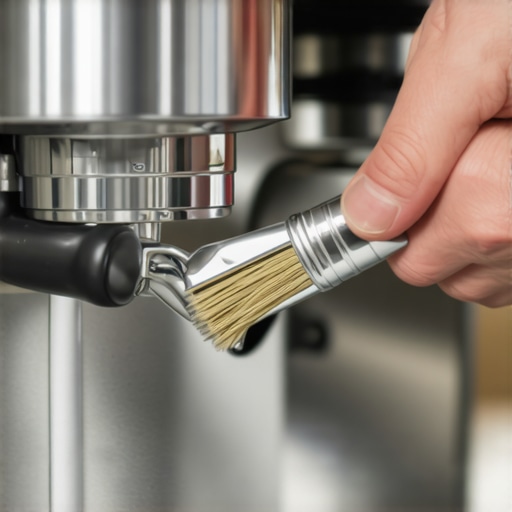
The Quick Fix for a Clogged Portafilter Basket
It happened again. I was halfway through my morning ritual, excited to savor that first perfect shot of espresso, when suddenly, the flow sputtered to a frustrating halt. The sweet crema I was craving was replaced by a stubborn puddle of water and coffee grounds. We’ve all been there—those moments when your trusty espresso machine just refuses to dispense, and you’re left wondering what went wrong. That lightbulb moment when I finally figured out a simple, effective way to clear a clogged portafilter basket changed everything for me. If you’ve ever battled a slow pour or complete blockage, you’re not alone, and you’re in luck. Today, I’ll share the tried-and-true quick fix that can save your morning brew and keep your espresso game strong.
Why a Clogged Portafilter Basket Can Ruin Your Coffee Experience
The portafilter basket is the gateway for hot water to extract those rich flavors from your coffee grounds. When it gets clogged, the water can’t pass through properly, leading to weak shots, uneven extraction, or even water pooling. It’s more than just an annoyance; it affects the taste, aroma, and body of your espresso.
In my early days of home barista adventures, I made a critical mistake—ignoring the buildup of coffee oils and grounds that naturally accumulate over time. I thought a quick rinse was enough, but eventually, stubborn clogs would emerge, sabotaging my shots. Those moments taught me the importance of maintenance and quick troubleshooting. Did I mention that regular cleaning and a quick flush can prevent most issues? If you’re curious about maintaining your gear, check out [this guide on home espresso tips for beginners](https://espressotechguide.com/mastering-the-art-of-home-espresso-tips-for-beginners) for more insights.
Have you faced this problem during your coffee routine? If so, don’t worry—there’s a simple solution that can be done in under a minute, without dismantling your machine or buying new parts.
Is a Quick Flush Really Effective Against Clogs?
Absolutely. Many home enthusiasts overlook the power of a rapid backflush or a quick rinse of the portafilter after every few shots. I used to believe only intricate cleaning routines would make a difference, but the truth is, a straightforward flush can often loosen and dislodge minor blockages caused by coffee oils and grounds. Plus, it helps preserve the longevity of your machine.
One mistake I made early on was using harsh chemicals too often, which can damage seals and gaskets. Instead, a simple rinse with hot water or using a dedicated cleaning brush, like this one I rely on regularly, is enough to keep everything flowing smoothly. Regular maintenance combined with these quick fixes not only prevents future clogs but also ensures every shot tastes as fresh and vibrant as it’s supposed to.
Stay tuned, because next I’ll guide you through the step-by-step process to clear that stubborn clog and get your espresso flowing like new.
Start with a Hot Water Rinse
Before disassembling anything, remove your portafilter and rinse it under boiling water for 15-20 seconds. This helps loosen residual coffee oils and grounds. I remember once rushing to make an after-dinner espresso; a quick hot water rinse melted away the initial blockage, restoring flow in seconds. Use a dedicated cleaning brush to scrub the basket’s holes, paying close attention to the edges where oils tend to build up.
Perform a Backflush with a Cleaning Tablet
Insert a cleaning tablet designed for espresso machines into your blind filter basket. Secure the portafilter onto the group head, ensuring a tight seal. Engage the brew cycle for a few seconds, then release. Repeat this process several times. My first attempt with this method was messy—water and cleaning solution splattered—yet it rapidly dislodged stubborn oils. Always follow with a hot water flush to rinse out any residual chemicals.
Specialized Tools Can Save the Day
Use a pin or a thin wire to clear clogged holes: gently poke through the basket’s perforations. Be cautious to avoid enlarging or damaging the holes. For heavily clogged baskets, a specialized espresso tool like a needle brush makes swift work of stubborn blockages. Regular maintenance prevents severe build-ups, keeping your shots consistently rich and flavorful.
Flush the Machine’s Internal Components
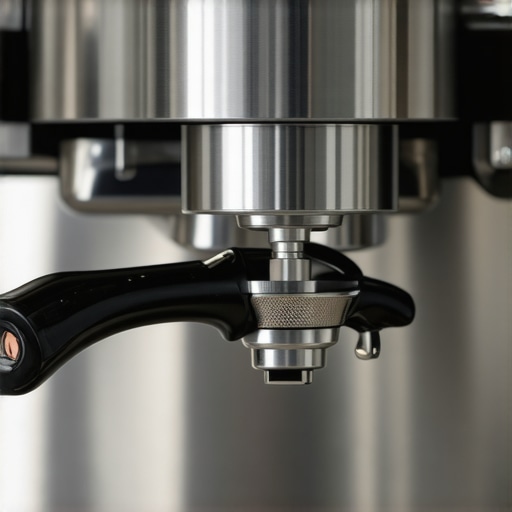
Detach the portafilter, and run hot water through the group head without coffee. This flush pushes any lingering oils through the drain, preventing future blockages. If your machine has a bypass or cleaning cycle, initiate it to thoroughly cleanse internal channels. Remember, regular internal flushing maintains optimal pressure and flow.
Reassemble and Test
Once you’ve cleaned and flushed, reassemble all components. Run a blank shot (without coffee) to verify proper water flow. If water still pools or drips unevenly, repeat the cleaning process or check for misaligned parts. A clean, unclogged basket ensures a balanced espresso shot with rich crema and full flavor.
By incorporating these steps into your routine, you’ll prevent clogs and extend your machine’s lifespan. For detailed tips on professional-grade maintenance, visit this guide on internal cleaning techniques or explore how to maintain your grinder.
When it comes to crafting the perfect espresso at home, many enthusiasts focus on the obvious—grind size, tamping pressure, or milk frothing techniques. However, even seasoned home baristas often overlook nuanced aspects that can make or break their brew quality. Let’s explore some common myths, advanced pitfalls, and subtle details that many get wrong, helping you elevate your coffee game to an expert level.
**Myth Busting: More Expensive Means Better**
It’s a widespread belief that buying the priciest espresso machine or grinder guarantees superior coffee. While quality gear is essential, many fall into the trap of overspending on top-tier equipment without mastering fundamental techniques. A high-end machine won’t compensate for inconsistent tamping, poor grind calibration, or neglecting maintenance. Instead, focus on understanding your equipment’s nuances; for instance, dialing in your grinder’s settings correctly often has more impact than upgrading to the latest model. For comprehensive guidance, visit [mastering home espresso tips](https://espressotechguide.com/mastering-the-art-of-home-espresso-tips-for-beginners).
**The Hidden Nuance: Grind Path and Bean Distribution**
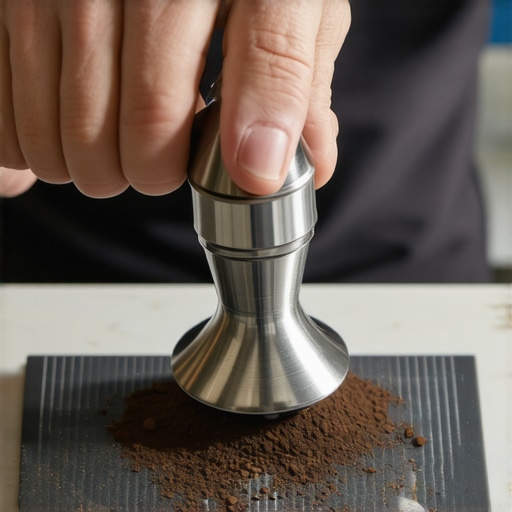
Most home baristas emphasize grind size but overlook how coffee grounds are distributed in the portafilter. Uneven distribution or channeling can cause under-extraction, resulting in sour or weak shots, regardless of grind uniformity. Advanced users often employ techniques like using a distribution tool or tapping the basket to ensure an even bed. Avoiding uneven tamping is also crucial; a slight tilt can cause water to flow unevenly, producing inconsistent extraction.
**Common Mistake: Ignoring Machine Calibration**
Many enthusiasts assume their espresso machine is ‘set and forget.’ This neglect can lead to subtle pressure or temperature fluctuations that significantly affect flavor profiles. Regular calibration using proper tools ensures that temperature stability and pressure remain within optimal ranges. For instance, a PID controller can maintain consistent brew temperatures, which is critical for delicate roasts. Experts recommend periodically checking boiler temperature and pump pressure, especially if your machine is used frequently. For calibration tips, see [understanding temperature stability](https://espressotechguide.com/the-best-temperature-to-brew-medium-roast-coffee-beans).
**Expert Tip: Milk Frothing—Temperature Matters More Than Foam**
A prevalent misconception is that frothing longer yields better microfoam. In reality, over-aerating milk can cause separation and loss of sweetness. The real secret lies in controlling the milk’s temperature—aiming for around 140°F (60°C). At this point, the milk achieves optimal sweetness and texture without risking separation. Additionally, the type of milk affects frothing; plant-based milks like almond or soy require different techniques. Check out [top tips for textured almond milk](https://espressotechguide.com/the-best-way-to-texture-almond-milk-without-it-separating) for more insights.
Advanced Question: How Can I Mitigate Channeling During Extraction?
Channeling occurs when water finds an easy path through the coffee bed, leading to uneven extraction and sour or bitter flavors. To prevent this, meticulous attention to grind consistency, even tamping, and proper distribution is essential. Some baristas use puck screens or apply pre-infusion to evenly wet the coffee before full pressure application. Understanding the flow dynamics helps achieve uniform extraction, which is especially critical for espresso connoisseurs seeking consistency shot after shot. For detailed techniques, explore [puck preparation for optimal extraction](https://espressotechguide.com/the-hidden-benefit-of-using-a-puck-screen).
**Beware the Oops Moment: Overlooking Routine Maintenance**
Failing to clean components such as the brew head, shower screen, or grinder burrs can lead to subtle flavor degradation or equipment malfunction. For example, tiny oil residues and coffee grounds can create blockages or inconsistencies in water flow, undermining even the most precise techniques. Regular deep cleaning and calibration are investment-worthy habits; they ensure longevity and optimal performance.
Understanding these nuanced aspects allows you to move beyond beginner mistakes and craft espresso that truly expresses the coffee’s character. Remember, mastery involves attention to detail—don’t fall into the trap of complacency. Have you ever fallen into this trap? Let me know in the comments or reach out via [contact us](https://espressotechguide.com/contact-us). Keep refining your craft, and your palate will thank you!Maintaining your espresso machine, grinder, and accessories is essential to ensure consistent quality and extend their lifespan. I personally rely on a combination of regular cleaning routines and specialized tools to keep my setup running smoothly. For instance, I use a dedicated espresso cleaning brush and a calibration tool for my grinder, which allows me to fine-tune settings without guesswork. Consistent maintenance not only prevents clogs and breakdowns but also ensures each shot remains rich and flavorful.
When it comes to tools, I recommend investing in a high-quality porta-filter brush and a puck screen. The puck screen, in particular, helps distribute water evenly during extraction, reducing channeling and improving shot clarity. Regular descaling is also crucial; I perform this every few months with a descaling solution recommended by the manufacturer, following their specific procedures.
Looking ahead, I believe the trend will lean towards smart, IoT-connected coffee gear that can monitor usage and alert you of necessary maintenance, similar to what advanced home appliances are adopting. This tech integration will make routine upkeep even easier and more efficient.
How do I maintain my equipment over time?
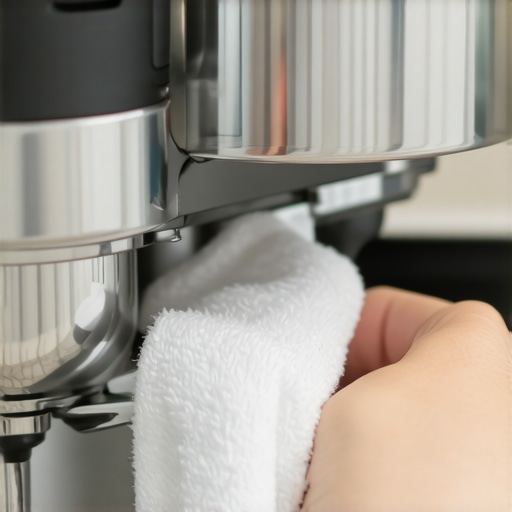
Establishing a routine is key. I recommend cleaning your steam wand, brew head, and drip tray weekly. Disassemble your grinder burrs every 6-8 months for thorough cleaning, using a burr cleaning brush to remove coffee oils that can cause retention and dull grinding performance. Additionally, keep an eye on seals and gaskets, replacing them as needed to prevent leaks and pressure drops.
For detailed guidance, visit this comprehensive resource on home espresso maintenance.
Integrating these practices into your routine will save you time and money in the long run, ensuring your gear performs at its best for every brew. Remember, a well-maintained machine not only produces better coffee but also prolongs its lifespan. Why not try calibrating your grinder today using a digital calibration tool? It might just be the upgrade your setup needs to reach that next level of precision.
Lessons the Coffee World Doesn’t Tell You
One of the most eye-opening lessons I learned was that even a top-tier espresso machine can underperform if neglected. Regular maintenance isn’t just about hygiene; it’s about preserving the machine’s soul, ensuring every shot is as vibrant as the first. I once ignored deep cleaning my group head, only to find my shots becoming bitter, convincing me that equipment quality alone isn’t enough. Now, I see maintenance as a ritual—an act of respect to the craft—and it’s transformed my brewing experience. The realization that subtle details—like misaligned seals or overlooked internal clogs—can sabotage flavor has changed my approach forever. Paying close attention to these small, often overlooked nuances elevates your coffee from good to extraordinary.
Another lightbulb moment was understanding how water quality impacts every aspect of brewing. I used to think investing in fancy beans was enough, but after installing a simple water filter, my espresso’s clarity and sweetness skyrocketed. It’s a reminder that the purity of your water is every bit as critical as your grinder settings or bean freshness. Recognizing these hidden factors has helped me troubleshoot faster and refine my process consistently.
Finally, I discovered that patience and consistency trump shortcuts. Rushing through cleaning routines or adjusting too many variables at once often leads to subpar shots. Instead, I focus on mastering one change at a time, maintaining a steady routine. This disciplined approach, coupled with curiosity about my equipment, has turned espresso making into a rewarding journey of continuous discovery.
Tools That Elevate My Coffee Game
My go-to resource for keeping my setup in prime condition is the Barista Gear Guide. It’s packed with insights on selecting durable, reliable tools that suit every budget and skill level, ensuring I invest wisely. For cleaning my espresso machine and grinder, I swear by specialized brushes and burr calibration kits. These simple investments save me hours and improve shot quality. And when it’s time to learn new techniques, I turn to this comprehensive guide—it’s my trusted companion that keeps the learning curve manageable and my espresso consistently top-notch.
Seize Your Coffee Moment
Change is within your reach—whether refining your cleaning routine, upgrading tools, or sharpening your technique. Remember, mastery isn’t about perfection overnight; it’s about persistent curiosity and a commitment to quality. Each small step you take builds toward an extraordinary coffee experience. The future of home espresso is bright, filled with innovations, and increasingly accessible to passionate brewers like yourself. So, don’t wait—start experimenting today, and turn every cup into a celebration of your skill and dedication. Your perfect espresso awaits, and with these insights, it’s closer than ever.
What’s your biggest challenge when it comes to maintaining or brewing espresso? Share your story below and let’s learn together!
,