The simple hack for a more ergonomic tamping position
Ever found yourself bending awkwardly over your espresso setup, trying to apply even pressure while your back complains or your wrist cramps? I’ve been there, fumbling with my tamping angle, frustrated that despite following all the tutorials, my shots still lacked consistency. That lightbulb moment came when I realized that my posture was not only uncomfortable but also hurting my espresso quality.
**Why Your Tamping Posture Matters More Than You Think**
Striking the Perfect Balance Between Comfort and Precision
In the world of home espresso, a simple act like tamping can make or break our brew. I used to think that pressing harder or faster would yield better extraction, but I was ignoring the importance of ergonomics. A poor tamping position can cause uneven pressure, resulting in channeling or sour shots. Plus, let’s be honest—who doesn’t want to avoid back pain after a long espresso session?
According to barista training experts, maintaining a comfortable, ergonomic tamping stance isn’t just about avoiding aches; it’s fundamental to achieving consistent results. When I started paying attention to my posture—using proper alignment and a supportive tamping station—the difference was instant. Shots became more balanced, and my back thanked me. Interested in elevating your home barista game? Here’s a comprehensive guide that covers essential tips for beginners looking to master their craft.
Could Your Tamping Technique Be Sabotaging Your Coffee?
Early on, I made the mistake of rushing through tamping without setup, which made my wrist ache and shots uneven. Trust me, I’ve learned that tiny adjustments in how you position your body and tamp station can lead to big improvements. So, do you experience discomfort or inconsistent shot quality? If yes, you’re not alone — and this hack can be your game-changer.
Set Up Your Tamping Station for Success
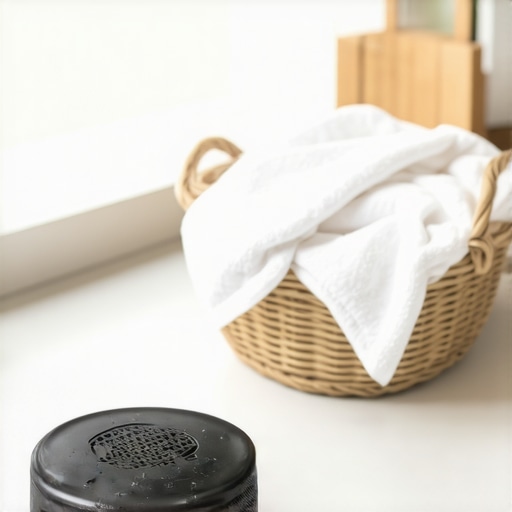
Start by organizing your workspace. Place your espresso machine on a sturdy, level surface. Use a tamping mat or a thick towel underneath to absorb vibrations and stabilize your setup. Position your grinder so that beans dispense directly into a portafilter or dosing cup at waist level, minimizing the need to bend or reach. When I first reorganized my station, I noticed my shots became more consistent and my back pain subsided significantly; a small change with big results.
Get Comfortable with Proper Body Positioning
Stand with your feet shoulder-width apart, facing the tamping station at a slight angle. Keep your back straight and bend your knees slightly. Imagine your torso as a column, stable and upright. This stance prevents strain and allows you to apply even pressure. I recall a time I was rushing and hunching over, which led to wrist discomfort and uneven tamping. Adjusting my posture immediately improved my shot quality.
Master the Correct Tamping Technique
Hold the tamper like a baseball bat, gripping it firmly but relaxed. Position the portafilter so that the ground coffee evenly fills the basket—tapping gently from side to side helps level the grounds. Place the tamper centrally on the coffee bed. Apply downward pressure steadily with the heel of your hand, using your body weight rather than just arm strength. Aim for about 30 pounds of force, enough to compress the coffee evenly. I practiced in front of a mirror until my tamp was consistent; this made every shot predictable and balanced.
Ensure Your Tamping Pressure Is Even
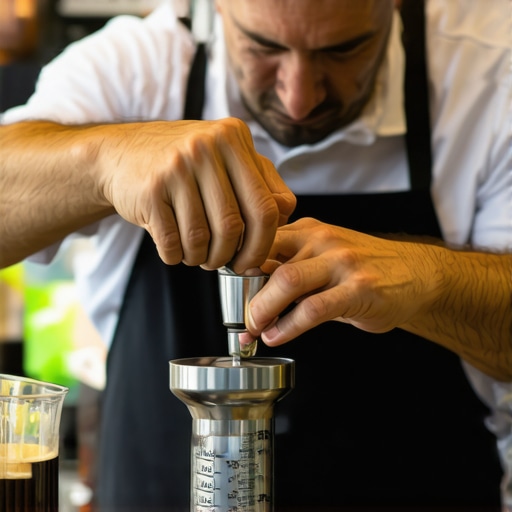
Use a bathroom scale to get a feel for the right pressure. Place your tamper on the scale and apply force until it reads around 30 lbs. This tactile feedback trains your muscle memory, so every tamp is uniform. During one session, I kept varying my force, resulting in inconsistent extraction. Once I aimed for that specific pressure, my shots improved dramatically.
Integrate Micro-Adjustments for Optimization
Pay attention to your tamping angle and pressure distribution. Slight tilts or uneven pressure can cause channeling. To prevent this, press straight down without leaning forward or sideways. Incorporate small adjustments, like ensuring the tamp is perfectly vertical each time. If you notice water flows unevenly during extraction, check your tamping consistency; often, it’s a small deviation. For added precision, consider using a calibrated tamper or a smart scale that vibrates when you hit your target pressure.
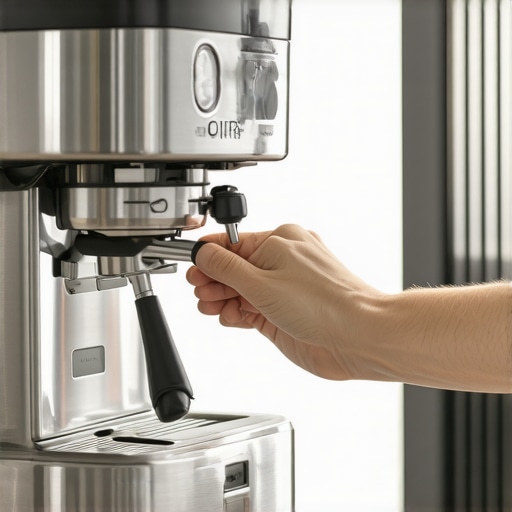
Proper ergonomic setup, including correct stance and tamping technique, minimizes strain and boosts shot quality. Visualizing your station setup can make a significant difference in consistency.
Many home espresso enthusiasts believe that investing in flashy gear or the latest gadgets guarantees perfect shots. However, what most people overlook are the subtle details that differentiate a good espresso from a great one. For instance, purchasing a high-end espresso machine doesn’t automatically mean you’ll get consistent results if you haven’t mastered your grinding technique or understand water chemistry. According to Barista Hustle, even minor adjustments like water pH levels can significantly impact flavor and machine longevity.
One common myth is that more expensive grinders produce better espresso. While quality grinders are important, many overlook the importance of grind size consistency and burr geometry. For example, conical burrs are often faster and quieter but might produce uneven particles if poorly manufactured. The difference lies in fine-tuning your grind setting and understanding the grind distribution — a nuance that can make or break your extraction. For advanced users, investing in a calibration tool or a smart grinder with feedback mechanisms can help achieve a higher degree of precision, as outlined in our guide on choosing the best coffee grinder.
Many believe that milk frothers alone will automatically produce silky, barista-quality foam. But the secret lies in technique, temperature control, and understanding milk protein chemistry. It’s a mistake to rely solely on gadgets; even the best wand will underperform if not used correctly. For instance, microfoam requires proper positioning and gentle, steady steam application, a skill that can be learned and refined over time. Curious how to perfect your frothing? Check out our guide to milk frothers.
Now, let’s challenge a more advanced question:
How can understanding water mineral content unlock the true potential of your espresso?
Many aficionados focus on the machine and grind but ignore water chemistry. A study in the Journal of Food Science emphasizes that mineral levels, like calcium and magnesium, influence extraction and flavor profile. Too soft water can lead to flat shots, while hard water risks scale buildup and inconsistent pressure. Testing your water and adjusting it with mineral additives or using targeted filtration can elevate your brewing regardless of your equipment. Don’t dismiss the importance of water; mastering it brings your espresso to new heights. Want to dive deeper? Visit our contact page for expert advice.
In summary, achieving exceptional home espresso entails more than gear investments. It’s about understanding the nuanced interplay between equipment, technique, and chemistry. Keep experimenting and refining those tiny details, and you’ll find your perfect shot isn’t just a dream but a daily reality. Have you ever fallen into this trap? Let me know in the comments.Achieving that perfect espresso shot at home extends beyond just the initial investment in high-quality gear; it relies heavily on consistent maintenance and the right tools to keep everything running smoothly over time. One of my favorite investments has been a digital scale with a built-in timer, such as the *Acaia Pearl*, which provides precise measurements during grinding, dosing, and tamping. This tool isn’t just about accuracy; it’s about creating a repeatable process that leads to consistently delicious shots, as highlighted in our guide on [selecting the perfect coffee grinder](https://espressotechguide.com/how-to-select-the-perfect-coffee-grinder-for-your-brew).
Beyond measurement tools, regular upkeep of your espresso machine and accessories is non-negotiable. For example, cleaning your group head with a specialized descaling solution prevents mineral buildup that can affect extraction and machine longevity. I make it a habit to run a cleaning cycle with *Puly Caff* monthly, ensuring my machine operates smoothly and flavor remains pure. Maintaining your grinder’s burrs is equally important; I use a burr cleaning brush every few weeks and recalibrate the grinder after replacing burrs, following procedures outlined here [calibrating your grinder](https://espressotechguide.com/how-to-calibrate-your-grinder-after-replacing-your-burrs).
Long-term results depend on establishing a routine that includes descaling, cleaning, and calibration. Advanced enthusiasts often utilize features like pressure profiling, available on machines such as the *Profitec Pro 700*, to fine-tune extraction. This level of control requires consistent maintenance to avoid deviations caused by scale buildup or component wear—neglecting which can lead to performance drops and uneven shots.
Tools like water filters tailored for espresso brewing, such as *Crystal Quest* cartridges, help maintain water chemistry, which directly impacts flavor and machine health. Regularly changing these filters ensures optimal performance, aligning with insights from water chemistry experts. For specialized maintenance, I keep spare gasket seals and O-rings on hand, so I can swiftly replace worn parts, preventing leaks and pressure inconsistencies.
Where do you see the future of home espresso maintenance heading? With advancements in smart sensors and IoT integration, managing these routines could become more automated, reducing user error. Companies are already experimenting with apps that notify you when to descale or clean based on machine usage data—imagine your espresso machine alerting you when it’s time for the next maintenance cycle. Yet, despite these innovations, the core principle remains: diligent, scheduled care keeps your setup firing on all cylinders.
Curious about a particular tool or method? I recommend trying out a calibrated pressure gauge connected to your portafilter, like the *Levercraft* model, to master pressure control as recommended by barista professionals. This simple yet powerful step can elevate your extraction consistency significantly. Remember, premium gear is only as good as the maintenance behind it. Stay disciplined, and your espresso experience will only improve from here. For expert advice tailored to your setup, visit our contact page.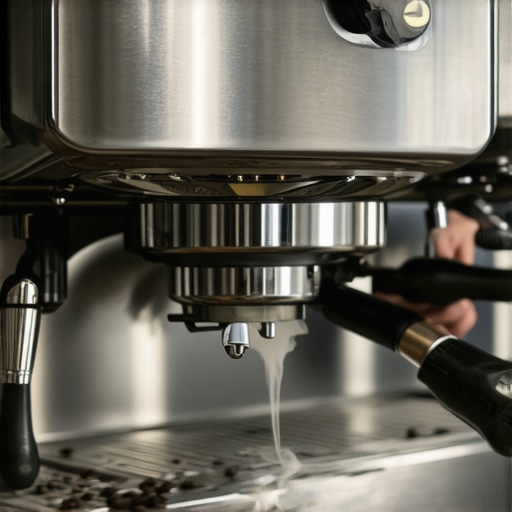
Managing your tools and routine care might not be as glamorous as picking out a shiny new espresso machine, but it’s the secret weapon for brewing barista-quality coffee every day. As the coffee science journal suggests, routine maintenance directly correlates with shot consistency and machine lifespan. So go ahead—try integrating a weekly cleaning ritual with your existing setup, and you’ll notice a remarkable difference in your brews. What’s your next maintenance upgrade going to be? Share your plans and tips below!
What I Wish I Knew When I Started Tamping
One of the most eye-opening lessons was understanding that perfect tamping isn’t just about technique—it’s about ergonomics. I used to hunch over my setup, thinking more pressure meant better espresso, but I soon realized that good posture prevents fatigue and ensures consistent pressure. The tiny adjustment of standing with feet shoulder-width, back straight, and tamping at waist level transformed my shots and saved my back.
Why a Calibrated Tool Beats Guesswork Every Time
Measuring your tamping pressure with a bathroom scale might seem simple, but it’s a game-changer. I learned that aiming for around 30 pounds of force creates uniform extraction. Once muscle memory kicks in, consistency follows. This honest feedback helped me move away from guesswork, building confidence and precision into my routine.
Secrets the Experts Keep Close
Despite fancy equipment and top-tier beans, I found that many baristas swear by routine maintenance—regular cleaning, recalibrating grinders, and water chemistry tweaks. A tiny investment like a water filter or a burr cleaning brush can extend your machine’s lifespan and improve flavor. Balance between technique and upkeep is vital; neglect one, and your shots will suffer.
Building Your Own Espresso Sanctuary
Organizing your workspace isn’t glamorous, but it profoundly impacts your brewing. Position your grinder at waist level, use tamping mats to stabilize, and keep your tools within easy reach. Small changes, like placing your machine on a level, vibration-absorbing surface, foster consistency and make the process more enjoyable. A well-thought-out station turns routine into ritual and elevates your every shot.
Why Water Chemistry Holds the Key to Extraordinary Coffee
It’s tempting to focus solely on machines and grinders, but water mineral content can make or break your brew. Soft water leads to flat flavor, while hard water risks scale buildup. Testing and adjusting your water with mineral additives—not just relying on bottled water—can unlock flavors hidden in your beans. Dive into the nuances of water chemistry; your taste buds will thank you, and your machine will stay healthier longer. Curious for more? Visit our contact page for expert guidance.