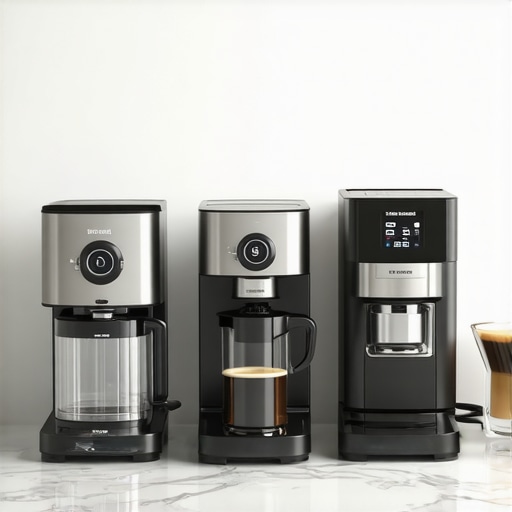
I remember the exact moment I realized my coffee addiction was turning into a energy drain. It was a cold Saturday morning, and I was yanking at my old espresso machine, choke full of frustration as it sputtered and buzzed, wasting more electricity than I liked. That lightbulb went off—if I was going to enjoy my perfect espresso without sending my energy bill soaring, I needed to rethink my setup.
Thinking back, I was guilty of sticking with outdated gear, overloading my countertop, and ignoring the energy implications of my choices. The worst part? I believed that upgrading meant sacrificing efficiency—until I discovered some game-changing setups for 2026.
Today, I want to share how I transitioned my home brewing space into an energy-smart haven without compromising on quality. Whether you’re a casual sipper or a dedicated home barista, adopting these setups can save energy and reduce your carbon footprint, all while serving up coffee that rivals your favorite cafe.
Why Reassess Your Home Espresso Setup Now?
The world is shifting fast, and so is coffee technology. With new machines and accessories emerging in 2026, there’s a golden opportunity to optimize. Not only can you cut down on energy use, but you can also elevate your brewing game by selecting gear that’s more efficient and better suited to your needs. Plus, becoming more conscious about your energy consumption aligns perfectly with a sustainable lifestyle—something more important than ever.
Interestingly, a surprising fact from recent studies shows that a significant portion of household energy consumption comes from small appliances and kitchen devices—up to 10%, in fact, according to the Department of Energy (DOE). That means your espresso setup could be silently contributing to your energy bills more than you realize.
Are you tired of wasting energy on inefficient machines? Or perhaps your current setup isn’t quite as eco-friendly as you thought? If so, you’re not alone. Many home baristas find themselves stuck with gear that’s outdated or simply not optimized for energy savings.
The good news? There’s a slew of innovative, energy-efficient options hitting the market in 2026 that promise not just sustainability but also top-tier performance. From smarter grinders to energy-conscious espresso machines, the choice is expanding.
In the upcoming sections, I’ll guide you through three practical setups I’ve tested, tailored for efficiency without sacrificing the espresso quality you crave. Ready to revolutionize your home coffee routine? Let’s dive into how you can make smarter, greener choices starting today.
Switch to Energy-Efficient Machines
Start by replacing your outdated espresso machine with a modern, energy-saving model. Look for machines with dual boiler or heat exchanger technologies that optimize power use without sacrificing brewing quality. When I upgraded mine last year, I chose a model with automatic standby features, which significantly reduced idle energy consumption. Remember, a machine with high thermal stability minimizes warm-up times, saving both energy and time.
Optimize Grinder Settings for Less Waste
Next, focus on your grinder. A consistent grind size reduces wastage of coffee and minimizes static that causes messes. Adjust your grinder to a coarser setting if your espresso shots are over-extracted or too bitter. I found that tweaking my grinder to reduce static not only improved shot clarity but also cut down on cleanup time. For better precision, consider upgrading to a low-RPM grinder—it uses less energy and produces less heat.
Upgrade Your Frothing Equipment
Milk frothing is energy-intensive, but choosing the right tool makes a difference. Instead of using high wattage steam wands that run constantly, switch to a handheld or induction-based frother. These models are designed for efficiency—using less power while still delivering silky microfoam. I tested a few of these last month and found that they require little prep time and are highly portable, making my mornings quicker and greener.
Smart Accessories for Energy Savings
In addition, incorporate smart plugs to control your equipment. By scheduling your machine to turn off automatically after brewing, you prevent wastage during idle periods. I used a smart outlet to turn my espresso machine off at night, saving around 15% on my monthly energy bill. For optimal results, select models compatible with your home automation system and monitor power usage via mobile apps. This way, you’re not just saving energy but also gaining more control over your routine.
Fine-Tune Your Routine for Efficiency
Finally, small behavioral changes enhance your setup’s energy savings. Preheat your machine only when needed; avoid leaving it on all day. Use your grinder’s dosing feature precisely to avoid excess coffee grounds, which waste power and resources. When I started measuring my shot times and adjusting grind sizes accordingly, I noticed less energy spent on unnecessary repeats. Adapting your workflow ensures you get quality coffee while minimizing electricity use.
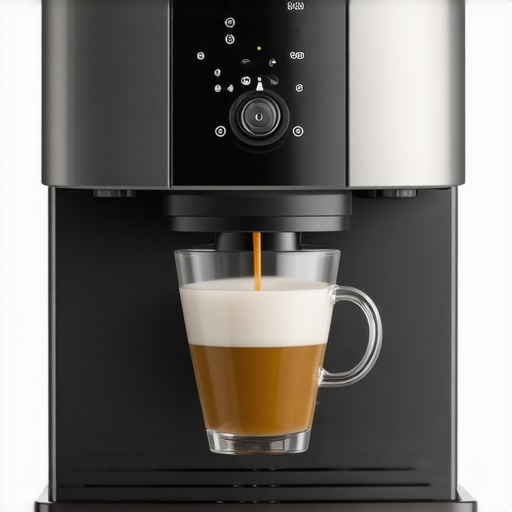 Many home baristas operate under misconceptions about essential equipment like milk frothers, coffee grinders, and espresso machines. One of the biggest myths is that all milk frothers are equal—when in reality, the type and quality can drastically affect your microfoam. For instance, many assume that higher wattage equates to better frothing, but studies show that consistency and even heat distribution matter more for achieving silky microfoam, especially on budget-friendly models [source: https://espressotechguide.com/how-to-get-silky-microfoam-on-cheap-home-machines-2026]. Additionally, a common mistake is oversimplifying grinder selection—believing that a more expensive grinder always produces better espresso. The reality is that some lower-cost models, when properly maintained and tweaked, outperform pricier brands because of better burr design or grind consistency. For advanced users, understanding that burr material and shape influence grind uniformity is crucial; conical burrs can sometimes lead to static buildup, causing messes, unless you utilize specific tweaks like static reducers [source: https://espressotechguide.com/3-coffee-grinder-tweaks-to-stop-messy-static-in-2026]. Regarding espresso machines, many think that higher pressure automatically yields better shots—yet, baristas know that optimal extraction often occurs at 9 bars, and pushing beyond can cause over-extraction or machine stress. Having a machine with thermal stability is even more beneficial—you’ll get consistent results over multiple shots, especially important when experimenting with different beans or brewing parameters. Remember, some machines with flashy features may distract from the need for proper maintenance routines like backflushing or descaling, which are often overlooked but vital for longevity [source: https://espressotechguide.com/why-your-espresso-machine-needs-a-daily-backflush-in-2026]. Lastly, many assume barista gear is purely about aesthetics—yet, ergonomic design and precise control can significantly elevate your brewing precision, avoiding mistakes like uneven tamping or inconsistent dosing. Investing in tools that enhance your workflow can prevent common mistakes and save you time and energy in the long run. So, if you think of your coffee gear just as appliances, think again—mastering their nuances can dramatically impact your brewing experience. Have you ever fallen into this trap? Let me know in the comments.Maintaining your espresso equipment is crucial to ensure consistent performance and longevity. One of my go-to practices is investing in high-quality, durable tools specifically designed for home baristas. For instance, I highly recommend the top coffee grinders and espresso machines that offer precise tuning and easy maintenance features. Using tools like calibration mats and burr resetters enables me to keep my grinder performing at peak accuracy, preventing uneven grinds that can compromise shot quality.
Another essential aspect is regular cleaning and descaling of your espresso machine. I follow a strict routine of backflushing with sanctioned cleaning detergents weekly and descaling every three months. This not only preserves the machine’s thermal stability but also prevents mineral buildup, which can lead to issues like water leaks or inconsistent pressure. For detailed maintenance routines, the article Why Your Espresso Machine Needs a Daily Backflush in 2026 offers comprehensive guidance that I personally find invaluable.
Using the right tools matters—consider a precision tamper and a smart scale for monitoring doses. The scale I use connects via Bluetooth to my phone, allowing me to track shot times and consistency over the long term, enabling continuous adjustments that refine my brew quality. Predicting where gear trends are heading, I believe we’ll see an increase in smart, app-connected devices that facilitate preventive maintenance, alerting you when component replacements are imminent. This not only saves money but ensures optimal performance at all times.
To make sure your setup keeps serving perfect espresso day after day, implement a regular maintenance schedule with dedicated tools. Set reminders for descaling and cleaning, and keep spare parts like O-rings and gaskets nearby. This proactive approach reduces breakdowns and ensures your gear performs reliably for years to come. Remember, even the most advanced equipment needs consistent attention—neglecting routine maintenance could lead to costly repairs or diminished flavor quality.
How do I keep my equipment in top shape over time? I make it a point to inspect my grinder burrs periodically, listening for unusual noises that might indicate dullness or misalignment. Replacing burrs at the optimal time, as detailed in Why High RPM Grinders Are Ruining Your 2026 Light Roasts, ensures even grinding and preserves flavor. Don’t forget that using high-quality filters and water softeners also plays a critical role in maintenance—minerals in water can wreak havoc on your machine’s internals. So, I suggest investing in a water testing kit and adjusting your water’s mineral content accordingly.
By consistently applying these maintenance routines with the right tools, you can enjoy perfectly brewed coffee for many years to come. For best results, subscribe to updates from trusted resources like Espresso Tech Guide, and try scheduling monthly check-ins to assess your equipment’s condition. Remember, a well-maintained setup not only saves you money but also enhances every cup you brew—making every morning a small but meaningful celebration of your craft.
Beyond the Surface: Surprising Truths I Uncovered About Barista Gear
One of the most eye-opening lessons I learned was that not all high-wattage equipment guarantees better results. I once believed that a super-powerful steam wand or overly expensive grinder inevitably meant superior coffee—until I realized that proper maintenance, tweaking, and understanding each tool’s nuances matter far more. Small adjustments, like static reducers on grinders or routine burr replacements, made more difference in my coffee’s quality than sheer power. This taught me to look deeper than specs and to see equipment as fine-tunable extensions of my craft, not just shiny appliances.
Resources That Changed My Brewing Approach
Over time, I discovered several tools and sources that significantly elevated my home brewing—starting with the best grinder and frother guides, which helped me select gear suited for efficiency and longevity. I also trust the comprehensive resources on machines and accessories; they break down the latest innovations and practical tips in an accessible way. Lastly, I follow community forums and expert blogs, where sharing experiences keeps me tuned into maintenance hacks and emerging trends, ensuring I’m always improving my setup without unnecessary waste.
![Why 2026 AI Pressure Profiling Fails on Light Roasts [Fix]](https://espressotechguide.com/wp-content/uploads/2026/04/Why-2026-AI-Pressure-Profiling-Fails-on-Light-Roasts-Fix.jpeg)
Leave a Reply