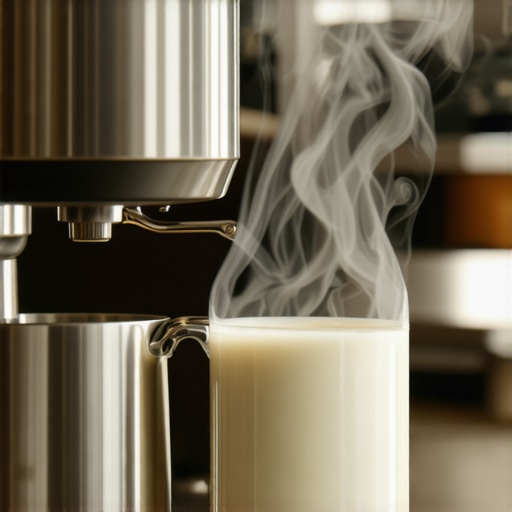
I still remember the first time I scorched a perfectly steamed milk because I let the steam wand linger just a second too long. The rich crema on my espresso looked great, but the milk? It was burnt, bitter, and completely ruined my coffee experience. That lightbulb moment made me realize—my habits with the steam wand were sabotaging my perfect cup. And honestly, I’ve seen many home baristas fall into the same trap.
How Small Steam Wand Habits Ruin Your Milk in 2026
It’s crazy how a tiny change in our steaming routine can make or break your coffee. Many people don’t realize that, in 2026, the way we handle the steam wand directly impacts milk quality, temperature consistency, and even the longevity of your equipment. If your milk is too hot, it can taste burnt and bleachy, turning a simple latte into a disappointment. But don’t worry—I’m here to help you spot the sneaky habits you might be doing and show you how to break them for good.
Is This Trick Worth the Hype
I used to think that steaming milk was just about turning the valve till the milk looked perfect. Turns out—I was way off. Early in my journey, I overlooked how my technique caused uneven heating, which affected the microfoam quality and machine health. A simple mistake like not positioning the steam wand correctly led to inconsistent temperatures and even clogged my wand over time. Once I figured out what I was doing wrong, everything improved. If you’ve ever faced a scorched milk mishap, you’re not alone—many home enthusiasts struggle with this. And the best part? Small adjustments can transform your milk steaming in ways you never imagined. For more insights on common pitfalls, check out this guide to fixing clogged group heads, which shares similar principles about routine maintenance and technique.
Ready Your Equipment and Environment
Start by ensuring your espresso machine’s steam wand is clean and free of mineral buildup. Use descaling agents regularly and check for blockages, as a clogged wand hampers consistent steaming. Place your pitcher on a flat, stable surface and preheat it to maintain temperature stability. Having a small towel nearby helps catch any splashes, keeping your workspace tidy. Before starting, purge the wand by releasing a few seconds of steam; this clears condensation and warms the wand. I once neglected this step and ended up with uneven microfoam, but now, I always purge first for quality and consistency.
Suck in Steam with Precision
Insert the tip of the steam wand just below the milk surface, aiming for a slight angle to create a whirlpool effect. Turn on the steam full blast, then immediately listen for a steady hissing noise—this indicates proper air incorporation without over-foaming. Do not keep the wand too deep; err on the side of gentle engagement. I used to plunge the wand deeply, causing large bubbles, but after adjusting my position, microfoam improved dramatically. Think of it like spinning a top; your goal is a smooth, swirling motion that evenly heats and texturizes the milk.
Control Temperature. Don’t Overheat
Keep a close eye or use a thermometer; aim for around 140°F (60°C). Overheating burns the milk and kills microfoam finesse. As you steam, tilt the pitcher slightly and raise your hand gradually to feel the increasing temperature. When you reach your target, turn off the steam immediately to prevent the milk from going over. I remember once trying to stretch the milk longer, only to scorch it; hence, monitoring temperature is crucial. Learning to stop at just the right moment ensures creamy, smooth microfoam suitable for latte art or rich espresso accents.
Refine Your Technique with Practice
Consistency comes from deliberate practice. Challenge yourself to make microfoam in different pitchers and milk types. Record your successes and mistakes; over time, you’ll notice patterns—such as which pitcher shape yields the best foam or how milk temperature affects texture. Incorporate routine checklists: clean wand, purge, position correctly, listen carefully, monitor temperature, turn off promptly. For a detailed walkthrough, see our guide on the best barista gear for perfect milk. Practice this method daily, and you’ll see immediate improvements in microfoam quality and overall coffee taste.
Many home baristas operate under misconceptions that can sabotage their coffee results. For instance, the idea that a high-priced espresso machine guarantees perfect shots is a common myth. In reality, studies show that technique and routine maintenance often outweigh equipment cost in determining coffee quality. Similarly, some believe that grinding all beans at the same setting is ideal; however, recent research emphasizes tailoring grind size to specific beans and roasts for optimal extraction—refer to insights from top barista experts.
Does More Equipment Mean Better Coffee
It’s a misconception that accumulating the latest gear automatically improves your brew. Upgrading your grinder or machine without understanding their nuances can lead to subpar results. For example, using a high-RPM grinder on light roasts can actually worsen extraction due to static buildup and uneven grind particle distribution—learn about the importance of grinder speed and retention from our detailed guide to avoid this common mistake. Additionally, many overlook routine maintenance like gasket replacement, which can cause inconsistent pressure and poor flow. Check out our post on gasket longevity to ensure your machine performs at its best.
Mastering the Nuances: The Hidden Details
Beyond the basics, appreciating subtle factors like water mineral content and ambient temperature drastically influences flavor. An often-overlooked nuance is that high mineral content in water can lead to scale buildup, affecting water flow and machine performance over time—regular descaling can prevent this, as discussed in our guide to light roast-specific issues. Moreover, advanced enthusiasts understand that pre-infusion times and pressure profiling can refine shot clarity and crema quality. These techniques, though seemingly minor, can elevate your espresso from good to exceptional. Don’t fall for the trap of thinking that equipment alone will deliver perfection; mastering these subtle details is what separates amateurs from true connoisseurs. Want to learn more? Explore the secrets behind consistent extraction and precision control.
By recognizing these nuances—debunking myths about gear costs and understanding the importance of technique—you’ll be on a faster track to brewing pro-level espresso at home. Remember, technology is just a tool; mastery comes from understanding how to use it effectively. Have you ever fallen into this trap? Let me know in the comments.
Once you’ve invested in quality equipment like a reliable espresso machine and a precision coffee grinder, the next step is ensuring they stay in peak condition over time. Routine maintenance might not be glamorous, but it’s what keeps your brewing consistently excellent and extends the lifespan of your gear. I personally dedicate time each week to deep cleaning my machine and calibrating my grinder, which has drastically improved shot quality and microfoam consistency. These small, deliberate actions lay the foundation for long-term success in your home setup.
How do I keep my espresso gear in top shape for the long haul?
First, always follow the manufacturer’s maintenance schedule. Regular descaling, especially if you have hard water, prevents mineral buildup that can clog waterways and heat exchangers, leading to inconsistent temperatures or machine failure. Use tools like a high-quality descaling solution and a rinse program to flush out impurities. For grinders, I recommend soaking the burrs in a cleaning solution every few months, particularly if static clings and uneven grinds become noticeable. This prevents retention issues and uneven extraction, which is critical if you’re aiming for that perfect shot every time. Additionally, inspect and replace gaskets or seals periodically—studies highlight that worn gaskets can cause pressure fluctuations, directly impacting shot quality. For more on gasket maintenance, check out our detailed guide on gasket longevity. Incorporating routine compliance with these simple steps will make all the difference in your brewing consistency.
What’s the best way to streamline my maintenance routine?
Adopt a schedule that aligns with your usage cycle instead of waiting for problems to appear. I keep a monthly checklist that includes descaling, cleaning portafilters and baskets with appropriate brushes, and inspecting hoses and seals for cracks or wear. Using specialized tools like a tamper mat and color-coded brushes helps me organize my cleaning supplies efficiently and ensures I don’t overlook critical tasks. Investing in quality tools such as a dosing calipers and a precision scale further guarantees your doses stay consistent, which is vital for maintaining extraction quality and flavor profiles. As equipment evolves, so do maintenance demands; staying ahead prevents costly repairs and guarantees sustained flavor clarity.
Embrace better tools for lasting performance
Consider upgrading to tools designed specifically for home baristas. For example, a high-quality burr grinder with low retention not only improves grind consistency but also makes cleaning easier. Advanced water filtration systems can mitigate mineral buildup, reducing descaling frequency and prolonging equipment life. These investments pay off by maintaining the delicate balance of extraction and microfoam that distinguish great coffee. In the future, I see smart maintenance solutions integrating sensors that monitor machine health and alert you when attention is needed—think of it as your personal barista tech support. For now, adopting a disciplined maintenance routine with the right tools is your best bet for enduring excellence. Start by scheduling a thorough descaling this weekend, and your setup will thank you with years of top-tier performance.
The Hidden Lessons That Shaped My Coffee Journey
- One of the biggest revelations was realizing how a slight misalignment during steaming can cause inconsistent microfoam, reminding me that precision in small movements pays off big time.
- I learned that routine maintenance isn’t just about cleanliness; it’s a form of respect to your equipment, ensuring each shot and microfoam session is as good as the first.
- Investing time in understanding water mineral content transformed my espresso; hidden factors matter more than I initially thought, turning ordinary water into a secret ingredient for excellence.
Tools and Resources That Transformed My Approach
- Precision coffee scale: Ensures consistent dosing, crucial for reliable extraction and microfoam quality. I trust this over guesswork any day.
- High-quality descaling solutions: Regular descaling prevents mineral buildup, protecting my equipment and maintaining temperature stability. I rely on proven formulas for peace of mind.
- Online communities and courses: Engaging with expert baristas on forums and enrolling in specialized courses has accelerated my learning curve. Learning from real-world experiences beats theory.
- WaterTesting Kits: Understanding my water’s mineral profile allowed me to tailor my filtration, which directly improved shot clarity and foam consistency. It’s a game-changer I recommend highly.
Embracing the Challenge and Staying Motivated
Getting consistently excellent espresso in 2026 isn’t about waiting for perfect gear but cultivating a mindset of curiosity and persistence. Every small adjustment—like perfecting wand position or monitoring milk temperature—adds up to extraordinary results. Remember, mastery is a journey, not a destination. Celebrate your progress, learn from setbacks, and stay passionate about exploring new techniques. Your home espresso setup is your personal canvas; with dedication, you’ll turn routine into art. So, what’s the next small habit you’re excited to perfect for better coffee tomorrow? Share your plans below and let’s grow together.
![Why 2026 AI Pressure Profiling Fails on Light Roasts [Fix]](https://espressotechguide.com/wp-content/uploads/2026/04/Why-2026-AI-Pressure-Profiling-Fails-on-Light-Roasts-Fix.jpeg)



Leave a Reply