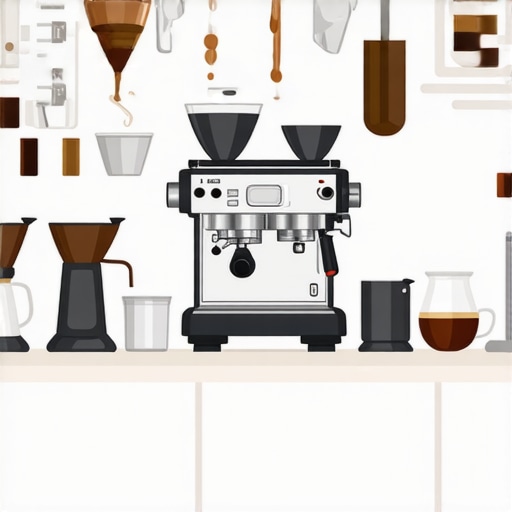
There was a morning not long ago when I eagerly unpacked my brand-new barista kit, expecting my home espresso experience to leap into the professional realm. Instead, I was met with a sluggish grinder, inconsistent pours, and microfoam that refused to cooperate. Frustration hit hard. It was in that moment I realized—these so-called ‘2026’ gear kits, marketed as the next big thing for home baristas, often set us up for disappointment.
Why Are 2026 Barista Gear Kits Failing Home Espresso Enthusiasts?
Many of us have invested in shiny, feature-rich gear with the hope of achieving café-quality drinks at home. But what seems promising on paper often turns into a cascade of problems—clogged grinders, unreliable pressure sensors, inconsistent steam wands. The core issue? A mismatch between gear design and real-world home use. Manufacturers push new models with hype, but the fundamentals—like grinder grind retention or thermal stability—don’t always keep pace.
When I first started, I made the mistake of believing that new features meant better results. I didn’t pay enough attention to how my grinder’s retention was trapping fines, or how my machine’s pressure sensor was giving false readings. That led to under-extracted shots, burnt milk, and wasted beans. It was a lesson in fact: even the slickest-looking gear fails if you don’t understand its quirks and limitations. If you’d like to avoid the same pitfalls, understanding the common failures is the first step.
Are These Kits Actually Worth the Hype?
It’s tempting to see the latest gear as a quick fix—another shiny gadget promising perfect espresso. But in reality, many of these kits require tweaks and adjustments that aren’t always highlighted in ads. A recent study by the Specialty Coffee Association highlighted that even professional baristas struggle with new equipment if they don’t understand the underlying mechanics.1 This underscores the importance of knowing what to watch out for before jumping into your own upgrade spree.
If you’re wondering whether investing in the latest gear will truly elevate your home brewing, or just lead to more frustration, you’re not alone. I’ve been there, and over time, I learned that the key isn’t just having new gear but knowing how to optimize and troubleshoot it effectively. Ready to dive into practical solutions and avoid common mistakes? Let’s go.
Start with a Clean Slate by Tuning Your Grinder
Before you brew, focus on your grinder. A common mistake is static buildup, which causes uneven dosage and channeling. To fix this, perform a quick cleaning by unclipping the burrs and wiping the chamber with a dry cloth. Next, address static cling by implementing a simple static reduction hack—a quick, effective step for consistent dosing. Once your grinder is clean, calibrate the grind size, aiming for a slightly finer setting than you think. Experiment with small adjustments: grind a dose, pull a shot, and observe results. This process is messy and takes time, but it ensures optimal extraction and prevents uneven tamping caused by inconsistent grind size.
Perfect Your Puck Preparation
Achieving a uniform puck is vital. Use a consistent tamp pressure—around 30 pounds—and make sure the tamp is level. Invest in a calibration weight or a simple scale to gauge your tamping force during practice. An uneven puck leads to channelling; to test if your puck prep is effective, use these quick tests. Apply pressure, release, and check for an even distribution of water flow during brewing. If you notice dry spots or uneven extraction, consider adjusting your grind or tamping technique. Remember, consistent puck prep reduces shot variability and boosts flavor clarity.
Dial in Your Machine’s Pressure and Heat
Next, optimize your espresso machine. Many models, especially the new 2026 releases, have pressure sensors that need calibration. Use a simple bellows hack to ensure accurate readings. Aim for 9 bars of pressure during extraction. Inconsistent pressure readings are a common culprit for sour or bitter shots. Also, check your machine’s thermal stability; if your brew temperature fluctuates, consider a budget upgrade or adding a dedicated PID controller. Consistent heat and pressure give your shots the reliability and richness of a pro setup.
Steaming Milk for Creamy Microfoam
For milk steaming, focus on technique. Use cold milk and a clean steam wand. Position the steam tip just below the surface, opening the valve gradually. It’s tempting to rush, but slow, deliberate movements produce microfoam. If your milk is too hot or unevenly textured, revisit your steam wand habits. A steady whirlpool motion helps incorporate air evenly, preventing big bubbles. Remember, practice makes perfect—your first few attempts might be messier than expected, but consistent effort will develop your skill faster than you think.
Regular Maintenance for Consistency
Don’t neglect your gear. Schedule weekly cleaning cycles for your grinder, including burrs and chute. Run a cleaning espresso shot with a descaling solution monthly to clear mineral buildup. Check seals and replace worn gaskets—these small steps prevent leaks and pressure drops. Good maintenance ensures your machine operates at peak performance, translating directly into better shots and milk textures.
By integrating these steps into your routine—cleaning your grinder, preparing your puck meticulously, calibrating your pressure, and perfecting milk steaming—you set the stage for consistently excellent coffee. Even a small tweak here and there compounds over time, transforming your home setup from average to stellar.
,Many enthusiasts believe that simply owning high-end coffee equipment guarantees perfect espresso and frothy milk. However, even seasoned home baristas often fall into subtle traps that hinder consistent results. One prevalent misconception is that grinders with the most impressive specs—like high RPM or cutting-edge burr designs—automatically produce superior grounds. In reality, these features can sometimes lead to increased static and fines retention, negatively impacting extraction quality. It’s crucial to understand that optimizing grind retention and static reduction is more important than chasing the latest tech hype.
Another common mistake involves milk frothers. Many assume that larger or more powerful frothers yield better microfoam. But, without mastering the technique—like positioning the steam tip correctly and controlling airflow—you risk over-aerating or creating large bubbles. A simple reminder: proper steaming habits significantly improve microfoam quality regardless of the equipment’s price.
Advanced users often overlook the nuanced calibration of espresso machines, especially regarding pressure and temperature stability. It’s tempting to rely on factory settings, but small adjustments—such as calibrating the pressure sensor or installing a PID controller—can drastically enhance shot consistency. Many assume that high-end machines are foolproof, yet studies, including those by the Specialty Coffee Association1, demonstrate that even expert setups benefit from periodic recalibration.
What’s a critical mistake often hidden from the average home barista? Tamping inconsistency. Applying uneven pressure or tilting the puck can cause channeling, leading to weak or overly bitter shots. Investing in a calibrated tamper or practicing with a scale can mitigate this issue. Remember, even the best machine can’t compensate for poor puck prep.
Finally, a frequent oversight concerns maintenance. Regular cleaning of grinders, group heads, and steam wands—like addressing puck dryness or eliminating vibration issues—keeps equipment performing optimally. Neglecting this often-forgotten step leads to inconsistent shots and frothing troubles.
In essence, mastering home espresso involves more than just acquiring gear—it’s about understanding and fine-tuning these nuanced aspects. Have you ever fallen into this trap? Let me know in the comments.
Keep Your Equipment in Top Shape for Consistent Results
Maintaining your coffee gear isn’t just about longevity—it’s about safeguarding the quality of every shot. Regular cleaning routines, such as backflushing your espresso machine with a cleaning backflush disk and appropriate cleaning agents, help prevent buildup that can impair performance. For grinders, a weekly burr cleaning with fits-for-purpose brushes and occasional replacement of worn burrs ensures even grind distribution—crucial for shot consistency. Remember, neglecting routine maintenance can lead to issues like channeling or uneven extraction, which undermine even the best workflows. Invest in quality tools like precision calibration tools to fine-tune your setup over time.
Tools I Rely on Daily
My go-to tools include a digital scale for precise dosing, a calibrated tamper to apply consistent pressure, and a thermometer to monitor brew temperature. The 2026 espresso scale isn’t just for weight—many models now include built-in thermometers and timers, providing valuable data to optimize extraction. For milk steaming, a thermal-resistant pitcher paired with a temperature strip helps maintain perfect microfoam consistently. These tools elevate my routine from guessing to precise control, ensuring each cup hits the mark.
Preparing for the Long Run with Reliable Gear
Choosing durable, well-designed equipment reduces long-term headaches. When selecting an espresso machine, look for models with solid group heads like the E61 design, renowned for thermal stability. Watch for features like easy-access water reservoirs and modular components that facilitate maintenance. For grinders, flat-burr models often provide consistent particle size, but ensure they have low retention rates—otherwise, stale grinds can corrupt fresh beans. Regularly updating small components like seals and gaskets is a small investment that pays off by preventing leaks or pressure inconsistencies. Stay proactive; your future self will thank you.
The Future of Home Barista Tools and Maintenance
Emerging tech such as IoT-enabled SIM-enabled espresso scales or self-cleaning grinders hints at an exciting shift where maintenance becomes automated and more accessible. Manufacturers are increasingly focusing on user-friendly interfaces that prompt maintenance schedules and diagnostics. I predict that within the next few years, integrated software will analyze shot quality data and suggest precise adjustments, reducing trial-and-error. To stay ahead, start integrating these tools into your routine today—try implementing automated cleaning cycles or calibration checks periodically. A small step now ensures you’ll master your equipment even as the technology evolves.
How do I maintain my gear over time?
Establishing a routine is key. Schedule weekly cleanings for your grinder and monthly descaling for your espresso machine. Keep spare gaskets and burrs handy; replacing them before they cause issues prevents costly repairs. Regularly inspect seals and valves for wear—small leaks can cause big problems down the line. Use proper tools, like adjustment collars and calibration gauges, to fine-tune your setup. Remember, a proactive maintenance approach saves time, money, and keeps your coffee tasting flawless. Start today by scheduling that bi-weekly cleaning session—your taste buds will thank you for it.
The Hardest Lesson I Learned About coffee grinders,milk frothers,espresso machines,home espresso,barista gear
One profound realization came when I discovered that owning the most expensive gear doesn’t automatically guarantee perfect results. It became clear that understanding the intricacies—like grinder retention or proper tamping—made all the difference. This lesson taught me patience and humility in my coffee journey.
3 Myths About coffee grinders,milk frothers,espresso machines,home espresso,barista gear That Held Me Back
I used to believe that high RPM grinders were always better and that bigger steam wands produced superior microfoam. Now, I see that static, retention, and technique are often more critical than hype. Busting these myths has opened my eyes to smarter choices and consistent brewing quality.
What Experts Won’t Tell You About coffee grinders,milk frothers,espresso machines,home espresso,barista gear
Behind the scenes, many professionals focus on routine maintenance and precise calibration—details overlooked in marketing. Knowing how to tune your machine’s pressure and keep your gear clean ensures your shots remain consistent, revealing that mastery stems from subtle yet vital adjustments.
My Essential Toolkit for Optimal Home Coffee Crafting
I rely on a calibrated tamper, a digital scale with temperature readout, and a high-quality milk pitcher. These tools, trusted through experience, elevate my routine by bringing precision and control—cornerstones for those seeking consistently stellar coffee at home.
Where to Go from Here for the Passionate Home Barista
Stay curious and proactive. Explore comprehensive guides like the best espresso gear for 2025 to upgrade wisely. Regularly calibrate, maintain, and experiment—your home espresso adventure is a journey of ongoing discovery, with each tweak unlocking richer flavors and better texture.
Your Turn to Brew with Confidence
Remember, the path to excellent home espresso isn’t about perfection from the start but persistent learning and fine-tuning. With patience and the right mindset, you’ll find that expert-quality coffee is well within your reach. What’s the next small step you’re excited to try? Drop your thoughts below and share your journey!
![Why 2026 AI Pressure Profiling Fails on Light Roasts [Fix]](https://espressotechguide.com/wp-content/uploads/2026/04/Why-2026-AI-Pressure-Profiling-Fails-on-Light-Roasts-Fix.jpeg)
Leave a Reply