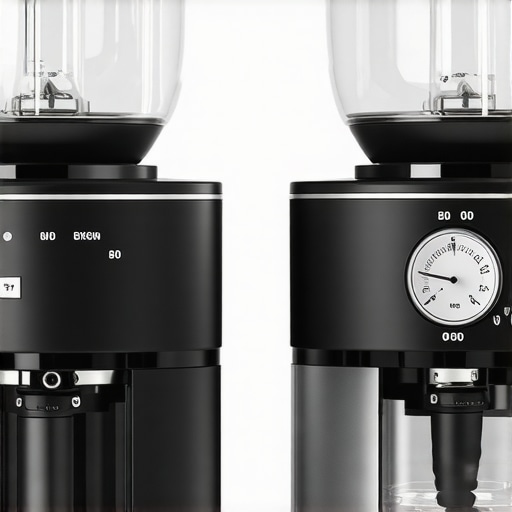
I remember the exact moment I realized my espresso shots were becoming inconsistent. It was a busy morning, and after pulling what should have been a flawless shot, I tasted a sour undertone, then a bitter note on the next pull. Frustration crept in—I had been battling grinder setting drift for weeks without even knowing it. That lightbulb moment made me realize how crucial stable grinder calibration is for consistent espresso.
If you’ve been struggling with fluctuating grind settings that mess up your brewing routine, you’re not alone. Many home baristas face this challenge, especially as grinder settings tend to shift over time. But don’t worry—there are effective strategies to regain control and keep your espresso tasting just right. Today, I want to share three tried-and-true methods that helped me achieve stable grinder settings and perfect shots every time.
Why Does the Grinder Setting Drift Happen and Why It Matters
Is Grinder Drift Really a Big Deal or Just Noise?
Many newcomers dismiss slight changes in grind size or tamping pressure, but these can significantly impact flavor and shot consistency. Early on, I made the mistake of ignoring minor variations, thinking they were inconsequential. That led to wasted beans, uneven extraction, and a lot of frustration.
The primary culprit behind setting drift often involves temperature fluctuations, burr wear, or static buildup in the grinder. Over time, these factors cause the grind size to shift, leading to inconsistent extraction parameters. The good news is that understanding why this happens is the first step toward fixing it. According to expert insights, maintaining a stable grind environment is key to brewing reliably (source: [Espresso Tech Guide](https://espressotechguide.com/3-signs-your-2026-espresso-machine-pump-is-pulsing-too-fast)).
If you’ve faced this problem—waking up excited to brew, only to find your espresso shooting off-course—then you’re ready for practical solutions. Keep reading, because the techniques I’m about to share transformed my approach and can do the same for you. Whether you’re using a 2026 grinder or any high-end setup, these tips are easy to implement and effective.
Next, we’ll dive into the first critical adjustment you can make today to tame those setting drifts and enjoy consistently excellent espresso shots.
Calibrate Your Grinder Regularly for Precision
Start by setting a baseline grind size optimized for your machine and beans. Use a calibration method like weighing your dose and adjusting until extraction yields bright, balanced flavors. I once spent an afternoon adjusting my Mythos grinder, meticulously logging each setting, until I achieved a stable baseline. This prevents drift and keeps your shots reliable. Refer to this handy bellows hack to maintain consistent airflow and burr alignment.
Synchronize Temperature Control and Grind Adjustments
Grinding generates heat, which can cause burr expansion, subtly altering the grind size. Allow your grinder to fully cool down after long sessions and avoid rapid successive adjustments. Using a thermometer or monitoring your machine’s temperature can help. I learned this the hard way when my temp spiked mid-press, throwing off my grind setting. A quick fix was to let the grinder rest for 10 minutes. Keeping your equipment temperature stable ensures a consistent grind and extraction, as explained in this guide on machine pulse signs.
Freshen and Maintain Burrs to Prevent Dulling
Burr wear is one of the main culprits of setting drift. Dull burrs grind beans unevenly, forcing you to recalibrate constantly. Regularly inspect and replace burrs, especially if you notice uneven particle size or excessive fines in your grounds. I replaced my conical burrs after noticing my shots lacked clarity—performance improved drastically. For better results, keep your burrs clean by removing static and coffee residues with a soft brush, as discussed in this maintenance tip. Clean burrs contribute to a consistent grind size and therefore more stable extraction.
Control Static and Environmental Factors
Static electricity causes grounds to cling, leading to inconsistent doses and setting shifts. Use anti-static devices like static-reducing bellows or humidifiers in your coffee cupboard to keep grounds flowing smoothly. I once experienced static buildup during winter, making tamping inconsistent. Applying a micro-dose of water or investing in a static eliminator reduced static cling notably. Maintaining this control minimizes variables that impact your grind stability.
Track and Adjust Based on Extraction Feedback
Keep a detailed log of each shot—grind size, tamp pressure, temperature, timing—and note how small adjustments affect flavor. Use this data to fine-tune your grinder settings over time rather than making random changes. I found that improving my recording habits in a dedicated journal eliminated guesswork. Consistent feedback loops help you understand how your equipment, beans, and technique interact, leading to more stable settings. The ultimate goal is reliable, repeatable shots that taste great every time.
Many home espresso enthusiasts believe that choosing high-end gear guarantees perfect coffee, but there’s a twist—mastery depends heavily on understanding the subtleties of your equipment and technique. For instance, a common myth is that expensive espresso machines automatically produce superior shots; in reality, machine maintenance and calibration are often overlooked, causing subpar extraction. Regularly checking your pump stability, as detailed in this guide, can reveal hidden issues affecting consistency.
Another misconception involves milk frothing—many think that any frother can produce microfoam, but nuances like steam wand positioning, pitcher shape, and milk type significantly influence result quality. While tutorials often highlight the basics, advanced baristas know that mastering the ‘angle of attack’ and ‘tip position’ can make or break your microfoam’s silkiness. For deeper insight, check out this comprehensive review.
Ever wonder why some grinders seem to produce inconsistent grounds even after calibration? The answer lies in overlooked factors such as static buildup, burr alignment, and motor health. Static can cause grounds to cling, disrupting dose consistency, especially in humid environments. To address this, integrating static-reducing accessories and performing regular maintenance can save your shots.
The most insidious aspect among seasoned enthusiasts is equipment wear that subtly shifts performance. Burr dullness, for example, doesn’t just affect extraction; it can also fool you into over-adjusting grind settings. Dull burrs create uneven particle sizes, leading to over-extraction or channeling. Recognize the signs early—such as increased fines or uneven taste—and replace burrs promptly, as discussed in this guide. Regular inspection and cleaning prevent the gradual decline in grind quality.
What about environmental factors that many overlook? Humidity, temperature fluctuations, and static electricity all impact grind consistency and extraction. For example, static can cause grounds to cling to the portafilter or grinder chute, leading to inconsistent dosing. To mitigate these issues, using anti-static devices or maintaining stable ambient conditions can make a sizable difference.
Addressing these nuanced areas elevates your home setup from average to expert level. Instead of blindly trusting gear labels or tutorials, focus on understanding and managing the hidden factors at play. Doing so transforms espresso brewing into an art, not just a process. Have you ever fallen into one of these traps? Let me know in the comments and share your experiences—your insights could help fellow home baristas dodge these pitfalls.
How do I maintain my espresso setup for long-term reliability?
Investing in quality tools and establishing a routine maintenance schedule can dramatically extend the lifespan of your espresso gear. Personally, I swear by a few specific items that have made my brewing more consistent and hassle-free. Regular descaling of your machine with a specialized descaling solution prevents mineral buildup that can impair pump function, as detailed in this guide on pump issues. Similarly, a dedicated brush set for grinder burrs ensures they stay clean and free of static, which can cause inconsistent grind sizes.
For tuning and calibrating, a high-quality digital scale with 0.1g accuracy is indispensable. It allows you to replicate shot weights precisely, reducing variability caused by weighing errors. I’ve also found that a calibrated thermometer helps me monitor Group Head temperature, ensuring optimal extraction every time.
Beyond hardware, software tools like shot timers and logs are game-changers. Keeping detailed records of grind settings, tamp pressure, and brew times help identify patterns and prevent drift over time. Some enthusiasts incorporate smartphone apps which sync with Bluetooth thermometers or scales for real-time tracking, streamlining their calibration process.
Future trends suggest AI-driven calibration tools may become more accessible. Imagine an app that analyzes your shot images, compares them against ideal parameters, and suggests precise adjustments—making maintenance even more intuitive. Until then, manual tools combined with disciplined routines are your best bet for long-term gear health.
Why regular maintenance and proper tools are crucial for home baristas
Maintaining your espresso setup isn’t just about preventing breakdowns; it’s about ensuring every shot is a masterpiece. In my experience, the most reliable way to do this is by scheduling regular cleanings, burr inspections, and calibrations. For example, regularly replacing worn burrs with the right tools can prevent uneven grounds and unstable extraction. Staying on top of pump health by checking for signs like unusual noises or pulsing anomalies (see this resource) can save you costly repairs down the line.
Today, I challenge you to implement a bi-weekly maintenance check—disassemble your grinder to clear static, inspect burrs, and run a cleaning cycle in your machine. Making this a habit ensures your gear remains in peak condition, leading to consistently excellent espresso and long-term savings. Proper tools, combined with disciplined routines, empower you to keep your coffee gear performing seamlessly for years to come.
What I Wish I Knew When I Started Taming My Grinder
One of the biggest lightbulb moments for me was realizing that grinder calibration isn’t a one-and-done task but an ongoing process. I used to think a single perfect setup was enough, only to be frustrated when shots suddenly varied. The truth is, regular check-ins and adjustments—like re-belling the burrs or monitoring the machine temperature—are crucial to keep your espresso consistent. This helped me develop an intuitive rhythm, preventing drift before it happens.
Another lesson was recognizing the hidden wear and tear on my grinder burrs. Dull burrs sneaky enough to throw off my shot without obvious signs. Replacing burrs at the right time, guided by signs such as uneven particle size and taste changes, transformed my brewing stability. Trusting low-cost equipment maintenance like inspections and cleanings saved me from costly surprises and upgraded my extraction reliability.
Lastly, I learned that controlling static and environmental factors—like humidity and static buildup—can dramatically improve dose consistency. Using anti-static devices and keeping the workspace stable prevented grounds from clinging, which otherwise caused fluctuating doses and inconsistent shots. Fine-tuning these unseen variables made my espresso workflow smoother and far more predictable.
![Why 2026 AI Pressure Profiling Fails on Light Roasts [Fix]](https://espressotechguide.com/wp-content/uploads/2026/04/Why-2026-AI-Pressure-Profiling-Fails-on-Light-Roasts-Fix.jpeg)
Leave a Reply