How to Descale Your Boiler Without Clogging the Tiny Gicleur Orifice
I remember the first time I tried to descale my espresso machine. I was so eager to keep my gear running perfectly that I dunked everything into vinegar and hoped for the best. The result? A gurgling mess and a stubborn clog that turned my morning espresso into a frustrating ordeal. That lightbulb moment made me realize—descaling isn’t just about removing scale; it’s about doing it right, especially when dealing with tiny gicleur orifices.
If you’ve ever struggled with a clogged gicleur after descaling, you’re not alone. It’s a common pitfall among home baristas and even seasoned enthusiasts. Today, we’re going to tackle this head-on. I’ll share my personal insights and proven techniques to descale effectively without clogging those delicate tiny orifices that are critical for perfect espresso extraction.
Why Proper Descaling Is Vital for Your Espresso Machine
Frequent descaling is essential because mineral buildup from water hardens inside the boiler and all its intricate pathways. Over time, this scale can impair heat transfer, reduce water flow, and eventually cause clogs—especially in the tiny gicleur orifices that control water dispersion during brewing. Ignoring proper descaling can lead to costly repairs or replacement, not to mention a degraded coffee experience.
Is Over-Descaling Actually a Real Threat?
One mistake I made early on was descaling too aggressively or too often, thinking it would keep my machine in tip-top shape. But too much acid or improper rinsing led to residual deposits, ironically increasing the risk of clogging. It’s a delicate balance. The key is gentle cleaning combined with thorough rinsing, which prevents residual buildup that could clog tiny parts. For more on this, check out [this article](https://espressotechguide.com/why-your-espresso-machine-pump-sounds-like-a-jackhammer-and-how-to-muffle-it), which discusses water quality and maintenance routines that extend your machine’s lifespan.
Now that I’ve set the stage, let’s dive into the practical steps and insider tips to keep your boiler descaling effective and clog-free, ensuring your espresso remains delicious and your machine functions flawlessly.
Flush Out the Scale: Start with Thorough Rinsing
Before applying any descaling solution, run water through your machine at least twice to clear residual coffee oils and loose deposits. I learned this the hard way when I skipped this step—residual grime mixed with vinegar, creating a stubborn film that clung to the tiny gicleur orifices, causing a poor shot. Use the machine’s cleaning cycle or manually flush water through all pathways to prepare for an effective descaling.
Apply the Right Descaling Solution and Let It Work
Use a commercial descaler recommended for espresso machines, or a pre-measured citric acid mixture. Fill your water reservoir with the solution, ensuring it dissolves completely. Turn on your machine and run the solution through the brew cycle without a portafilter, mimicking regular operation. During my last deep clean, I let the solution sit for 15 minutes, allowing it to break down stubborn mineral deposits effectively. This patience prevents over-aggressive acid use, which can weaken o-rings and seals, leading to leaks.
Focus on Gentle Mechanical Cleaning of Tiny Orifices
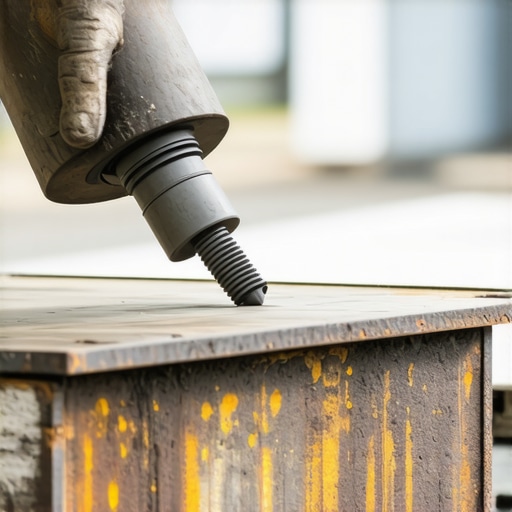
After descaling, it’s crucial to physically clear tiny gicleur holes, which can easily clog. Use a soft, flexible needle or a specialized cleaning pin to gently poke through each orifice—never use metal or sharp objects that could damage the precision parts. I once used a paperclip and ended up deforming a gicleur, causing inconsistent flow. A dedicated cleaning pin aligned with the hole’s diameter is best. For stubborn deposits, soak the pin in a small amount of descaling solution or white vinegar before cleaning.
Rinse and Remove Residual Descaler Thoroughly
Once the internal pathways are cleaned, run multiple rinses with clean water to flush out all residues of descaling agents. I recommend running at least three full reservoirs of clear water through the machine to ensure no acid remains. Residual descaler not only risks damaging delicate tiny parts over time but also can cause taste issues or clogging if residues harden again.
Prevent Future Clogs with Regular Maintenance
Implement a routine: descale every 2-3 months or sooner if you have hard water. Use filtered or softened water to reduce mineral buildup. During descaling, pay close attention to the gicleur orifices—clean them with each routine—saving you from larger clogging issues. Also, avoid aggressive chemical use; mild descaling combined with mechanical cleaning offers safer, longer-lasting results.
Improve Water Quality to Slow Scale Formation
Hard water is the main culprit behind rapid scale buildup. Consider installing a water softener or using bottled water designed for espresso machines. This practice significantly extends the intervals between descaling sessions, reducing the risk of clogging tiny gicleur holes and ensuring consistent extraction quality. For additional insights, check out [this article](https://espressotechguide.com/why-your-espresso-machine-pump-sounds-like-a-jackhammer-and-how-to-muffle-it).
Many home baristas believe that owning premium coffee gear guarantees perfect beverages every time. However, what most people get wrong is overlooking the subtle nuances and common misconceptions about essential tools like milk frothers, grinders, and espresso machines. For instance, a widespread myth is that more expensive equipment always produces better results, but in reality, proper technique and niche knowledge matter just as much as price tags.
One *trap* to avoid is assuming that all milk frothers function identically. Many novice users choose handheld or automatic frothers without considering the texturing method or milk type, leading to inconsistent microfoam. Experts understand that the key lies in mastering your specific frother’s capabilities and adjusting temperature and frothed milk ratios accordingly. This deep knowledge prevents the common mistake of over-heating milk, which denatures proteins and destroys microfoam quality.
When it comes to coffee grinders, many believe that finer settings always yield better extraction. In fact, oversetting can cause clogging or uneven particle size distribution, especially in burr grinders. Advanced users regularly calibrate their grinders using techniques like the ‘paper towel test’ to check for burr sharpness and consistency. A critical warning is ignoring burr wear; dull burrs increase grind time and heat, negatively impacting flavor and risking clogged pathways. Regular maintenance and proper adjustment, such as the method outlined in [this article](https://espressotechguide.com/ditch-the-brush-7-hacks-for-a-faster-2026-grinder-workflow), can prevent such issues.
Another overlooked aspect is the relationship between espresso machines’ boiler cleanliness and steam wand performance. Many enthusiasts neglect thorough cleaning, leading to sputtering or inconsistent steaming. Mold and mineral deposits can cause tiny clogging or pressure drops, which even high-end machines are susceptible to. Advanced users employ specific cleaning routines and descaling protocols to maintain optimal performance, avoiding the trap of thinking “my machine is just old”.
How can understanding the micro-mechanics improve your espresso quality?
This is a question often ignored by hobbyists but fundamental for serious enthusiasts. Gaining a deeper grasp of the internal pathways, how pressure builds, and how even tiny blockages affect shot quality allows for precise troubleshooting. For example, a subtle pressure drop might be traced to a clogged group head screen or worn gasket. Learning these nuances ensures you don’t fall into the common trap of replacing equipment prematurely when simple maintenance suffices.
Finally, a major mistake is neglecting the impact of water quality. Many skip water filtration, risking mineral buildup and interfering with both flavor and machine longevity. Experts recommend investing in proper water conditioning systems to prolong equipment life and enhance taste, as highlighted in detailed resources like [this](https://espressotechguide.com/why-your-espresso-machine-pump-sounds-like-a-jackhammer-and-how-to-muffle-it).
In closing, mastering your barista tools involves much more than initial setup. It requires understanding the hidden mechanics, proper maintenance routines, and advanced troubleshooting techniques. Do you feel you’ve fallen into these common traps? Share your experiences in the comments, and let’s elevate our coffee game together.
Investing in Reliable Tools for Long-Term Performance
Achieving consistent espresso shots at home hinges on not only technique but also the quality and maintenance of your equipment. I personally swear by a few key tools that help me keep everything in pristine condition. For grinder calibration, I use a precision scale combined with a set of feeler gauges; this allows me to dial in grind size accurately and maintain it over time, preventing uneven extraction or clogging. When it comes to cleaning, a dedicated set of cleaning brushes, like those available from brands such as Urnex or Barista Hustle, make reaching tiny crevices in group heads and gicleur orifices effortless and safe—avoiding damage from generic pins or metal tools that can deform delicate parts.
Tools I Recommend for Maintenance and Troubleshooting
One indispensable device is a thermal leak detector—by quickly pinpointing where heat escapes, I can prevent long-term issues with boiler stability. This can save you from costly repairs or replacing seals prematurely. Additionally, a high-quality puck screen tester helps me ensure my baskets are not causing uneven water flow, which impacts shot quality. For grinder owners, I recommend a detailed cleaning and calibration kit that simplifies disassembly, letting you clear clogged chutes and burrs without damaging sensitive components. Regular use of these specialized tools extends the lifespan of your gear and sharpens your troubleshooting skills, giving you confidence when things go awry.
The Future of Home Barista Maintenance: Smart Integration
Looking ahead, I predict a surge in smart diagnostic tools that interface directly with espresso machines and grinders, providing real-time alerts on issues like scale buildup or motor wear. Companies are already integrating IoT sensors into their equipment, which means we might soon receive maintenance recommendations via smartphone apps, minimizing downtime and guesswork. Embracing these innovations now can give serious home baristas a significant advantage, keeping equipment in top shape without the steep learning curve.
How do I maintain my equipment over time?
Developing a consistent maintenance routine is crucial. I schedule bi-monthly descaling using a recommended commercial descaler, followed by meticulous cleaning of gicleur orifices with a dedicated pin—never a paperclip or sharp object that might deform the tiny holes. I also monitor water quality continuously, using a water filter or softener, which drastically reduces mineral deposits. Keeping an eye on component wear with diagnostic tools like a thermal leak detector helps catch issues before they escalate. Regularly calibrating grinders and checking seal integrity ensures consistent results, saving time and money in the long run. Implementing these practices ensures your gear remains reliable and your espresso shots stay perfect. Try integrating a precision scale in your routine today—it’s an advanced step that will bring newfound consistency to your brewing craftsmanship.
The Hardest Lesson I Learned About Home Espresso Maintenance
One of my most eye-opening experiences was realizing that aggressive descaling can do more harm than good, especially in delicate parts like gicleur orifices. Patience and gentle techniques are key, and rushing the process often leads to clogging instead of avoiding it. It’s easy to assume that more cleaning equals better performance, but overdoing it can cause residual buildup, complicating your routine and risking damage.
My Eye-Opening Discoveries About Equipment and Techniques
I once thought that a fine grind always meant better shots, but I learned that this can cause clogs and uneven flow if not calibrated properly. Regularly calibrating your grinder with tools like a precision scale or the [cleaning and calibration kit](https://espressotechguide.com/ditch-the-brush-7-hacks-for-a-faster-2026-grinder-workflow) I trust has transformed my workflow. Additionally, I discovered that water quality drastically affects the longevity of my machine and shot consistency—investing in a water filter made a significant difference in preventing scale build-up.
Patience as a Cornerstone of Consistent Espresso
Achieving the perfect shot is not just about the initial setup — it’s about ongoing patience and meticulous attention. Routine checks—like inspecting gicleur orifices with a flexible needle and rinsing thoroughly after descaling—are simple steps that keep minor issues from escalating. Never underestimate the power of slow, deliberate maintenance routines; they are the reason I can pull consistent, top-quality espresso every day.
My Toolkit for Long-Term Espresso Success
I rely on specific tools to maintain my equipment in peak condition: a digital scale for consistency, detailed cleaning brushes for hard-to-reach parts, and a thermal leak detector to monitor boiler performance, which can show early signs of scale or wear. Using these tools has empowered me to troubleshoot quickly and avoid expensive repairs. When I want to optimize my grinder’s performance, I turn to the calibration techniques outlined in [this guide](https://espressotechguide.com/ditch-the-brush-7-hacks-for-a-faster-2026-grinder-workflow) to keep everything running smoothly.
Stepping Into the Future of Home Espresso Maintenance
Emerging technologies like smart sensors and IoT integration promise to revolutionize how we care for our machines. Imagine receiving real-time alerts about scale buildup or gasket wear directly on your phone, guiding you to perform simple fixes before problems grow. Embracing these innovations early will ensure your espresso journey stays smooth and your gear remains reliable for years to come. I encourage you to stay curious and explore new tools that could make your routine even more efficient.
What’s Your Next Move in Perfecting Your Espresso?
Every barista encounters hurdles, but the key is transformation through learning and patience. Whether it’s refining your descaling technique, calibrating your grinder, or exploring new water filtration options, continuous improvement pays off. Remember, mastery is a journey, not a destination—commit to your process, and the results will follow. What’s one area in your home espresso routine you’d like to improve? Share your thoughts below, and let’s grow together in our coffee craftsmanship.