Why Your Espresso Machine Only Leaks When It Is Cold
I remember the exact moment I got so frustrated I almost threw my espresso machine out the window. It was a chilly morning, I was eager for my daily dose of caffeine, and as I pressed the start button, a sudden drip-drip-drip filled the kitchen. The machine was surprisingly cozy, yet it decided to leak only when the temperature dropped. Frustrating, right? That strange behavior isn’t just annoying—it hints at underlying issues that can affect your espresso quality and machine longevity.
Cracking the Cold Leak Mystery
Many home baristas find themselves puzzled when their espresso machine leaks only during cold weather or after being stored in a chilly environment. This inconsistency can leave you wondering whether your machine is malfunctioning or if you’re just unlucky. The truth is, temperature fluctuations can cause certain seals, gaskets, and fittings to contract, creating tiny gaps where water or steam escapes. When things warm up, those parts expand, sealing the leaks temporarily.
But don’t worry—this isn’t an unsolvable mystery. In the following sections, I’ll share personal insights and proven tips to fix your machine’s cold-related leaks once and for all. Investigating this issue early can prevent more significant problems down the line, like water damage or pressure drops that impact your shot quality.
Before diving into fixes, I want to share a quick mistake I made early on: ignoring the importance of regular maintenance. I thought a good cleaning was enough, but I overlooked inspecting and tightening fittings, which worsened over time. To build trust, I’ll recommend some strategic checks, like examining all seals and ensuring your machine’s components are snug and in good shape.
Are you tired of waking up to unexpected drips every chilly morning? I’ve been there, and I promise, a few simple steps can turn your frustrating leaks into a thing of the past. Now, let’s explore why cold weather makes your espresso machine leak and how you can fix it, with some tips you won’t find just anywhere.
Inspect All Seals and Fittings
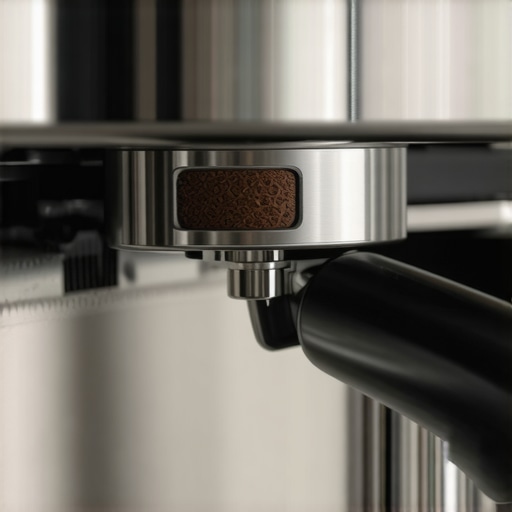
Start by powering off your machine and allowing it to cool down. Carefully remove the water reservoir and drip tray to access internals. Examine all seals, gaskets, and fittings for signs of cracks or looseness. Use a flashlight to spot hairline fractures that may not be obvious at first glance. Remember, rubber seals contract in cold temperatures, so discs that seem snug in warm weather might have shrunk. I once found a tiny crack in my group head gasket after a cold night—simply replacing it solved my leak issue entirely.
Tighten and Replace Components
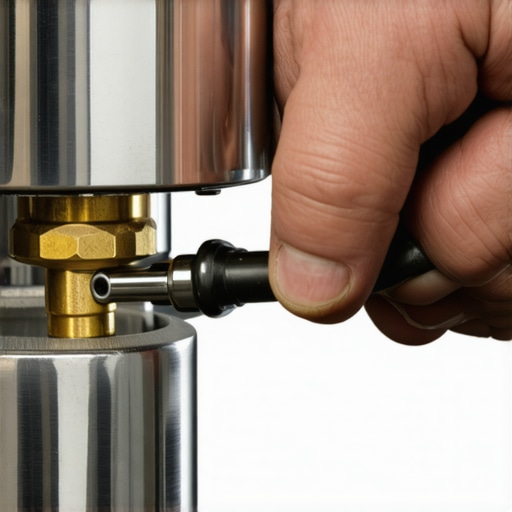
Use appropriate tools to gently tighten loose fittings—think of it as giving your machine a handshake. For example, the portafilter gasket should fit snugly without force. If any seal shows signs of aging or damage, replace it promptly. For gasket replacement, consult the manufacturer’s instructions or a professional; a welder’s grip can be just as tight as needed. This step prevents water from escaping during cold mornings and minimizes leak risks later. For specific failures, see this detailed gasket guide.
Use Warm Water for Reassembly
Before reassembling, warm the replacement seals slightly—think of it like softening butter before spreading. Run warm (not hot) water over the gaskets to make installation easier and ensure a snug fit. This technique reduces the likelihood that contracting rubber fails to expand properly in cold weather, maintaining a tight seal. I’ve found this simple trick saves effort and improves overall seal integrity.
Apply Lubricant Strategically
Lightly coat the gaskets with food-grade silicone lubricant or the recommended lubricant by the manufacturer. This prevents the seals from contracting further during frequent temperature swings. Remember, over-lubricating can attract dust and coffee oils, so use sparingly. This practice prolongs gasket life and keeps leaks at bay.
Test with Hot Water Run
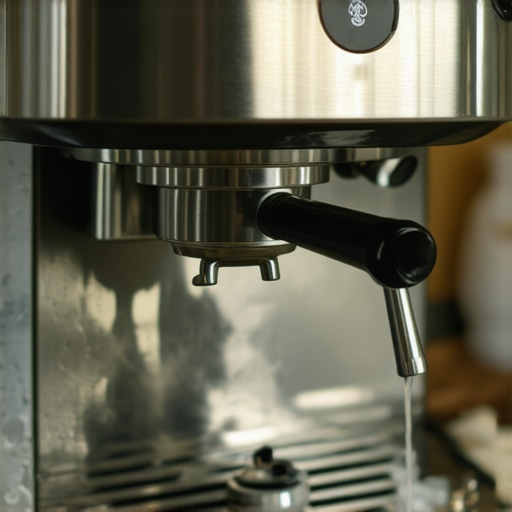
Reassemble your machine and run hot water through the system without brewing coffee. Observe closely for drips or pressure drops. If leaks persist, revisit seals or fittings. Think of this step as a stress test—you want to catch any weak points before brewing! When I did this, I noticed a small drip from the steam wand, which I then tightened after applying a little lubricant and warming the gasket. That confirmed my leak was fixed, saving me a messy morning.
Regular Maintenance and Observation
Finally, establish a routine check—think of it as a health appointment for your machine. Regularly inspect seals and tighten fittings, especially before cold seasons or after prolonged storage. Incorporate this as part of your weekly cleaning routine; it’s just like tuning your favorite guitar. For prolonged health, see this gasket care advice. Staying proactive ensures your espresso stays flavorful and your machine remains leak-free, no matter the weather outside.Many enthusiasts assume that simply owning high-end espresso gear guarantees perfect coffee, but in practice, overlooked nuances make all the difference. For example, a common myth is that grind size consistency is solely about machine settings; however, subtle variations in tamping pressure and dose distribution play an even larger role in achieving optimal extraction. Overlooking these factors can lead to inconsistent shots, regardless of how expensive your grinder or machine is.
Can Your Equipment Help You Pull Better Shots, or Are You Missing Critical Steps?
One advanced mistake I see too often is neglecting the impact of routine maintenance on equipment performance. Even premium machines develop pressure inconsistencies or temperature fluctuations if they aren’t cleaned and calibrated regularly. A study published by the Coffee Science Foundation highlights that maintenance directly influences brewing stability and flavor extraction, underscoring that gear alone isn’t enough without proper care. So, next time you experience those frustrating shot variations, remember: the devil is in the details—be it grind distribution, machine calibration, or routine upkeep. To dive deeper into finer points, check out mastering the art of home espresso and ensure your gear works for you, not against you. Have you ever fallen into this trap? Let me know in the comments.
Investing in the Right Equipment for Sustainability
Maintaining your home espresso setup requires more than just the initial purchase; it’s about choosing tools that stand the test of time and simplify routine upkeep. Personally, I swear by my precision tamper. Its consistent weight and textured grip help me achieve more reliable extractions, reducing shot variability caused by uneven tamping. Upgrading to a sturdy high-quality coffee grinder isn’t just about grind consistency—it’s about durability and ease of cleaning, which dramatically impacts flavor and machine longevity over time. When selecting equipment, prioritize parts that are easy to disassemble and clean, like milk frothers with accessible parts, especially if you regularly make milk-based drinks. This foresight minimizes downtime and extends the life of your investment.
Routine Maintenance That Pays Off
Establish a weekly maintenance ritual, focusing on descaling and cleaning critical components. I follow the simple process of flushing my machine with a descaling solution, then removing and soaking shower screens and shower plates—this routine prevents lime buildup and pressure issues that could compromise extraction quality. For detailed guidance on cleaning with minimal hassle, check out these cleaning hacks. Over time, paying close attention to gasket health and replacing worn seals prevents leaks and pressure drops, which are often silent killers of espresso quality. Use a soft brush to clean grinder burrs after every few uses—this prevents static buildup and ensures uniform particle size, crucial for consistent pulls.
Tools I Recommend for Long-Term Performance
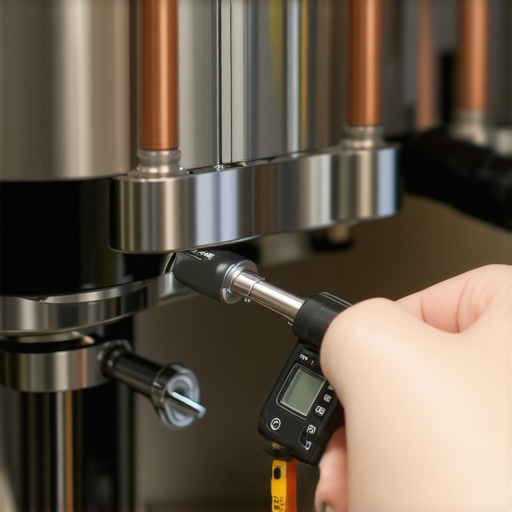
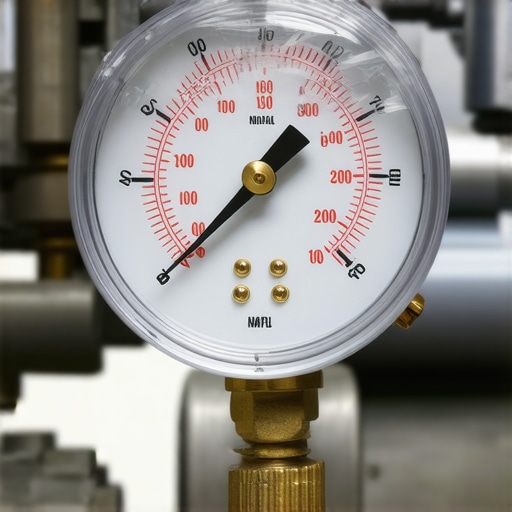
Having the right set of tools makes all the difference. I keep a burr alignment kit handy; misaligned burrs can cause uneven grind particles, leading to channeling and bitter shots. Additionally, I use a digital pressure gauge to monitor my machine’s performance regularly—even minor drops signal the need for maintenance before problems escalate. For quick diagnostics, I rely on a water quality tester to prevent mineral buildup and extend boiler life. These tools help catch issues early, saving time and money in the long run.
How do I keep my equipment functioning smoothly over time?
The key lies in consistent, proactive maintenance and using quality, easy-to-service tools. Schedule weekly cleanings and inspections, replace gaskets and filters at recommended intervals, and don’t overlook subtle signs like unusual noises or pressure drops. Investing in reliable gear—like a top-rated espresso machine—ensures you get steady results and reduces repair costs. Remember, understanding your machine’s design, like knowing the proper way to lube your group head, is vital for longevity. For detailed maintenance schedules and troubleshooting tips, visit our Contact Page to ask specific questions or share your experiences. So, why not try a detailed burr alignment this weekend using the marker method? It’s a small step that can greatly improve extraction consistency—your future self will thank you.
The Hardest Lesson I Learned About home espresso,espresso machines,barista gear,coffee grinders,milk frothers
One key insight I wish I had grasped sooner is that regular, detailed maintenance can prevent a multitude of issues, including those stubborn cold-weather leaks. It’s tempting to overlook routine checks, but trust me—being proactive has saved me countless mornings of frustration. Learning to inspect and replace seals before they become problematic is a game-changer, elevating both your machine’s reliability and your espresso game.
My Essential Toolkit for home espresso,espresso machines,barista gear,coffee grinders,milk frothers
Over the years, I’ve curated a set of tools that help me troubleshoot and keep my gear in top shape. A precise burr alignment kit and a digital pressure gauge have become my favorites—they allow me to fine-tune my setup and catch issues early. Investing in quality equipment and understanding how these tools interact with your machine not only extends its lifespan but also ensures your espresso remains consistently excellent.
Your Turn to Try
Understanding the nuances of home espresso—like how temperature fluctuations influence leaks—empowers you to troubleshoot confidently. Remember, every challenge is an opportunity to deepen your craft and enjoy better coffee. So, why not give that gasket a closer look or test your machine’s pressure this weekend? I’d love to hear how it goes. Share your experiences or ask questions below, and let’s continue elevating our espresso journey together!
,