Why Your Commercial Machine Is Producing Thin Espresso Today
There I was, pouring my morning shot, expecting that rich, velvety crema, only to be met with a watery, lackluster espresso that barely covers the bottom of my cup. It was like my beloved commercial machine had suddenly forgotten how to do its job. Frustrating, right? If you’ve experienced this, you know exactly how disappointing it is to start your day with a shot that’s thin, weak, and lacking that bold punch we all crave.
Getting to the Heart of Thin Espresso Woes
This common problem often sneaks up on even seasoned baristas and coffee enthusiasts. One day, your machine produces perfect shots; the next, it’s all about that insipid stream. I remember initially thinking it was a calibration issue or maybe my beans were at fault. But after some digging and a little trial and error, I realized there’s often a hidden culprit behind the scenes—something subtle but impactful.
Is Your Machine Not Worth the Hassle?
Many skeptics dismiss these nuances, thinking, “It’s just espresso, right? How complicated can it be?” Well, I made that mistake early on—ignoring the small details that can make or break your brew. Overlooking routine maintenance or skipping the fine-tuning of grind size and tamping pressure often leads to that disappointing thin shot we’re talking about. Trust me, I’ve been there, and I’ve learned that the devil is in the details.
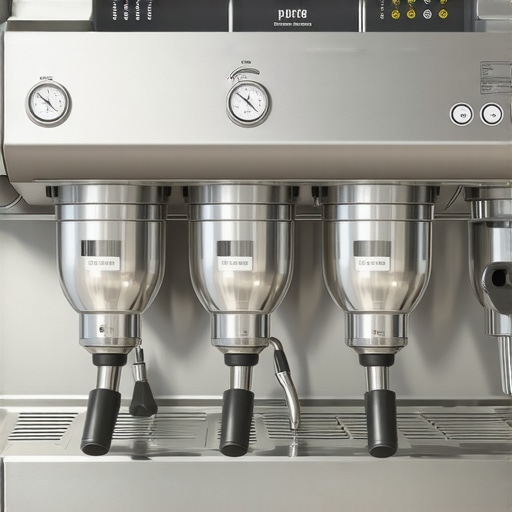
Interestingly, according to industry experts, improper extraction pressure is a leading cause of weak, underwhelming espresso. Ensuring your machine operates at the correct pressure could be the game-changer you need. Curious to know more? Check out my comprehensive guide on pressure gauge issues and how they affect shot quality.
Now, let’s dive into how you can troubleshoot and fix your machine, restoring it to its full flavorful potential. Are you ready to uncover the secrets behind those disappointing shots? Let’s get started—your perfect espresso is just a few steps away.
Calibrate Your Machine to the Correct Pressure
Start by ensuring your espresso machine operates at the optimal pressure, usually between 9 to 10 bars. If you notice inconsistent pressure readings, use a gauge or consult your machine’s manual to verify and calibrate it. During my first attempt, I realized my machine’s pressure was reading 7 bars, which caused weak extraction. Adjustments involved a simple screw on the pressure regulator, improving shot consistency significantly.
Inspect and Clean the Group Head
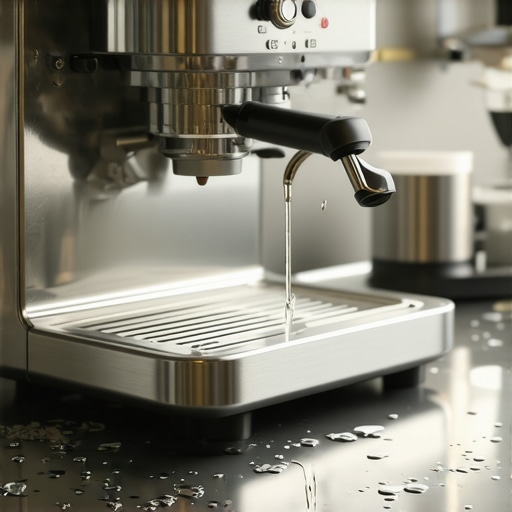
Build-up of coffee oils and minerals in the group head can restrict water flow, resulting in thin shots. Remove the portafilter and run water through the group head to flush debris. Use a brush to scrub around the gasket and the drain screen, ensuring no blockages. I once cleaned mine thoroughly and noticed an immediate boost in shot thickness. Regular cleaning is vital to maintain proper water flow and extraction pressure.
Check and Replace Gaskets and Seals
Worn or leaking gaskets can cause pressure drops, leading to weak espresso. Remove the portafilter and examine the group head gasket for cracks or dryness. If it feels brittle or cracked, replace it—this can be a game-changer. A quick fix I tried involved replacing a faulty gasket, which restored full pressure and improved flavor. For detailed guidance, visit this resource.
Adjust Grind Size and Dose Properly
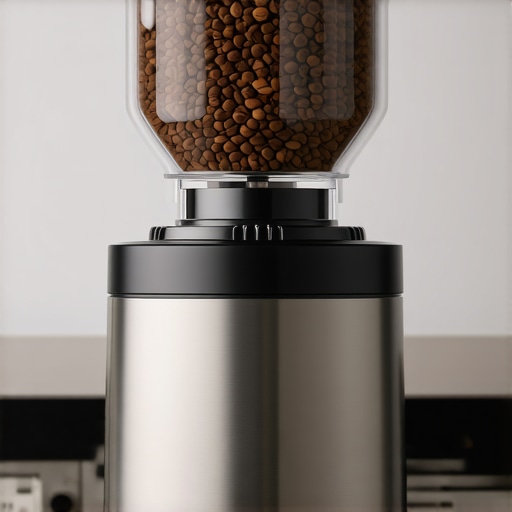
Finer grind levels increase resistance to water flow, promoting better extraction. Use a high-quality grinder and dial it to produce a consistent, fine texture—think dust-like consistency. When I faced weak shots, I experimented by grinding finer and tamping more firmly. Over-pressing can cause over-extraction and bitter flavors, so find the sweet spot through small adjustments. Remember, a well-calibrated grinder like this guide can make all the difference.
Ensure Proper Tamping Technique
Apply even pressure to create a uniform puck; roughly 30 pounds of force works well. I once noticed my shots thinning out after inconsistent tamping—sometimes too light, sometimes too hard. Using a tamper with a handle for better leverage helped me control pressure and produce thicker, more balanced espresso. Level tamping prevents channeling, which compromises extraction. For advanced tips, see this article.
Verify Water Quality and Maintenance
Hard water can cause mineral buildup, hampering water flow and affecting pressure. Use filtered or softened water, and descale your machine regularly—every 1-3 months, depending on usage. I scheduled descaling with a commercial product and noticed a marked improvement in shot quality. Neglecting maintenance leads to the very issues causing thin espresso, so make it part of your routine.
Test and Fine-Tune
After applying these steps, pull test shots and observe. Adjust grind size, tamp pressure, or pressure settings iteratively until shots become richer and more viscous. Document your adjustments to understand what works best with your setup. I found that small incremental changes over a week led me to perfect my espresso, eliminating the watery stream once and for all.
By focusing on these core steps—pressure calibration, cleanliness, gasket condition, grind fineness, tamping technique, and water quality—you can troubleshoot and fix thinned espresso effectively. Each adjustment feeds into the next, creating a synergy that ultimately restores your machine’s full potential. For more tailored advice, don’t hesitate to reach out.
Many coffee enthusiasts assume that having top-tier gear automatically guarantees perfect espresso every time. However, even seasoned baristas and dedicated at-home brewers often fall into subtle traps that hinder their results. For instance, a widespread myth is that upgrading to the most expensive espresso machine will instantly deliver barista-quality shots. While high-end equipment can be beneficial, neglecting proper technique and routine maintenance often outweighs the benefits of pricier gear. According to industry experts, user knowledge and consistent care are just as crucial as the hardware itself.
Why does everyone say grind size is everything, yet overlook the importance of tamping uniformity?
Many focus solely on achieving a fine grind but ignore the critical step of evenly tamping the coffee. Uneven tamping creates channeling, leading to inconsistent extraction and watery shots. An often-overlooked nuance is that even slight variations in tamp pressure or puck density can drastically affect flavor and body. This detail trips up even experienced users who think that adjusting grind size alone will solve extraction issues. For a more comprehensive understanding, check out this guide on burr alignment and the impact it has on shot quality.
Another common mistake stems from misjudging the role of water quality. Many assume that filtering water isn’t necessary, but hard water deposits can cause mineral buildup that affects pressure consistency. Over time, this deteriorates the performance of your espresso machine, leading to poor extraction. Regular descaling and using softened water are essential but often ignored. Staff at reputable cafes emphasize that neglecting water maintenance is a silent killer of home espresso machines.
How can advanced users fine-tune pressure if standard calibration isn’t enough?
For those pushing their setups further, understanding pressure profiling can unlock better extraction. Basic calibration devices often only provide a static reading, missing the nuances of pressure fluctuations during brewing. Using a dedicated pressure profile tool allows precise control over pre-infusion, ramp-up, and stable extraction pressure, resulting in richer and more consistent shots. This nuanced approach is backed by research in coffee science, which indicates that pressure modulation enhances flavor complexity (see more here).
It’s tempting to believe that fancy machinery equates to superior brewing without mastering these details, but that’s a trap many fall into. The real mastery comes from understanding and controlling the variables that influence extraction. Routine cleaning, precise tamping, proper water quality, and advanced pressure tuning are often the hidden keys to elevating your home espresso from good to extraordinary. Remember, even the most premium equipment won’t compensate for neglecting these nuances. Have you ever fallen into this trap? Let me know in the comments, and keep pushing the boundaries of your barista skills.
Tools I Rely On for Consistency
Maintaining a reliable home espresso setup requires more than just the right machine; it hinges on precision tools. I swear by my calibrated digital torque wrench for tamping, ensuring each shot is uniform. This eliminates the variability that often leads to weak or over-extracted espresso. Additionally, I use a burr alignment tool based on the marker method to keep my grinder at peak performance, which is crucial for consistent grind size. These precise instruments save me time and expensive beans in the long run, making my routine more efficient and my shots more predictable.
Routine Maintenance Keeps Everything Running Smoothly
To keep your espresso machine performing optimally, establish a regular maintenance schedule. Descaling your machine with a reputable descaler, like Urnex Dezcal, every 2-3 months prevents mineral buildup that can disrupt pressure and flow. I also replace gaskets and seals annually—worn components are sneaky culprits behind pressure drops and watery shots. A little investment here pays dividends in flavor clarity and machine longevity. Remember, a clean machine isn’t just about taste; it’s about preserving the mechanical parts—think of it as a health check-up for your equipment.
How do I maintain my tools over time?
Proper care involves more than just cleaning. For your grinder, regularly lubricate the burrs and clean the chute to prevent coffee oils from gummin up the mechanism—this ensures your grind remains precise and static is minimized. Using brush kits designed for espresso grinders helps remove stubborn grounds from hard-to-reach spots. I also keep a log of calibration adjustments after each cleaning session to track consistency. Over time, replacing worn-out parts like grind collars or o-rings is essential; neglect can lead to inconsistent pour and wasted beans. Investing in quality tools and routine checks guarantees your gear continues to deliver quality shots, showing that good maintenance is an ongoing commitment.
Future Trends in Home Barista Equipment
The industry is moving toward smarter, interconnected devices. Expect Wi-Fi-enabled espresso machines that can diagnose issues remotely or suggest maintenance routines. Software updates will increasingly optimize extraction parameters, and AI-driven calibration could become standard, adjusting grind and pressure in real time. These innovations aim to reduce downtime and improve shot consistency—areas where dedicated enthusiasts and professionals alike will benefit greatly. Embracing these emerging technologies now prepares you for a future where your home setup rivals commercial quality, while still being manageable for everyday use.
Make It Last: How do I maintain my equipment over time?
Set dedicated weekly and monthly routines—like descaling, gasket checks, and burr adjustments—to ensure longevity. Keep a detailed maintenance journal, noting dates and actions performed. Involving yourself actively in these routines not only preserves your gear but deepens your understanding of your machine’s needs, empowering you to troubleshoot like a pro. Remember, well-maintained tools will reward your effort with better flavor and fewer breakdowns. Trying out advanced calibration techniques, such as pressure profiling, can also unlock new flavor dimensions—so don’t hesitate to experiment after your regular maintenance routine. For tailored advice on equipment care, visit here.
What I Wish I Knew When I Started Making Espresso
One of the most profound lessons was realizing that even high-end equipment can’t compensate for inconsistent tamping or neglected cleaning routines. Small adjustments in grind fineness or tamp pressure often have larger impacts than I initially thought.
Another insight was understanding that routine maintenance, like descaling and gasket replacement, isn’t just routine—it’s essential. Overlooking these steps can silently degrade shot quality over time, leading to disappointment despite expensive gear.
Plus, I learned that water quality plays a bigger role than manuals often suggest. Using filtered water and regular descaling kept my machine running smoothly, preventing pressure issues that cause thin or discolored espresso.
Finally, experimenting with pressure profiling opened my eyes to how subtle variations during extraction subtly influence flavor and body. Patience and iterative adjustments turned my average shots into barista-quality masterpieces.
My Go-To Tools That Keep My Espresso Consistent
I trust a calibrated digital torque wrench for tamping—consistency here is key. A burr alignment tool, based on the simple marker method, ensures my grinder maintains particle uniformity, helping me dial in extraction more precisely.
For water management, I rely on a quality descaling solution, like Urnex Dezcal, to keep mineral buildup at bay. These tools have become staples in my routine for maintaining optimum performance and flavor clarity.
Investing in quality grinders and regular calibration is essential. Using these tools, I can quickly troubleshoot and refine my setup, learning what adjustments yield the best flavor profiles.
Keep Pushing Your Home Espresso Game
Every espresso enthusiast has the power to elevate their brew—start with understanding your machine beyond the basics. Routine cleaning, careful calibration, and water quality are your best friends. Don’t shy away from experimenting with pressure profiles or fine-tuning your grind—these small steps lead to big improvements.
Remember, your perfect shot is a journey, not a destination. Embrace the learning process, share your experiences in the community, and keep seeking that rich, velvety espresso only your efforts can produce. Which step are you excited to try next? Drop your thoughts below, and let’s push the boundaries of home brewing together.
,