The problem with putting a commercial grinder in a home kitchen
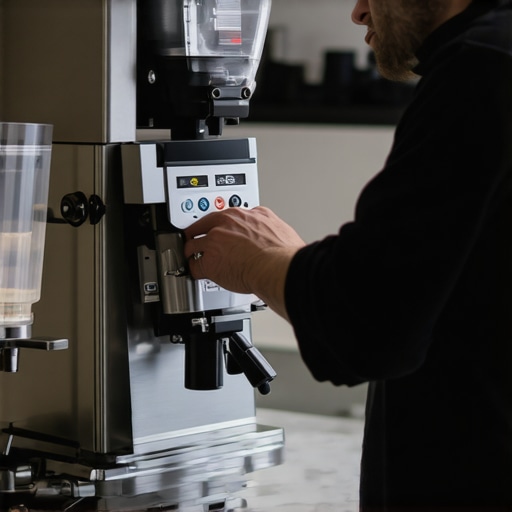
It was late one evening when I finally decided to upgrade my home coffee setup. Excited, I unboxed a shiny, reputedly commercial-grade grinder, eager to elevate my espresso game. But within days, I faced a relentless cough of fine dust in my kitchen, and my coffee grounds seemed more like playground sand than the perfect grind I’d imagined. That initial thrill turned into frustration—and a realization: putting a commercial grinder in a home kitchen isn’t as straightforward as it looks. Today, I’ll share my experience and reveal how to avoid the common pitfalls, so you can enjoy professional-quality coffee without turning your home into a dusty workshop.
Why Mixing Commercial Equipment with Home Spaces Can Be Tricky
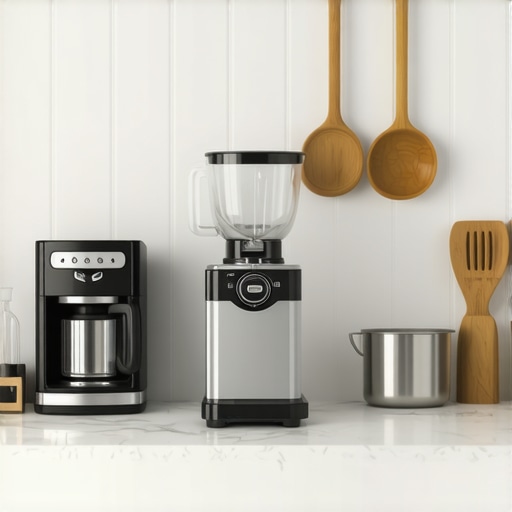
Opting for a commercial grinder might seem like the easiest way to get consistent, high-quality grounds. After all, bigger machines are designed for busy cafes, right? But the reality is, their power and size often come with unexpected challenges. These grinders produce a lot more grind dust, generate heat that can affect bean freshness, and are generally louder and bulkier than what most home kitchens are built to handle.
In my case, I underestimated how much space a sleek, hefty grinder would need, and I didn’t consider its maintenance demands. The dust created not only settled on my counters but also contaminated my espresso machine, affecting its performance and longevity. The noise was a constant disturbance during early mornings or late-night brewing sessions, annoying my family and neighbors alike. Most importantly, I learned that a machine built for constant commercial use isn’t necessarily optimized for infrequent home use.
Studies show that excess dust and heat from heavy-duty grinders can actually deteriorate the quality of your coffee beans over time, impacting flavor and aroma. Plus, improper use or neglect of these machines can lead to mechanical issues, costing you a lot in repairs—something I learned the hard way.
Have you ever faced the chaos of trying to fit a commercial-grade grinder into your cozy kitchen? If so, you’re not alone. Understanding these challenges is the first step to making a smarter choice for your home setup.
In the following sections, I’ll guide you through practical considerations and tips to safely incorporate high-performance gear into your home without the headaches. Let’s turn that initial disappointment into a learning experience and get you closer to brewing your perfect cup with less hassle.
Organize Your Coffee Station Smartly
Arrange your grinder, espresso machine, and accessories within easy reach to streamline your workflow. Use a dedicated shelf or countertop space to prevent clutter. Personally, I set up my station with everything labeled and grouped—this saved me time and avoided accidental spills during busy mornings. Consider installing a small magnetic strip for tools like tamper, leveler, and cleaning brushes to keep them accessible and organized.
Maintain Your Grinder for Consistent Results
Regular grinder cleaning prevents old oils and coffee dust from clogging burrs, which can cause uneven grind size. I apply the static fix for grinders by wiping down the burrs after every 2-3 pounds of coffee. For a deeper clean, disassemble the hopper and burrs using safe methods I learned from purging your grinder. This step prevents clogs from oily beans and keeps your grind uniform.
Set Up Your Espresso Machine for Precision
Level your machine meticulously to ensure even extraction. Use a spirit level on the drip tray or portafilter to verify; I once ignored this and ended up with watery espresso, which was frustrating. To avoid this, follow how to level your machine. Shimming uneven feet or adjusting the feet’s screws made a noticeable difference. Also, preheat your portafilter properly by pouring hot water over it before dosing—this helps maintain stable temperature during extraction, as discussed in pre-heating tips.
Optimize Your Grinders and Beans
Use the right grind size for your brew method; too fine or coarse affects extraction quality. Regularly inspect your burrs for dullness using the flat burrs indicator. When you notice a decline in flavor or difficulty in grinding, it might be time to replace or sharpen your burrs. Store beans properly by keeping them in a cool, airtight container away from light—this preserves freshness and flavor, reducing the risk of oils clogging your grinder. For quick cleaning, I use the static fix that prevents fine dust from spreading during grinding.
Keep Your Equipment in Peak Condition
Perform periodic maintenance on your espresso machine, like lubricating the lever mechanism to avoid squeaks, or deep cleaning the group head regularly using the deep-cleaning technique. These simple steps extend the lifespan of your gear and ensure every shot tastes as fresh as the first. Also, avoid plugging your machine into extension cords to prevent voltage drops that can cause inconsistent pressure, which directly impacts shot quality.
Many coffee enthusiasts assume that investing in high-end barista gear automatically guarantees superior results, but this is a common misconception. In reality, equipment nuances—like boiler pressure stability or burr alignment—play a crucial role in brewing consistency. For instance, a common mistake is neglecting the importance of regular lubricating your lever machine, which can cause uneven pressure and impact extraction quality. Many users underestimate the impact of maintenance and tuning on their gear’s performance, believing that simply owning the machine is enough.
Another misconception relates to milk frothers. Some think that all frothers produce similar foam, but the difference lies in their design and heating methods. Manual steam wands, for example, allow greater control but require skill, whereas modern automatic frothers may produce inconsistent microfoam if not used correctly. This leads to an often-overlooked mistake: relying solely on the *fancy* equipment without mastering dairy steaming techniques—check out this quick tip to improve your milk texture.
When it comes to home espresso machines, many assume that bigger or more expensive machines are better. However, pressure stability and temperature control are far more indicative of quality. An often-ignored aspect is the importance of proper leveling of your machine—a simple adjustment that yields more consistent shots. Neglecting calibration details can lead to under-extraction or over-extraction, ruining otherwise excellent beans.
Is Your Grinder Dulling Your Coffee?
Many assume that new grinders remain sharp indefinitely, but burrs dull over time, especially with oily beans. Dull burrs cause uneven grind size, resulting in inconsistent extraction and flat flavors. Regular inspection and timely replacement are crucial; learn how to identify dull burrs and maintain your grinder’s performance. Also, the static charge generated during grinding can spread fine dust, creating a messy countertop and potential clogging—see static control tips.
Finally, many underestimate the complexity of achieving a perfect shot; it’s not just about tamping pressure but also about the sequence—distribution, leveling, tamping, and pre-wetting—all influence extraction. Fine-tuning these steps, rather than just turning the knobs, separates a good barista from a great one. Remember, even high-end gear won’t compensate for improper technique.
Have you ever fallen into this trap? Let me know in the comments. Understanding these nuances can significantly elevate your home brewing standards, turning routine coffee into a craft.
Invest in Reliable Tools for Consistent Results
To maintain peak performance with your home espresso setup, choose tools that are built to last and are easy to maintain. I personally swear by the Kalita coffee grinder for its durability and straightforward burr replacement process. Its sturdy construction minimizes static buildup and reduces the frequency of static messes. When selecting a tamping mat, opt for the rubberized ones which resist slipping and provide a consistent tamping surface, preventing uneven puck compression over time.
Regularly Service Your Equipment to Preserve Quality
Prevent costly repairs and ensure optimal extraction by establishing a maintenance routine. For manual lever machines, a critical aspect is lubrication—a simple task that can dramatically reduce squeaking and improve operation. Learn how to properly lubricate your lever machine to keep it running smoothly. Additionally, cleaning your knockbox weekly prevents odor buildup, maintains hygiene, and ensures it functions effectively for years to come.
Monitor and Replace Worn Parts Before Failures Occur
Flat burrs, in particular, are prone to dullness over time, which affects grind consistency. I make it a habit to check the dullness indicator monthly and replace burrs promptly to avoid extraction issues. Meanwhile, consider upgrading your grinder motor if you notice inconsistent power or overheating tendencies. Staying vigilant about wear and tear saves you both money and coffee quality.
How do I maintain my espresso machine over time?
Consistent cleaning and calibration are key. Regularly descale your machine to prevent scale build-up—particularly in water reservoirs—using appropriate descaling solutions. Periodically check and replace the group gasket to ensure a tight seal, which is vital for proper pressure and flavor extraction. Proper pre-heating and leveling routines are also critical; consult this guide on leveling your machine for even results. Implementing these practices helps extend your gear’s lifespan and keeps your coffee consistently excellent.
The Hardest Lesson I Learned About barista gear,milk frothers,home espresso,espresso machines,coffee grinders
Investing in high-end equipment can be a double-edged sword; while it offers great potential, neglecting maintenance or user-specific adjustments often leads to disappointing results. I once believed that owning a premium grinder meant I could skip regular cleaning—until clogs and inconsistent grind size crept in, forcing me to learn the importance of routine upkeep from checking burr dullness and proper burr replacement techniques. This experience taught me that even the best gear requires attentive care to unlock its full potential.
What I Wish I Knew Before Upgrading My Home Coffee Setup
One major misconception was that bigger, more powerful equipment guarantees better coffee. I discovered that understanding your machine’s specific needs—like precise leveling for consistency, as explained here—is more critical than raw power. Additionally, mastering simple rituals, such as pre-heating your portafilter with hot water, makes a significant difference in shot quality, much like the insights found on this page. These lessons reshaped my approach to home brewing, emphasizing precision over gear quantity.
Where True Coffee Craftsmanship Is Made or Broken
Perfecting your setup isn’t just about equipment; technique matters immensely. From controlling grind size and tamping pressure to maintaining your espresso machine, each detail influences flavor extraction. I once overlooked the importance of regular cleaning my knockbox, leading to off-tasting shots. Embracing disciplined maintenance routines and continuous learning—like paying attention to burr wear indicators—turned my home coffee experience from hit-or-miss to consistently satisfying.
Turning Small Changes into Big Coffee Wins
Sometimes, subtle tweaks make all the difference. For example, leveling your machine properly can prevent uneven shots that frustrate even seasoned baristas. Similarly, choosing the right static control measures during grinding helped curb mess and improve grind consistency, as detailed here. These incremental improvements surpass expensive upgrades when coupled with an understanding of your machinery’s idiosyncrasies. Remember, patience and attention to detail consistently outperform haste and gadgetry in the pursuit of perfect espresso.
My Personal Arsenal for Cafe-Quality Home Coffee
Over time, I curated a toolkit that blends durability, ease of maintenance, and expert-approved features. My trusted Kalita grinder has saved me countless headaches with straightforward burr replacements, while a sturdy tamping mat ensures uniform puck compression. When selecting tools, consider not just brand prestige but also how they integrate into your daily routine—simplicity and reliability are worth more than bells and whistles. Good gear becomes great when supported by consistent maintenance and knowledgeable handling.
Keep Growing and Brewing with Confidence
Every small victory—perfecting a shot, eliminating static mess, or leveling your machine—builds momentum for your coffee journey. When you prioritize learning and preventive care, your home setup transforms into a true sanctuary for brewing. Remember, mastery isn’t about owning all the latest gadgets but about understanding and nurturing your existing equipment. Your next great cup is waiting—take the next step with confidence and curiosity.