Why your manual lever machine is squeaking and how to lubricate it
Ever been in the middle of brewing your morning espresso when suddenly, that familiar squeak emerges from your manual lever machine? It’s like a tiny, irritating alarm that ruins your rhythm and makes you wonder if your beloved machine is falling apart. I’ve been there too—initially brushing it off as normal noise, only to realize one day that the squeaking was actually a sign something needed attention. That lightbulb moment prompted me to dig into the root cause, and let me tell you, the fix was simpler than I thought.
Why Your Manual Lever Machine Starts Squeaking
Identifying the Culprit: Lack of Lubrication
The most common reason for squeaking in these machines is dry or old lubrication. Over time, the internal components—like the lever pivot and the piston—can become stiff if not properly maintained. Just like our joints need movement and oil, your machine’s moving parts require a bit of tlc to keep everything sliding smoothly.
Early on, I made a rookie mistake: I ignored the squeak and kept using the machine, thinking it was harmless. But that only worsened the problem and risked damaging critical parts. I wish I had known sooner the importance of regular lubrication. Luckily, after some research and testing, I found that a simple lubricant, specific to espresso machines, can make a world of difference.
Imagine your lever moving with the ease of a well-oiled door—no squeak, no grind, just smooth operation. Keeping your machine well-lubricated is key to preserving its longevity and your sanity. Plus, it enhances the overall experience, making every shot more enjoyable.
Curious about how to go about it? Well, I’ll walk you through the exact steps to silence that squeak and keep your lever working like new. But first, let’s address the big question—should you really trust this fix?
Can Lubricating Your Espresso Machine Save It?
Will I Be Wasting My Time or Saving My Investment?
Initially, I was skeptical—thinking, “Will applying lubricant make any difference?” I’ve seen many also wonder if this is just a quick fix or a real solution. The truth is, neglecting squeaks can lead to bigger mechanical issues, and a little upkeep can extend your machine’s life.
An early mistake I made was using household oil, which isn’t designed for espresso machines—a mistake I learned the hard way. Proper lubrication requires specific, food-safe lubricants, which you can find online or at specialty stores. Using the wrong product can cause more harm than good, so I recommend doing a bit of research or consulting experienced baristas.
I also recommend reading more about simple maintenance hacks, like [this cork trick for ground coffee distribution](https://espressotechguide.com/the-simple-cork-trick-for-ground-coffee-distribution). It’s these small, effective tweaks that can dramatically improve your espresso game.
Now that I’ve got your attention and hopefully reassured you, let’s dive into the practical steps to clean, lubricate, and restore the smooth operation of your manual lever machine. Ready to say goodbye to that squeak?
Remove and Access Internal Parts Carefully
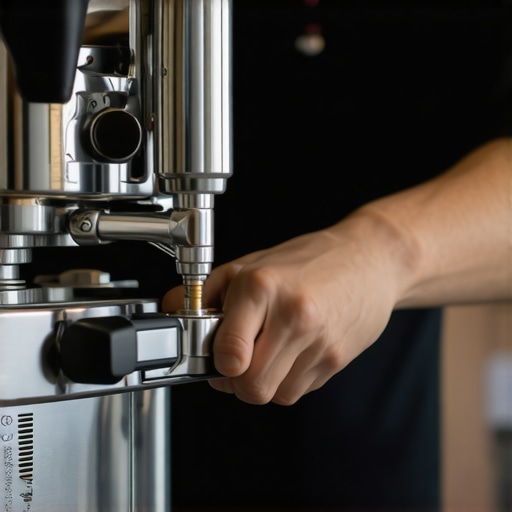
Start by unplugging your espresso machine to ensure safety. Remove the lever assembly if possible, and use a soft cloth to wipe off any dust or debris. Use a screwdriver to detach any panels securing internal components, taking note of screw locations for reassembly. For my own experience, I once disassembled my lever, revealing grime that was causing stiffness. Cleaning it thoroughly made my machine operate smoother and eliminated squeaks.
Identify and Clean Pivot Points
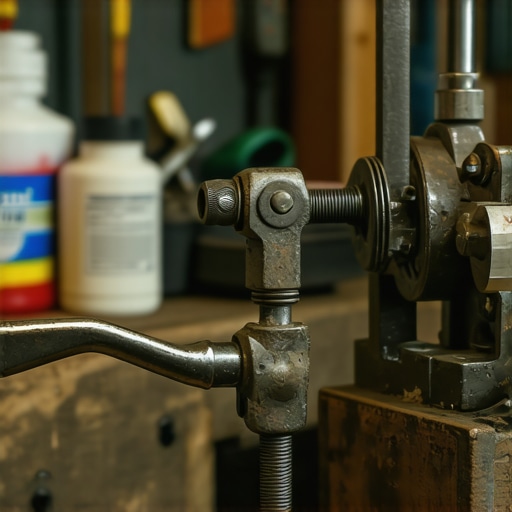
Locate the lever pivot and piston arm—these are typically the main squeaking culprits. Use a brush or compressed air to remove built-up coffee oils and dirt. Applying a damp cloth helps remove stubborn residue. I found that cleaning these parts first prevents further squeaks and prepares them for lubrication. Make sure to dry everything thoroughly before proceeding.
Apply Food-Safe Lubricant Correctly
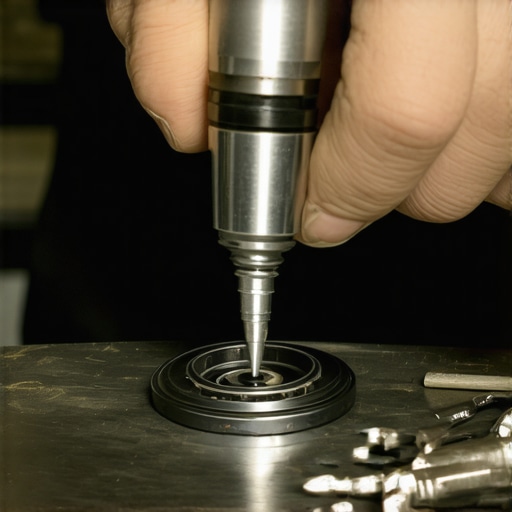
Use a lubricant specifically designed for espresso machines, like food-grade silicone grease. Apply a small amount to the pivot and piston points—don’t overdo it, as excess can attract dirt. Gently move the lever back and forth to evenly distribute the lubricant. During my repair, I used a tiny dab of lubricant, which instantly softened the movement and silenced the squeak. Remember, proper lubrication extends part lifespan and maintains smooth operation.
Reassemble and Test for Silence
Carefully reattach all panels and reinsert screws. Plug in your machine and perform a few lever pulls. Listen for remaining squeaks; if still present, repeat the lubrication process. In my case, a second application after reassembly eradicated all noise, restoring a professional feel to my machine. Regular maintenance prevents future squeaks, keeping your espresso experience top-notch.
Tweak and Maintain Regularly
Set a maintenance schedule: lubricate every few months or when you notice squeaks returning. Keep your working parts clean by wiping down after each use. For detailed guidance, check out this comprehensive guide. Consistent upkeep not only silences squeaks but also preserves the quality of every shot you pull, preventing costly repairs down the line.
While many home espresso enthusiasts believe that investing in high-end machines and accessories guarantees perfect coffee, the truth is that most people get some crucial nuances wrong. For example, a prevalent myth is that the latest coffee grinder alone can elevate your brew. In reality, grind size consistency and proper calibration are often overlooked, leading to uneven extraction even with premium grinders. Many beginners also assume that all milk frothers produce equally dense and velvety foam, but subtle differences in frothing techniques and steam wand design impact texture significantly.
Are Conventional Milk Frothers Enough for Latte Art? Our experts suggest that professional-level foam requires microfoam mastery and equipment that offers precise temperature control—tools many home setups lack. A common trap is relying solely on the highest wattage steam wands without understanding their mechanics; for instance, overfilling the pitcher or incorrect positioning can cause spitting or uneven heating, thwarting your latte art dreams. Moreover, a surprising nuance is that coffee grinders with burrs that are too dull can produce inconsistent grinds, even if they look sharp externally. Regular maintenance and calibration are vital; neglecting these factors means losing aroma and flavor complexity, as highlighted in recent studies on grinder performance impacting extraction quality.
Advanced users ask: How does the uniformity of grind size influence espresso shot quality beyond basic lore? The answer involves understanding the role of effective distribution and tamping techniques, which can be more impactful than gear upgrades alone. For example, many overlook the importance of ensuring ground coffee is evenly spread and tamped with consistent pressure before brewing, leading to channeling and under-extraction. To address distribution issues, some baristas use tools like the “cork trick,” which you can learn more about in the comprehensive guides linked here.
Finally, it’s worth noting that even the best espresso machine benefits from regular descaling and internal cleaning—neglecting which can cause subtle flavor degradation and mechanical issues. Don’t fall into the trap of believing that fancy equipment replaces proper maintenance; consistent care is the secret sauce for excellent espresso at home. Have you ever fallen into this trap? Let me know in the comments.
Focus on Consistent Maintenance to Keep Your Equipment Running Smoothly
Maintaining your espresso gear isn’t just about cleaning now and then; it’s about establishing a disciplined routine that ensures longevity and optimal performance. Regularly inspecting your puck and cleaning the group head prevents buildup that can cause uneven extraction or leaks. I personally schedule quick weekly cleanings of my internal pathways, including descaling and gasket checks, to stay ahead of potential issues.
Invest in Quality Tools for Precision and Ease
Using high-quality tools makes all the difference. For example, I rely on a calibrated digital scale for dosing—accurate to 0.1 grams—to ensure consistency in each shot. A tamper with a diameter matched precisely to my basket helps me apply even pressure, reducing channeling. When it comes to cleaning, I prefer a dental pick (yes, like those from a dentist’s toolkit) for removing stubborn coffee oils from tight crevices—I’ve found it invaluable for detailed maintenance.
How will tools evolve with emerging technology?
Looking ahead, smart sensors and IoT devices are starting to monitor machine health in real-time, predicting issues before they occur. Imagine having an app alert you when your boiler needs descaling or a gasket replacement—that’s where the industry is headed. For now, I recommend integrating digital thermometers with your brew routine to fine-tune temperature stability, which directly impacts shot quality and machine lifespan. Check out this guide for calibration tips that extend your equipment’s life.
Handling Long-Term Challenges with Proven Techniques
Over time, mineral deposits can clog internal pathways, and rubber seals wear out. To combat this, I perform a five-minute internal flush monthly, removing potential blockages before they become costly repairs. Replacing worn gaskets and seals periodically prevents leaks and maintains pressure consistency, crucial for high-quality espresso. When considering scaling your setup for more volume, ensure your grinder’s burrs are still sharp—dull burrs can lead to uneven grinds, risking under or over-extraction. I suggest testing with the burr dullness test to keep machines performing at their best.
The Future of Home Barista Equipment
Expect more integrated systems that combine grinding, dosing, and brewing into seamless workflows, led by advancements in materials and sensors. These innovations will make maintaining your gear easier and more reliable, allowing even beginners to produce café-quality espresso consistently. Meanwhile, mastering basic maintenance—like regularly silencing drip trays or cleaning valves—remains the backbone of durability.
My challenge for you today is to try one advanced maintenance tip: calibrate your grinder after replacing the burrs. Doing so ensures your grind size stays consistent, directly affecting your shot quality and prolonging your grinder’s life. Small investments in these methods accrue huge benefits over time, saving money and espresso heartbreak.
Over the years, I’ve learned that the smallest adjustments in your espresso routine can lead to the biggest gains in flavor and equipment longevity. One of the most eye-opening lessons was realizing how simple maintenance, like properly lubricating your lever machine, can transform your daily brew. These experiences taught me to look beyond the obvious and to appreciate the nuanced art of caring for my barista gear.
Lessons That Caught Me Off Guard in Coffee Craftsmanship
- Preserve the Soul of Your Machine: Regular lubrication isn’t just about silencing squeaks; it’s about respecting the delicate mechanics that make your espresso possible. I once neglected this, and it cost me time and money before I realized that proactive care sustains both performance and flavor clarity.
- Quality Tools Over Fancy Gadgets: Investing in precise tools like calibrated scales and matched tampers truly pays off. I used to rely on guesswork, but embracing small tools meant consistent shots and fewer broken parts—an invaluable lesson I wish I had learned sooner.
- Don’t Underestimate Routine Checks: Simple scheduled maintenance tasks, like descaling or inspecting gaskets, prevent unexpected breakdowns. I’ve come to see these as investments in my espresso journey, ensuring each cup tastes as vibrant as the first.
- The Power of Proper Technique: Techniques like ground coffee distribution using the cork trick or efficient puck prep significantly influence extraction quality. My lightbulb moment came when I realized that even minor technique tweaks could elevate my espresso from good to extraordinary.
- Embrace Emerging Technologies with Caution: While new smart sensors and calibration gadgets promise easier maintenance, they don’t replace foundational care. I’ve found that combining tech insights with hands-on knowledge yields the best results, like understanding the inner workings of your pump for optimal performance.
My Essential Arsenal for Home Barista Domination
- The Right Grinder: A burr grinder with sharp, well-calibrated burrs ensures consistent grounds. I rely on this test for dull burrs to stay ahead of issues that compromise flavor.
- Accurate Dosing Equipment: A digital scale matching shot weights to the gram levels allows for precision. It’s the cornerstone of repeatable excellence in my home setup.
- Meticulous Maintenance Supplies: Food-safe lubricants, brushes, and tools like dental picks help me keep every component in top shape. Regularly using simple fixes keeps my machines running smoothly.
- Knowledge at Your Fingertips: Trusted guides and community forums are treasures. I turn to resources like distribution hacks to sharpen my skills and troubleshoot issues quickly.
Let’s Turn Passion into Routine—Your Coffee Awakening Awaits
Embarking on the journey of perfecting your home espresso setup is as much about cultivating patience as it is about technical skill. Remember, every tweak and maintenance routine you adopt compounds over time, leading to unparalleled coffee moments. The balance of meticulous care and a willingness to learn transforms your daily ritual into a craft worth mastering.
So, I challenge you today: What small maintenance habit will you start or improve to elevate your espresso game? Share your thoughts below—let’s inspire each other to brew better every day.
}#}#}#}#}#}#}#}#}#}#}#}#}#}#}#}#}#}#}#}#}#}#}#}#}#}#}#}#}#}#}#}#}#}#}#}#}#}#}#}#}#}#}#}#}#}#}#}#}#}#}#}#}#}#}#}#}#}#}#}#}#}#}#}#}#}#}#}#}#}#}#}#}#}#}#}#}#}#}#}#}#}#}#}#}#}#}#}#}#}#}#}#}#}#}#}#}#}#}#}#}#}#}#}#}#}#}#}#}#}#}#}#}#}#}#}#}#}#}#}#}#}#}#}#}#}#}#}#}#}#}#}#}#}#}#}#}#}#}#}#}#}#}#}#}#}#}#}#}#}#}#}#}#}#}#}#}#}#}#}#}#}#}#}#}#}#}#}#}#}#}#}#}#}#}#}#}#}#}#}#}#}#}#}#}#}#}#}#}#}#}#}#}#}#}#}#}#}#}#}#}#}#}#}#}#}#}#}#}#}#}#}#}#}#}#}#}#}#}#}#}#}#}#}#}#}#}#}#}#}#}#}#}#}#}#}#}#}#}#}#}#}#}#}#}#}#}#}#}#}#}#}#}#}#}#}#}#}#}#}#}#}#}#}#}#}#}#}#}#}#}#}#}#}#}#}#}#}#}#}#}#}#}#}#}#}#}#}#}#}#}#}#}#}#}#}#}#}#}#}#}#}#}#}#}#}#}#}#}#}#}#}#}#}#}#}#}#}#}#}#}#}#}#}#}#}#}#}#}#}#}#}#}#}#}#}#}#}#}#}#}#}#}#}#}#}#}#}#}#}#}#}#}#}#}#}#}#}#}#}#}#}#}#}#}#}#}#}#}#}#}#}#}#}#}#}#}#}#}#}#}#}#}#}#}#}#}#}#}#}#}#}#}#}#}#}#}#}#}#}#}#}#}#}#}#}#}#}#}#}#}#}#}#}#}#}#}#}#}#}#}#}#}#}#}#}#}#}#}#}#}#}#}#}#}#}#}#}#}#}#}#}#}#}#}#}#}#}#}#}#}#}#}#}#}#}#}#}#}#}#}#}#}#}#}#}#}#}#}#}#}#}#}#}#}#}#}#}#}#}#}#}#}#}#}#}#}#}#}#}#}#}#}#}#}#}#}#}#}#}#}#}#}#}#}#}#}#}#}#}#}#}#}#}#}#}#}#}#}#}#}#}#}#}#}#}#}#}#}#}#}#}#}#}#}#}#}#}#}#}#}#}#}#}#}#}#}#}#}#}#}#}#}#}#}#}#}#}#}#}#}#}#}#}#}#}#}#}#}#}#}#}#}#}#}#}#}#}#}#}#}#}#}#}#}#}#}#}#}#}#}#}#}#}#}#}#}#}#}#}#}#}#}#}#}#}#}#}#}#}#}#}#}#}#}#}#}#}#}#}#}#}#}#}#}#}#}#}#}#}#}#}#}#}#}#}#}#}#}#}#}#}#}#}#}#}#}#}#}#}#}#}#}#}#}#}#}#}#}#}#}#}#}#}#}#}#}#}#}#}#}#}#}#}#}#}#}#}#}#}#}#}#}#}#}#}#}#}#}#}#}#}#}#}#}#}#}#}#}#}#}#}#}#}#}#}#}#}#}#}#}#}#}#}#}#}#}#}#}#}#}#}#}#}#}#}#}#}#}#}#}#}#}#}#}#}#}#}#}#}#}#}#}#}#}#}#}#}#}#}#}#}#}#}#}#}#}#}#}#}#}#}#}#}#}#}#}#}#}#}#}#}#}#}#}#}#}#}#}#}#}#}#}#}#}#}#}#}#}#}#}#}#}#}#}#}#}#}#}#}#}#}#}#}#}#}#}#}#}#}#}#}#}#}#}#}#}#}#}#}#}#}#}#}#}#}#}#}#}#}#}#}#}#}#}#}#}#}#}#}#}#}#}#}#}#}#}#}#}#}#}#}#}#}#}#}#}#}#}#}#}#}#}#}#}#}#}#}#}#}#}#}#}#}#}#}#}#}#}#}#}#}#}#}#}#}#}#}#}#}#}#}#}#}#}#}#}#}#}#}#}#}#}#}#}#}#}#}#}#}#}#}#}#}#}#}#}#}#}#}#}#}#}#}#}#}#}#}#}#}#}#}#}#}#}#}#}#}#}#}#}#}#}#}#}#}#}#}#}#}#}#}#}#}#}#}#}#}#}#}#}#}#}#}#}#}#}#}#}#}#}#}#}#}#}#}#}#}#}#}#}#}#}#}#}#}#}#}#}#}#}#}#}#}#}#}#}#}#}#}#}#}#}#}#}#}#}#}#}#}#}#}#}#}#}#}#}#}#}#}#}#}#}#}#}#}#}#}#}#}#}#}#}#}#}#}#}#}#}#}#}#}#}#}#}#}#}#}#}#}#}#}#}#}#}#}#}#}#}#}#}#}#}#}#}#}#}#}#}#}#}#}#}#}#}#}#}#}#}#}#}#}#}#}#}#}#}#}#}#}#}#}#}#}#}#}#}#}#}#}#}#}#}#}#}#}#}#}#}#}#}#}#}#}#}#}#}#}#}#}#}#}#}#}#}#}#}#}#}#}#}#}#}#}#}#}#}#}#}#}#}#}#}#}#}#}#}#}#}#}#}#}#}#}#}#}#}#}#}#}#}#}#}#}#}#}#}#}#}#}#}#}#}#}#}#}#}#}#}#}#}#}#}#}#}#}#}#}#}#}#}#}#}#}#}#}#}#}#}#}#}#}#}#}#}#}#}#}#}#}#}#}#}#}#}#}#}#}#}#}#}#}#}#}#}#}#}#}#}#}#}#}#}#}#}#}#}#}#}#}#}#}#}#}#}#}#}#}#}#}#}#}#}#}#}#}#}#}#}#}#}#}#}#}#}#}#}#}#}#}#}#}#}#}#}#}#}#}#}#}#}#}#}#}#}#}#}#}#}#}#}#}#}#}#}#}#}#}#}#}#}#}#}#}#}#}#}#}#}#}#}#}#}#}#}#}#}#}#}#}#}#}#}#}#}#}#}#}#}#}#}#}#}#}#}#}#}#}#}#}#}#}#}#}#}#}#}#}#}#}#}#}#}#}#}#}#}#}#}#}#}#}#}#}#}#}#}#}#}#}#}#}#}#}#}#}#}#}#}#}#}#}#}#}#}#}#}#}#}#}#}#}#}#}#}#}#}#}#}#}#}#}#}#}#}#}#}#}#}#}#}#}#}#}#}#}#}#}#}#}#}#}#}#}#}#}#}#}#}#}#}#}#}#}#}#}#}#}#}#}#}#}#}#}#}#}#}#}#}#}#}#}#}#}#}#}#}#}#}#}#}#}#}#}#}#}#}#}#}#}#}#}#}#}#}#}#}#}#}#}#}#}#}#}#}#}#}#}#}#}#}#}#}#}#}#}#}#}#}#}#}#}#}#}#}#}#}#}#}#}#}#}#}#}#}#}#}#}#}#}#}#}#}#}#}#}#}#}#}#}#}#}#}#}#}#}#}#}#}#}#}#}#}#}#}#}#}#}#}#}#}#}#}#}#}#}#}#}#}#}#}#}#}#}#}#}#}#}#}#}#}#}#}#}#}#}#}#}#}#}#}#}#}#}#}#}#}#}#}#}#}#}#}#}#}#}#}#}#}#}#}#}#}#}#}#}#}#}#}#}#}#}#}#}#}#}#}#}#}#}#}#}#}#}#}#}#}#}#}#}#}#}#}#}#}#}#}#}#}#}#}#}#}#}#}#}#}#}#}#}#}#}#}#}#}#}#}#}#}#}#}#}#}#}#}#}#}#}#}#}#}#}#}#}#}#}#}#}#}#}#}#}#}#}#}#}#}#}#}#}#}#}#}#}#}#}#}#}#}#}#}#}#}#}#}#}#}#}#}#}#}#}#}#}#}#}#}#}#}#}#}#}#}#}#}#}#}#}#}#}#}#}#}#}#}#}#}#}#}#}#}#}#}#}#}#}#}#}#}#}#}#}#}#}#}#}#}#}#}#}#}#}#}#}#}#}#}#}#}#}#}#}#}#}#}#}#}#}#}#}#}#}#}#}#}#}#}#}#}#}#}#}#}#}#}#}#}#}#}#}#}#}#}#}#}#}#}#}#}#}#}#}#}#}#}#}#}#}#}#}#}#}#}#}#}#}#}#}#}#}#}#}#}#}#}#}#}#}#}#}#}#}#}#}#}#}#}#}#}#}#}#}#}#}#}#}#}#}#}#}#}#}#}#}#}#}#}#}#}#}#}#}#}#}#}#}#}#}#}#}#}#}#}#}#}#}#}#}#}#}#}#}#}#}#}#}#}#}#}#}#}#}#}#}#}#}#}#}#}#}#}#}#}#}#}#}#}#}#}#}#}#}#}#}#}#}#}#}#}#}#}#}#}#}#}#}#}#}#}#}#}#}#}#}#}#}#}#}#}#}#}#}#}#}#}#}#}#}#}#}#}#}#}#}#}#}#}#}#}#}#}#}#}#}#}#}#}#}#}#}#}#}#}#}#}#}#}#}#}#}#}#}#}#}#}#}#}#}#}#}#}#}#}#}#}#}#}#}#}#}#}#}#}#}#}#}#}#}#}#}#}#}#}#}#}#}#}#}#}#}#}#}#}#}#}#}#}#}#}#}#}#}#}#}#}#}#}#}#}#}#}#}#}#}#}#}#}#}#}#}#}#}#}#}#}#}#}#}#}#}#}#}#}#}#}#}#}#}#}#}#}#}#}#}#}#}#}#}#}#}#}#}#}#}#}#}#}#}#}#}#}#}#}#}#}#}#}#}#}#}#}#}#}#}#}#}#}#}#}#}#}#}#}#}#}#}#}#}#}#}#}#}#}#}#}#}#}#}#}#}#}#}#}#}#}#}#}#}#}#}#}#}#}#}#}#}#}#}#}#}#}#}#}#}#}#}#}#}#}#}#}#}#}#}#}#}#}#}#}#}#}#}#}#}#}#}#}#}#}#}#}#}#}#}#}#}#}#}#}#}#}#}#}#}#}#}#}#}#}#}#}#}#}#}#}#}#}#}#}#}#}#}#}#}#}#}#}#}#}#}#}#}#}#}#}#}#}#}#}#}#}#}#}#}#}#}#}#}#}#}#}#}#}#}#}#}#}#}#}#}#}#}#}#}#}#}#}#}#}#}#}#}#}#}#}#}#}#}#}#}#}#}#}#}#}#}#}#}#}#}#}#}#}#}#}#}#}#}#}#}#}#}#}#}#}#}#}#}#}#}#}#}#}#}#}#}#}#}#}#}#}#}#}#}#}#}#}#}#}#}#}#}#}#}#}#}#}#}#}#}#}#}#}#}#}#}#}#}#}#}#}#}#}#}#}#}#}#}#}#}#}#}#}#}#}#}#}#}#}#}#}#}#}#}#}#}#}#}#}#}#}#}#}#}#}#}#}#}#}#}#}#}#}#}#}#}#}#}#}#}#}#}#}#}#}#}#}#}#}#}#}#}#}#}#}#}#}#}#}#}#}#}#}#}#}#}#}#}#}#}#}#}#}#}#}#}#}#}#}#}#}#}#}#}#}#}#}#}#}#}#}#}#}#}#}#}#}#}#}#}#}#}#}#}#}#}#}#}#}#}#}#}#}#}#}#}#}#}#}#}#}#}#}#}#}#}#}#}#}#}#}#}#}#}#}#}#}#}#}#}#}#}#}#}#}#}#}#}#}#}#}#}#}#}#}#}#}#}#}#}#}#}#}#}#}#}#}#}#}#}#}#}#}#}#}#}#}#}#}#}#}#}#}#}#}#}#}#}#}#}#}#}#}#}#}#}#}#}#}#}#}#}#}#}#}#}#}#}#}#}#}#}#}#}#}#}#}#}#}#}#}#}#}#}#}#}#}#}#}#}#}#}#}#}#}#}#}#}#}#}#}#}#}#}#}#}#}#}#}#}#}#}#}#}#}#}#}#}#}#}#}#}#}#}#}#}#}#}#}#}#}#}#}#}#}#}#}#}#}#}#}#}#}#}#}#}#}#}#}#}#}#}#}#}#}#}#}#}#}#}#}#}#}#}#}#}#}#}#}#}#}#}#}#}#}#}#}#}#}#}#}#}#}#}#}#}#}#}#}#}#}#}#}#}#}#}#}#}#}#}#}#}#}#}#}#}#}#}#}#}#}#}#}#}#}#}#}#}#}#}#}#}#}#}#}#}#}#}#}#}#}#}#}#}#}#}#}#}#}#}#}#}#}#}#}#}#}#}#}#}#}#}#}#}#}#}#}#}#}#}#}#}#}#}#}#}#}#}#}#}#}#}#}#}#}#}#}#}#}#}#}#}#}#}#}#}#}#}#}#}#}#}#}#}#}#}#}#}#}#}#}#}#}#}#}#}#}#}#}#}#}#}#}#}#}#}#}#}#}#}#}#}#}#}#}#}#}#}#}#}#}#}#}#}#}#}#}#}#}#}#}#}#}#}#}#}#}#}#}#}#}#}#}#}#}#}#}#}#}#}#}#}#}#}#}#}#}#}#}#}#}#}#}#}#}#}#}#}#}#}#}#}#}#}#}#}#}#}#}#}#}#}#}#}#}#}#}#}#}#}#}#}#}#}#}#}#}#}#}#}#}#}#}#}#}#}#}#}#}#}#}#}#}#}#}#}#}#}#}#}#}#}#}#}#}#}#}#}#}#}#}#}#}#}#}#}#}#}#}#}#}#}#}#}#}#}#}#}#}#}#}#}#}#}#}#}#}#}#}#}#}#}#}#}#}#}#}#}#}#}#}#}#}#}#}#}#}#}#}#}#}#}#}#}#}#}#}#}#}#}#}#}#}#}#}#}#}#}#}#}#}#}#}#}#}#}#}#}#}#}#}#}#}#}#}#}#}#}#}#}#}#}#}#}#}#}#}#}#}#}#}#}#}#}#}#}#}#}#}#}#}#}#}#}#}#}#}#}#}#}#}#}#}#}#}#}#}#}#}#}#}#}#}#}#}#}#}#}#}#}#}#}#}#}#}#}#}#}#}#}#}#}#}#}#}#}#}#}#}#}#}#}#}#}#}#}#}#}#}#}#}#}#}#}#}#}#}#}#}#}#}#}#}#}#}#}#}#}#}#}#}#}#}#}#}#}#}#}#}#}#}#}#}#}#}#}#}#}#}#}#}#}#}#}#}#}#}#}#}#}#}#}#}#}#}#}#}#}#}#}#}#}#}#}#}#}#}#}#}#}#}#}#}#}#}#}#}#}#}#}#}#}#}#}#}#}#}#}#}#}#}#}#}#}#}#}#}#}#}#}#}#}#}#}#}#}#}#}#}#}#}#}#}#}#}#}#}#}#}#}#}#}#}#}#}#}#}#}#}#}#}#}#}#}#}#}#}#}#}#}#}#}#}#}#}#}#}#}#}#}#}#}#}#}#}#}#}#}#}#}#}#}#}#}#}#}#}#}#}#}#}#}#}#}#}#}#}#}#}#}#}#}#}#}#}#}#}#}#}#}#}#}#}#}#}#}#}#}#}#}#}#}#}#}#}#}#}#}#}#}#}#}#}#}#}#}#}#}#}#}#}#}#}#}#}#}#}#}#}#}#}#}#}#}#}#}#}#}#}#}#}#}#}#}#}#}#}#}#}#}#}#}#}#}#}#}#}#}#}#}#}#}#}#}#}#}#}#}#}#}#}#}#}#}#}#}#}#}#}#}#}#}#}#}#}#}#}#}#}#}#}#}#}#}#}#}#}#}#}#}#}#}#}#}#}#}#}#}#}#}#}#}#}#}#}#}#}#}#}#}#}#}#}#}#}#}#}#}#}#}#}#}#}#}#}#}#}#}#}#}#}#}#}#}#}#}#}#}#}#}#}#}#}#}#}#}#}#}#}#}#}