Stop the Rattle: Why Your Espresso Machine Pump Sounds Like a Jackhammer
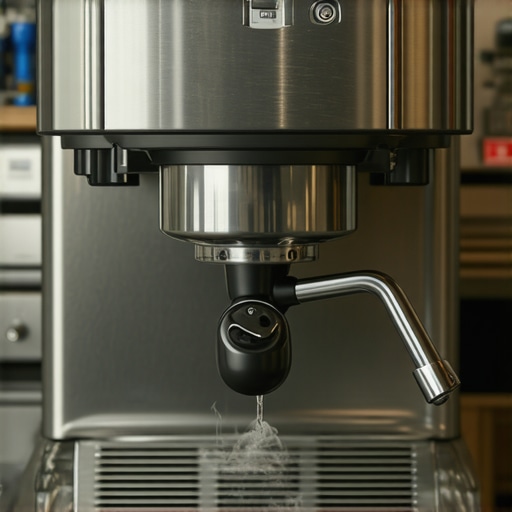
I remember the first time I fired up my espresso machine early in the morning, eager to get that perfect shot. Instead of the gentle hum I expected, I was blasted with a thunderous, jackhammer-like noise coming from the pump. It was so loud it startled me awake more than my coffee ever did. That moment made me realize I wasn’t alone—many home baristas face this unsettling problem, wondering if their beloved machines are breaking down or just making a racket for no good reason.
Understanding Why Your Pump Sounds Like a Jackhammer
The truth is, that deafening noise is often a sign that something isn’t quite right with your espresso machine’s pump or plumbing. Although it might seem alarming, it’s usually a solvable issue. The noise can stem from various causes—air trapped in the pump, mineral buildup, or even worn-out parts that need attention. Left unaddressed, these problems can lead to inconsistent extraction, decreased machine lifespan, and a serious lack of peace in your kitchen. Fortunately, I’ve been there, and through trial and error, I’ve learned how to quiet that pump and restore calm to my mornings.
Have You Faced This Frustration?
If your espresso machine’s pump sounds like a construction site, you’re in good company. Many enthusiasts start with just trying to ignore the noise, but that often leads to more headaches. A common mistake I made early on was assuming the noise was normal, which delayed my troubleshooting and made the problem worse. Trust me, addressing it early can save your machine and your nerves. For detailed insights into fixing the pressure issues causing this racket, check out this guide on steam wand pressure drops.
Today, I’ll walk you through practical steps to diagnose and fix the root causes of that relentless jackhammer, so you can enjoy quiet mornings and perfect espresso shots again. Sound good? Let’s dive into what’s behind the noise and how to tame it once and for all.
Do you remember the last time your espresso machine made such a racket? Share your stories — I’d love to hear how you tackled it!
Identify Air Trapped in the Pump
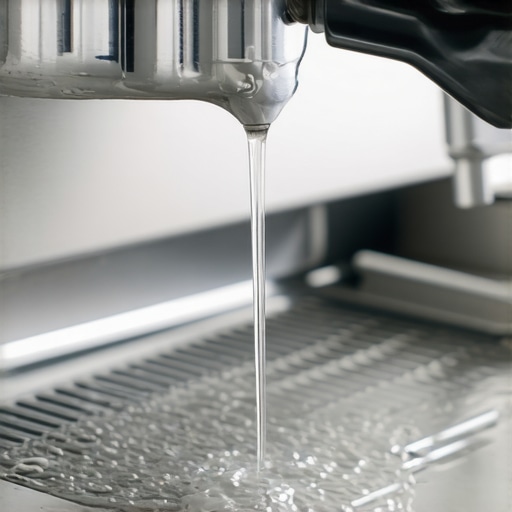
Start by bleeding the system to remove any air bubbles that may be causing the loud noise. To do this, turn on your machine and run water through the brew group with the steam wand open. If you hear air hissing or bubbling, gently tilt the machine to help air escape. A practical tip from my experience was to perform this process multiple times over a few days, and each session gradually reduced the noise. Remember, trapped air acts like a pebble in a pump’s valve, causing it to vibrate and make that unbearable noise.
Flush and Descale Your Machine
Mineral buildup can intensify pump vibrations. I once ignored this, and over time, the pump became louder and less responsive. To fix this, run a descaling cycle using a commercial descaler or a mixture of white vinegar and water, following your machine’s manufacturer’s instructions. Be sure to thoroughly rinse afterward. Regular descaling not only slashes noise but also prolongs your machine’s life—think of it as spa treatment for your espresso gear.
Check and Replace Worn-Out Parts
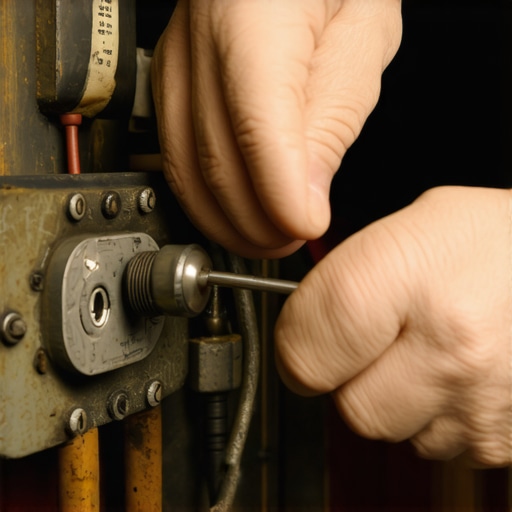
Worn seals or valves are silent killers of quiet operation. I noticed my pump’s racket increased gradually, which was a cue to inspect internal components. Disconnect the machine from power, then access the pump (refer to your manual). Replace any cracked or hardened seals. If you’re wary of DIY, consider a service visit; but for the brave, sourcing parts from trusted suppliers like this guide on component replacements can be invaluable. Worn parts act like a loose screw in a guitar—adding vibration and noise.
Adjust Pump Pressure Settings
Sometimes, the pump pressure exceeds the designed threshold, causing excessive vibrations. If your machine allows for pressure adjustments, use a gauge to dial it down to manufacturer specs. I once used a pressure gauge to fine-tune this, which significantly quieted the pump. Beware, though: improper adjustments can harm your machine’s performance. If unsure, consult a professional or refer to detailed guides—like the ones linked—to avoid making things worse.
Perform Regular Maintenance
Consistency in upkeep prevents noise from becoming unbearable. Clean filters, replace worn hoses, and descale every few months. I make it a ritual—each cleaning session feels like a mini workout, but it pays off with quieter operation and better coffee. For stubborn static or mineral issues, check out this article on static fixes, which helped me tackle my espresso machine’s persistent hum. Remember, neglect turns minor vibrations into major noise, so routine care is essential.Many enthusiasts assume that simply purchasing high-end equipment guarantees perfect results, but the truth is far more nuanced. For example, a common myth is that upgraded burrs automatically improve taste; however, if your grinder isn’t properly calibrated or if you misuse the settings, those premium burrs won’t make a difference. Instead, they might even cause static buildup or inconsistent grind size. Understanding these subtle interactions is key to mastering home espresso.
Another widespread mistake revolves around milk frothing techniques. People often believe that the more foam, the better, but overly aggressive frothing can damage the milk’s delicate proteins, resulting in a less creamy texture and poor microfoam. Mastery requires finesse, not force. Check out this guide on frother issues to refine your approach.
Many overlook the importance of machine maintenance, assuming that new equipment is maintenance-free. In reality, neglecting regular cleaning and descaling can cause buildup that impairs performance and increases noise, making your espresso experience less enjoyable. Advanced users recognize that routine care—like performing a thermal recovery hacks—is crucial for consistent results.
The most subtle mistake I see among serious hobbyists is misjudging grind size during various roast levels. Light roasts require a finer grind, but many beginners stick to preset settings, leading to under-extraction, sour flavors, and overextraction of bitter notes. Paying attention to grind adjustments in response to bean roast level and freshness—guided by tasting and *extraction metrics*—can vastly improve your espresso quality.
Now, for the advanced questions: Have you ever tried to fine-tune your machine’s pressure curve for different beans? This requires understanding not just general settings but the specific pressure profile needed for various roast profiles to optimize flavor extraction. Experts often utilize tools like flow meters and pressure gauges to monitor and adjust these parameters precisely, ensuring that each shot highlights the bean’s unique qualities.
Remember, mastering espresso isn’t about buying the most expensive gear, but understanding how each component interacts and how minor adjustments lead to major improvements. Disregarding these nuances often causes wasted time and money. For example, a small tweak in your grinder’s distribution technique or routine maintenance can be the difference between a mediocre shot and a professional-quality pour.
Have you ever fallen into this trap? Let me know in the comments, and share your experiences or questions about fine-tuning your home setup for better results.
Keeping your home espresso setup running smoothly over the years requires more than just quality equipment; it demands precision tools, consistent maintenance routines, and an understanding of how to troubleshoot emerging issues. As the trend toward smarter, more integrated espresso gear accelerates, staying ahead with the right tools becomes crucial.
Elevate Your Maintenance Routine with Precise Tools
One of my go-to devices for long-term machine health is the smart scale. I rely on it not only for accurate dosing but also for monitoring flow consistency during extraction. Regularly tracking flow rates helps catch subtle performance drops before they become major problems. Additionally, investing in a high-quality pressure gauge allows me to fine-tune pump pressures precisely, avoiding that annoying jackhammer noise and ensuring optimal extraction. The key is understanding that these tools serve as your diagnostic allies, catching issues early and extending your gear’s lifespan.
Implement Routine Upkeep to Maintain Peak Performance
Beyond tools, establishing a maintenance schedule is vital. Descaling regularly using a proven cleaner prevents mineral buildup that saps machine performance. I typically descale every 2-3 months, especially if I have hard water, and always flush the system thoroughly afterward. Keeping the grinder clean using simple brush techniques helps prevent static and static-related static clogs that can impair dosing precision. Consider adding a water filtration system to your setup—this simple upgrade can drastically reduce descale frequency and prolong your machine’s life.
Predicting Long-Term Results Through Data and Calibration
One of the most forward-looking strategies is utilizing data to anticipate future issues. Tools like smart scales and flow meters provide measurable insights into your machine’s health over time. For example, if you notice your flow rate becomes inconsistent, it might indicate the need for calibration or component replacement. As the industry advances, machine manufacturers are integrating sensors that detect and alert you to potential failures, such as thermal lag. Embracing these innovations and routinely updating your calibration ensures your coffee quality remains top-notch regardless of wear or evolving gear behavior.
Scaling Up: Preparing for Bigger Volumes
When you start serving more friends or experimenting with commercial-grade equipment, the learning curve shifts. Investing in scalable tools like larger-capacity water filters, upgraded pumps, or dual boilers becomes advantageous. Properly maintaining and calibrating these larger systems with precision tools not only guarantees consistent shots but also minimizes downtime. Remember, advanced troubleshooting techniques—like inspecting solenoid valves or cleaning internal gaskets—are essential when your setup transitions from hobby to professional-level operation. For instance, if you experience persistent dripping, a solenoid valve cleaning can restore proper function without costly repairs.
How do I Maintain My Equipment for Long-Lasting Performance?
The answer lies in a combination of regular cleaning, smart calibration, and timely component checks. Incorporate routine descales, use diagnostic tools like flow meters and pressure gauges, and stay abreast of manufacturer updates. In the future, I predict more integrated smart diagnostics will make maintaining gear even easier—think AI-powered sensors that automatically adjust and alert you to issues, much like current advances in smart burr technology. Your challenge is to start small: try using a smart scale today to begin monitoring your shots’ consistency. From there, build a routine that balances preventative care with the latest diagnostic tools—your future self will thank you for it.
What I Didn’t Expect The First Time I Tried Fixing My Espresso Machine
Conquering the relentless noise from my espresso pump turned out to be more about patience and intuition than just following instructions. Sometimes, the smallest tweak—like bleeding trapped air or performing a proper descale—made the biggest difference. But the real revelation was realizing that each machine has its unique quirks, and understanding them requires careful observation rather than rushing to replace parts or adjust settings blindly.
My Secret Weapon for Staying Ahead of Machine Troubles
Over time, I learned that tracking flow rates with a smart scale and noting pressure fluctuations helps me preempt issues before they escalate into loud noises or performance dips. Having these tools available empowers you to diagnose problems early, saving time and money. Trust me, integrating simple diagnostics into your routine transforms your approach from reactive to proactive, making every morning espresso as smooth as possible.
Challenging My Assumptions to Achieve Better Espresso
One of the biggest lightbulb moments was realizing that neglecting regular maintenance compounds subtle problems, leading to noisy pumps and inconsistent shots. Embracing routine care—like deep cleaning, descaling, and inspecting seals—not only quiets the machine but also elevates the quality of every cup. This insight taught me that good care is an investment in both the longevity of my espresso gear and my daily happiness.
Tools That Became My Trusted Allies
I swear by specific tools that have revolutionized my maintenance routine. The smart scale helps me monitor extraction consistency, while the pressure gauge allows precise pressure adjustments. These tools give me confidence and insight, turning routine checks into opportunities to optimize my setup and keep noise at bay.
Embracing the Quiet Life: It’s Within Reach
Achieving that serene start to your day is a journey rooted in curiosity and dedication. By understanding the subtle signs your machine gives and employing smart diagnostics, you empower yourself to troubleshoot effectively. Remember, every small fix adds to a larger picture of mastery—your mornings deserve this calm, precision-driven approach. So, go ahead, make those adjustments, and enjoy the peacefulness that comes with a well-tuned espresso setup.
Have you ever struggled to quiet your espresso machine’s pump? Share your experiences and tips below — let’s learn from each other’s journey toward that perfect, peaceful brew!