Why oily beans are the enemy of your super-automatic machine
I vividly remember the moment I realized my super-automatic espresso machine was misbehaving—clogging, sputtering, and refusing to brew a proper shot. It was after I had just tried a new bag of beans, glossy and oily, only to watch my grinder struggle, the machine hit a dead end, and my frustration soar. That lightbulb moment made me question everything I thought I knew about coffee prep at home.
The Hidden Dangers of Oily Beans for Your Espresso Machine
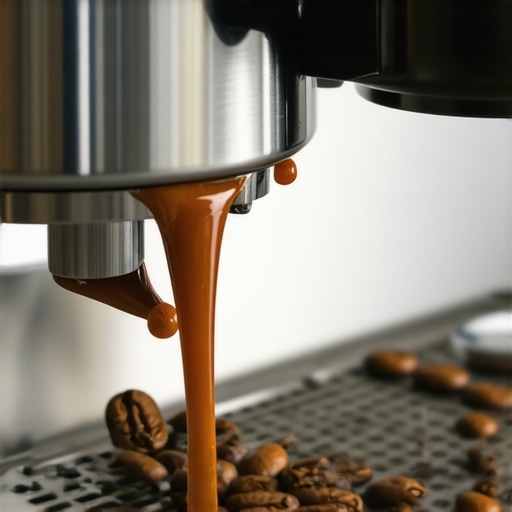
It turns out, oily beans are more than just a flavor preference—they can be a genuine threat to your equipment’s health and performance. The oils that give beans that rich, shiny appearance can quickly build up inside your grinder and machine, causing clogs, oxidation, and even motor burnout over time. If you’ve noticed your grinder turning sluggish or your shots tasting off, oily beans may be the culprit. I learned this the hard way early on when I neglected to clean my grinder regularly, assuming the deposits were harmless. Now, I know better and make it a point to choose beans wisely and maintain my gear properly. Want to avoid my mistakes? Keep reading to discover how to identify oily beans, why they harm your machine, and the steps to prevent disaster.
Is it really worth switching beans or cleaning more often?
Many skeptics ask whether switching to less oily beans or investing more time in maintenance actually makes a difference. I used to think I could just run my machine nonstop or ignore the buildup, but studies show that residue from oils can cause scale formation and reduce the lifespan of your equipment—especially if you’re using a super-automatic espresso machine that relies on precision components. For example, experts recommend regular cleaning and selecting drier beans to prolong your machine’s life and improve flavor. My early mistake was ignoring these signs, thinking it was just part of normal wear. Still, the truth is that neglecting oily deposits can be costly in both money and time. The good news? With a simple routine and smarter bean choices, you can keep your machine in top shape.
Identify and Select Beans Wisely
Start by inspecting your beans for excessive oiliness—rub a small amount between your fingers; if they feel greasy and leave a shine, they’re oily. Choose beans with a matte finish and less surface oil. When I first noticed oily beans clogging my grinder, I switched to drier beans I found at a local roastery, which significantly reduced buildup and improved shot quality. Learn how to spot under-roasted beans to avoid rainy-day surprises.
Adjust Your Coffee Grind for Less Oil Transfer
Finer grounds generate more surface area, trapping oils and increasing residue. Coarser grinding reduces oil retention on the burrs and in the machine. To get this right, periodically calibrate your grinder after changing burrs to maintain optimal extraction. I once experienced frequent clogs; by switching to a slightly coarser grind and calibrating my grinder, I noticed less oily residue and more consistent shots.
Implement Regular Cleaning Routines
Oily deposits should be cleared after every few weeks of use. Use a dedicated grinder cleaning tablet or a mixture of rice and hot water to flush out burrs and chute pathways. For my super-automatic, I run a cleaning cycle every 200 shots—this prevents oil build-up and prolongs machine lifespan. Remember, never leave your machine on all day without cleaning, as residual oils can quickly degrade components.
Disassemble and Deep Clean Periodically
Deep cleaning involves disassembling parts like the brew group and grinder chute. Carefully follow your machine’s manual and focus on parts exposed to coffee oils. Use a soft brush or a cleaning brush designed for espresso gear to scrub away stubborn residues. Once, I disassembled my grinder and cleaned burr carriers—this was messy but drastically reduced oil-related obstructions. Learn how to clean inside your grinder safely.
Optimize Bean Storage and Handling
Store beans in airtight containers away from heat and light; oxygen and moisture accelerate oil exudation. When handling beans, avoid squeezing or pressing them, which can release surface oils. I started using smaller airtight jars and only ground what I needed for the day, which kept oils at bay and maintained freshness. Proper storage is a simple but effective way to prevent oil transfer during brewing and grinding.
Choose the Right Equipment and Settings
Some grinders are more prone to oil retention, especially commercial-grade grinders in a home setup. Adjust your machine’s dosing to avoid oversaturation of coffee grounds. Use low-humidity environments to keep oils from liquefying and spreading within the equipment. Regularly inspecting and maintaining your grinder’s burrs assures they’re sharp and not contributing to excess oil buildup.
Many home baristas fall into the trap of thinking that equipment choices and techniques are straightforward, but the reality is far more nuanced. For instance, a widespread myth is that more expensive gear automatically produces better results. While premium equipment offers advantages, many amateurs overlook how factors like machine calibration and maintenance profoundly affect performance. Proper calibration can make a dramatic difference, even with budget-friendly tools. Another myth is that milk temperature is the sole factor for perfect foam—yet, texture and microfoam quality depend heavily on steam wand technique and milk type. Overlooking these details often results in disappointing latte art or inconsistent milk textures. Don’t forget: using the correct pressure and temperature settings tailored to your equipment can elevate your results significantly.
Advanced Tip: How Should I Adjust My Grinder for Different Beans?
When switching bean types, particularly from dark to light roasts, subtle variations in grind settings can greatly influence extraction and flavor. Many believe that once calibrated, a grinder’s settings remain static, but in reality, factors like humidity and bean age necessitate ongoing adjustments. Experts recommend making incremental tweaks and periodically testing with the simple paper towel test to verify burr sharpness and grind consistency. Recognizing these nuances helps prevent common mistakes like over-extraction, leading to bitter shots, or under-extraction, which results in sour flavors. Remember, the devil is in the details—fine-tuning your gear setup can transform your coffee experience. Consider this: Are you paying enough attention to your grinder’s maintenance and calibration? These often-overlooked factors are the key to elevating your home espresso game. Have you ever fallen into this trap? Let me know in the comments.
Prioritize Reliable Tools for Consistent Results
Investing in high-quality, purpose-built tools can dramatically improve your espresso game and make maintenance much more manageable. I personally swear by a precision calibration scope for grinders—a small but invaluable device that helps me fine-tune burr alignment with pinpoint accuracy. Regular calibration ensures that grind size remains consistent, which directly affects extraction quality and reduces wear on your machine as outlined here. Without an accurate calibration, even the best beans and technique can fall flat.
Implement Routine Maintenance to Extend Equipment Lifespan
One of the most overlooked aspects is establishing a strict maintenance schedule. Clean your espresso machine’s group head and steam wand weekly—using a dedicated brush and descaling solutions—to prevent mineral buildup that can impair performance. I use a small ultrasonic cleaner to deep-clean my portafilter baskets and shower screens, cleaning away coffee oils and residue learn how to perform this. This proactive approach minimizes breakdowns, saves money, and guarantees delicious extraction every time.
Tools That Make Long-Term Maintenance Easier and More Effective
Sean Bugg, a renowned barista trainer, highlights the importance of having a dedicated cleaning station with supplies like group head brushes, cleaning tablets, and microfiber cloths. Investing in quality brushes, such as brass or nylon-tipped ones, prevents damage to seals while effectively removing oils and coffee residues. Keep spare o-rings, gaskets, and seals on hand for quick replacements—these small parts often wear out unnoticed and can cause leaks or pressure issues.
What Future Tech Will Revolutionize Coffee Maintenance
Looking ahead, sensor-based maintenance alerts integrated into espresso machines are gaining traction, promising automated notifications for descaling or parts replacement. Companies are developing IoT-enabled gear that can diagnose issues remotely, providing real-time insights and reducing unexpected downtime. These advancements will simplify ongoing care, making home espresso maintenance more intuitive and less time-consuming.
How do I maintain my gear over time?
The key is consistency—set a reminder for weekly cleaning, monthly calibration, and annual deep dives. Embrace tools like calibration scopes and ultrasonic cleaners to maintain precision. Always stay ahead of wear by inspecting seals and gaskets regularly—small issues fixed early save you from costly repairs or replacement down the line. Don’t forget, superior tools and proactive habits can make all the difference, especially in the pursuit of perfect coffee. Try implementing a dedicated cleaning kit with quality brushes and gaskets now, and see how your equipment rewards your effort with better performance and longer lifespan. Ready to take your maintenance routine up a notch? Dive into calibrating your grinder with a precision scope—it’s a game-changer.
The Fine Line Between Passion and Overlooked Maintenance
My journey into home espresso crafting has taught me that even the most passionate barista can fall prey to simple oversights—like neglecting the importance of regular cleaning or misjudging bean quality. The real turning points came not from fancy equipment but from understanding the nuanced relationships between beans, grinders, and machine care. These lessons reminded me that deep expertise requires humility and continuous learning.
Accepting Imperfection: What I Wish I Knew Earlier
- Small tweaks matter: Adjusting grind size or calibration by mere millimeters can transform a bitter shot into a symphony of flavors. Don’t underestimate the power of incremental changes—check out my guide on grinder calibration for more insights.
- Cleanliness prevents catastrophe: Regular deep cleans of grinder burrs and brew groups prevent costly breakdowns. Implement a weekly routine using safe disassembly techniques and keep your gear performing at its best.
- Bean handling shapes flavor: Proper storage and selecting drier beans reduce oil transfer, which can clog and damage your machine. Treat your beans like precious cargo—airtight and cool, away from light, as I now do.
For a Better Brew, Equip Yourself Wisely
Investing in smart tools is a game-changer. I trust precision calibration scopes and ultrasonic cleaners to keep my setup running smoothly. These essentials help me catch issues early and maintain consistency, proving you don’t need the most expensive gear, just the right tools and knowledge.
Becoming Your Own Coffee Coach
Every brew is an opportunity to learn and refine. Whether it’s adjusting your grinder, perfecting tamping pressure, or cleaning the steam wand, consistent effort yields mastery. Remember, a little proactive care now saves lots of frustration later. So, why not set aside a dedicated weekly routine? It’s an investment that pays in better flavor and longer-lasting equipment.
What’s Your Next Step Toward Espresso Excellence?
Are you ready to fine-tune your grinder, clean your machine more regularly, or experiment with bean types? The journey toward perfect coffee is ongoing—embrace the process, celebrate small wins, and don’t hesitate to share your experiences below. Your commitment today will make your mornings brighter tomorrow.