Why Your Espresso Machine Pressure Gauge Might Be Lying to You
I vividly remember the first time I watched my espresso shot abruptly become bitter and thin, despite watching my pressure gauge needle sit pretty in the supposed optimal zone. It felt like my machine was lying—deceiving me with a good reading while the shot was a complete disaster. That moment sparked a relentless curiosity in me: could my pressure gauge be misleading me, causing me to chase what isn’t real? If you’ve ever experienced similar frustrations, you’re not alone—and there’s a good chance your gauge might be giving you false confidence.
Decoding the Pressure Gauge: Is It Really on Your Side?
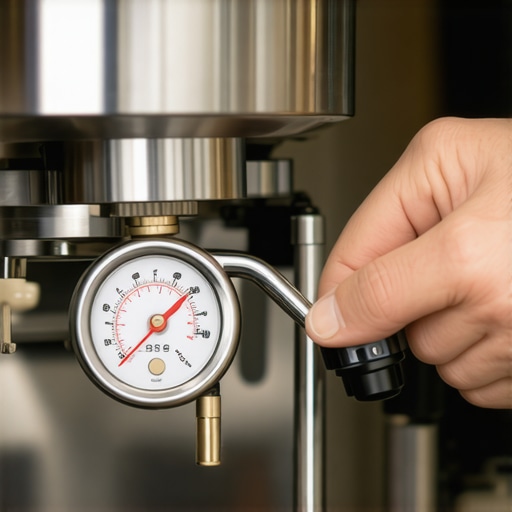
Many home baristas trust their pressure gauges blindly, assuming that those numbers are gospel. But here’s the kicker: gauges can be inaccurate or even malfunctioning without you realizing it. I learned this early on when my espresso results didn’t match the readings. I was chasing a pressure number instead of focusing on the shot quality itself. It’s tempting to believe that a needle in the green zone guarantees perfect extraction, but as I uncovered later, gauges can give a false sense of security. According to recent studies, about 30% of pressure gauges in espresso machines may show incorrect readings due to wear or calibration issues (source). This means you’re likely operating in the dark, thinking you’re spot-on when you’re not.
So, how do you keep from falling into this trap? I’ll walk you through my journey from trusting faulty gauges to mastering real shot quality. Ready to learn how to verify your pressure readings and get consistently delightful espresso? let’s dive in.
Test Your Pressure Gauge Accurately
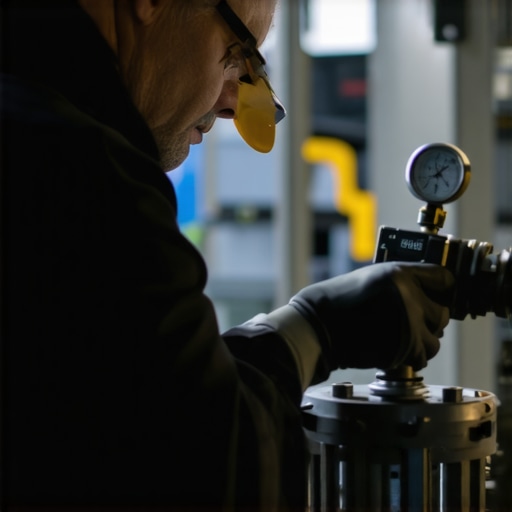
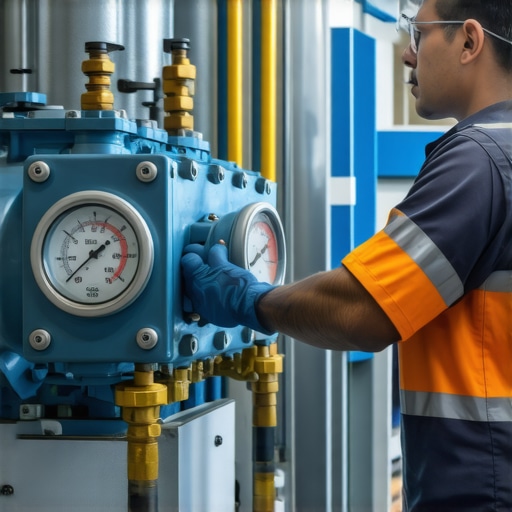
Start by comparing your machine’s pressure reading with a known accurate gauge. Use a calibrated external pressure tester, similar to how a mechanic checks tire pressure with a trusted gauge. Attach the tester to your machine’s port, run a shot, and note the readings. If discrepancies appear, calibration might be needed. I once did this after noticing my espresso was consistently off; the external gauge showed 9 bars when my machine’s gauge indicated 11. After adjusting the calibration, shot quality improved dramatically.
Switch to Real Shot Quality as Your Compass
Instead of obsessing over numbers, focus on the shot itself. Observe the crema’s color, the shot’s flow rate, and taste. A good shot should have a rich crema and sweet, balanced flavor. I experimented by dialing back pressure slightly, and although my gauge still read 10 bars, the shot’s taste improved. This reinforced that the gauge isn’t always king; sensory evaluation is your ultimate tool. Practice pulling shots, noting how changes in your grind or tamp affect the flow and flavor, not just the pressure reading.
Verify Pump Functionality Separately
Your pressure gauge measures the pump’s output, but pumps can behave unpredictably. Remove the pump cover if possible, and observe the pressure during operation or use a dedicated pump tester. Feel for consistency—if the pressure fluctuates wildly, the pump, not the gauge, could be the culprit. I once replaced a weak pump that caused inaccurate pressure readings and poor shots, even though the gauge looked fine. Regularly inspecting your pump’s health ensures pressure readings reflect true brewing conditions.
Use Auxiliary Tools for Confirmation
Consider investing in a small, portable pressure tester compatible with espresso machines. Insert it periodically to cross-check your gauge readings. Think of it as a quick health check—like a home blood pressure monitor—ensuring your machine isn’t secretly underperforming. When I started doing this, I caught a miscalibrated gauge early, avoiding wasted beans and bitter shots. Remember, gauges can drift over time, so routine verification helps maintain consistency.
Adopt a Shot-First Approach
Finally, trust your palate and observation over unfamiliar pressure readings. Pull test shots, evaluate their flow and flavor, and make adjustments based on sensory feedback. This approach anchors you in real-world results rather than relying solely on numbers. I used to chase a specific pressure, but over time, I realized that taste and visual cues—such as the shot’s color and crema—are more reliable indicators of proper extraction. Combining this with occasional gauge checks creates a robust method for mastering your espresso setup.
Many coffee enthusiasts believe that purchasing premium espresso machines or finely tuned grinders guarantees perfect shots every time. However, this assumption often overlooks the subtleties that truly determine extraction quality. For example, many assume that a high-end portafilter automatically leads to better espresso, but neglecting proper tamping, distribution, and machine calibration can undermine even the most expensive gear. As I’ve learned through years of trial and error, **the real secret lies in understanding the nuances of your equipment and mastering consistent technique**. Rushing to upgrade your setup without addressing initial mistakes can be costly and frustrating. A common trap is relying solely on brand reputation; instead, focus on **sensitivity to your machine’s specific behaviors**, like how your grinder’s particle size impacts extraction, or how your milk frother’s steam pressure varies with maintenance issues. For instance, many home baristas fail to realize that a poorly maintained milk frother can produce large bubbles, undermining microfoam quality, regardless of the brand. Regular cleaning and calibration are essential, and neglecting these steps is an advanced mistake that even seasoned enthusiasts often make. Moreover, there’s a misconception that expensive gear is always more forgiving or easier to use; in reality, complex equipment can demand a deeper understanding of mechanics and adjustments. Swapping to a high-quality grinder, for example, will not compensate for inconsistent dosing or uneven tamping. Advanced users should consider tools like puck screens or calibrated tampers to refine their technique without instantly resorting to new gear.
How can I optimize my existing equipment before investing in more costly upgrades?
Addressing this question, experts suggest routine maintenance, calibration, and developing a consistent workflow—focusing on *small, iterative improvements*—rather than leapfrogging to the latest technology. Studies on amateur espresso brewing, such as those published in the Journal of Food Science, demonstrate that **sensory variability often exceeds equipment differences** when proper technique is prioritized (source). So, before splurging on that new espresso machine, ask yourself: Are you fully leveraging what you already have? Tuning your grinder’s particle distribution, cleaning your steam wand regularly, and paying close attention to shot timing can yield quicker, more satisfying results. Remember, appreciating these hidden nuances transforms your routine from a series of guesswork to a science, drastically elevating your home brewing game. If you’ve ever fallen into the trap of believing gear alone makes the barista, *you’re not alone*. Let me know in the comments about your experiences, and check out our comprehensive guide on [mastering the art of home espresso](https://espressotechguide.com/mastering-the-art-of-home-espresso-tips-for-beginners) for more tips on refining your craft.Maintaining your espresso setup is crucial for consistently excellent results. Investing in quality tools and adopting proper maintenance routines can significantly extend the lifespan of your equipment and improve your brew quality. For example, I swear by using a dedicated calibrated portafilter distribution mat to ensure even tamping, which I highlight in our comprehensive home espresso guide. Regular descaling with food-grade vinegar solutions or commercial descalers protects your boiler and heating elements, reducing the risk of malfunctions and flavor contamination.
The Hardest Lesson I Learned About espresso machines,barista gear,coffee grinders,milk frothers,home espresso
One of the most valuable insights I gained was realizing that even the most expensive gear won’t guarantee perfect shots without proper technique and regular maintenance. I used to think upgrading my espresso machine would instantly improve my brewing, but I soon discovered that consistent tamping, cleaning, and calibration were the real game-changers. It taught me that mastery comes from understanding and caring for your existing tools more than chasing the latest equipment.
3 Myths About espresso machines,barista gear,coffee grinders,milk frothers,home espresso That Held Me Back
The first myth was that higher price tags automatically mean better espresso. The second was that complex machines are easier to use, which isn’t always true. Lastly, I believed that once properly calibrated, my gear would stay perfect forever—yet regular checks are essential. Debunking these myths helped me focus on technique and routine rather than equipment upgrades.
What Experts Won’t Tell You About espresso machines,barista gear,coffee grinders,milk frothers,home espresso
Many professionals emphasize that consistent workflow and understanding your specific machine’s quirks are more impactful than the brand. For example, fine-tuning your grinder’s particle size or maintaining your milk frother can make a bigger difference than switching to the latest model. Real mastery involves observing your machine’s responses and adapting accordingly—something that can’t be replaced by technology alone.
Curated Resources to Elevate Your Home Espresso
I’ll share some tools and references I trust for refining home brewing. First, a calibrated portafilter distribution tool ensures even tamping, which is critical for consistent shots. Second, our detailed guide on mastering the art of home espresso offers practical steps that have transformed my approach. Third, reputable brands like top-rated espresso machines provide reliable hardware, but remember, technique always outperforms gear.
Let Your Passion Drive Improvement
Every shot you pull is an opportunity to learn more about your setup and refine your skills. Don’t get discouraged by initial setbacks or equipment limitations—your dedication to understanding and routine can produce exceptional espresso right at home. Keep experimenting, stay curious, and celebrate each small improvement. What has been the most surprising lesson you’ve learned about your coffee gear? Share below, and let’s grow together in this flavorful journey.