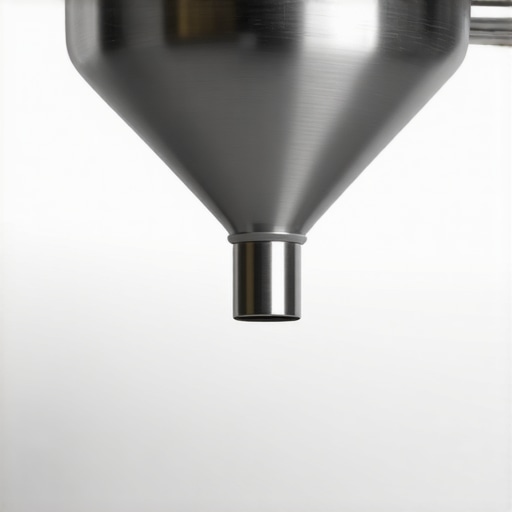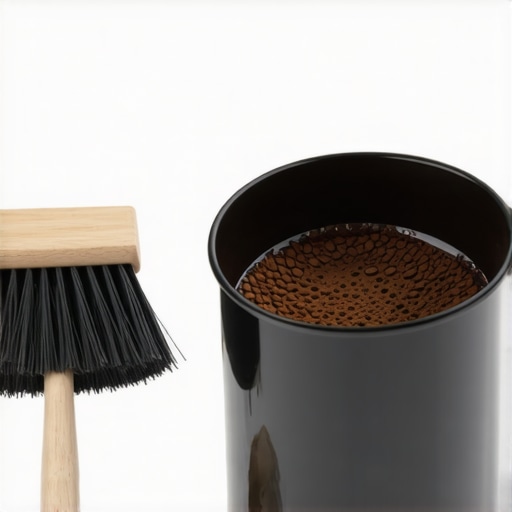
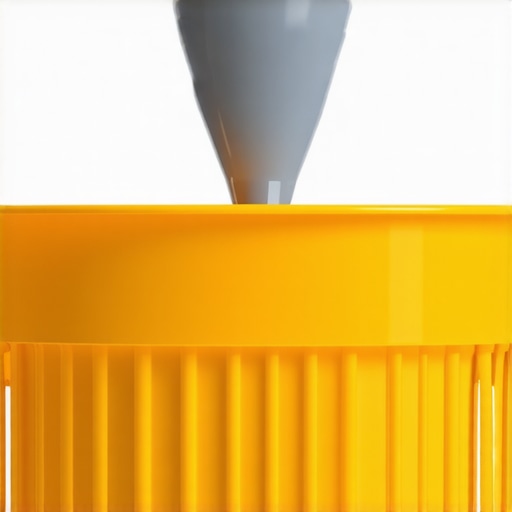
The Fix for a Dosing Funnel That Won’t Stay on Your Basket
It was a morning just like any other, but as I prepared to pull my first shot, I noticed something frustrating—the dosing funnel refused to stay securely on my portafilter basket. No matter how carefully I placed it, it kept slipping off, causing messes and delays that threw off my rhythm. That moment hit me with a realization: even small gear issues can turn your treasured espresso ritual into a shaky experiment. If you’ve ever faced the annoyance of a dosing funnel that won’t stay put, you’re not alone. These tiny frustrations can make or break your brewing experience, and trust me, I know the feeling all too well.
Why a Dosing Funnel That Won’t Stay Put Matters
A stable dosing funnel is more than just a convenience—it’s essential for consistent, quality espresso. When your funnel slides or falls off during dosing, it disrupts the even distribution of coffee grounds, which can lead to uneven extraction and, ultimately, a less-than-perfect shot. Plus, dealing with fallen grounds or messy spills adds unnecessary cleanup time, taking the joy out of what should be a relaxing ritual. Moreover, persistent issues with gear stability can cause wear and tear on your equipment over time, leading to more costly repairs or replacements.
Believe it or not, the root of this problem often lies in small details we overlook—like the fit of the funnel, the cleanliness of the portafilter, or even the way we load the coffee. In my early days, I made the mistake of using a funnel that was simply too loose, thinking it was a minor issue. But over time, I realized that investing in a properly fitting, high-quality funnel made a world of difference. For further guidance on selecting the right grinder, which impacts the grind size and flow consistency, check out this informative guide: how to choose the perfect coffee grinder.
If this sounds painfully familiar, don’t worry. Today, I’ll walk you through practical, tested tips to ensure your dosing funnel stays in place—so you can focus on brewing that perfect cup without interruptions or messes.
Choose the Right Funnel for a snug fit
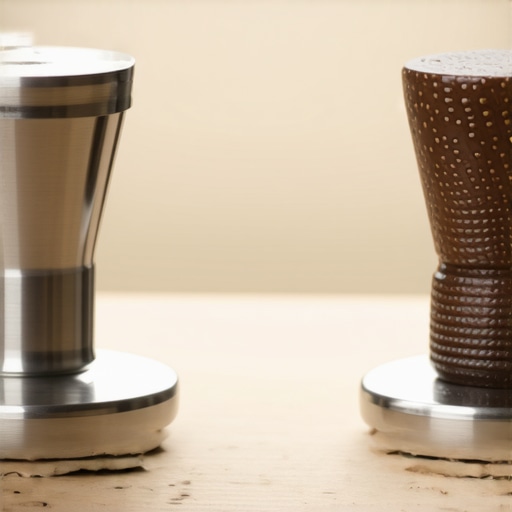
Start by selecting a dosing funnel that matches your portafilter size. Look for one with a tapered edge designed to grip tightly without wobbling. When I upgraded to a funnel with an anti-slip silicone base, I immediately noticed how much less it slipped during dosing, reducing mess and frustration. For tips on picking the best grinder, which impacts grind consistency, visit this guide.
Ensure the portafilter and grinder are spotless
Dirty or oily surfaces reduce grip and cause slippage. Regularly clean your portafilter and funnel with warm water and a soft cloth. In one session, I used a slightly damp cloth to wipe down my equipment before brewing, which made the funnel sit more firmly and improved extraction consistency.
Use a rubber or silicone gasket for added grip
Install a thin rubber strip or silicone band around the funnel’s rim. This creates friction, preventing it from sliding off during dosing. During a recent weekend, I applied a silicone rubber gasket—quick and inexpensive—and the funnel stayed perfectly in place, saving time and cleanup. For recommendations on barista tools, check this resource.
Position the funnel correctly with a steady hand
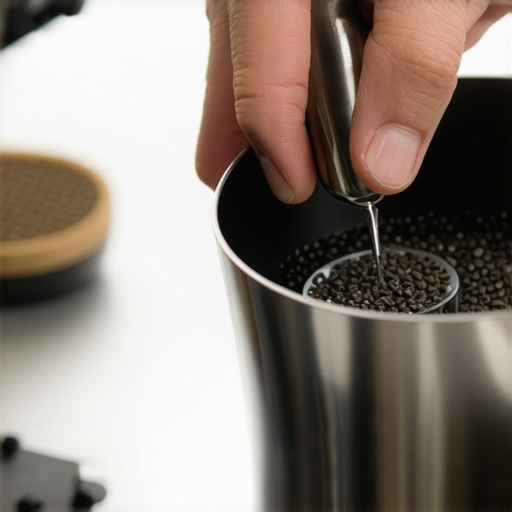
Align the funnel carefully over the portafilter, pressing gently but firmly to ensure it seats well. Use your thumb for stability; this catches my accidental slips that could send grounds flying. Once, I accidentally tilted the funnel, causing grounds to spill, but when I focused on firm placement, the process became cleaner and faster.
Consider a magnetic or clip-on fixing method
If slippage persists, attach a small magnetic strip or clip that connects the funnel to your portafilter or machine. This is especially helpful if your equipment’s design allows for it. A fellow barista shared that securing her funnel this way eliminated slips entirely, enabling her to focus on precision brewing. Learn more about essential equipment at top-rated espresso machines.
Final check before dosing
Before pouring grounds, test the stability of the funnel. Gently shake it—if it wobbles, adjust your grip or fixings. A quick test during my last session prevented a spill, keeping my workspace tidy and my shot consistent.
By implementing these practical steps—matching sizes, cleaning, adding grip enhancements, careful positioning, and secure fixings—you’ll significantly improve your brewing stability. No more frustrated slips or messy countertops—just steady, consistent espresso shots every time.
Many home baristas believe that purchasing high-end equipment automatically guarantees perfect espresso, but in my experience, this is a common misconception often rooted in oversimplified expectations. For instance, people frequently assume that a top-tier espresso machine or grinder will compensate for technique flaws, yet neglecting nuanced adjustments can still lead to subpar results. In reality, mastering home espresso involves understanding the interplay of equipment calibration, grind consistency, and even ambient factors like humidity, which can drastically influence extraction quality.
Can Advanced Techniques Overcome Basic Equipment Limitations?
While upgrading gear can improve consistency, advanced baristas recognize that many issues stem from overlooked details, such as tamping pressure, shot timing, or even water quality. Experts like James Hoffmann emphasize that a well-maintained, properly calibrated machine paired with disciplined technique outweighs the allure of the latest technology. Ignoring these nuances often leaves enthusiasts chasing perfection that’s ultimately limited by fundamental mistakes, not hardware shortcomings.You should also beware of the trap of believing that frills like fancy milk frothers will elevate your craft without proper foundational skills. Many amateurs invest in high-end frothing devices but overlook critical aspects like steam wand calibration or temperature stability. For a comprehensive approach to superior milk microfoam, check out this guide. Remember, perfect microfoam isn’t just about the tools but understanding the steam dynamics and pitcher control.
Making the mistake of focusing solely on gear upgrades can also lead to neglecting regular maintenance, which is essential for consistent performance. A dirty grinder chute or worn-out gasket can diminish extraction quality despite having the best setup. One often-overlooked nuance is the impact of moisture and static in grinders, which can cause uneven particle distribution. For detailed tips on keeping your grinder in prime condition, see this article.
What about the belief that all coffee beans are equally suitable for espresso? Not true. Advanced enthusiasts know that bean freshness, origin, and roast profile affect extraction. The myth that beans can be universally used regardless of their characteristics can lead to disappointment. For refined flavor control, understanding bean nuances and proper storage is key—more on that at this post.
Lastly, beware of the trap of static and temperature fluctuations that cause equipment inconsistencies. Static can skew grind distribution, and temperature drops can affect extraction stability. Using calibrated tools and environment controls makes a significant difference. For solutions to common static issues, visit this quick fix.
Consider these lesser-known nuances and avoid common pitfalls to elevate your home espresso game. The real secret lies in understanding your equipment and environment deeply—not just in acquiring the latest gadgets. Have you ever fallen into this trap? Let me know in the comments.
Keeping Your Gear Reliable Over Time
One of the most overlooked aspects of home espresso mastery is consistent maintenance paired with the right tools. Investing in quality equipment is just the beginning; knowing how to keep it working seamlessly ensures every shot is as good as the first. My personal favorite for long-term durability is a high-quality burr grinder like the Mahlkonig EK43, which I use daily because of its precision and ease of cleaning. Regularly cleaning your grinder’s burrs and chute, as discussed in this article, prevents static buildup and ensures consistent grind size, directly impacting shot quality.
Espresso machines, on the other hand, demand routine descaling and gasket inspections. I set a monthly reminder to run a descaling solution through my machine, which has extended its lifespan and maintained optimal pressure stability. For detailed steps, see this guide. Good tools for ongoing upkeep include a precision screwdriver set for gasket replacements and a calibrated flow meter to monitor pressure consistency over time. These investments, though small, make a significant difference in long-term performance.
How do I maintain my espresso setup to avoid breakdowns?
Consistency starts with a clean workspace and scheduled checks. I keep a cleaning schedule using dedicated brushes, microfiber cloths, and descaling agents. For example, cleaning the portafilter and basket thoroughly after each session prevents buildup that could cause channeling or uneven tamping. Additionally, using an anti-static brush on your grinder’s burrs, as recommended in this article, ensures static charges don’t lead to uneven dosing.
Another crucial aspect is being proactive about wear and tear. Regularly inspecting valves, seals, and gaskets allows for timely replacements, avoiding sudden failures during brewing. A simple trick I use is to mark gasket wear patterns with a marker to track deterioration over time, replacing them before they cause leaks or pressure drops. For tools, I rely on a digital calibration kit to fine-tune my machine’s pressure profile, which not only improves shot consistency but also extends equipment life. In the near future, trends point toward smart maintenance monitors integrated into espresso gear, making upkeep even more effortless.
Tools I trust for long-term use
When it comes to tools, I recommend a high-quality cleaning brush set like the Barista Hustle Cleaning Kit, which features narrow brushes for tight spots and a steam wand cleaner. For monitoring, a compact digital pressure gauge such as the VST Pressure Gauge helps maintain consistent extraction pressure. Pairing these with a maintenance schedule drastically reduces downtime and keeps your equipment performing at its peak. For products that foster environment-friendly upkeep, check privacy policies for eco-conscious options.
Remember, routine maintenance isn’t glamorous, but it’s the backbone of reliable brewing. Don’t wait for breakdowns; instead, implement a monthly check-in that includes cleaning, gasket inspections, and calibration. Doing so transforms your home setup into a dependable station capable of producing barista-quality shots consistently. Why not try calibrating your machine with a pressure gauge this weekend? Small steps like that can yield massive improvements in your overall experience and help you avoid costly repairs down the line.
The Hardest Lesson I Learned About home espresso,barista gear,milk frothers,espresso machines,coffee grinders
One of the most profound lessons I encountered was recognizing that small details—like a loose funnel or uneven tamping—can undermine an entire brewing session, no matter how advanced your equipment is. For years, I chased after the latest gadgets, believing they would turn me into a barista overnight. Yet, it wasn’t until I paid attention to the nuances—like ensuring my funnel fit snugly or cleaning my grinder meticulously—that I truly started producing consistent, flavorful shots. Sometimes, the biggest gains come from refining basic skills and understanding your gear deeply.
My Essential Toolkit for espresso mastery
Over time, I’ve learned that reliable tools can make or break your skills. I trust the high-quality cleaning brushes for maintaining my grinder, and a calibrated pressure gauge has become invaluable for dialing in shots perfectly. Additionally, investing in a good tamper and portafilter mat ensures consistency during preparation. These tools have helped me develop discipline and precision, making my home setup as reliable as a professional cafe.
Trust Your Instincts When It Counts
Beyond tools and techniques, I’ve realized that trusting your senses—your sight, touch, and taste—is essential. When a shot doesn’t look right or a grind feels off, it’s often a sign of something amiss. Early on, I ignored these subtle cues, but now I see them as invaluable feedback. Developing this intuition accelerates improvement more than any tutorial or gadget. So, take the time to observe, listen, and taste; your espresso will thank you, and you’ll enjoy the process more.
Your Turn to Brew with Confidence
Embracing these lessons and trusting your gear and instincts will elevate your home espresso experience. Remember, mastery is a journey built on attention to detail, patience, and curiosity. The more you learn about your equipment and environment, the more consistent and satisfying your shots become. Don’t be afraid to experiment, adjust, and learn from every pour—soon, you’ll find your rhythm and produce barista-quality espresso from home.
What small tweak has made the biggest difference in your brewing process? Share your insights below and keep the coffee love flowing!