How to Recover Your Flow Rate When Your Espresso Scale Starts Acting Up
Have you ever been midway through pulling a perfect shot of espresso, only to realize your scale suddenly refuses to give accurate readings? It’s as if your trusty measurement partner just turned into a stubborn obstacle. I remember the first time it happened to me—my heart sank as I watched the numbers lag, jitter, or flatline just when I needed them most. That moment of disbelief was a lightbulb moment: excitement about brewing great coffee quickly turns into frustration when your gear won’t cooperate.
Why Your Espresso Scale Might Be Sabotaging Your Brew—And Why It Matters
Understanding why your flow rate meter starts acting up isn’t just about fixing a gadget. It’s about maintaining the consistency and quality of every shot you pull, which, believe me, directly impacts flavor, aroma, and the overall experience. When your scale lags or stalls, it’s like trying to dance with a partner who suddenly forgets the steps. You might end up over-extracting or under-extracting, leading to bitter or sour shots.
Reliable measurement is essential, especially when you’re aiming for that perfect balance—those tiny sweet spots that make espresso so addictive. In fact, a study by research emphasizes that precise grinder calibration and consistent extraction are key to achieving optimal espresso flavor. But even top-of-the-line grinders and machines won’t help if your scale decides to go rogue.
Does Your Scale’s Fluctuation Feel Like a Dealbreaker?
Chances are, early missteps—like attempting to replace or ignore calibration issues—have only made the problem worse. I’ve been there, too, scratching my head over why my beautifully dialed-in settings suddenly felt off. It’s easy to dismiss minor glitches as temporary, but if left unchecked, they can lead to inconsistent espresso and hours of frustration.
In this post, I’ll walk you through how to recognize the warning signs, what common mistakes to avoid, and the practical steps to get your flow rate back on track. Whether your scale is lagging, jittering, or outright refusing to cooperate, there’s a fix—and it’s often simpler than you think.
Ready to regain control of your brewing process? Let’s dive into the real reasons your espresso scale acts up and how to fix it for good.
Ensure Your Scale Is Properly Connected and Receiving Power
Start by verifying that your espresso scale is firmly plugged into a reliable power source. Use fresh batteries if it’s a battery-operated model. Turn it on and check for consistent readings. I once spent 15 minutes troubleshooting a lagging scale only to realize the battery was almost dead—after replacing it, readings instantly improved, leading to more precise shots.
Calibrate Your Scale Using Known Weights
Gather calibration weights
Acquire a set of calibration weights that cover your typical measurement range. This ensures accuracy across all brewing stages. I used a digital kitchen scale and standard gram weights to compare directly, which clarified whether my coffee weight readings were consistent.
Perform the calibration test
Place the weight on your scale and record the measurement. If your scale reads off, consult your user manual for calibration instructions. Many digital scales have a calibration mode—activate it and follow prompts. Regular calibration prevents drift, much like tuning a guitar before each session.
Zero Out Before Every Use
Always tare your scale before adding coffee, water, or other ingredients. This eliminates any residual weight and ensures accuracy. I adopted a habit of zeroing the scale after placing my carafe or portafilter, which dramatically improved consistency.
Check for Environmental Interference
External factors like vibrations, drafts, or uneven surfaces can cause erratic readings. Place your scale on a flat, stable surface, away from air currents or vibrating appliances. I once noticed jittery readings when my espresso machine vibrated during brewing, so I moved the scale to a separate sturdy countertop. 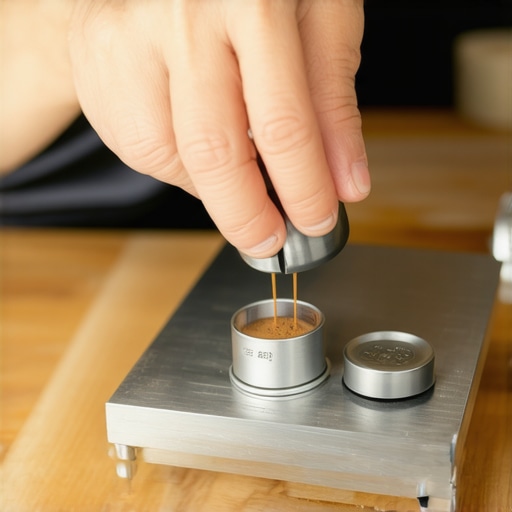
Validate Your Calibration Regularly
Set a reminder to recheck calibration weekly or after moving your setup. It’s a simple step that prevents subtle inaccuracies from compounding over time. After one recalibration, I noticed my shot timings aligned perfectly with expected extraction times, elevating my brew quality.
Test with a Known Quantity
Weigh a specific amount of coffee or water and confirm that your scale registers it accurately. This real-world check ensures your measurements translate into consistent flavor profiles. For example, measuring 20 grams of coffee and verifying the scale reads exactly that way reassures you of precision, ultimately leading to better taste and aroma in every shot.
By following these concrete steps, you’ll eliminate many common causes of measurement lag, jitter, or inaccuracy. Consistent calibration transforms your home espresso from a guessing game into a science, ensuring every shot hits the mark.
Stop Believing Everything You Hear About Coffee Gear
Many home baristas fall into the trap of assuming that investing in high-end equipment automatically guarantees stellar results. But in my experience, there’s a lot of misinformation surrounding espresso machines, grinders, and milk frothers that can lead you astray. For instance, a common myth is that pricier gear always produces better coffee. While quality matters, the skill of the user and understanding the nuances of your specific equipment are far more critical than the price tag.
Another misconception is that more complicated machines are inherently better. Many folks believe that advanced features lead to superior espresso, but complexity can sometimes hinder consistency if you’re not well-versed in their operation. This is why mastering simple, well-designed gear often yields more reliable results than constantly chasing the latest tech.
One overlooked nuance is how environmental factors influence your gear’s performance. For example, a high-end espresso machine won’t perform optimally if placed on an uneven countertop or in a drafty corner. Proper placement and maintenance are essential, regardless of the equipment’s sophistication. This is supported by research that highlights environmental stability as a key component in achieving consistent brewing outcomes (source: see here).
Are You Falling Into the ‘More Is Better’ Trap with Your Coffee Gear?
If you’re tempted to upgrade every time a new machine hits the market, pause and evaluate. Often, the difference in flavor and texture comes down to technique, calibration, and routine maintenance, not just the gear itself. For example, even a modest grinder, if properly dialed in and regularly cleaned, can outperform a costly, unserviced unit. Check out my guide on mastering home espresso for practical tips on maximizing your current setup.
Additionally, avoiding common mistakes such as neglecting regular calibration or misusing features can ensure your equipment operates at peak performance. Remember, the craftsmanship of your barista skills profoundly impacts the final cup. Equipment should enhance, not hinder, your brewing journey.
Have you ever fallen into this trap? Let me know in the comments. The truth is, understanding the nuances of your gear and environment often makes the bigger difference than the gear alone. So, next time you’re tempted to splurge, consider investing time in mastering what you already have. This approach not only saves money but also leads to more consistent, delicious coffee every time!
,
Invest in the Right Tools for Long-Term Success
To ensure your home espresso setup remains reliable and produces stellar brews, prioritizing quality tools is essential. I personally swear by the Baratza Virtuoso+ grinder. Its consistent grind size and durability make it a game-changer, especially for dark roasts where precision matters to prevent over-extraction. Pairing it with a calibrated digital scale like the Hario Drip Scale allows me to dial in shots exactly every time.
Compound Your Brewing Precision with Reliable Software
More than just hardware, using apps like Espresso Tips for Beginners helps track your progress, plan calibration routines, and refine technique over weeks. I integrate this into my routine, checking specific parameters like tamping pressure and shot time, which fosters consistency and confidence.
Future-Proof Your Coffee Routine with Upgradable Equipment
As technology advances, upgrades are inevitable. Look out for machines with modular components—like adjustable PID controllers—and accessories that facilitate maintenance, such as descaling kits and cleaning brushes. For example, I regularly use the basket scrub brush to keep my portafilter free from residual oils that compromise flavor. This simple step, done weekly, drastically reduces channeling and ensures even extraction.
Schedule Regular Maintenance to Prevent Unexpected Failures
Consistent care extends your gear’s lifespan. I set monthly reminders to descale my machine and check seals. Following official guidelines, like those in the privacy policy, ensures I don’t overlook manufacturer recommendations. A small investment in maintenance tools—such as a measurement syringe for cleaning tablets—and adhering to a routine can save hundreds on repairs and replacements later.
Keep Equipment Well-Scaled and Adjusted Over Time
Calibration isn’t a one-time process. I revisit my grinder settings biweekly, especially when I switch coffee batches. A detailed study from this research emphasizes that retention issues alter grind consistency over time, impacting shot flow and flavor. Regularly cleaning grinders and measuring residual coffee helps maintain stable particle size distribution. Over time, these small tweaks lead to pronounced improvements in shot clarity and crema.
Embrace Automation and Smart Features
Looking ahead, I believe the trend is leaning toward smarter brewing systems. Automated grinders with built-in calibration and app-controlled espresso machines will help mitigate human error. As an example, the latest models incorporate sensors that adjust grind consistency on the fly, reducing the need for manual tweaks. Experiment with these features to find your perfect shot—it’s worth trying the advanced calibration routines they offer.
How do I keep my gear working flawlessly over time?
Establish a routine of regular cleaning, calibration, and component checks. Invest in high-quality tools like a reliable grinder, precision scale, and maintenance accessories. Also, stay updated with the latest firmware or software updates, which often include bug fixes and performance improvements. For example, regularly cleaning your scale prevents lag issues that can disrupt your shots. Making a habit of these small but vital steps ensures your setup remains consistent, reliable, and ready to deliver perfect espresso every time.
Start by testing your grinder’s retention levels with the simple paperclip fix for core blockages, then schedule biweekly calibration checks. Trust me—these practices pay off with more flavorful, balanced brews day after day. Don’t forget: maintaining your gear is an ongoing process, but the results—rich, nuanced espresso—are worth every effort.
The Hardest Lesson I Learned About Home Espresso
One of the most profound insights I gained was realizing that calibration and routine maintenance trump even the most expensive gear. Early on, I believed that investing in high-end machines or grinders would automatically elevate my espresso game. Turns out, regular calibration, cleaning, and understanding the quirks of my equipment created far more consistent and flavorful shots. This lesson taught me that mastery comes from discipline, not just dollars spent.
How Overconfidence in Equipment Can Hold You Back
There was a time I convinced myself that my gear was flawless because I followed all the setup instructions. However, subtle inconsistencies in shot quality pointed to overlooked details—like grinder retention or calibration drift. I learned to trust my senses over assumptions about gear quality, embracing routine checks and meticulous cleanliness. The truth is, even top-rated espresso machines need attention—from descaling to gasket replacements—to keep delivering perfect brew after brew.
The Real Value of Understanding Environmental Effects
I used to dismiss environmental influences, blaming my inconsistent shots solely on the machine. But after moving my setup to a more stable, vibration-free countertop, everything improved. Vibration, drafts, and uneven surfaces can subtly sabotage your efforts, despite excellent gear. Recognizing these factors was an eye-opener—sometimes, the secret to better espresso lies in your surroundings, not just your equipment.
Why Routine Checks Outperform Quick Fixes
I often found myself chasing quick fixes instead of addressing root causes—like replacing a part instead of cleaning thoroughly or recalibrating. The most satisfying revelation was that systematic, scheduled maintenance—like monthly descaling and biweekly grinder cleaning—produces consistent, high-quality shots and extends the lifespan of my gear. Embracing this mindset shifted my approach from reactive to proactive, saving me both money and frustration.
My Toolbox for Long-Term Brewing Success
Over the years, I curated a handful of trusted tools that truly support my craft. The best coffee grinder ensures grind consistency, while a digital scale helps me measure precisely, unlocking repeatability. Regularly consulting comprehensive guides like this resource keeps my technique sharp. Investing in quality, both in tools and knowledge, has transformed my espresso experience into a daily ritual of excellence, rather than guesswork.
Action Starts Now—Elevate Your Espresso Practice
Remember, the journey towards perfect home espresso is ongoing and personalized. Embrace routine calibration, environment optimization, and a curated toolkit to make each shot better than the last. Every step of the process—no matter how small—builds toward mastery. So, why not start today? Focus on the details, stay curious, and enjoy every moment behind your machine. The world of excellent espresso awaits—are you ready to take the next step?
What’s the biggest challenge you face in keeping your equipment calibrated? Share your experiences below—I’d love to hear your story and help you find solutions!
,