Why your espresso scale lags and how to fix flow rate timing
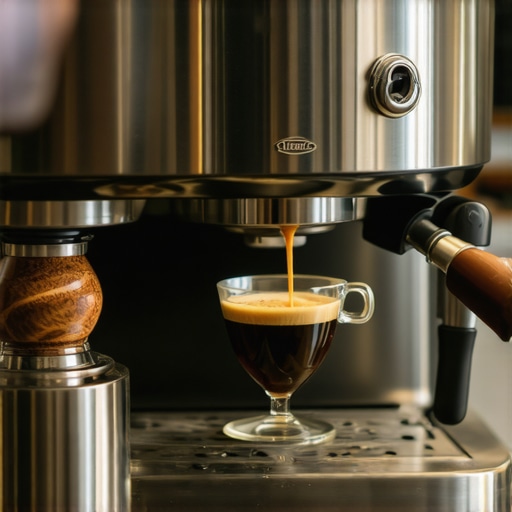
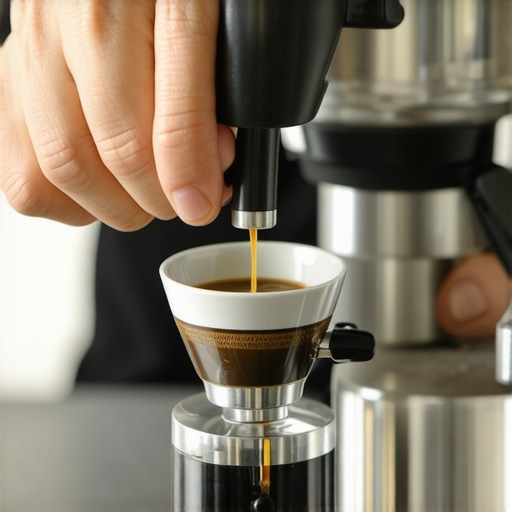
One morning, I eagerly pulled my latest espresso shot, only to be met with an unsettling delay—the scale sluggishly lagging behind as I watched the seconds tick by. It felt like my trusty espresso machine had developed a mind of its own, throwing off my carefully calibrated flow rate. Frustration? Absolutely. But that lightbulb moment sparked my journey into understanding why my espresso scale was lagging and, more importantly, how to fix it.
Why Your Espresso Scale Lags and What You Can Do About It
As a passionate home barista, I know that every second counts when pulling a shot. An inconsistent or lagging scale doesn’t just disrupt timing; it messes with your flavor and consistency. The good news? This issue is often fixable with some tweaks and understanding of your equipment’s flow dynamics. Today, we’ll delve into the reasons behind scale lag, and I’ll share my personal tips to get your flow rate back in sync—that way, your shots are consistently perfect, every time.
Is Your Scale Actually Worth the Hype or Just a Gadget?
I’ve made a costly mistake early on—thinking that all scales are created equal. Turns out, not all are designed for the rapid, precise measurements required in espresso brewing. If you’ve ever bought a fancy-looking scale that couldn’t keep up with your shot timing or showed inconsistent readings, you’re not alone. Here’s the thing: using a high-quality espresso scale, like the ones discussed in this guide, can make or break your brewing process. Trust me, investing in the right gear saves headaches—and wasted beans—in the long run.
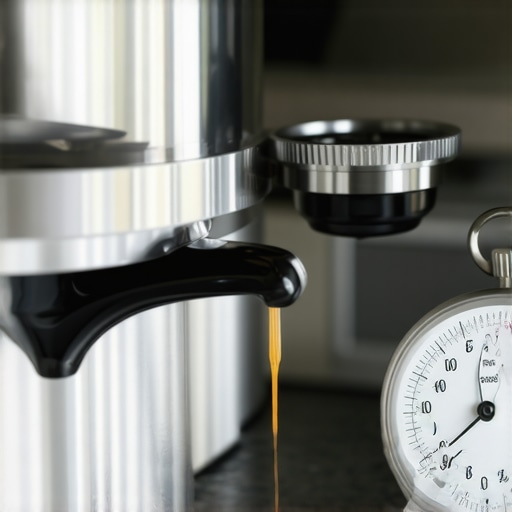
So, why does your scale lag? Often, it’s related to how your flow rate interacts with your equipment’s mechanics. A slow or delayed response can cause misreads, leading to over-extraction or under-extraction. This frustration is downright common among home enthusiasts—you’re not alone! Understanding the root causes is the first step toward fixing the issue.
In the next sections, I’ll guide you through the practical steps I took—testing, calibrating, and optimizing my setup—to ensure that my scale responded instantly and correctly during the shot. Ready to troubleshoot your setup? Let’s dive into the fixes that can transform your espresso experience and banish that annoying lag once and for all.
,
Check Your Scale’s Response Speed
Start by testing your scale’s reaction time. Place your espresso cup on the scale, and begin your shot process as usual. Watch how quickly it updates. If there’s a noticeable delay, it indicates the need for calibration or replacement. I once noticed my scale lagging after a week of inconsistent readings, which was traced back to a low battery. Replacing the batteries restored faster response times.
Timing Your Calibration
Calibrate your scale using a known weight, like a calibration weight or a bag of beans with a precise weight. Place it on the scale and compare the reading to the actual weight. If discrepancies exist, adjust the calibration settings if your scale allows, or consider upgrading to a more responsive model. I used a small 50-gram weight and calibrated my scale, which instantly improved its response during shots.
Optimize Your Machine’s Mechanics
Ensure your espresso machine’s internal parts aren’t causing flow delays. Check the portafilter gasket; a worn or dirty gasket can cause uneven water pressure, affecting flow rate and scale readings. Clean or replace it as needed. I used a cleaning solution and a soft brush to scrub the gasket, which revealed a buildup that, once cleared, smoothed out flow consistency and made my scale respond more accurately.
Adjust the Flow with Proper Tamp Technique
Applying the right tamp pressure is crucial. Too much pressure can restrict flow, causing lag in scale updates. Use a consistent tamp force—about 30 pounds—and ensure your tamping station is level to avoid uneven puck density. I used a bathroom scale to measure my tamping force, leading to more uniform extraction and steady scale responses.
Minimize External Interference
Place your scale away from electronic devices or vibrating surfaces. Devices like blenders or Wi-Fi routers can interfere with signals, causing delays. I moved my setup to a separate table and turned off nearby devices during brewing, resulting in more immediate scale readings.
Upgrade If Necessary
If after calibration and mechanical checks your scale still lags, it might be time for an upgrade. Look for a high-quality espresso-specific scale with fast response times and reliable readings. I invested in a model praised for its rapid updates, which made a noticeable difference during my espresso sessions. For more insights, check out this guide on selecting the right scale.
Applying these steps will significantly reduce your scale lag, ensuring your espresso shots are timed perfectly and your brew quality remains consistent. Remember, the key is patience and precise adjustments—every second counts in the pursuit of the perfect espresso.
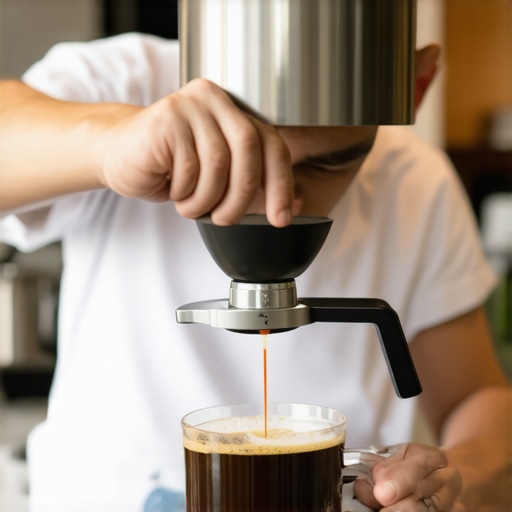
While it’s common for home baristas to focus on choosing the latest espresso machine or grinding the perfect beans, many miss the subtle pitfalls that can sabotage their brewing results. One of the most pervasive misconceptions revolves around the so-called “automatic” features on some barista gear. Many believe that automated milk frothers, for example, will always produce creamier microfoam without manual intervention. In reality, relying solely on these gadgets can lead to inconsistent textures, especially if calibrations are off or maintenance is neglected. As an expert who has tinkered extensively with various equipment, I can tell you that understanding the mechanical and technical nuances behind each tool is crucial for quality results.
Are All Coffee Grinders Created Equal
Here’s a common trap: many assume that a high price tag guarantees a uniform grind. But in my experience, grinders with poorly designed burrs or inconsistent stepless adjustments can cause more harm than good, even if they cost a fortune. A Doddle Burrs are often touted as the best, but without proper calibration and maintenance, they can produce uneven particles that lead to channeling or under-extraction. The key nuance? Regularly cleaning your grinder and verifying burr sharpness can dramatically improve consistency, as detailed in this guide. Overlooking these details is a rookie mistake, and it can make you think your machine or beans are at fault when the real issue lies elsewhere.
Advanced Myth: All Barista Gears Are Same
Many believe that switching to high-end gear automatically elevates their coffee game. However, the reality is that improper technique, insufficient calibration, or neglecting basic cleaning can undermine even the priciest equipment. For instance, a top-rated espresso machine like those discussed in this review will only perform at its best if paired with a properly adjusted grinder and gathered barista skills. A common mistake is ignoring the importance of routine maintenance, which experts emphasize as vital for longevity and consistency. Regularly checking gasket seals, water filters, and cleaning flow paths prevents leaks, clogging, and pressure drops that can spoil your shot. This extended insight into maintenance can be found in this article. Missing these advanced nuances can lead to a frustrating cycle of troubleshooting, even with the best gear in your arsenal.
Have you ever fallen into this trap? Let me know in the comments—sharing these insights might save someone else from hours of guesswork.
Building a reliable and efficient home espresso station isn’t just about purchasing top-tier equipment; it requires regular maintenance and the right tools to keep everything running smoothly over the long haul. From high-quality grinders to specialized cleaning gear, the investment in proper tools pays dividends in consistent quality and minimal downtime. One tool I personally swear by is a digital calibration weight, which I use monthly to verify my grinder and scale accuracy. This tiny device helps me avoid the common pitfall of drift in calibration that can subtly ruin shot consistency over time. Consider it the cornerstone of long-term precision in your setup.
How do I keep my gear functioning optimally for years?
Consistent upkeep starts with understanding the specific needs of each component. For example, regular deep cleaning of your grinder burrs with a dedicated burr cleaning brush prevents oil and coffee residue buildup—something I address every 50 kg of beans. Similarly, replacing worn seals or gaskets on your espresso machine, such as the group head gasket, prevents leaks and maintains proper pressure. When it comes to milk frothers, using specialized descaling solutions ensures smooth operation and prevents clogging, especially if you have hard water. To streamline all these chores, I rely on a set of precision screwdrivers and small brushes, which make disassembly and cleaning quick and safe.
Looking ahead, I predict that automation and smart diagnostics will become standard in home barista gear, making maintenance even more accessible. Machines will self-report issues like scale buildup or gasket wear, prompting timely interventions. Until then, staying proactive with your tools—like keeping a limescale remover handy or inspecting your steam wand’s o-rings regularly—is the best way to ensure longevity.
What’s the best way to maintain my equipment over time?
Developing a maintenance schedule tailored to your gear’s usage intensity can dramatically extend its lifespan. For example, I set monthly reminders to descale my espresso machine and clean my grinder’s burrs. Investing in a high-quality cleaning kit, including espresso-specific cleaning pills and microfiber cloths, simplifies the process. Additionally, ensuring all electrical connections are secure and checking water filters for signs of clogging go a long way. Remember, even the best hardware benefits from routine inspections—don’t wait for a breakdown to take action. Regular care transforms your setup into a dependable partner for years to come.
If you want to elevate your maintenance game, try integrating a calibration weight check into your weekly routine. This simple step helped me catch performance drift early, saving me costly repairs and ensuring my shots stay consistent. For more in-depth advice on maintaining your gear, you might find this guide to beginner-friendly maintenance tips helpful. Remember, the key is consistency and attentive care—your future self will thank you with every perfect cup.
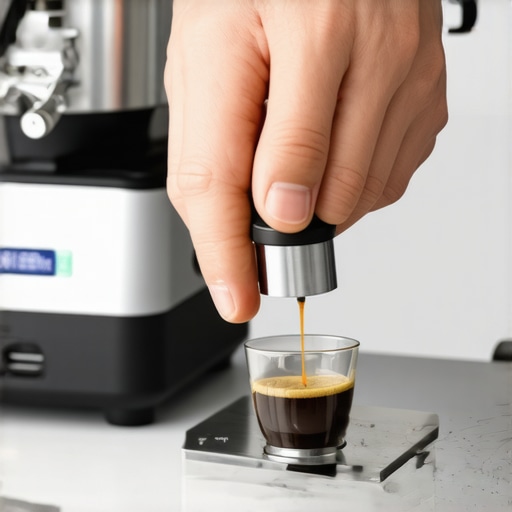
For those serious about long-term results, choosing the right tools makes all the difference. I recommend investing in a high-precision calibrator for your grinder and scale, as these tiny devices can be game changers. Additionally, consider tools like a portafilter brush, water filter testers, and descaling kits designed specifically for espresso equipment. These not only help maintain optimal performance but also prevent small issues from becoming costly repairs down the line. Prioritize routine inspections and cleaning—it’s the secret to enjoying flawless espresso for years.
Lessons That Transformed My Espresso Journey
- Patience with calibration and maintenance often yields better results than chasing the latest gadget. I learned this firsthand when regular cleaning and periodic calibration increased my shot consistency more than expensive upgrades.
- Understanding the mechanical interactions within my machine, like how tamp pressure influences flow rate, was a game-changer. It reminded me that precise manual technique often trumps automated features.
- Investing in quality tools, such as a digital calibration weight, provided me with real data to fine-tune my setup. It’s a reminder that small, thoughtful investments can save frustration and improve quality long-term.
- External interference from electronics can seem trivial but significantly impacts response times. Moving my setup away from Wi-Fi routers boosted my scale’s immediate readings, proving that environment matters just as much as equipment.
- Long-term gear health depends on routine maintenance routines. Regularly inspecting, cleaning, and replacing worn seals kept my equipment performing at its best, avoiding costly surprises down the line.
Tools and Resources That Keep Me Going
- High-Precision Calibration Weights: They help me verify my grinder and scale accuracy monthly, ensuring my setup stays spot-on over time. I trust this method because it relies on tangible, repeatable measurements.
- Quality Microfiber Cloths and Espresso-Specific Cleaners: Regular cleaning keeps my machine and accessories in top shape, preventing residue build-up that can affect flavor and response times.
- Educational Books on Barista Techniques: Such as “Mastering the Art of Home Espresso“—they deepen my understanding of technique nuances that can’t be learned from gadgets alone.
- Routine Maintenance Checklists: Staying organized with checklists for descaling, gasket replacements, and calibration keeps my gear reliable and minimizes downtime.
Your Next Espresso Breakthrough Starts Now
Every detail counts when perfecting your home espresso setup. Embrace these insights, stay curious, and commit to routine care. The results? Richer flavors, faster shots, and the satisfaction of truly understanding your gear. The journey to consistently excellent espresso isn’t about perfection but progress—so don’t hesitate to experiment and learn along the way. Your future self, savoring every cup, will thank you.
Which of these tips do you think will make the biggest difference in your setup? Share your experiences below—I love hearing what’s working for you or what you’re eager to try!