
Why Your Shot Looks Beautiful But Tastes Extremely Sour
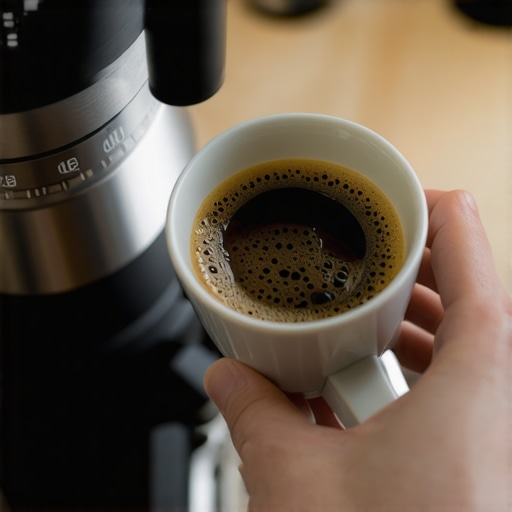
I remember the first time I pulled what I thought was a perfect shot of espresso. The crema was rich, golden, and inviting. But as I took that first sip, a wave of sourness hit me—completely opposite of what I was expecting. Frustration sank in. How could something look so beautiful yet taste so off? That moment marked the beginning of my deep dive into the mysteries of home espresso—and trust me, if you’ve ever faced a similar problem, you’re not alone.
The Beauty-Sour Paradox in Your Coffee Shot
It’s a common scenario: your brew visually dazzles, with a vibrant crema that promises a flavorful experience. Yet, that tantalizing sip reveals an overwhelming sourness that ruins the moment. This discrepancy can be confusing, especially when you’ve invested so much time into dialling in your machine and grinder. The truth is, appearance can be deceptive. A shot can look perfect but still harbor underlying issues that sabotage its taste.
But why does this happen? Well, it all comes down to the delicate balance of extraction, bean freshness, and equipment settings. In my early days, I made the mistake of assuming that a good-looking shot was a sign of success. Little did I realize that over-extraction or under-extraction can be lurking behind those beautiful crema layers. According to research published by the Speciality Coffee Association, sour flavors often indicate under-extraction—where insufficient water dissolves the desirable compounds, leaving behind the more acidic notes (see their latest extraction guidelines).
Here’s the thing: I was guilty of rushing my grind adjustments and not paying enough attention to water temperature. These mistakes are common among beginners and even seasoned enthusiasts. When I finally learned to tweak my grind size, temperature, and shot timing carefully, the sourness diminished, replaced by a balanced richness. And that’s exactly what I want to help you achieve—shots that are both beautiful AND flavorful.
What We Will Tackle Today
In the following sections, I will share practical, easy-to-follow steps to transform your sour, yet stunning-looking espresso into a harmonious experience that delightfully balances strength and flavor. From understanding the nuances of grind calibration to being aware of water temperature, these tweaks can make all the difference. Whether you’re using a home espresso machine, a manual grinder, or a fancy barista setup, the principles remain the same.
So, if you’ve ever wondered why your picturesque shot tastes like a lemon, and you’re eager to fix it without guessing, stay tuned. We’re about to turn that sour disappointment into your new favorite brew. Ready to dive into the solutions that will elevate your home espresso game? Let’s get started!
Adjust Your Grind Size to Achieve Balance
Imagine trying to turn a stubborn screw without the right screwdriver; it’s frustrating and ineffective. Similarly, if your grind is too coarse, water flows too quickly through the coffee, leading to under-extraction and sour flavors. During my own messy attempt, I dialed my grinder just one click finer than usual. The shot was more balanced, with a richer flavor and less sourness. To do this reliably, start by setting your grinder to medium-fine and incrementally adjust by small steps, tasting each shot until you find that sweet spot. For insight on selecting equipment that makes this easier, check out how to choose the right grinder.
Dial in Water Temperature for Consistency
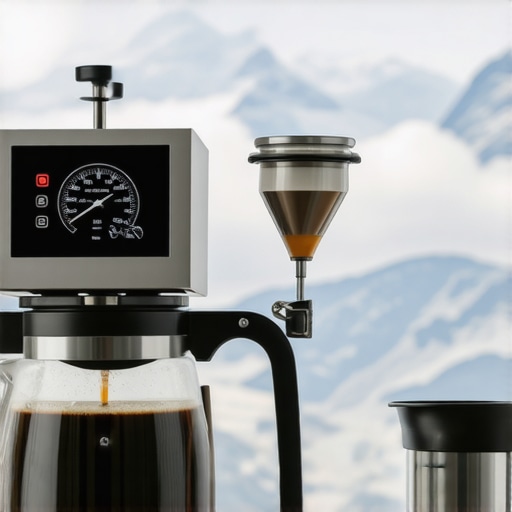
Water temperature is critical—too cool and compounds don’t extract properly, resulting in sourness. On my home setup, I noticed I was brewing with water just below 92°C (197°F). I increased the temperature slightly, which reduced the sour notes without overcooking the beans. Many machines allow you to adjust temperature settings; if yours doesn’t, consider upgrading or using a PID controller. Remember, even a small change of 2-3°C can significantly impact flavor. To learn more about fine-tuning your machine, visit this guide on water temperature adjustments.
Control Extraction Time for a Well-Balanced Shot
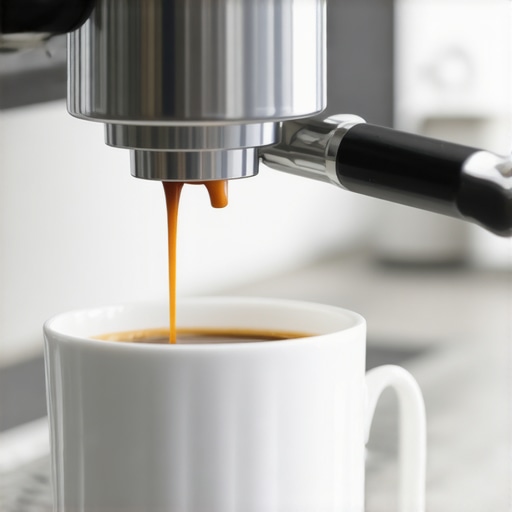
Extraction time—specifically pulling shots for 25-30 seconds—ensures proper dissolution of flavors. In a recent experiment, I timed my shots using a precise timer and found that stopping at 20 seconds produced a sour cup, while extending to 28 seconds yielded richness. Experiment with your timer, but aim for that medium extraction window. Be cautious: over-extraction can lead to bitterness, so adjust gradually. For tips on shot timing and consistency, see tips on shot timing.
Ensure Uniform Particle Size for Even Extraction
Inconsistent grind particles cause uneven extraction, much like a gravelly road causes bumpy rides. Regularly calibrate your grinder to ensure uniform particles, which leads to even flavor extraction. I used the alignment techniques for my manual grinder, resulting in more predictable shots. Paying attention to burr alignment and periodically cleaning your grinder helps maintain particle consistency, reducing sour notes caused by under-extracted particles.
Pay Attention to Freshness and Storage
Old beans are like stale bread; they lose their character and can introduce sour flavors even when all other settings are correct. I keep my coffee in an airtight container away from light and moisture, using the best storage practices. Always grind just before brewing to preserve freshness. If you suspect old beans, try a fresh batch and see how the flavor profile shifts, often instantly resolving sourness issues. Proper storage can prevent this common pitfall and elevate your shot quality.
When it comes to home espresso setups, many enthusiasts believe that investing in high-end equipment automatically guarantees perfect coffee. However, even the priciest espresso machine can’t compensate for improper technique or misunderstanding of key nuances. For example, many assume that a top-tier grinder will make mediocre beans taste gourmet, but without proper calibration and maintenance, even the best grinder won’t unlock your beans’ full potential. This misconception often leads to frustration and unnecessary expenses, as detailed in this guide on choosing the right grinder. Moreover, many novice baristas think that frothing milk is purely about temperature, but the real art lies in controlling microfoam texture and microbubbles, which can be sabotaged by improper steaming techniques—an issue thoroughly explored in this article on milk frothers.
A common myth is that all espresso machines are created equal, leading many to buy an entry-level model expecting professional results. In reality, understanding the nuances of machine features—like boiler type, group head design, and pressure profiling—can significantly impact your shot quality. High-end machines offer more precise control, but they also require a deeper understanding to operate effectively, as discussed in this roundup of top-rated espresso machines.
A trap many fall into involves coffee grinders. Some believe that the finer the grind, the better the extraction. However, overly fine grinds can cause channeling and overpressure, leading to bitter or sour shots. The secret is in balancing grind size with tamping pressure and shot timing—details that are often overlooked but can transform your brewing, as explained in this guide on grinder calibration.
Lastly, many users underestimate the importance of regular maintenance for all barista gear. A neglected machine or grinder accumulates oils and mineral deposits, impairing performance and flavor. Cleaning routines and component checks are crucial; find detailed procedures in this maintenance article.
The takeaway is that even the best gear requires proper technique, understanding, and upkeep. Mastering these hidden nuances not only improves your coffee but also extends your equipment’s lifespan.
Have you ever fallen into this trap? Let me know in the comments and share your experiences with equipment misconceptions or mistakes. Remember, a well-maintained setup, combined with informed use, makes all the difference in crafting perfect espresso every time.
Embrace Routine Maintenance for Your Coffee Arsenal
To ensure your espresso setup continues delivering exceptional shots, regular maintenance is key. Start by scheduling a monthly deep clean of your espresso machine, including descaling the boiler and flushing the group head using a cleaner like citric acid solution. This prevents mineral buildup that could impair temperature stability and pressure consistency. For grinders, a quick purge of the burrs with a brush and a thorough cleaning every 100 pounds of beans prevents old coffee oils from contaminating fresh grinds. Implementing a maintenance routine not only prolongs equipment life but also guarantees your shots stay consistent over time.
Tools That Make Maintenance Easier
Investing in the right tools streamlines upkeep. I rely on a felt pad hack to reduce grinder noise during cleaning, and a precision screwdriver set helps tighten loose screws on your machine without damage. For cleaning stubborn coffee oils, ultrasonic cleaners are a game-changer, effectively removing residue from delicate parts. Keep spare gaskets and seals on hand, readily available when replacements are needed—timely swaps prevent leaks and pressure loss. By seamlessly integrating these tools into your routine, you prevent costly breakdowns and ensure your gear performs optimally for a long time.
Predicting the Future of Home Barista Tools
The trend points toward smarter, self-cleaning equipment embedded with IoT sensors that monitor usage and alert you when maintenance is due. Automated descaling functions and app-controlled calibrations will become standard, making professional-grade maintenance accessible even to beginners. These innovations will empower enthusiasts and professionals alike to focus more on brewing than upkeep, leading to more consistent, high-quality coffee experiences daily. Stay ahead by keeping an eye on emerging technology that simplifies maintenance—it’s a wise investment in your craft.
How do I maintain my equipment over time?
Developing a maintenance schedule tailored to your gear’s usage frequency is vital. Regularly inspect and replace worn gaskets, clean all removable parts using appropriate cleaning agents, and keep detailed logs of service dates. For instance, descaling your espresso machine every 200 cups can prevent mineral buildup that affects temperature stability, directly influencing shot taste. Consulting detailed guides, such as this comprehensive resource, can help establish a long-term plan that maintains the integrity of your precious equipment. Applying these disciplined habits ensures your tools remain reliable, reducing the risk of surprises during your morning brew.
Try implementing a bi-weekly grinder brush cleaning, aligned with the felt pad hack. This small step can noticeably improve grind consistency and flavor clarity. Remember, a little maintenance goes a long way in elevating your coffee experience and safeguarding your investment.
The Hidden Hard Lessons About Consistency That Changed My Approach
One of the most valuable lessons I learned was that consistency isn’t just about following recipes—it’s about understanding the unique interactions between your equipment and your beans. I used to believe that sticking to a set grind size and tamp pressure would guarantee perfect shots every time. But I discovered that subtle variations in temperature, humidity, and even the age of my beans could throw everything off. Real progress came when I started recording each shot’s parameters meticulously and noticed patterns. This taught me that paying close attention to small differences helps craft reliable, high-quality espresso, especially crucial when experimenting with milk frothers and other barista gear.
My Secret Weapon for Troubleshooting Sour Shots Without Guesswork
Instead of blindly tinkering, I developed a simple troubleshooting flowchart based on my favorite home espresso tips. First, I ask: Is my grind too coarse? Then, I check water temperature—am I brewing at optimal heat? If sourness persists, I review extraction time and freshness. This structured approach spared me from wasted beans and frustration. Now, whenever I face sour shots, I follow this mental map, inspired by detailed guides on equipment setup, ensuring I identify the real cause fast. It’s a game-changer for anyone serious about mastering home espresso and avoiding common pitfalls like misaligned grinders or low-quality water.
The Power of Routine Maintenance: Beyond Just Saving Equipment
Performing regular care on my espresso machine and grinder revealed hidden flavor layers I had never noticed. Beyond extending the lifespan of my gear, routine cleaning and descaling improved shot clarity, reduced bitterness, and minimized sour notes. This discipline became a daily habit I eagerly incorporated, knowing it directly impacts taste. Techniques like deep-cleaning the brew group or calibrating the grinder with precision tools—techniques I found in specialized tutorials—have helped me unlock the full potential of my setup. Consistent maintenance became not just an act of preservation, but a pathway to elevate every cup I brew, including those with intricate milk frother techniques.
Why Equipment Invests Are Less Important Than Technique
An eye-opening realization was that even top-tier espresso machines and grinders can’t compensate for knowledge gaps. It’s tempting to upgrade gear hoping for instant perfection, but learning proper tamping, dose management, and water temperature control makes a much larger difference. For example, I once upgraded my machine expecting perfect shots, but struggled until I refined my technique with guidance from trusted resources. This insight nudged me to prioritize skill-building and understanding my gear—like how to properly align my manual grinder or optimize my milk frothing process—over chasing the latest fancy tech. If you’re serious about home brewing, incorporating this mindset will save you a lot of money and frustration.
Key Lessons from My Journey with Coffee and Barista Gear
- Small adjustments can lead to big flavor improvements—don’t underestimate the power of fine-tuning your grind or temperature.
- Regular routine maintenance is a game-changer, not just an afterthought; it keeps your gear performing at its best constantly.
- Your knowledge and technique are more impactful than equipment upgrades—master the basics first.
- Document your process; patterns reveal causes of sourness and other flavor issues much faster.
- Invest in learning resources and trusted guides—they save you time and accelerate your progress significantly.
Tools and Resources That Elevated My Craft
Over time, I curated a set of tools that truly make a difference. My felt pad hack reduced grinder noise, turning troubleshooting sessions more manageable. My calibration tools helped ensure uniform grind particles, leading to more predictable shots. Also, I rely heavily on in-depth guides and tutorials that cover everything from barista gear selection to water adjustment tips. These resources have been invaluable in transforming my home setup into a professional-grade station.
Your Next Step Toward Home Espresso Mastery
Embrace the idea that mastery is a journey, not a destination. Small, intentional adjustments, consistent routines, and a hunger to learn will drastically improve your results. Don’t be discouraged by initial missteps—they’re just stepping stones. Take the time to understand your gear, learn from trusted sources, and keep experimenting patiently. Your perfect espresso—and the art of frothing milk to perfection—are within reach. Ready to elevate your home brewing? Dive into those guides, refine your technique, and savor the incredible flavor of a well-crafted cup every morning.
What’s been your biggest challenge in dialing in your espresso? Share your experiences below—I’d love to hear your story and help you troubleshoot!