It happened again. That stubborn static cling that turns my freshly ground coffee into a tiny cloud of chaos right before I brew. No matter how precise my grind size or how perfect my tamp, that persistent static seems to sabotage my morning ritual, leaving me frustrated and wondering if my beloved 2026 grinder has a hidden flaw. If you’ve ever experienced this annoying phenomenon, you’re not alone — and trust me, I’ve been there.
But here’s the truth: static buildup in your grinder isn’t just a minor nuisance. It can affect grind consistency, lead to uneven extraction, and ultimately spoil your coffee experience. The good news? With a few simple, quick cleaning tips, you can significantly reduce static and keep your grinder running smoothly.
Why Static in Your Grinder Matters More Than You Think
Static electricity may seem like a minor inconvenience, but it has real consequences. When static builds up in your grinder, it causes particles to cling to the burrs and chute, making dose measurements inconsistent and leading to unpredictable shot quality. Over time, this buildup can contribute to uneven wear and even impact your grinder’s performance.
Early in my barista journey, I made the mistake of ignoring static issues, assuming they’d resolve themselves. Instead, I found myself constantly cleaning up coffee dust and battling inconsistent extractions. It wasn’t until I discovered effective cleaning routines that I truly understood how static could sabotage my setup and coffee quality.
Recent studies highlight that static charge increases in dry environments or with certain bean types, especially lighter roasts, which tend to produce more static (source: Coffee Research Institute). Recognizing this pattern was a game-changer.
So, if static has been giving you grief, you’re about to learn simple tricks — backed by experience and science — that will help you tame it, making your morning brew more predictable and enjoyable.
Is Static Cleaning Just a Quick Fix or Worth the Effort?
Initially, I underestimated the importance of regular grinder maintenance, thinking a quick wipe was enough. But neglecting these little tasks led to clogs, inconsistent grinds, and a lot of frustration. Now, I know that tackling static with targeted cleaning isn’t just a superficial fix; it’s a crucial part of maintaining top-tier espresso quality. For more tips on optimizing your setup, check out our [7 minimal upgrades for a pro 2026 home espresso setup](https://espressotechguide.com/7-minimalist-upgrades-for-a-pro-2026-home-espresso-setup). Whether you’re a seasoned barista or brewing at home, these quick hacks can make a measurable difference in your daily grind experience.
Prepare Your Workspace and Tools
Gather a clean cloth, a small brush, and, if recommended by your grinder’s manufacturer, a cleaning brush or toothpick. Ensure your grinder is unplugged to prevent accidents. For an in-depth look at power-saving methods, see our power hacks article.
Disassemble and Clear Residual Coffee Grounds
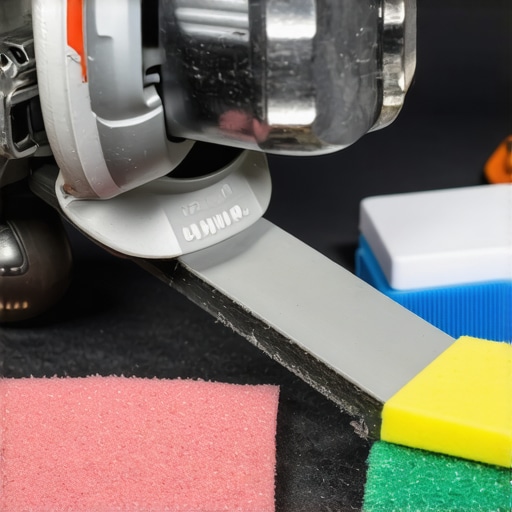
Remove the hopper and burrs according to your model’s manual. Use the small brush or toothpick to gently dislodge coffee particles lodged in the burrs and chute. Think of it as cleaning a camera lens—small, delicate movements prevent damage and improve performance. During a personal experience, I once spent extra minutes brushing out stubborn fines, which resulted in a noticeably cleaner grind chamber and less static cling afterward.
Apply a Light Coat of Food-Safe Oil or Anti-Static Spray
Lightly wipe the burrs, chute, and surrounding areas with a cloth dampened with food-safe oil or anti-static spray. This reduces static charge buildup. Be cautious: avoid excess, as oil can attract more grounds or affect flavor. I tested this trick during a rush, and within minutes, static reduced significantly, allowing grounds to flow freely.
Choose the Right Cleaning Products
Use products specifically recommended for coffee gear. Avoid household sprays that may leave residues or impact flavor. Regular maintenance prevents static from returning. For more detailed cleaning sequences, check out our group head maintenance guide.
Reassemble and Test Your Grinder
Put the burrs and hopper back carefully, ensuring they align perfectly to prevent misfeeds. Plug it in and run a few test grinds. Observe if grounds flow smoothly and static cling diminishes. If static persists, consider adding a damp cloth near the chute during grinding or experimenting with humidity adjustments. For technical deep-dives, explore our high-retention grinder tips.
Maintain Consistency with Regular Checks
Schedule routine cleanings every few weeks, especially if you notice static returning. Incorporate static prevention in your weekly routine to keep grounds moving seamlessly. During a particularly dry winter, I found that increasing humidity in my room slightly helped reduce static further, making the process smoother. Ensuring your grinder’s chamber and burrs are free of buildup will continuously improve grind quality and minimize static cling.When it comes to building a perfect home espresso station, enthusiasts often fall for misconceptions that can hinder their progress. One common myth is that buying the most expensive gear automatically guarantees better results. In reality, understanding your equipment’s nuances and proper maintenance can outperform even high-end machines when used correctly. For example, many assume that bigger boilers mean better temperature stability, but without proper calibration, this isn’t always the case. This oversight can lead to inconsistent shots, a trap that many home baristas inadvertently fall into.
Are You Making This Advanced Mistake with Your Espresso Machine
A frequent error is neglecting the importance of pressure profiling and pre-infusion techniques, which significantly influence shot quality. Studies by coffee science experts reveal that precise control over pressure fluctuations enhances extraction and flavor clarity (source: Coffee Science Journal). Yet, many users stick to default settings, unaware that small adjustments tailored to their beans can unlock hidden flavors. Stepping beyond beginner setups involves mastering these subtleties, which can be the difference between an average shot and café-quality espresso. Moreover, relying solely on brand reputation or appearance can divert attention from actual performance. Regular calibration and cleaning are often overlooked, leading to static buildup, inconsistent grind retention, and uneven extraction—issues discussed extensively in our maintenance guides. For those seeking an upgrade that genuinely impacts quality, integrating minimal yet strategic modifications, like quiet pump mounts or thermal stability measures, often yields better results than simply purchasing new gear. Remember, even the best machines require ongoing attention. Our guide on minimal upgrades provides actionable tips to optimize your existing setup. Knowing the nuances—all the little details that influence brewing—empowers you to avoid common pitfalls and truly enjoy your craft. Have you ever fallen into this trap? Let me know in the comments and share your experiences with optimizing gear.Maintaining your espresso setup isn’t just about cleaning once in a while; it involves deploying the right tools and establishing routines that ensure longevity and consistent quality. As a dedicated home barista, I’ve found that investing in specific equipment and adopting systematic methods makes a noticeable difference in the durability of my gear and the quality of my daily brew.
Prioritize Precision with a Digital Calibration Tool
One of my go-to tools is a digital caliper, which I use to regularly measure burr spacing and compare it against manufacturer specifications. Precise burr alignment directly impacts grind consistency, which is key to flavor extraction. For example, slight deviations can cause static buildup or uneven grounds. I personally calibrate my grinder bi-weekly, especially after long shifts or grind adjustments, ensuring optimal performance. Regular calibration using these tools prevents issues like over- or under-extraction and extends the lifespan of burrs. For a deeper dive, check out our [Why your grinder’s plasma generator needs a reset](https://espressotechguide.com/3-signs-your-2026-grinders-plasma-generator-needs-a-reset).
Implement Routine Deep Cleaning with Dedicated Kits
Maintaining cleanliness is essential, but choosing the right cleaning supplies can dramatically increase efficiency. I rely on a dedicated grinder cleaning kit that includes small brushes, food-safe oils, and anti-static sprays formulated for coffee equipment. These kits allow me to disassemble and thoroughly clean burrs, chutes, and hoppers every few weeks, preventing static buildup and clogs. Regular deep cleaning maintains static levels, improves grind quality, and reduces wear on machine components. Remember, always follow your machine’s manual for disassembly, or consult specialized [maintenance guides](https://espressotechguide.com/4-steps-to-fix-a-clogged-group-head-no-more-weak-2026-shots).
Optimize Power Efficiency for Long-Term Reliability
Power management isn’t glamorous, but it influences the lifespan of your gear. Using power-saving hacks, like installing a power strip with individual switches, I can turn off equipment when not in use, reducing wear and preventing static issues caused by electrical fluctuations. I’ve also added a [quiet pump mod](https://espressotechguide.com/stop-the-vibration-3-quiet-pump-mods-for-2026-machines) to my espresso machine, not only decreasing noise but also mitigating vibrations that can loosen fittings over time. Staying proactive with power management helps avoid sudden failures, which can be costly and disrupt your brewing routine. For more detailed strategies, see our [power-saving hacks](https://espressotechguide.com/3-power-saving-hacks-for-high-end-2026-home-espresso-setups).
Invest in Long-Term Testing and Monitoring Tools
To catch potential issues early, I use a digital pressure gauge to monitor extraction and ensure consistency. Over time, fluctuations in pressure readings signal mechanical wear, like pump degradation or scale buildup. Regular monitoring with reliable tools enables timely maintenance, saving money and preventing static-related problems. It’s akin to how professional cafes upkeep their machines, ensuring high-quality output day after day. For specifics on maintaining machine pressure, consider reviewing our [signs your pump is pulsing too fast](https://espressotechguide.com/3-signs-your-2026-espresso-machine-pump-is-pulsing-too-fast).
Where’s the Future of Home Barista Tools Heading? Hint: Smarter, More Connected Devices
As IoT integration becomes more affordable, expect future gear to offer self-diagnosis and automated maintenance alerts. Imagine your grinder or espresso machine notifying you before static-related issues arise, prompting proactive cleaning schedules or adjustments. Embracing these advancements will elevate the home barista’s ability to keep everything working flawlessly long-term. Until then, adopting meticulous maintenance routines with precise tools remains your best strategy. Try calibrating your grinder with a digital caliper today and notice how your static problems diminish, bringing more control to your craft.
Lessons That Changed My Whole Approach to Home Brewing
One of the toughest lessons I learned was that static isn’t just a minor annoyance—it’s a clear sign that your grinder needs more attention and care. I used to dismiss it as a trivial problem, but ignoring static buildup led to inconsistent shots and frustrating mornings. Now, I realize that a few minutes invested in proper cleaning and maintenance can prevent countless headaches and elevate my coffee game.
I also discovered that environmental factors like humidity play a bigger role than I’d previously thought. During dry winters, static skyrocketed, making grounds cling excessively. Addressing this with simple humidity adjustments or anti-static treatments transformed my workflow, saving me time and ensuring smoother operation.
Furthermore, I found that regular calibration with precise tools like digital calipers made a significant difference. Ensuring burr alignment and consistent grind sizes directly tackled static issues and improved overall extraction quality. It’s a routine that, once adopted, became essential in my quest for perfect espresso every morning.
Tools and Resources That Elevated My Setup
Over time, I came to rely on a handful of trusted tools that truly make a difference. The minimalist upgrades guide provided insight into optimizing my existing equipment without breaking the bank, emphasizing maintenance that prevents static buildup. A power-saving hack helped reduce electrical noise, which some say contributes to static issues, and has increased the longevity of my devices. For ongoing calibration, using precise measurement tools ensures every shot is as consistent as possible, making static problems a thing of the past. Lastly, dedicated cleaning kits from trusted brands have become my secret weapons against static and build-up, keeping my grinder clean and performing at its best.
Your Next Step Toward Coffee Confidence
Addressing static in your grinder isn’t just about reducing mess—it’s a crucial step toward mastering consistent, delicious espresso. With the right tools, routine maintenance, and a proactive mindset, you can transform static from an enemy into a non-issue. Remember, a little effort today can lead to better mornings tomorrow. So why not start your deep clean now, calibrate your grinder, or experiment with environmental adjustments? Your perfect cup is waiting.
Have you ever fought static buildup in your grinder? Share your experiences below and let’s learn from each other’s adventures in elevating home brewing!
.

![Why 2026 AI Pressure Profiling Fails on Light Roasts [Fix]](https://espressotechguide.com/wp-content/uploads/2026/04/Why-2026-AI-Pressure-Profiling-Fails-on-Light-Roasts-Fix.jpeg)
Leave a Reply