How to Clean Your Portafilter Handle Without Damaging the Wood
Imagine this: after perfecting your morning espresso, you reach for your portafilter handle, only to notice the wood finish has grimy coffee spots lingering stubbornly. You hesitate, fearing that aggressive scrubbing might damage that beautiful wooden grip. I’ve been there—frustrated, hesitant, wondering if I was risking my favorite barista gear. That moment of doubt pushed me to find gentle yet effective cleaning methods that protect the wood while keeping it sparkling clean.
Why Protecting Your Portafilter Handle’s Wooden Finish Matters
First off, your portafilter handle isn’t just a pretty face; it’s a crucial part of your espresso routine. The wood offers a comfortable grip and adds a touch of elegance to your setup, but it’s also susceptible to damage from harsh cleaners and abrasive scrubbing. Water and strong chemicals can cause the finish to deteriorate, leading to cracking, fading, or even mold growth if not cleaned properly. According to the Specialty Coffee Association, proper care of your brewing gear not only maintains aesthetics but extends equipment longevity and safety.
Is Gentle Cleaning Really Effective?
Absolutely. Early on, I made the mistake of using harsh chemical cleaners, thinking they would make my handle spotless in seconds. Instead, I ended up with a dull, scratched surface that looked worse than before. The key is choosing mild cleaning agents and soft tools, combined with techniques that respect the wood’s integrity. In the next sections, I’ll share the proven methods and tips I’ve collected over years of home barista experimentation. If you’re eager to keep your gear pristine without risking damage, you’re in the right place. And if you’ve faced similar frustrations, I totally get it—often, simple solutions make all the difference.
Choose the Right Cleaning Solution
Start with mild dish soap mixed with warm water. Avoid harsh chemicals like bleach or aggressive cleaners that can strip the wood finish. I once used a strong degreaser on my handle, which resulted in a dull surface and peeling finish. Using a gentle solution preserves the wood’s beauty and longevity. Remember, less is more.
Gather Soft Tools and Materials
Use a soft microfiber cloth or sponge, a soft-bristled toothbrush, and a toothpick or cotton swab for crevices. These tools simulate gentle touch, akin to polishing a piece of fine furniture. I learned this during a messy clean-up where a toothbrush effortlessly dislodged coffee grounds from intricate grain details without scratching the wood.
Implement a Step-by-Step Cleaning Routine
Remove Loose Residue
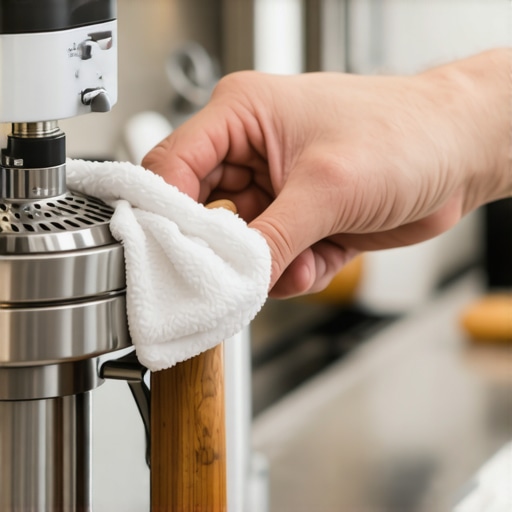
Dampen your microfiber cloth with the prepared cleaning solution and gently wipe the handle’s surface. Avoid soaking the wood—excess water can cause swelling or damage. During my first attempt, I oversaturated the cloth and let water seep into the grain, leading to swelling. Now, I use minimal moisture for control.
Address Stubborn Spots
Apply a tiny amount of the cleaner to your toothbrush for stubborn coffee spots or grime. Lightly scrub in the direction of the wood grain. I once scrubbed aggressively, which left visible scratches. Gentle, circular motions work best and prevent damage.
Detail Nooks and Crevices
Use a toothpick or cotton swab dipped in the cleaning solution to carefully remove residue from tight areas. This precision prevents buildup and keeps the handle looking pristine. I found this method saves time and maintains the wood’s luster.
Rinse and Dry Properly
Dampen a clean microfiber cloth with plain water and gently wipe the handle to remove any soap residue. Then, thoroughly dry with a soft towel, gently patting rather than rubbing. Leaving moisture can cause warping or mold growth, as I learned after neglecting proper drying.
Apply a Protective Finish
Once dry, consider applying a thin layer of food-safe mineral oil or beeswax to nourish and protect the wood. This step restores the handle’s shine and extends its lifespan. I do this monthly, which keeps my handle smooth to touch and looking brand new.
Regular Maintenance Keeps It Fresh
Incorporate quick daily wipes after use and weekly deep cleaning to prevent buildup. Regular upkeep is like polishing your face—keeps it looking good and feeling great every time you pick up your espresso. I noticed that consistency with cleaning prevents stubborn stains from setting in, saving me from tougher scrubbing later.
By following these straightforward, gentle methods, you protect your handle’s beautiful wood finish while maintaining optimal grip and aesthetic appeal. Remember, patience and mild solutions go a long way in preserving your beloved barista gear, making each espresso experience even more satisfying.
Are Your Assumptions about Espresso Machines Truly Beneficial?
Many home baristas believe that simply buying the most expensive espresso machine guarantees perfect shots. However, according to industry experts, proper technique and understanding your machine’s quirks matter far more than price tags. For example, dialling in your grinder correctly is often overlooked, yet it is crucial for consistent extraction. Check out this guide for mastering home espresso basics and avoiding beginner mistakes.
The Mistake of Over-trusting Grinder Settings
It’s a common misconception that using the finest grind always results in better espresso. In reality, grinding too fine can cause over-extraction and bitter flavors, especially if your machine isn’t calibrated for it. Many enthusiasts neglect to regularly clean the burrs, leading to uneven grounds and inconsistent shots. Regular maintenance, like removing buried coffee oils, can dramatically improve performance. For detailed tips, see this article.
The Hidden Danger of Overfilling Milk Frothers
While it might seem harmless to fill your milk frother to the brim for larger amounts, this can lead to inconsistent microfoam and even damage your equipment. Overloading creates pressure issues and prevents proper aeration, which is essential for velvety milk textures. For advanced frothing techniques, including temperature control, explore this resource.
What about Home Espresso Machines That Take Forever to Heat?
Many users assume that a longer warm-up time signifies a higher-quality machine. Yet, with modern rapid-heating boiler technology, some top-rated machines heat up in under five minutes, saving time without sacrificing performance. Paying attention to the boiler type and setup can eliminate unnecessary wait times. For insights on selecting quick-start equipment, visit this comparison.
Choosing Barista Gear Without Knowing Its Hidden Flaws
It’s tempting to buy shiny, high-end gear without understanding its compatibility or maintenance needs. For instance, certain tampers are designed for specific portafilter sizes, and mismatched gear can lead to uneven tamping and poor extraction. Always verify specs before purchasing. Learn more about selecting the right gear at this page.
Advanced Tips for Perfect Extraction: What’s the Small Print?
Many believe that achieving perfect espresso is just about the grind size and tamp pressure. However, nuances like puck distribution, pre-infusion, and water temperature play subtle yet critical roles. Misjudging these factors can sabotage even expert setups. For in-depth technical insights, I recommend this guide.
Remember, understanding the hidden nuances and debunking common myths can elevate your home espresso game from mediocre to barista-worthy. Have you ever fallen into this trap? Let me know in the comments, and keep experimenting for the perfect cup.
Achieving Long-Term Reliability with the Right Tools
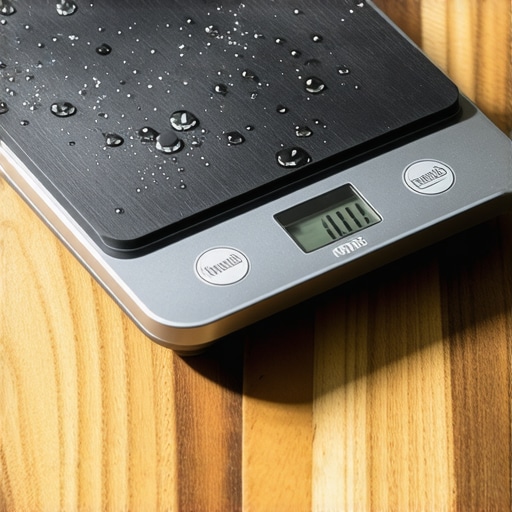
Maintaining your espresso setup isn’t just about cleaning after each use; it involves investing in precise tools that ensure longevity and consistent performance over time. One must-have in my toolkit is an accurate digital espresso scale, like the specific surface designed for scales. It guarantees precise measurements for dosing and tamping, which are critical for reproducible shots. I personally prefer scales with a built-in timer to track extraction times, as consistency begins with measurement accuracy.
For grinder maintenance, I rely on a dedicated brush and a blower to remove fine coffee residues from burr carriers. Regularly cleaning out burred oils not only sustains grind consistency but prevents clogs and motor strain. For deep cleaning, I use a specialized grinder brush that reaches into the tightest spots without dismantling the entire unit. This saves me hours of disassembly and keeps my grinder functioning flawlessly.
Maintaining the boiler and water components is equally vital. I invest in high-quality descaling solutions recommended by manufacturers but always follow up with thorough rinsing. For stubborn mineral buildup, I’ve found using a simple 10-minute descaling routine can prevent long-term damage. Preventive maintenance extends the lifespan of complex parts like pumps and heat exchangers, ensuring reliable operation and better tasting espresso over years.
How do I keep my gear running for years without hassle?
Developing a disciplined routine is key. I assign a weekly deep-clean schedule for my machine’s group head, steam wand, and drip tray. Using tools dedicated to each task, like specialized cleaning tools, makes maintenance smooth. Additionally, I keep spare parts like seals and gaskets in stock to replace worn components preemptively. Regularly inspecting hoses and connections prevents leaks and equipment failures that can disrupt your routine.
Looking ahead, machine manufacturers are increasingly integrating smart sensors and self-cleaning features. I believe the trend toward automation and IoT-enabled maintenance will continue, simplifying upkeep for the everyday enthusiast and professional alike.
Mastering regular upkeep around your coffee setup
How do I maintain my espresso equipment over time? By establishing a sound routine that emphasizes preventative care, I reduce downtime and costly repairs. Using the right tools—like precision scales, specialized brushes, and quality descaling agents—has been transformational in my journey. For detailed guidance, check out this cornerstone article. As a practical challenge, I recommend trying the deep-cleaning routine for your grinder this week—you’ll notice immediate improvements in flavor stability and equipment responsiveness.
Lessons the Coffee World Doesn’t Highlight
One of the most eye-opening lessons I’ve learned is that protecting the wood finish of portafilter handles isn’t just about aesthetics—it’s about ensuring consistent grip and long-term durability. I once believed scrubbing with harsh cleaners was necessary until I realized gentle methods preserved both beauty and function. Another revelation was understanding that seemingly minor maintenance tasks, like regularly cleaning grinder burrs or applying mineral oil to wooden parts, have profound impacts on espresso quality over time. These subtle insights transformed my routine from reactive fixes to proactive care, preventing costly repairs and flavor inconsistencies. Lastly, the importance of investing in quality tools, such as accurate scales and soft-bristled brushes, can’t be overstated—they are the silent heroes of a reliable home espresso setup, often overlooked but vital for achieving professional results.