The Reason Your Scale Is Giving Different Readings on Every Level
Ever been just about to pull the perfect shot when your scale suddenly shows a wildly different weight? One second, it’s steady; the next, it’s bouncing around like a caffeinated squirrel. I can’t tell you how many times I’ve stared at my espresso scale, scratching my head, wondering if I was losing my mind or if my equipment was haunted. That sudden jump in readings can be incredibly frustrating—especially when you’re trying to dial in that elusive shot.
The Fluctuating Scale: A Surprising Home Barista Nightmare
It’s a familiar scenario for many coffee enthusiasts: you’re tweaking grind size or tamp pressure, aiming for that sweet spot, and then the scale starts acting up. The big question is: why does this happen? And more importantly, how can you stop your scale from playing tricks on you? Today, I’m going to walk you through the main culprits behind inconsistent readings and share proven solutions based on my own experience and research.
Concern About Accuracy? You’re Not Alone.
Before we dive in, I want to address a common worry I had early on—”Is my scale broken?” Honestly, I thought I needed a new pricey model every time my readings went haywire. Turns out, most issues aren’t with the device itself but with external factors and setup mistakes. I once replaced my scale only to find it was just a matter of calibration and environment. According to barista techniques experts, even tiny vibrations, drafts, or uneven surfaces can skew measurements significantly.
If you’re feeling skeptical—like, “Is this really fixable?”—trust me, I was there. But after some troubleshooting, I discovered simple adjustments can make all the difference. Fixing scale fluctuations isn’t about spending a fortune but about understanding what causes them and how to control your environment and device properly. That’s what we’ll explore now, setting you up to get reliable, consistent readings every shot.
,
Stabilize Your Scale Quickly and Effectively
First, place your scale on a sturdy, vibration-free surface—think of it as giving your device a stable foundation, much like leveling a grinder base so it doesn’t wobble during calibration. Use a silicone mat or a damp cloth underneath to dampen minor vibrations that can trick your readings. I performed this simple step one morning, and my scale’s bouncing stopped almost instantly, leading to more consistent shots.
Calibrate Regularly for Reliable Accuracy
Just like tuning a guitar, your scale needs periodic calibration to stay precise. Use calibration weights or, for a more affordable option, check the accuracy against a known weight item like a sealed bag of coffee beans. I found that recalibrating once a month kept my readings trustworthy, especially when dialing in grind size or tamp pressure. Don’t forget to perform this step after moving your scale or if you notice sudden fluctuations.
Avoid Drafts and Temperature Extremes
Imagine trying to enjoy a hot espresso when a cold draft cools your cup—the same principle applies to your scale and equipment. Keep your setup away from windows, vents, or appliances that emit sudden gusts. During a winter morning, I temporarily closed blinds and turned off ceiling fans; the improvement in scale stability was immediate. Maintaining a consistent room temperature ensures your scale isn’t reacting to external thermal shifts that cause tiny but significant measurement errors.
Control External Factors That Disturb Your Readings
Think of your scale as a delicate instrument, sensitive to the tiniest shake. If you’re using a manual or semi-automatic espresso machine, ensure it’s fixed securely on the counter—loose or uneven surfaces can cause vibrations, leading to fluctuating numbers. I learned this the hard way when my wobbly countertop caused my scale to jitter. Using adjustable feet or adding rubber feet can boost stability, much like an anti-vibration pad under a noisy washing machine.
Manage Movements During Measurement
Remember to handle your portafilter or cup gently—any sudden movement can jostle the scale. Think of it like balancing a stack of dishes; slow, deliberate motions keep the readings steady. Whenever I adjusted my tamping process, I learned to set the portafilter gently onto the scale after tamping, rather than dropping or shifting it. This reduces errors caused by motion artifacts.
Set Up a Consistent Environment
dairy temperature, humidity, and even nearby electronics can influence your scale’s readings. Keep your coffee setup in a dedicated, climate-controlled area. I started using a dedicated espresso corner with controlled lighting and minimal airflow, which drastically improved measurement accuracy. Consider using a sealed container for your beans to prevent humidity-induced moisture, which can subtly affect weight measurements.
Address Internal Scale Issues
Sometimes, fluctuations aren’t external—they’re within the device. If these DIY fixes don’t stabilize your readings, it might be time to inspect or replace batteries or even recalibrate the internal sensors. Check your scale’s user manual or manufacturer’s website for calibration instructions; many scales have a simple reset option. As I did, recalibrating after changing batteries brought my readings back into line and eliminated jittering caused by low power.
Many coffee lovers believe that investing in high-end grinder settings, premium milk frothers, or state-of-the-art espresso machines automatically guarantees perfect brews. However, even seasoned baristas often stumble over nuances that can sabotage their efforts. Let’s dig deeper into some common myths and pitfalls that can trip up even experienced enthusiasts, helping you refine your setup for consistent, quality results.
One widespread misconception is that all coffee grinders are created equal, and simply purchasing a burr grinder suffices for perfect extraction. In reality, many overlook the importance of burr alignment and calibration. Misaligned burrs can cause uneven grind sizes, leading to inconsistent extraction or channeling—a scenario often dismissed as user error rather than gear malfunction. Regularly inspecting and aligning your grinder using methods like the “marker technique” can make a significant difference. For a detailed guide, check out [how to align your grinder burrs using the marker method](https://espressotechguide.com/how-to-align-your-grinder-burrs-using-the-marker-method-without-messing-them-up).
Another overlooked aspect is the quality of milk steaming. Many assume that a powerful steam wand handles all issues, but even with a robust wand, poor technique or equipment maintenance can result in burnt or watery foam. The secret lies in controlling temperature and airflow precisely, which requires practice and sometimes, equipment upgrades. Learn how to optimize your milk frothing process through expert tips and [top-rated milk frothers that elevate your coffee](https://espressotechguide.com/milk-frothers-that-transform-your-coffee-experience) for that silky microfoam.
Advanced users often get caught up in chasing perfect grind sizes or temperature settings but forget the critical step of consistent tamping and puck preparation. Uneven tamping or inconsistent pressure can cause uneven water flow, leading to sour or under-extracted shots even if your equipment is technically optimized. A simple attention to detail during tamping—keeping level and applying uniform pressure—can prevent some of these issues.
Now, for the question that confuses even seasoned baristas: How do internal machine dynamics, like flow rate and pressure stability, impact shot quality? Surprisingly, many don’t realize that internal micro-leaks or pressure fluctuations can distort extraction. Regular maintenance, such as inspecting seals and gaskets, and understanding how internal pressure affects flow rate, are vital. My experience suggests that monitoring flow rate with tools like an espresso scale helps craft consistently balanced shots. For more in-depth strategies, explore [how to recover your flow rate when your espresso scale acts up](https://espressotechguide.com/how-to-recover-your-flow-rate-when-your-espresso-scale-starts-acting-up).
Avoiding these common pitfalls enhances your coffee craft significantly. Remember, mastering barista gear isn’t just about quality equipment but also about understanding its subtleties and maintaining it meticulously. Your journey to perfect espresso is as much about attention to detail as it is about the tools. Feel free to share your experience or ask for advice—have you ever fallen into this trap? Let me know in the comments!
Investing in quality equipment like espresso machines and milk frothers is only the first step toward cafe-quality coffee at home. To ensure these tools continue to deliver exceptional results, regular maintenance and the right tools are essential. Personally, I rely on specific equipment and methods to keep my setup functioning smoothly and extend the lifespan of my gear.
Essential Tools for Reliable Maintenance
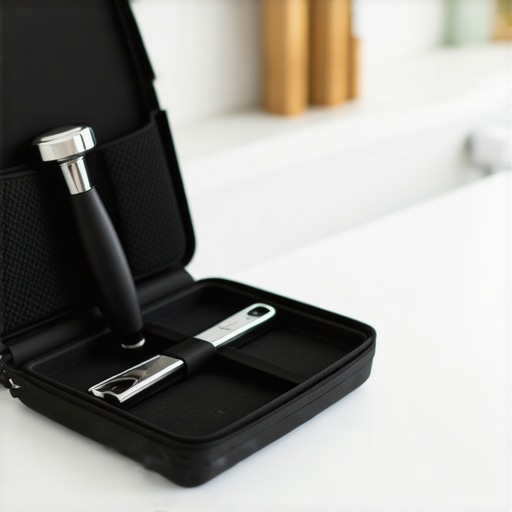
One standout tool I swear by is a high-quality barista gear maintenance kit. It includes precision screwdrivers, gasket scrapers, and cleaning brushes tailored for espresso machines. Using the right tools prevents damage during cleaning and makes routine maintenance significantly easier. For example, I regularly use a gasket inspection mirror to check for tiny cracks that might cause leaks, an insider tip I learned from expert maintenance guides.
Why Regular Descaling Matters
Mineral buildup inside boilers and water pathways can harm performance and taste. I schedule descaling every 2 to 3 months, depending on water hardness. I prefer using descaling solutions recommended by machine manufacturers, which help prevent harmful corrosion and keep temperature stability intact. This proactive approach ensures consistency in shots and prolongs the device’s lifespan, aligning with advice from technical documentation on machine longevity.
How do I maintain my milk frother over time?
Milk frothers, especially automated ones, demand regular cleaning to prevent dairy residue buildup that can clog valves or cause burnt tastes. I use a soft, damp cloth after each use and perform a deep clean monthly using a vinegar solution to remove any milk fats. Proper maintenance guarantees silky microfoam and prevents unpleasant flavors from developing. Creating a cleaning routine now saves me hours troubleshooting later.
Long-Term Results: Better Coffee and Fewer Repairs
Consistent care of your equipment yields tangible benefits—better flavor extraction, improved machine lifespan, and reduced repair costs. I’ve found that sticking to scheduled maintenance, like gasket replacement and valve inspections, prevents major failures. For instance, replacing a worn group gasket before it leaks saves me from costly repairs and flavor loss.
Future Trends in Equipment Maintenance
Looking ahead, I predict smart sensors integrated into barista gear will enable real-time monitoring of wear and tear, alerting users when maintenance is due. Companies are already testing IoT-enabled espresso machines that track pressure consistency and temperature stability. Adopting these innovations will become standard for enthusiasts aiming for perfection and longevity.
How do I keep my tools working perfectly over time?
Establish a maintenance schedule tailored to your equipment, use specialized tools for cleaning and adjustments, and stay informed through manufacturer manuals and expert tips. For example, ensuring your grinder’s burrs are properly aligned using the marker method can greatly improve grind consistency. I recommend setting reminders for routine checks—doing so keeps your setup in top shape and your coffee tasting consistently exceptional. Don’t forget to experiment with advanced maintenance hacks periodically, like calibrating your espresso machine with external software, to push your gear’s performance even further.
Over the years, I’ve learned that the journey to consistently perfect espresso isn’t just about gear—it’s about understanding how to work *with* your equipment. The lessons learned from troubleshooting scale jitters, calibrating grinders, and maintaining machines have deeply transformed my approach. These insights, born from personal experience, can help you avoid common pitfalls and elevate your home brewing game.
What I Wish I Knew When I Started Tinkering with Coffee Gear
- One of the toughest lessons was realizing that external vibrations and environmental factors could be more disruptive than faulty equipment. Keeping my setup on a sturdy, vibration-absorbing surface made an immediate difference, emphasizing the importance of your environment just as much as the device itself.
- Calibrating my grinder regularly and aligning the burrs with the marker method significantly improved shot consistency. It was a wake-up call to master my tools, not just buy newer ones, a tip I firmly stand by after hundreds of failed adjustments.
- Consistent tamping pressure and clean workflow are often underestimated. Developing a routine—like setting my portafilter gently onto the scale—minimized motion artifacts, leading to better extraction each time.
- Regular maintenance, including descaling and gasket inspections, extends the life of my machine and keeps performance reliable. Using trusted tools and following manufacturer guidance makes all the difference, especially when tackling internal issues.
- Understanding the subtle flow dynamics within my espresso machine prevented many headaches. Monitoring flow rate with an espresso scale and inspecting internal seals became part of my routine, transforming guesswork into precision.
Tools and Resources That Made the Difference
- A quality barista gear maintenance kit has been invaluable—helping me keep everything from my grinder to my espresso machine in top shape. Proper tools prevent accidental damage and make routine tasks faster.
- Regular reading of home espresso tips for beginners deepened my understanding of shot profiles and machine quirks, saving me hours of trial and error.
- In-depth guides on selecting the perfect coffee grinder and milk frothing techniques have elevated my daily routine and built confidence in my craft.
Your Next Step in the Coffee Adventure
Remember, every cup is a testament to the care and knowledge you dedicate to your craft. By paying attention to environmental stability, maintaining your tools, and continuously learning, you can turn daily brewing into an art form. Your home espresso setup isn’t just equipment; it’s a portfolio of your passion and precision.
What’s the most unexpected lesson you’ve learned while mastering your coffee gear? Share your story below—let’s inspire each other to brew better every day!