
How to Stop Your Scale from Jumping When the Pump Starts
Ever stepped onto your kitchen scale after firing up your espresso machine, only to see it leap like a kangaroo on a trampoline? That sudden fluctuation can feel like a punch to the stomach—especially when you’re trying to dial in the perfect shot or manage your weight with precision. I’ve been there, and I know how frustrating it is to go from calm to confusion in seconds.
Stop the Scale from Jumping: A Friendly Guide
Dealing with a scale that acts wild every time your pump kicks in isn’t just a minor annoyance; it can throw off your measurements, add stress to your routine, and even impact your brew quality. Today, I want to share how I finally tamed my scale’s antics and how you can do the same. It’s not about purchasing newer, expensive gear—most fixes are surprisingly simple, rooted in understanding what causes these jumps in the first place.
Is Your Scale’s Behavior Actually Worth Worrying About?
If you’re skeptical like I was, thinking, “It’s just a little fluctuation,” I get it. But over time, I realized those tiny movements can lead to inconsistent measurements, affecting everything from coffee precision to weight management. Early on, I made a crucial mistake: I ignored the role of vibrations and placement, assuming my scale was just “faulty.” That oversight cost me lost shots and inaccurate weigh-ins until I discovered how much the environment influences scale performance.
Research shows that external vibrations and unstable surfaces can cause digital scales to give false readings. My first step was addressing vibrations from my espresso pump, which was a major culprit in the scale’s erratic behavior. Once I stabilized the setup, the jumps significantly decreased. From there, simple tweaks like placing the scale on a solid, level surface and avoiding direct contact with other vibrating devices made a world of difference.
But this is just the beginning. In the next sections, I’ll walk you through the specific steps to keep your scale steady, whether you’re weighing coffee grounds, managing your weight, or perfecting espresso pulls. Trust me, once you tame those fluctuations, brewing and measuring become almost enjoyable again. Ready to stop the scale from ruining your flow? Let’s get started.
Place on a Stable, Level Surface
Start by locating a sturdy, flat table or countertop free from vibrations. I once used my kitchen island, but the constant foot traffic caused fluctuations. After switching to a dedicated coffee station on a solid wooden shelf, readings became much more consistent. Think of your scale like a tightrope walker—stable footing is essential for accuracy.
Prioritize Vibration-Dampening Materials
Orthopedic mats or thick cork pads absorb small tremors that come from nearby appliances or footfalls. I placed my scale on a silicone pad, which drastically reduced micro-movements when I was tamping or pouring water. This is akin to dampening sound with a carpet, but for your measurements.
Reduce External Vibrations from Equipment
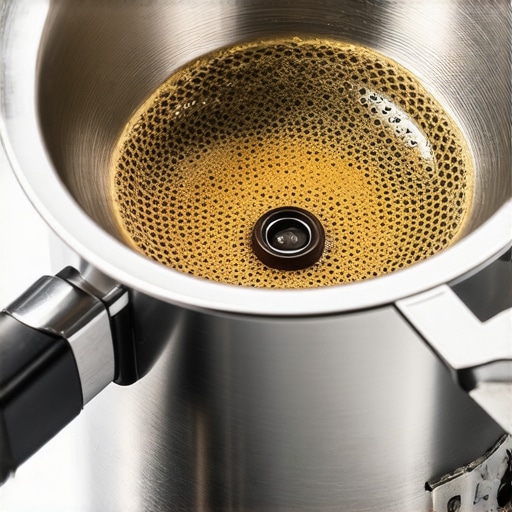
Identify machines causing the biggest thud—like your espresso pump. My first fix was muffling the pump noise. By resting the espresso machine on a rubber mat, I dampened vibrations transmitted through the counter. When I did that, my scale’s jumps decreased noticeably, leading to more precise pouring and weighing.
Secure Loose Cables and Components
Loose power cords or water lines cause subtle tremors. I taped down dangling cords with velcro strips—this eliminated slight shifts when I reached for the grinder or espresso machine. Imagine your setup are a set of dominoes—secure everything to prevent unintended nudgees.
Limit Hand Contact and Tapping
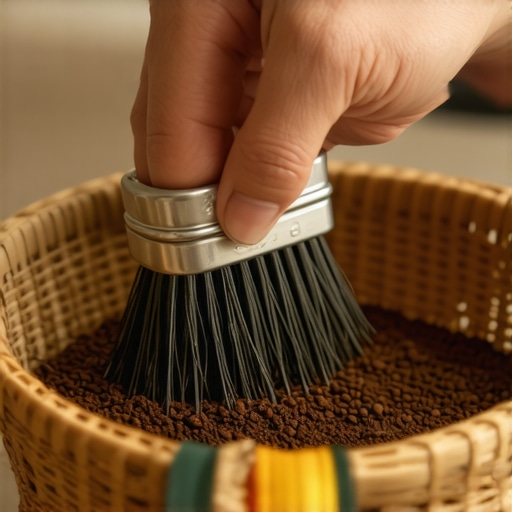
Every tap or movement near the scale can alter readings. During my practice, I kept my hands away from the scale and used dedicated tools for distribution or tamping. When I needed to adjust grounds, I used a long brush instead of my fingers. It’s like steering a boat—steady hands make a smoother ride.
Calibrate and Re-Test Regularly
Calibration ensures your scale’s baseline is accurate. I followed the manufacturer’s instructions, zeroing out the weight after placing the scale on the stabilized surface. Occasionally, I checked calibration with a known weight. This is similar to tuning a guitar—tiny adjustments make all the difference.
Utilize Software or Hardware Enhancements
Some scales have built-in filters or sensitivity adjustments. When mine started acting up, I explored firmware updates and, if available, adjusted the filtering settings. For digital scales lacking customization, a simple soft reset often restores stability. Think of it as rebooting your phone when it starts lagging; a quick restart can clear transient errors.
Test Changes and Refine Your Setup
After each tweak, I tested by weighing a standard object multiple times. Consistent readings confirmed that my environment was now optimal. Remember, this process is iterative—small adjustments lead to big improvements over time.
Applying these physically grounded adjustments transformed my weighing accuracy. Whether you’re managing your coffee shot, baking a perfect loaf, or tracking your weight, a stable, vibration-free platform is your best ally for precision.
Most enthusiasts assume that selecting premium equipment like high-end milk frothers, advanced espresso machines, or precision coffee grinders guarantees perfect results. But in my experience, there’s a common misconception among seasoned home baristas: believing that top-tier gear alone compensates for technique and setup flaws. Let’s challenge that notion and dig into some overlooked details.
Misconceptions About Equipment Quality
Many think that upgrading to a pricier grinder or a more sophisticated steam wand will instantly elevate their coffee quality. However, studies show that bean quality and grind consistency often outweigh equipment investments. An expensive grinder won’t perform optimally if it’s clogged with oily particles or improperly calibrated. Similarly, a fancy milk frother cannot mask poor steaming techniques or incomplete milk texturing. Remember, the equipment acts as an extension of your skills, not a replacement.
Beware the Trap of Over-Tuning
A common mistake is obsessively adjusting machine parameters expecting perfect shots. Over-tuning can result in chaos—like constantly chasing a moving target. Instead, focus on stable routines and understanding your equipment’s behavior. For example, drier pucks often indicate tamping or distribution issues rather than machine faults. Small, consistent adjustments yield better long-term results than sporadic, radical changes.
Don’t Underestimate Maintenance and Environment
Advanced users often overlook how environmental factors and maintenance routines impact performance. Excess scale buildup or residual coffee oils can impair crema and flavor. Regular cleaning of group heads and wands ensures consistency. Additionally, ambient temperature, humidity, and stable water supply play crucial roles. Neglecting these nuances can sabotage even the most expensive setup—so treat your gear like a fine instrument.
How Do Precision Baskets Affect Extraction?
For advanced users, the choice of basket size and design can significantly influence channeling and shot consistency. Using a precision basket with the right depth and surface allows for uniform extraction, but only if your distribution technique is spot-on. Incorrect tamping force or improper distributing can render the benefits moot. Mastering these subtleties ensures your grind, dose, and tamp work harmoniously.
Remember, even the best machine or grinder can fall flat if these hidden factors aren’t addressed. Think of it like tuning a musical instrument—you need harmony across all parts to produce beautiful sound. Have you ever fallen into this trap? Let me know in the comments, and share your experiences with overlooked nuances that made all the difference in your brewing journey.
Keep Your Barista Arsenal Running Smoothly
Investing in top-tier equipment is only half the battle; ensuring that your coffee gear stays in prime condition requires deliberate maintenance and the right tools. From grinders to espresso machines, every component of your setup benefits from regular checkups and strategic upgrades. As I’ve learned over years of home brewing, consistent performance hinges on systematic upkeep, making your investment truly worth it.
What are the Must-Have Maintenance Tools for Home Baristas?
First and foremost, a good cleaning brush set is indispensable. I personally swear by silicone-tipped brushes, as they reach into tight spaces without scratching delicate surfaces. Regularly cleaning your group head and lever mechanism prevents buildup that diminishes performance and flavor. Additionally, a private calibration kit can help keep your scales and grinders aligned, crucial for consistency.
For grinders, preventing fine dust accumulation is vital. Regularly running your grinder with a cleaning brush designed specifically for the burrs reduces clogging and preserves the machine’s motor longevity. In my experience, dedicating a few minutes weekly to these routines reduces expensive repairs and ensures superior extraction.
How do I maintain my espresso machine over time?
Routine descaling is a cornerstone of long-term maintenance. Use descaling solutions on a schedule—every 2-3 months, depending on water hardness—and always consult your machine’s manual regarding the best practices. Muffling your pump noise not only preserves sound levels but also indicates healthier internal components. Additionally, replacing worn-out gaskets and seals ensures water doesn’t leak and maintains optimal pressure during pulls. Making these checks part of your routine puts you ahead of costly repairs and inconsistent shots.
Projected Trends in Home Coffee Gear Maintenance
Looking ahead, I believe smart diagnostics will become standard. Devices with built-in sensors that alert you when maintenance is due or detect performance drops are already in beta testing. For example, some modern espresso machines incorporate built-in pressure gauges that inform your servicing needs. As technology advances, expect seamless integration of maintenance prompts and troubleshooting guides delivered via companion apps, making home brewing not only art but also science.
What’s the best way to keep all this working for years?
My top advice: create a maintenance checklist tailored to your equipment. Incorporate daily, weekly, and monthly tasks—like cleaning, calibration, and replacement schedules—and stick to it religiously. Small, consistent actions compared to neglect will vastly extend the lifespan of your gear. Try incorporating a monthly deep-cleaning session, and you’ll notice a significant boost in performance and flavor quality. Ready to elevate your routine? Grab that silicone brush, set a calendar reminder, and keep your tools tip-top—your taste buds will thank you!
The Hidden Truths That Made My Coffee World Better
- Patience Over Perfection: I realized that rushing to tweak my grinder or machine wasn’t the answer. Sometimes, taking a step back, observing, and making small, deliberate changes brought the biggest improvements—like perfecting my tamping technique or calibrating my scale regularly.
- Environment Is Everything: Ensuring my setup was vibration-free and stable made more difference than upgrading equipment. I learned to prioritize solid surfaces and dampen vibrations, which led to consistent shots and measurements.
- Maintenance Yields Results: Routine cleaning and calibration empowered me to avoid costly repairs and flavor issues. Incorporating a simple maintenance checklist changed my entire approach, making each brew more reliable and enjoyable.
- Gear Isn’t a Shortcut: I used to think a fancy espresso machine or high-end grinder would fix flaws—but I discovered that technique, environment, and routine matter far more. Equipment supports your craft, but mastery comes with attention to detail.
- Embrace the Learning Curve: Every slip-up taught me something new—whether it was a stubborn scale fluctuation or a marginally burnt shot. Viewing mistakes as lessons accelerated my journey from average to barista-level quality.
My Secret Arsenal for Coffee Confidence
- Silicone Cleaning Brushes: These daily essentials help keep machines spotless without scratches, ensuring flavor integrity.
- Calibration Kits: Regularly aligning scales and grinders maintains accuracy and consistency in every pour.
- Quality Water Filtration: Investing in good filtration systems, and knowing when to descale, preserves your machine’s health and your coffee’s purity.
- Reliable Resources: Trusted guides, like this one, help demystify complex issues and save you hours of frustration.
Turn Your Passion Into Mastery
Every enthusiast has the potential to elevate their home espresso game. The key is to be curious, meticulous, and unafraid of learning from mistakes. With these insights, your setup will no longer be a source of frustration but a tool of joy. Keep experimenting, keep learning, and most importantly—enjoy every sip along the way.
What’s the biggest hurdle you’ve faced in tuning your coffee gear? Drop your story below and let’s grow together!
}#}#}“`#}#}#}#}#}#}#}#}#}#}#}#}#}#}#}#}#}#}#}#}#}#}#}#}#}#}#}#}#}#}#}#}#}#}#}#}#}#}#}#}#}#}#}#}#}#}#}#}#}#}#}#}#}#}#}#}#}#}#}#}#}#}#}#}#}#}#}#}#}#}#}#}#}#}#}#}#}#}#}#}#}#}#}#}#}#}#}#}#}#}#}#}#}#}#}#}#}#}#}#}#}#}#}#}#}#}#}#}#}#}#}#}#}#}#}#}#}#}#}#}#}#}#}#}#}#}#}#}#}#}#}#}#}#}#}#}#}#}#}#}#}#}#}#}#}#}#}#}#}#}#}#}#}#}#}#}#}#}#}#}#}#}#}#}#}#}#}#}#}#}#}#}#}#}#}#}#}#}#}#}#}#}#}#}#}#}#}#}#}#}#}#}#}#}#}#}#}#}#}#}#}#}#}#}#}#}#}#}#}#}#}#}#}#}#}#}#}#}#}#}#}#}#}#}#}#}#}#}#}#}#}#}#}#}#}#}#}#}#}#}#}#}#}#}#}#}#}#}#}#}#}#}#}#}#}#}#}#}#}#}#}#}#}#}#}#}#}#}#}#}#}#}#}#}#}#}#}#}#}#}#}#}#}#}#}#}#}#}#}#}#}#}#}#}#}#}#}#}#}#}#}#}#}#}#}#}#}#}#}#}#}#}#}#}#}#}#}#}#}#}#}#}#}#}#}#}#}#}#}#}#}#}#}#}#}#}#}#}#}#}#}#}#}#}#}#}#}#}#}#}#}#}#}#}#}#}#}#}#}#}#}#}#}#}#}#}#}#}#}#}#}#}#}#}#}#}#}#}#}#}#}#}#}#}#}#}#}#}#}#}#}#}#}#}#}#}#}#}#}#}#}#}#}#}#}#}#}#}#}#}#}#}#}#}#}#}#}#}#}#}#}#}#}#}#}#}#}#}#}#}#}#}#}#}#}#}#}#}#}#}#}#}#}#}#}#}#}#}#}#}#}#}#}#}#}#}#}#}#}#}#}#}#}#}#}#}#}#}#}#}#}#}#}#}#}#}#}#}#}#}#}#}#}#}#}#}#}#}#}#}#}#}#}#}#}#}#}#}#}#}#}#}#}#}#}#}#}#}#}#}#}#}#}#}#}#}#}#}#}#}#}#}#}#}#}#}#}#}#}#}#}#}#}#}#}#}#}#}#}#}#}#}#}#}#}#}#}#}#}#}#}#}#}#}#}#}#}#}#}#}#}#}#}#}#}#}#}#}#}#}#}#}#}#}#}#}#}#}#}#}#}#}#}#}#}#}#}#}#}#}#}#}#}#}#}#}#}#}#}#}#}#}#}#}#}#}#}#}#}#}#}#}#}#}#}#}#}#}#}#}#}#}#}#}#}#}#}#}#}#}#}#}#}#}#}#}#}#}#}#}#}#}#}#}#}#}#}#}#}#}#}#}#}#}#}#}#}#}#}#}#}#}#}#}#}#}#}#}#}#}#}#}#}#}#}#}#}#}#}#}#}#}#}#}#}#}#}#}#}#}#}#}#}#}#}#}#}#}#}#}#}#}#}#}#}#}#}#}#}#}#}#}#}#}#}#}#}#}#}#}#}#}#}#}#}#}#}#}#}#}#}#}#}#}#}#}#}#}#}#}#}#}#}#}#}#}#}#}#}#}#}#}#}#}#}#}#}#}#}#}#}#}#}#}#}#}#}#}#}#}#}#}#}#}#}#}#}#}#}#}#}#}#}#}#}#}#}#}#}#}#}#}#}#}#}#}#}#}#}#}#}#}#}#}#}#}#}#}#}#}#}#}#}#}#}#}#}#}#}#}#}#}#}#}#}#}#}#}#}#}#}#}#}#}#}#}#}#}#}#}#}#}#}#}#}#}#}#}#}#}#}#}#}#}#}#}#}#}#}#}#}#}#}#}#}#}#}#}#}#}#}#}#}#}#}#}#}#}#}#}#}#}#}#}#}#}#}#}#}#}#}#}#}#}#}#}#}#}#}#}#}#}#}#}#}#}#}#}#}#}#}#}#}#}#}#}#}#}#}#}#}#}#}#}#}#}#}#}#}#}#}#}#}#}#}#}#}#}#}#}#}#}#}#}#}#}#}#}#}#}#}#}#}#}#}#}#}#}#}#}#}#}#}#}#}#}#}#}#}#}#}#}#}#}#}#}#}#}#}#}#}#}#}#}#}#}#}#}#}#}#}#}#}#}#}#}#}#}#}#}#}#}#}#}#}#}#}#}#}#}#}#}#}#}#}#}#}#}#}#}#}#}#}#}#}#}#}#}#}#}#}#}#}#}#}#}#}#}#}#}#}#}#}#}#}#}#}#}#}#}#}#}#}#}#}#}#}#}#}#}#}#}#}#}#}#}#}#}#}#}#}#}#}#}#}#}#}#}#}#}#}#}#}#}#}#}#}#}#}#}#}#}#}#}#}#}#}#}#}#}#}#}#}#}#}#}#}#}#}#}#}#}#}#}#}#}#}#}#}#}#}#}#}#}#}#}#}#}#}#}#}#}#}#}#}#}#}#}#}#}#}#}#}#}#}#}#}#}#}#}#}#}#}#}#}#}#}#}#}#}#}#}#}#}#}#}#}#}#}#}#}#}#}#}#}#}#}#}#}#}#}#}#}#}#}#}#}#}#}#}#}#}#}#}#}#}#}#}#}#}#}#}#}#}#}#}#}#}#}#}#}#}#}#}#}#}#}#}#}#}#}#}#}#}#}#}#}#}#}#}#}#}#}#}#}#}#}#}#}#}#}#}#}#}#}#}#}#}#}#}#}#}#}#}#}#}#}#}#}#}#}#}#}#}#}#}#}#}#}#}#}#}#}#}#}#}#}#}#}#}#}#}#}#}#}#}#}#}#}#}#}#}#}#}#}#}#}#}#}#}#}#}#}#}#}#}#}#}#}#}#}#}#}#}#}#}#}#}#}#}#}#}#}#}#}#}#}#}#}#}#}#}#}#}#}#}#}#}#}#}#}#}#}#}#}#}#}#}#}#}#}#}#}#}#}#}#}#}#}#}#}#}#}#}#}#}#}#}#}#}#}#}#}#}#}#}#}#}#}#}#}#}#}#}#}#}#}#}#}#}#}#}#}#}#}#}#}#}#}#}#}#}#}#}#}#}#}#}#}#}#}#}#}#}#}#}#}#}#}#}#}#}#}#}#}#}#}#}#}#}#}#}#}#}#}#}#}#}#}#}#}#}#}#}#}#}#}#}#}#}#}#}#}#}#}#}#}#}#}#}#}#}#}#}#}#}#}#}#}#}#}#}#}#}#}#}#}#}#}#}#}#}#}#}#}#}#}#}#}#}#}#}#}#}#}#}#}#}#}#}#}#}#}#}#}#}#}#}#}#}#}#}#}#}#}#}#}#}#}#}#}#}#}#}#}#}#}#}#}#}#}#}#}#}#}#}#}#}#}#}#}#}#}#}#}#}#}#}#}#}#}#}#}#}#}#}#}#}#}#}#}#}#}#}#}#}#}#}#}#}#}#}#}#}#}#}#}#}#}#}#}#}#}#}#}#}#}#}#}#}#}#}#}#}#}#}#}#}#}#}#}#}#}#}#}#}#}#}#}#}#}#}#}#}#}#}#}#}#}#}#}#}#}#}#}#}#}#}#}#}#}#}#}#}#}#}#}#}#}#}#}#}#}#}#}#}#}#}#}#}#}#}#}#}#}#}#}#}#}#}#}#}#}#}#}#}#}#}#}#}#}#}#}#}#}#}#}#}#}#}#}#}#}#}#}#}#}#}#}#}#}#}#}#}#}#}#}#}#}#}#}#}#}#}#}#}#}#}#}#}#}#}#}#}#}#}#}#}#}#}#}#}#}#}#}#}#}#}#}#}#}#}#}#}#}#}#}#}#}#}#}#}#}#}#}#}#}#}#}#}#}#}#}#}#}#}#}#}#}#}#}#}#}#}#}#}#}#}#}#}#}#}#}#}#}#}#}#}#}#}#}#}#}#}#}#}#}#}#}#}#}#}#}#}#}#}#}#}#}#}#}#}#}#}#}#}#}#}#}#}#}#}#}#}#}#}#}#}#}#}#}#}#}#}#}#}#}#}#}#}#}#}#}#}#}#}#}#}#}#}#}#}#}#}#}#}#}#}#}#}#}#}#}#}#}#}#}#}#}#}#}#}#}#}#}#}#}#}#}#}#}#}#}#}#}#}#}#}#}#}#}#}#}#}#}#}#}#}#}#}#}#}#}#}#}#}#}#}#}#}#}#}#}#}#}#}#}#}#}#}#}#}#}#}#}#}#}#}#}#}#}#}#}#}#}#}#}#}#}#}#}#}#}#}#}#}#}#}#}#}#}#}#}#}#}#}#}#}#}#}#}#}#}#}#}#}#}#}#}#}#}#}#}#}#}#}#}#}#}#}#}#}#}#}#}#}#}#}#}#}#}#}#}#}#}#}#}#}#}#}#}#}#}#}#}#}#}#}#}#}#}#}#}#}#}#}#}#}#}#}#}#}#}#}#}#}#}#}#}#}#}#}#}#}#}#}#}#}#}#}#}#}#}#}#}#}#}#}#}#}#}#}#}#}#}#}#}#}#}#}#}#}#}#}#}#}#}#}#}#}#}#}#}#}#}#}#}#}#}#}#}#}#}#}#}#}#}#}#}#}#}#}#}#}#}#}#}#}#}#}#}#}#}#}#}#}#}#}#}#}#}#}#}#}#}#}#}#}#}#}#}#}#}#}#}#}#}#}#}#}#}#}#}#}#}#}#}#}#}#}#}#}#}#}#}#}#}#}#}#}#}#}#}#}#}#}#}#}#}#}#}#}#}#}#}#}#}#}#}#}#}#}#}#}#}#}#}#}#}#}#}#}#}#}#}#}#}#}#}#}#}#}#}#}#}#}#}#}#}#}#}#}#}#}#}#}#}#}#}#}#}#}#}#}#}#}#}#}#}#}#}#}#}#}#}#}#}#}#}#}#}#}#}#}#}#}#}#}#}#}#}#}#}#}#}#}#}#}#}#}#}#}#}#}#}#}#}#}#}#}#}#}#}#}#}#}#}#}#}#}#}#}#}#}#}#}#}#}#}#}#}#}#}#}#}#}#}#}#}#}#}#}#}#}#}#}#}#}#}#}#}#}#}#}#}#}#}#}#}#}#}#}#}#}#}#}#}#}#}#}#}#}#}#}#}#}#}#}#}#}#}#}#}#}#}#}#}#}#}#}#}#}#}#}#}#}#}#}#}#}#}#}#}#}#}#}#}#}#}#}#}#}#}#}#}#}#}#}#}#}#}#}#}#}#}#}#}#}#}#}#}#}#}#}#}#}#}#}#}#}#}#}#}#}#}#}#}#}#}#}#}#}#}#}#}#}#}#}#}#}#}#}#}#}#}#}#}#}#}#}#}#}#}#}#}#}#}#}#}#}#}#}#}#}#}#}#}#}#}#}#}#}#}#}#}#}#}#}#}#}#}#}#}#}#}#}#}#}#}#}#}#}#}#}#}#}#}#}#}#}#}#}#}#}#}#}#}#}#}#}#}#}#}#}#}#}#}#}#}#}#}#}#}#}#}#}#}#}#}#}#}#}#}#}#}#}#}#}#}#}#}#}#}#}#}#}#}#}#}#}#}#}#}#}#}#}#}#}#}#}#}#}#}#}#}#}#}#}#}#}#}#}#}#}#}#}#}#}#}#}#}#}#}#}#}#}#}#}#}#}#}#}#}#}#}#}#}#}#}#}#}#}#}#}#}#}#}#}#}#}#}#}#}#}#}#}#}#}#}#}#}#}#}#}#}#}#}#}#}#}#}#}#}#}#}#}#}#}#}#}#}#}#}#}#}#}#}#}#}#}#}#}#}#}#}#}#}#}#}#}#}#}#}#}#}#}#}#}#}#}#}#}#}#}#}#}#}#}#}#}#}#}#}#}#}#}#}#}#}#}#}#}#}#}#}#}#}#}#}#}#}#}#}#}#}#}#}#}#}#}#}#}#}#}#}#}#}#}#}#}#}#}#}#}#}#}#}#}#}#}#}#}#}#}#}#}#}#}#}#}#}#}#}#}#}#}#}#}#}#}#}#}#}#}#}#}#}#}#}#}#}#}#}#}#}#}#}#}#}#}#}#}#}#}#}#}#}#}#}#}#}#}#}#}#}#}#}#}#}#}#}#}#}#}#}#}#}#}#}#}#}#}#}#}#}#}#}#}#}#}#}#}#}#}#}#}#}#}#}#}#}#}#}#}#}#}#}#}#}#}#}#}#}#}#}#}#}#}#}#}#}#}#}#}#}#}#}#}#}#}#}#}#}#}#}#}#}#}#}#}#}#}#}#}#}#}#}#}#}#}#}#}#}#}#}#}#}#}#}#}#}#}#}#}#}#}#}#}#}#}#}#}#}#}#}#}#}#}#}#}#}#}#}#}#}#}#}#}#}#}#}#}#}#}#}#}#}#}#}#}#}#}#}#}#}#}#}#}#}#}#}#}#}#}#}#}#}#}#}#}#}#}#}#}#}#}#}#}#}#}#}#}#}#}#}#}#}#}#}#}#}#}#}#}#}#}#}#}#}#}#}#}#}#}#}#}#}#}#}#}#}#}#}#}#}#}#}#}#}#}#}#}#}#}#}#}#}#}#}#}#}#}#}#}#}#}#}#}#}#}#}#}#}#}#}#}#}#}#}#}#}#}#}#}#}#}#}#}#}#}#}#}#}#}#}#}#}#}#}#}#}#}#}#}#}#}#}#}#}#}#}#}#}#}#}#}#}#}#}#}#}#}#}#}#}#}#}#}#}#}#}#}#}#}#}#}#}#}#}#}#}#}#}#}#}#}#}#}#}#}#}#}#}#}#}#}#}#}#}#}#}#}#}#}#}#}#}#}#}#}#}#}#}#}#}#}#}#}#}#}#}#}#}#}#}#}#}#}#}#}#}#}#}#}#}#}#}#}#}#}#}#}#}#}#}#}#}#}#}#}#}#}#}#}#}#}#}#}#}#}#}#}#}#}#}#}#}#}#}#}#}#}#}#}#}#}#}#}#}#}#}#}#}#}#}#}#}#}#}#}#}#}#}#}#}#}#}#}#}#}#}#}#}#}#}#}#}#}#}#}#}#}#}#}#}#}#}#}#}#}#}#}#}#}#}#}#}#}#}#}#}#}#}#}#}#}#}#}#}#}#}#}#}#}#}#}#}#}#}#}#}#}#}#}#}#}#}#}#}#}#}#}#}#}#}#}#}#}#}#}#}#}#}#}#}#}#}#}#}#}#}#}#}#}#}#}#}#}#}#}#}#}#}#}#}#}#}#}#}#}#}#}#}#}#}#}#}#}#}#}#}#}#}#}#}#}#}#}#}#}#}#}#}#}#}#}#}#}#}#}#}#}#}#}#}#}#}#}#}#}#}#}#}#}#}#}#}#}#}#}#}#}#}#}#}#}#}#}#}#}#}#}#}#}#}#}#}#}#}#}#}#}#}#}#}#}#}#}#}#}#}#}#}#}#}#}#}#}#}#}#}#}#}#}#}#}#}#}#}#}#}#}#}#}#}#}#}#}#}#}#}#}#}#}#}#}#}#}#}#}#}#}#}#}#}#}#}#}#}#}#}#}#}#}#}#}#}#}#}#}#}#}#}#}#}#}#}#}#}#}#}#}#}#}#}#}#}#}#}#}#}#}#}#}#}#}#}#}#}#}#}#}#}#}#}#}#}#}#}#}#}#}#}#}#}#}#}#}#}#}#}#}#}#}#}#}#}#}#}#}#}#}#}#}#}#}#}#}#}#}#}#}#}#}#}#}#}#}#}#}#}#}#}#}#}#}#}#}#}#}#}#}#}#}#}#}#}#}#}#}#}#}#}#}#}#}#}#}#}#}#}#}#}#}#}#}#}#}#}#}#}#}#}#}#}#}#}#}#}#}#}#}#}#}#}#}#}#}#}#}#}#}#}#}#}#}#}#}#}#}#}#}#}#}#}#}#}#}