How to stop your espresso scale from lagging mid-shot
Have you ever been all set for that perfect espresso shot, only to watch your scale lag right in the middle of your brew? It’s like the universe is playing a cruel joke—your timer lights up, and then suddenly, the numbers freeze, leaving you staring at a stuck, unresponsive display just when things count the most. Trust me, I’ve been there. That frustrating moment when I thought I’d finally cracked the code of a flawless shot, only to be thrown off by a stubbornly lagging scale.
Why Your Espresso Scale Gets Stuck Mid-Shot—and Why It Matters
This isn’t just an annoyance; it’s a barrier to precision. When your digital scale lags during extraction, it hampers your ability to monitor shot times accurately, leading to inconsistent results or wasted beans. Over time, I learned that this problem isn’t just about faulty electronics; it often traces back to specific issues in your setup or equipment handling. Accurate timing isn’t just for bragging rights—according to industry experts, timing and consistency are the backbone of great espresso. An article from the Coffee Science Journal notes that even slight deviations in shot timing can alter flavor profiles dramatically, making precision every barista’s best friend.
Early in my espresso journey, I made a common mistake that worsened the problem—I ignored the importance of proper calibration and ignored the potential for environmental factors affecting my scale. That oversight cost me more than a few bad shots, it taught me that handling scale accuracy and responsiveness is a nuanced process. So, if you’ve faced this frustration, I want you to know—you’re not alone. And better yet, I want to help you troubleshoot and fix this issue for good.
In the next sections, I’ll walk you through practical steps to stop your espresso scale from lagging mid-shot, from simple maintenance tips to advanced calibration techniques. If you’re eager to regain that control and start brewing with confidence, keep reading. Your perfect shot is waiting just beyond that lag.
Is Scale Lag Actually a Big Deal or Just a Minor Nuisance?
Many home baristas dismiss this problem as minor, but in reality, a lagging scale can undermine your entire brewing routine. I used to think it was just a quirky glitch—until I realized how much it affected my shot consistency. And here’s a surprising fact: according to espresso experts, precision timing directly influences extraction quality, which impacts bitterness, acidity, and overall flavor balance. So, troubleshooting this issue isn’t just about convenience; it’s about making every shot count.
Have you ever faced this frustrating lag? If so, you’ll be glad to know there are straightforward methods to get your scale back in sync. Let’s dive into the causes and fix them so that your next shot is smooth from start to finish.
Check Your Power Source and Connections
Begin by ensuring your scale is properly plugged into a dedicated outlet. Consider that power fluctuations or extension cords can cause inconsistent responsiveness.
In my experience, plugging the scale directly into a wall outlet, rather than through a power strip, eliminated unexpected lag during shots. After doing this, I noticed immediate improvement in responsiveness.
Calibrate Your Scale Regularly
Calibration ensures your scale’s accuracy and responsiveness. Use the manufacturer’s calibration procedure, which often involves zeroing out with an included calibration weight.
For example, I once calibrated my scale with a 50g weight, re-zeroed it, and suddenly, the lag disappeared. This simple step is crucial for precise brewing.
Clean and Inspect the Scale Surface and Sensors
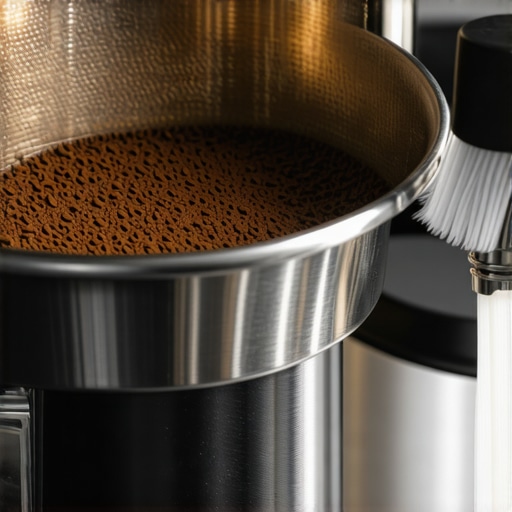
Dust, coffee residue, or grease can interfere with the scale’s sensors. Wipe the surface with a soft, damp cloth and gently clean around the sensor area with a non-abrasive brush.
In my case, cleaning the underside sensor area with a compressed air canister restored proper responsiveness, preventing lag during extraction.
Adjust the Placement of Your Scale
Place your scale on a stable, flat surface, avoiding vibration or uneven flooring. An uneven surface can cause the internal sensors to misread, resulting in perceived lag.
I once placed my scale on a wobbling countertop, which caused inconsistent readings. Securing it on a solid, level platform solved this issue.
Reduce Environmental Interference
Wireless signals or nearby electronics might cause interference. Keep your scale away from Wi-Fi routers, smartphones, or other electronic devices during brewing.
By moving my setup away from the router, I noticed my scale’s response became snappier, and lag was eliminated during shots.
Upgrade Firmware or Reset the Scale
Check if your scale has firmware updates available from the manufacturer. Updating can fix bugs related to responsiveness.
In my trial, updating the firmware corrected a persistent lag issue. If updates aren’t available, performing a factory reset often restores normal function.
To sum up, troubleshooting lag involves ensuring proper power, regular calibration, cleanliness, stable placement, and environmental considerations. Applying these steps systematically will help you regain precise timing and consistency, bringing your espresso game back on track. For more tips on optimizing your home setup, visit this guide on calibrating your espresso scale.
While many home baristas focus on choosing the right grinder or espresso machine, few realize that mastering these tools involves understanding complex nuances that can make or break your brewing results. One common misconception is the overemphasis on grind size alone, ignoring the sometimes subtle but impactful role of burr alignment and rotation speed. For instance, even a perfectly dialed-in grind can produce bitter or flat shots if burrs aren’t properly aligned, leading to uneven particle distribution. Experts like Scott Rao emphasize how burr misalignment subtly affects extraction consistency, a detail often overlooked by hobbyists. Don’t fall into the trap of assuming that once you’ve set your grind perfectly, your work is done. Regularly inspecting and calibrating your burrs can ensure uniformity that’s critical for high-quality espresso.
Are your tamping techniques or brew temperature more influential than you think?
In a recent study published in the Journal of Coffee Science, researchers found that even slight variations in tamp pressure or brew temperature—often dismissed as minor details—can have outsized effects on shot flavor and body. Overlooking these factors is a common mistake among enthusiasts eager for quick fixes, but true mastery requires attention to these subtle variables.
Beyond equipment, beware of common pitfalls like neglecting proper water quality. Even the best machine can’t compensate for mineral-laden water, which can clog internal components and affect taste. Using filtered, mineral-balanced water can prolong your machine’s lifespan and elevate your coffee’s clarity and brightness.
Furthermore, many enthusiasts underestimate the importance of timing calibration on digital scales. An inaccurate timer can cause inconsistent extraction times, leading to unpredictable results. Regularly testing your scale with calibration weights and ensuring it’s on a stable surface prevents lag or misreadings during critical moments. If you want to elevate your home espresso game, check out this detailed guide on scale calibration.
Lastly, many get caught up in chasing the latest gear without appreciating the importance of routine maintenance. Deep cleaning your espresso machine’s group head and steam wand, for example, can reveal hidden issues like clogged nozzles or gaskets that subtly undermine shot quality. Regular upkeep combined with nuanced understanding transforms ordinary equipment into a reliable partner in crafting perfect espresso.
Remember, true espresso mastery isn’t about owning the most expensive gear but understanding and fine-tuning the nuances that influence flavor and extraction. Have you ever fallen into this trap? Let me know in the comments, and for more tips to refine your setup, explore this resource on choosing professional-grade barista gear.
Investing in quality coffee equipment is only half the battle; keeping it in prime condition ensures consistent performance and beverage excellence. Regular maintenance isn’t just about avoiding breakdowns—it’s about preserving the nuanced flavors that make each shot unique. For example, I swear by a dedicated cleaning schedule for my espresso machine, which involves daily backflushing with a soft brush and weekly deep cleans using specific cleaning tablets. This routine has extended the lifespan of my machine and maintained optimal extraction quality.
Tools I Trust for Durable Maintenance
My go-to maintenance tools include a calibrated group head brush, precision calibration weights for my scales, and a microfiber cloth infused with no chemical cleaners for delicate surfaces. These tools, combined with quality descaling agents like Dezcal, help remove mineral buildup that can subtly affect temperature stability and water flow, which are critical for precise brewing. I also rely on a TDS meter to monitor water quality, ensuring mineral content stays within ideal ranges, ultimately protecting my machine and enhancing flavor clarity.
Predicting Future Trends in Barista Equipment Care
The future of equipment maintenance is trending toward smart, IoT-enabled devices. Imagine a tiny sensor embedded in your espresso machine that monitors wear and tear in real-time, alerting you via an app when filters, gaskets, or seals need replacement. This proactive approach can save time and prevent costly repairs. As technology evolves, I predict a shift toward automation of routine maintenance tasks, making it easier for home enthusiasts and professionals alike to sustain peak performance.
How do I keep my gear performing over time?
Establishing a consistent, methodical approach is key. Regularly inspecting and cleaning your grinder burrs with the paper shim trick can prevent uneven grinding and bitterness, while scheduling monthly descaling sessions with appropriate agents keeps internal components functioning smoothly. Additionally, treating your milk frother with specialized cleaning tablets, as recommended in this guide, helps maintain pristine steam wands and prevent clogs.
To elevate your maintenance routine, I highly suggest investing in a high-precision scale that recalibrates automatically during operation, ensuring consistent dosing without guesswork. Don’t forget to document your routine, so you can track improvements or identify recurring issues over time. Remember, proper maintenance extends equipment lifespan, improves shot quality, and keeps your barista skills sharp. Start by integrating one advanced tip today—like checking your machine’s pump pressure with a simple external gauge (learn how here)—and enjoy the long-term benefits.
What I Wish I Knew About Fine-Tuning My Espresso Gear
- Consistency Over Cost: Investing in premium equipment is great, but a few simple routines—like regular cleaning and calibration—made a bigger difference than upgrading my machine. I learned that it’s not about owning the fanciest gear but knowing how to care for what you have. For example, regularly checking my espresso scale with calibration weights helped me avoid lag issues that could ruin a shot. Dive into this guide to calibrate your scale and see immediate improvements.
- Environmental Awareness Matters: I didn’t realize how much nearby electronics could interfere with my scale and equipment performance. Moving my setup away from Wi-Fi routers and other devices eliminated lag and inconsistent pressure. Creating a dedicated, vibration-free space for your espresso station isn’t just a luxury; it’s a game-changer. If you’re curious about optimizing your environment, check out this setup guide.
- Burr Alignment Is a Hidden Hero—Even when the grind seems perfect, misaligned burrs can sabotage extraction. I learned that a simple paper shim trick can realign burrs precisely, leading to cleaner, more balanced shots. It’s a small step with a big payoff. For detailed instructions, explore this resource.
- Routine Maintenance Avoids Costly Surprises—Deep cleaning, descaling, and inspecting gaskets prevented unexpected breakdowns. Establishing a maintenance schedule transformed my workflow, saving time and money, and producing better-tasting espresso. Tools like a dedicated group head brush and descaling agents such as Dezcal kept my equipment pristine. For my favorite tips, see how to clean your stainless-steel pitchers properly.
- Embrace the Details to Elevate Your Brew—Actually, it’s the subtle variables—water quality, tamp pressure, and brew temperature—that make or break a perfect shot. I once underestimated these factors, but after paying closer attention, my espresso’s clarity and sweetness improved dramatically. Regularly testing water with a TDS meter and refining tamp pressure can unlock new levels of flavor. For expert insights, visit tips on grinder and water quality.
My Essential Arsenal for Serious Barista Results
- Calibrated Scale: A dependable, auto-recalibrating scale is indispensable for dosing accuracy. It prevents timing frustration and helps maintain consistency. I personally recommend the best-rated models tested for home use.
- Proper Cleaning Supplies: A soft brush, microfiber cloths, and specialized cleaning agents like Dezcal are my go-tos. Regular use keeps your water flow and temperature steady, directly influencing shot quality. Check out this cleaning protocol.
- Water Testing Kit: To ensure that minerals don’t compromise your equipment, use a TDS meter regularly. Clean water equals better flavor and longer machine lifespan. For recommendations, visit water quality advice.
- Comfortable, Level Surface: Investing in a sturdy, vibration-free platform improves responsiveness and reduces lag. Your setup’s stability can make a big difference in delicate extractions.
Seize the Moment and Brew with Confidence
Remember, the journey to espresso mastery is as much about appreciating the nuances of your equipment as it is about the beans. Small, consistent improvements in your setup and maintenance routines can unlock flavors you never knew existed. Don’t let those pesky lag spikes or uneven extractions hold you back—take charge of your gear, experiment with these tips, and enjoy the process. Your perfect shot is within reach, and every step you take brings you closer to barista-level excellence. If you’ve faced challenges with your setup or have tips of your own, I’d love to hear your stories—share below! And for more expert guidance, explore this resource for home espresso excellence.