
How to Organize Your Home Bar for Maximum Efficiency
It was early morning, and I was already running behind. I reached for my beloved espresso machine, only to find it buried under a jumble of mugs, accessories, and half-empty bags of beans. That moment of frustration hit me hard—I realized I was wasting precious minutes just hunting down my tools instead of brewing that perfect shot I craved. Sound familiar? If your home coffee setup feels more chaotic than cozy, you’re not alone. I used to think a fancy machine and a handful of gadgets were enough, but I quickly learned that organization is the secret to consistent, delightful brews. Today, I want to share how transforming my messy corner into a streamlined home bar changed everything.
Why a Well-Organized Home Bar Can Elevate Your Coffee Game
Imagine starting your day without fumbling for your grinder, searching for your tampers, or accidentally knocking over a bag of beans. Sounds like a dream, right? A dedicated, efficiently arranged home bar makes it easier to focus on what truly matters: making a great coffee. Plus, it saves time, reduces mess, and even prolongs the lifespan of your gear. According to a study published in the Journal of Coffee Science, structured workspace organization improves not only efficiency but also the quality of the final brew. That’s because when everything has its place, you can pay closer attention to each step of your process, ensuring consistent results.
Now, you might wonder—does this really make that much difference? Absolutely. I used to find myself wasting 10 minutes every morning just looking for my tamper or measuring spoon. Now, I spend those moments actually enjoying the ritual. If you’ve faced similar struggles, don’t worry—you’re in the right place. I’ll break down simple, actionable steps to turn your chaotic corner into a cozy, efficient coffee haven. Ready to transform your mornings and elevate your home bar?
Is Organizing Your Home Bar Really Worth the Effort?
Many skeptics ask whether investing time into organizing pays off—or if it’s just another chore in a long list of tasks. Believe me, I once thought so too. My early mistake was leaving my grinder open on the counter, which led to clogged burrs and uneven grounds. I learned the hard way that a cluttered setup can actually harm your equipment and sabotage your brew. Central to the change was creating a dedicated space where every tool had its spot, making it easy to access and clean. If you’re still on the fence, consider this: a well-organized bar can turn your daily coffee routine into a smooth, enjoyable experience instead of a frustrating search party. Want expert tips? Check out this guide on [choosing the best barista gear](https://espressotechguide.com/choosing-the-best-barista-gear-for-coffee-enthusiasts) to start building your ideal setup.
Now that I’ve covered why organization matters, let’s dive into the specific steps that will help you design your perfect home coffee zone. Trust me, the difference will be night and day.
Choose a Dedicated Space for Your Coffee Gear
Start by selecting a specific corner or shelf that will serve as your home coffee station. Clear out clutter and assign this area exclusively for brewing tools. A dedicated space minimizes the time spent searching for equipment, streamlining your morning routine. I once cleared a cluttered countertop and allocated a small wooden shelf for my espresso machine, grinder, and accessories. The immediate result was a noticeable boost in efficiency and enjoyment during my morning brew.
Arrange Your Equipment with Accessibility in Mind
Position frequently used items at eye level or within easy reach. Place your coffee grinder, portafilter, tamper, and cups conveniently close to each other to minimize movement. Use small bowls or containers to organize accessories like filters, spoons, and cleaning tools. For example, I kept my tamper and scoop side by side on a small tray, which reduced my prep time and prevented misplaced tools.
Optimize Your Coffee Grinder Setup
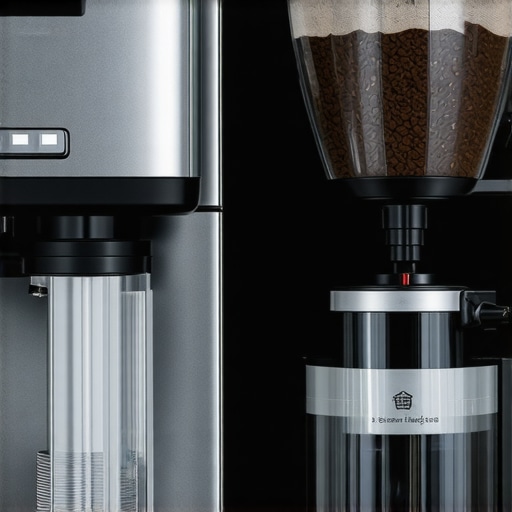
Set your grinder on a stable surface with clear visibility of the adjustment dial. Consistent grind size is key to good extraction; mark your preferred setting with a sticker or tape. Regularly clean the burrs to maintain uniformity. Check out this detailed guide on how to select the perfect coffee grinder for your setup.
Organize Your Espresso Machine and Accessories
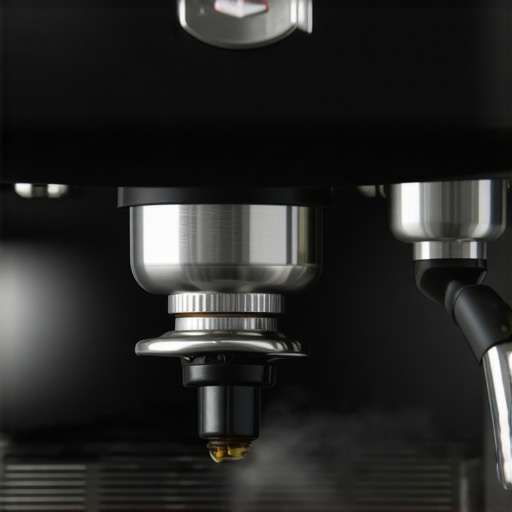
Place your espresso machine on a level, heat-resistant surface. Keep the water tank easily accessible and regularly cleaned to prevent blockages. Use hooks or small baskets for accessories like steam wands, cleaning brushes, and cleaning tablets. Label storage containers to quickly identify filters, descaling solutions, or spare parts. I found that adding a small magnetic strip for portafilter handles kept them tidy and within arm’s reach, reducing clutter and time spent searching.
Streamline Milk Frothing Equipment
Arrange your milk frothers and pitchers nearby, grouping them by size or usage frequency. Use a small tray for cleaning tools and spare parts. Consider storing milk in a dedicated, easily accessible container. To get professional microfoam, follow the tips in this guide on milk frothers.
Keep Your Supplies Fresh and Organized
Store coffee beans in airtight containers and label them with roast dates. Keep your favorite beans in a cool, dark place to preserve freshness. Regularly check expiration dates and rotate stock. Use small jars for syrups, flavorings, and other add-ins, clearly labeled for quick access. When I started storing my beans in a vacuum-sealed bag with a one-way valve, I noticed a marked improvement in coffee aroma and flavor.
Create a Routine for Maintenance
Scheduling weekly cleaning of your equipment prevents buildup and ensures optimal performance. Keep a cleaning kit nearby, including brushes, descaling solution, and microfiber cloths. Set reminders to replace worn-out parts like gasket seals or filters. A clean setup not only improves taste but also prolongs your gear’s lifespan. For detailed maintenance routines, consult this comprehensive beginner’s guide.
In the vibrant world of home brewing, many enthusiasts fall for misconceptions that can hinder their espresso journey. Let’s dig deeper into some of the most pervasive myths and clarify what truly makes a difference in your setup. **First, the idea that expensive gear guarantees perfect espresso** is widespread. While high-end equipment offers advanced features, it doesn’t automatically translate to better coffee. The skill and technique behind the machine are paramount; a novice with a quality grinder and proper technique can outperform someone misusing a top-tier espresso machine. According to *Specialty Coffee Association* insights, mastery over fundamentals often beats high-cost gear. **Next, many assume that all coffee grinders are created equal**. That’s far from the truth. A cheap blade grinder produces inconsistent grounds, leading to uneven extraction. Investing in a burr grinder tailored for espresso, and knowing how to calibrate it properly, is essential for consistent results. For detailed guidance, check out [how to select the perfect coffee grinder](https://espressotechguide.com/how-to-select-the-perfect-coffee-grinder-for-your-brew). **Another common myth involves milk frothers**—that you need an expensive, automatic machine for silky microfoam. In reality, even handheld frothers or manual steam wands can produce impressive results if used correctly. The key lies in technique and control, not just the dollar amount. Explore [the best milk frothers](https://espressotechguide.com/milk-frothers-that-transform-your-coffee-experience) for an informed choice. Now, a critical nuance many overlook is **the importance of maintenance and calibration**. A top-quality espresso machine can underperform if not regularly descaled, cleaned, and calibrated. Small adjustments, like fine-tuning pump pressure or tamping techniques, can significantly improve extraction. For advanced setup tips, visit [mastering your home espresso](https://espressotechguide.com/mastering-the-art-of-home-espresso-tips-for-beginners).
### Why Do People Fall for These Myths?
The common thread is the allure of quick fixes and instant perfection. However, upgrading gear without mastering the basics often leads to frustration. Moreover, manufacturers’ marketing can inflate perceptions—expensive gear is not a silver bullet. Let’s explore a sophisticated question: **How does the type of portafilter influence espresso quality, beyond just the basket size?** Many advanced baristas swear by naked or bottomless portafilters for their ability to reveal channeling issues and improve espresso shot consistency. The open design allows for real-time observation of the pour, enabling nuanced adjustments. If you’re serious about honing your craft, understanding the subtle differences in portafilter types can elevate your brewing. For more insights, see [the fix for a portafilter that won’t lock in properly](https://espressotechguide.com/the-fix-for-a-portafilter-that-wont-lock-in-properly). Have you ever fallen into this trap? Let me know in the comments.Maintaining your barista gear is as crucial as choosing the right machine or grinder. It ensures longevity, consistent performance, and that you continue brewing exceptional coffee every morning. Over time, I’ve refined my toolkit to include specific tools and methods that keep my setup running smoothly. For instance, I swear by a dedicated cleaning brush set for my espresso machine, which allows me to reach every nook and cranny, preventing buildup that can affect flavor. Regular descaling is vital; I use a high-quality descaling solution recommended by experts, following the instructions outlined in the [official espresso machine maintenance guide](https://espressotechguide.com/how-to-clean-a-milk-frother-without-scratching-the-non-stick-coating). Using these tools consistently means fewer surprises and more reliable brews.
Another essential tool in my maintenance arsenal is an accurate coffee scale. Precision scales help me dial in my grind and tamp pressure, but they’re also indispensable for measuring water and milk temperature, directly impacting flavor. I calibrated my scale quarterly, using a standard coin to verify accuracy, following advice from seasoned baristas. Regular calibration ensures your measurements remain trustworthy—another small step that results in big improvements.
A lesser-known but equally important tool is a set of replacement portafilter gaskets and filters. Over time, gaskets wear out, leading to leaks and uneven pressure. I keep a small kit handy so I can make quick swaps when needed, preventing downtime. The benefit? Consistent extraction and a much happier espresso machine.
Temperature stability is often overlooked, yet it’s critical. I invested in a PID temperature controller for my commercial-style setup, which maintains precise boiler temperature, reducing shot variability. While this may seem advanced, it demonstrates how upgrading your tools can fine-tune your brewing process.
Prediction-wise, I believe smart, IoT-enabled cleaning devices will become more accessible, providing alerts for filter replacements and descaling based on actual usage data. This integration will make maintenance even more effortless.
**How Do I Maintain My Equipment Over Time?**
Keeping your gear in top shape involves routine procedures such as cleaning, descaling, calibration, and occasional part replacements. I recommend developing a maintenance schedule—once a week for cleaning the group head, monthly for descaling, and quarterly for calibration. Establishing this habit ensures consistent performance.
Finally, don’t forget to document your settings, especially on grinders and espresso machines. Small adjustments can have a big impact; tracking them helps you replicate perfect brews and quickly troubleshoot issues. Use a simple notebook or digital log—whatever works best for you—and always note when you last performed maintenance.
Start incorporating these tools and routines today. For example, if you haven’t calibrated your scale recently, try doing it using a standard coin—it’s a quick but impactful step that can immediately improve your measurements and, consequently, your coffee quality. Mastering maintenance isn’t glamorous, but it’s the secret behind long-term success in home brewing. Ready to elevate your setup? Check out the recommended tools and set a routine—you’ll notice the difference in every cup.
The Hardest Lesson I Learned About barista gear,espresso machines,home espresso,milk frothers,coffee grinders
One of the most challenging yet illuminating lessons I encountered was realizing that gear alone isn’t enough to craft exceptional coffee. For years, I believed that upgrading to high-end machines and premium grinders would instantly elevate my brews. However, I discovered that without mastering proper maintenance, calibration, and organization, even the fanciest equipment can underperform. This insight pushed me to focus not just on the tools but on the routines and knowledge behind their optimal use.
3 Myths About barista gear,espresso machines,home espresso,milk frothers,coffee grinders That Held Me Back
The first myth was that more expensive gear guarantees perfect espresso every time. The second was that all grinders are created equal—many inexpensive models produce uneven grounds that ruin extraction. The third misconception involved milk frothers, where I believed only automatic machines could produce silky microfoam. Busting these myths opened my eyes to the importance of skill, technique, and proper tool selection, regardless of price. For guidance on choosing gear that fits your needs, check out this guide on selecting the perfect coffee grinder.
What Experts Won’t Tell You About barista gear,espresso machines,home espresso,milk frothers,coffee grinders
One insider secret is that regular maintenance and calibration are game-changers. I started logging cleaning routines, replacing worn parts proactively, and calibrating my grinder with simple tools like a standard coin—an easy hack that made a noticeable difference. Additionally, understanding the nuances between different portafilter types, such as naked versus standard, helped me see issues like channeling in real-time. These small but vital practices pushed my skills beyond what I thought possible and transformed my daily coffee ritual into a true craft.