How to Scrub Your Steam Tip Holes Without Scratching Them
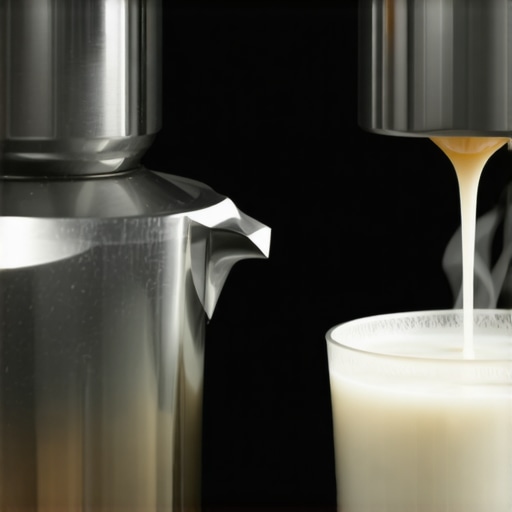
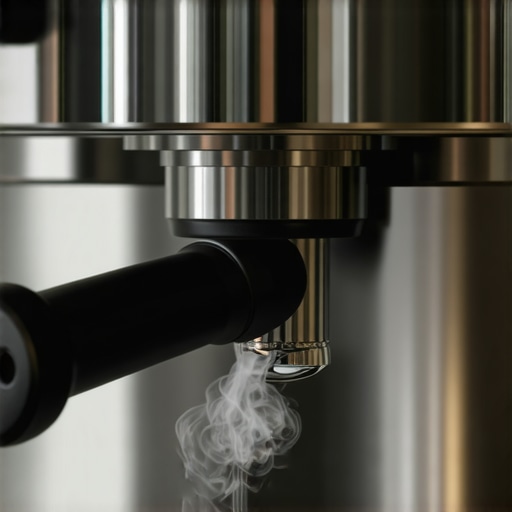
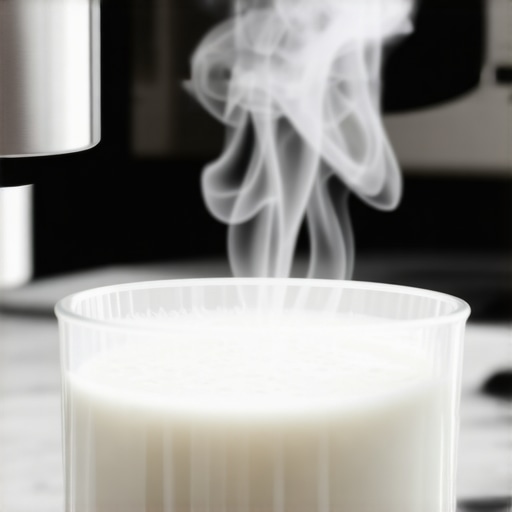
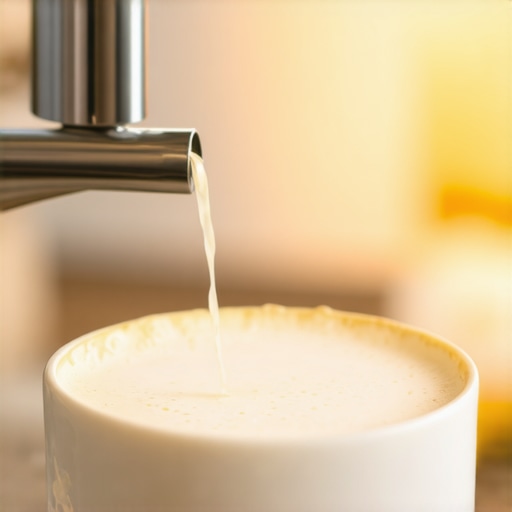
Ever had that sinking feeling while steaming milk, watching your espresso machine’s steam tip spit water instead of smooth, velvety vapor? I remember thinking, “Is my machine broken?” after a frustrating session spent trying to get those stubborn deposits out. It was only after a few mishaps—scratched steam tips, clogged nozzles, and wasted cleaning efforts—that I realized there must be a better way. If you’ve faced these headaches, you’re not alone. Properly cleaning your steam tip holes without scratching them is essential not just for perfect microfoam but also for the longevity of your gear.
The Hidden Challenge in Steam Tip Cleaning
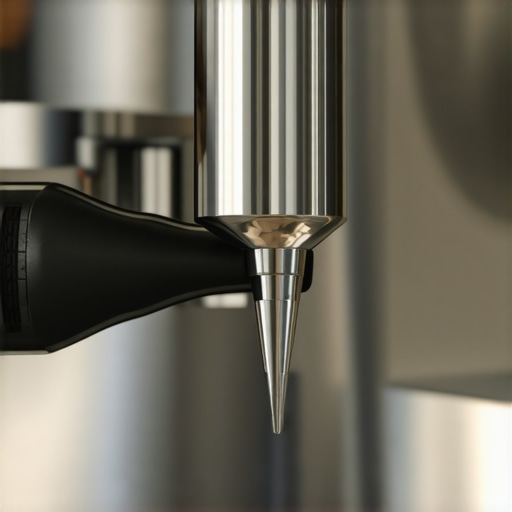
Steam tip holes can become clogged with mineral buildup, milk residue, and oil over time. When you try to scrub them with hard tools or abrasive brushes, it’s tempting to push harder—dangerously risking scratching delicate surfaces. But here’s the kicker: scratches can create micro-pits, trapping more gunk and accelerating corrosion. So, how do you keep those tiny holes spotless without damaging your investment?
Is It Really Worth the Effort?
Absolutely. Clean steam tips deliver better vapor, improve milk texture, and prevent potential leaks or failures. Plus, maintaining them properly avoids costly replacements in the long run. Early in my journey, I made the mistake of using metal picks and abrasive scrub pads, which left scratches that only worsened the problem. I’ve learned that a gentle, effective approach makes all the difference, and I want to share these tips with you so you can avoid the same pitfalls. For more tips on keeping your barista gear in top shape, check out this insightful guide.
Prepare the Right Tools
Gather a fine, pointed needle or pin, a soft cloth, and a small container of distilled water. Think of this setup as your toolkit for delicate work—like a jeweler’s kit for tiny gems. I remember once attempting to use a sewing pin, which was too thick, causing scratches. Instead, I switched to a watchmaker’s pin, which fit perfectly into the holes, making the cleaning process smooth and scratch-free.
Identify and Access Clogged Holes
Look closely at your steam tip while activating it; the holes should emit a continuous, strong vapor. Use the needle to gently probe each hole, feeling for resistance or blockage. Don’t force the needle; instead, gently wiggle it in and out. Once I realized that pushing too hard caused tiny dents, I learned to finesse the needle, removing obstructions without marring the metal surface.
Clear Buildup With Precision
Step 1: Soak the Tip
Remove the steam tip and soak it in distilled water for 10-15 minutes to loosen mineral deposits. Imagine it like soaking your jewelry to loosen dirt—this reduces the need for aggressive scrubbing.
Step 2: Use a Needle to Unclog
With the needle, gently insert into each hole, breaking up mineral buildup. Always angle the needle parallel to the surface to avoid scratching. I once spent extra time on a stubborn hole, gently wiggling the needle; after a few minutes, it cleared without any scratches on the tip.
Step 3: Rinse and Dry
Rinse the tip with clean distilled water and dry thoroughly with a soft cloth. This removes loosened deposits and prevents new buildup. Remember, never use abrasive brushes or steel wool—these can scratch and compromise the delicate metal.
Maintain Your Steam Tip Regularly
Consistent maintenance keeps your steam tip in prime condition. After each steaming session, use the needle to clear out any residual buildup. Additionally, consider descaling your machine periodically—see this guide for tips on water quality, which significantly impacts mineral buildup.
Remember, patience and gentle handling are key. Avoid aggressive scrubbing, and instead focus on precise, careful movements. This approach not only preserves your steam tip but also ensures consistently perfect microfoam every time.
Prevent Future Clogs Before They Happen
Use filtered water to reduce mineral deposits. Regularly flush your steam wand with water, and avoid using abrasive tools during cleaning. Over time, these practices become second nature, helping you maintain professional-quality steam without scratches or damage.
If your steam wand continues to spit water, it might be time to check for internal blockages or seek a professional inspection. For persistent issues, explore detailed guides like this troubleshooting article.
 While many home baristas and even seasoned professionals believe they’ve mastered their espresso setups, there are nuanced pitfalls and misconceptions that often lead to subpar shots or equipment issues. One widespread myth is that upgrading to the latest high-end equipment automatically guarantees better espresso. In reality, many brewers fail to optimize their existing gear or misunderstand essential maintenance nuances, which can be more impactful than hardware upgrades. For example, selecting a cost-effective grinder with dull burrs can yield inconsistent grind sizes, directly affecting extraction quality. Regularly checking burr sharpness and replacing dull burrs, as discussed in this guide, ensures consistent results.
Upgrading Your Equipment or Fine-Tuning Your Routine
Maintaining your espresso setup isn’t just about occasional cleanings; it involves selecting the right tools and adopting effective practices that extend your machine’s lifespan and improve shot quality. A common mistake I see among home baristas is relying on generic cleaning methods that may inadvertently damage delicate components.
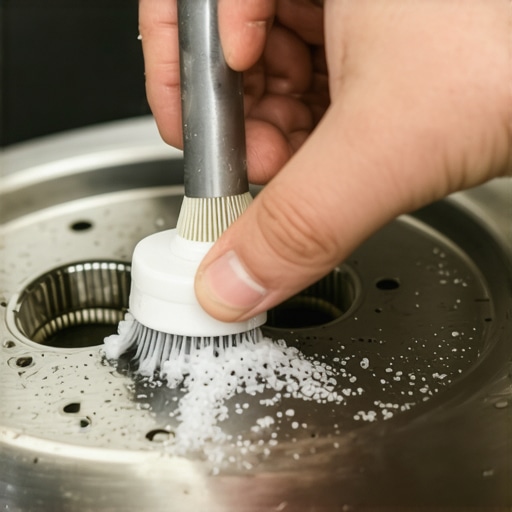
For instance, using a stiff brush to scrub your portafilter or steam wand can leave micro-scratches that trap residue and lead to corrosion over time. Instead, I rely on a gentle brush and natural cleaning solutions designed specifically for espresso hardware. This approach preserves delicate finishes and ensures longevity.
Precision Tools That Make a Difference
If you want to ensure your espresso consistently hits the mark, investing in specialized tools pays off. I personally swear by a stainless steel pin set for unclogging tiny steam tip holes. Unlike generic needles, these pins are designed to fit precisely into micro-holes, reducing risk of scratching. Regularly checking your grinder burr sharpness and replacing dull burrs is another cornerstone of maintaining shot consistency.
Long-Term Results Achieved Through Routine Checks
Adopting a routine maintenance schedule, such as weekly descaling and monthly deep cleans, preserves your equipment’s performance. Keep an eye on scale build-up in drip trays and internal components, which can impede operation or cause damage. Utilizing tools like a digital pressure gauge helps monitor your machine’s health and preempt failures.
Scaling Up for Continuous Improvement
As your skills grow, consider upgrading your coffee grinder for better grind uniformity or exploring advanced milk frothers for microfoam perfection. Remember, small upgrades can have outsized impacts on your brew quality and equipment longevity. Looking ahead, trends point toward smarter, sensor-equipped machines that can alert you when maintenance is due — proactive care that minimizes downtime.
How do I maintain my equipment over time?
Consistent cleaning with specialized brushes, routine descaling, and investing in precision tools like a calibrated tamping system and quality grinders are essential. Incorporate scheduled checks for burr sharpness, water quality, and internal scaling to keep your espresso gear performing at its best. Don’t forget to try some of the latest methods, like using a quick flush techniques, which can save you time and prevent buildup. Regular attention and the right tools will ensure your setup remains reliable, shot after shot.
Enhance your maintenance routine today by starting with a dedicated cleaning brush designed for soft, detailed work—your future self will thank you for the flawless microfoam and extended equipment lifespan.
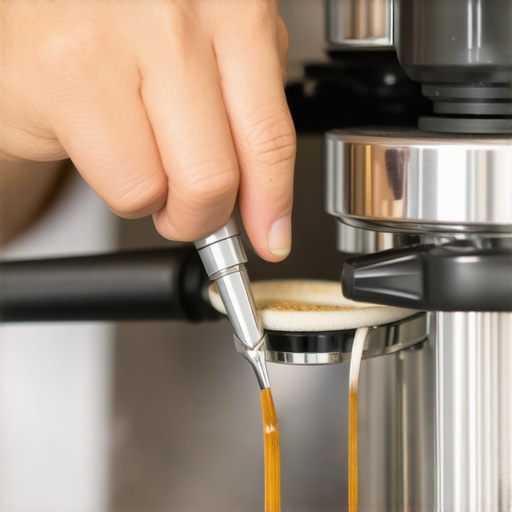
Over time, even the most diligent baristas realize that maintaining their espresso equipment is a blend of science and patience. The key to consistently achieving that silky microfoam lies not just in technique but in the meticulous care of small components like steam tip holes. Embracing gentle, precise cleaning methods transforms your routine from a chore into a ritual that prolongs equipment life and elevates your coffee game.
The Hidden Wisdom You Can’t Find Elsewhere
- Leaving small details unchecked can silently sabotage your efforts—long-term, micro-scratches from aggressive cleaning tools can trap residues, causing more harm than good. I learned this the hard way when rushed cleaning led to clogged, scratched tips that needed replacing much sooner. Fostering patience and using the right tools turned my routine into an effective practice that saved money and improved shot quality.
- Deep personal insight: investing in high-quality, fine needles and natural cleaning solutions allowed me to treat my gear with respect, reducing wear and tear. Sometimes, slow and careful beats quick and rough—trust me, your equipment and taste buds will thank you.
- Understanding the mineral composition of your water and its impact on buildup is vital. Regularly opting for filtered water and scheduled maintenance prevents calcification that can be invisible until it causes a clog or leak, saving you from unwelcome surprises during busy mornings.
- The importance of routine check-ins cannot be overstated. Incorporating weekly inspections with the right tools has become second nature, ensuring my steam tips stay in top shape—think of it as a spa day for your espresso machine.
- Remember, each tiny hole is a gateway to flavor. Your gentle approach preserves their integrity, ensuring consistent vapor quality and optimal milk microfoam—an essential ingredient in perfect barista art.
Tools That Make Steam Tip Care Second Nature
- Specialized brushes and natural cleaning solutions remain my trusted allies, helping me clean without scratches or chemical residues.
- High-precision stainless steel pins, specifically designed for micro-holes, are game-changers in avoiding micro-scratches while unclogging stubborn deposits.
- A reliable hand-held flashlight allows me to inspect every tiny hole, ensuring I catch issues early—think of it as a health check for your steam wand.
- Regular use of descaling agents, paired with water quality monitoring, sustains optimal vapor pressure and prevents internal mineral buildup.
- Lastly, patience and practice with these tools develop an intuitive feel—turning a tedious task into a satisfying ritual that consistently delivers professional-quality microfoam.
Embrace the Art of Gentle Precision
Perfecting your espresso doesn’t happen overnight, but with a mindful maintenance approach—focused on gentle, deliberate cleaning—you’ll find that equipment longevity and shot quality go hand in hand. Our shared passion for that ideal microfoam becomes achievable when every tiny component is treated like a prized jewel. Remember: tiny, consistent efforts have a profound impact on your brewing journey. So, what small cleaning hack has made a difference in your routine? Let me know below, and let’s elevate our coffee craft together!